Zexmenia
Wedelia texana (syn. Zexmenia hispida)
- Sun
- Full Sun, Part Shade
- Water
- Low, Drought tolerant once established
- Mature size
- 2–3 ft tall, 3–4 ft wide
- Best for
- Drought-tolerant Landscaping, Pollinator Plant, Native ecosystem plant, Low maintenance
Gallon — $10 — only 5 left
About this size
- Gallon
- Our standard size: a 1-gallon nursery pot, about 6–7 inches across.
Pay at the nursery, plus 6.75% sales tax. Send your request and we'll confirm availability and your pickup time within 24 hours, then hold your plants. How it works
Planting & care
- Growth habit
- Sprawling to mounding subshrub; semi-woody base; branches freely into a low spreading clump
- Typical bloom
- May–Nov
- Cold hardy to
- Zones 7–10
- Soil
- Adaptable — rocky, sandy, or clay; limestone-tolerant; well-drained essential; no standing water
Where to plant
Full sun to part shade, in rocky, sandy, or clay soil — it isn't particular, as long as the ground drains. Limestone soils are no problem.
Watering
Low water once established; let it dry out between waterings. It's built for real Texas drought.
Cutting back
Cut back hard in late winter to keep it compact and encourage the fullest bloom — left untrimmed for multiple years it can get leggy and open up in the middle.
About Zexmenia
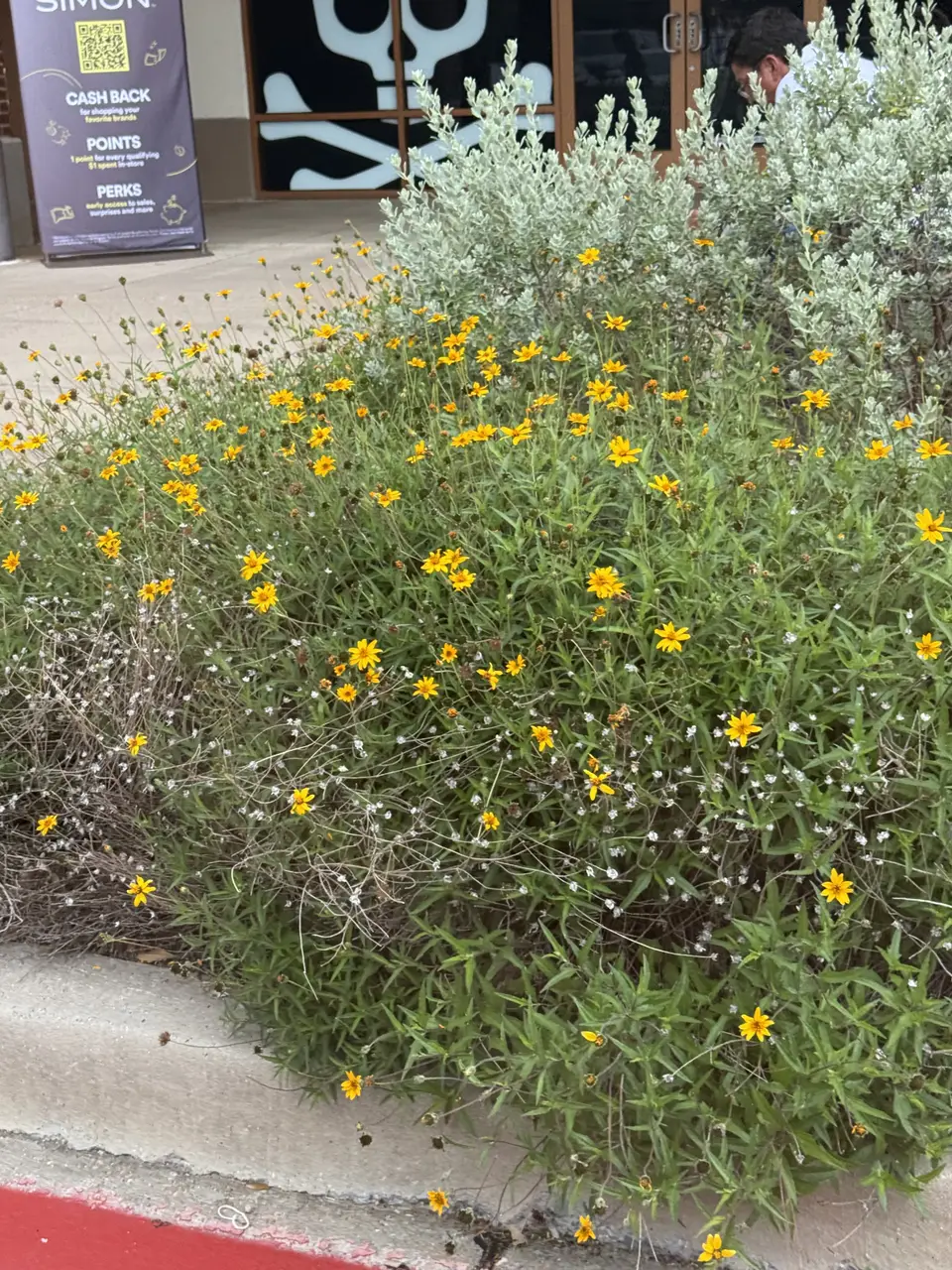
Zexmenia earns its keep by simply not stopping — small orange-gold daisy flowers appear in late spring and keep coming in flushes clear through November, covering the rough, bristly foliage almost the entire growing season. Butterflies and native bees treat it like a reliable diner that's always open.
Left alone, it sprawls and mounds into a low, semi-woody clump that's equally at home spilling over a rock wall or anchoring a slope against erosion. It's native across a wide swath of Central and South Texas — Blackland Prairies, Cross Timbers, the Edwards Plateau, and the South Texas Plains — so it's already proven itself in soils and summers very much like ours.
Where it's native
Zexmenia occurs naturally in 4 Texas ecoregions — Edwards Plateau, South Texas Plains, Blackland Prairies, Cross Timbers and Prairies. Plants grown from local ecotypes are best adapted to our soils and climate here in the Blackland Prairies.
- 1Trans-Pecos
- 2High Plains
- 3Rolling Plains
- 4Edwards Plateau
- 5Cross Timbers and Prairies
- 6South Texas Plains
- 7Blackland Prairies
- 8Post Oak Savannah
- 9Gulf Prairies and Marshes
- 10Pineywoods
Plants it grows well with
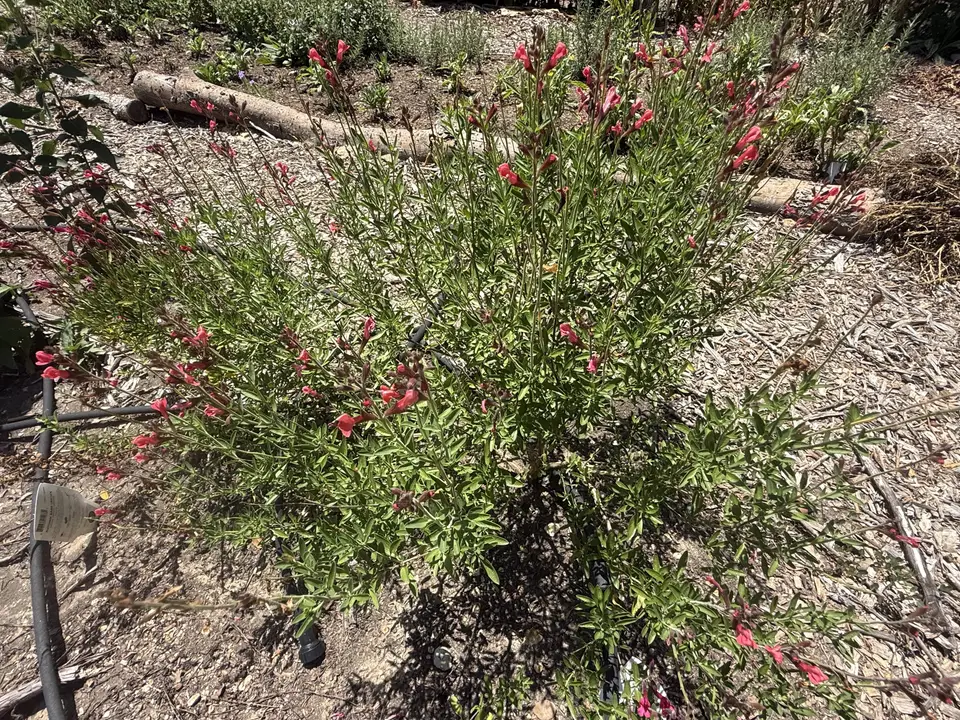
Autumn Sage
A compact, drought-tolerant native shrub that blooms nearly year-round in reds, corals, pinks, and whites.
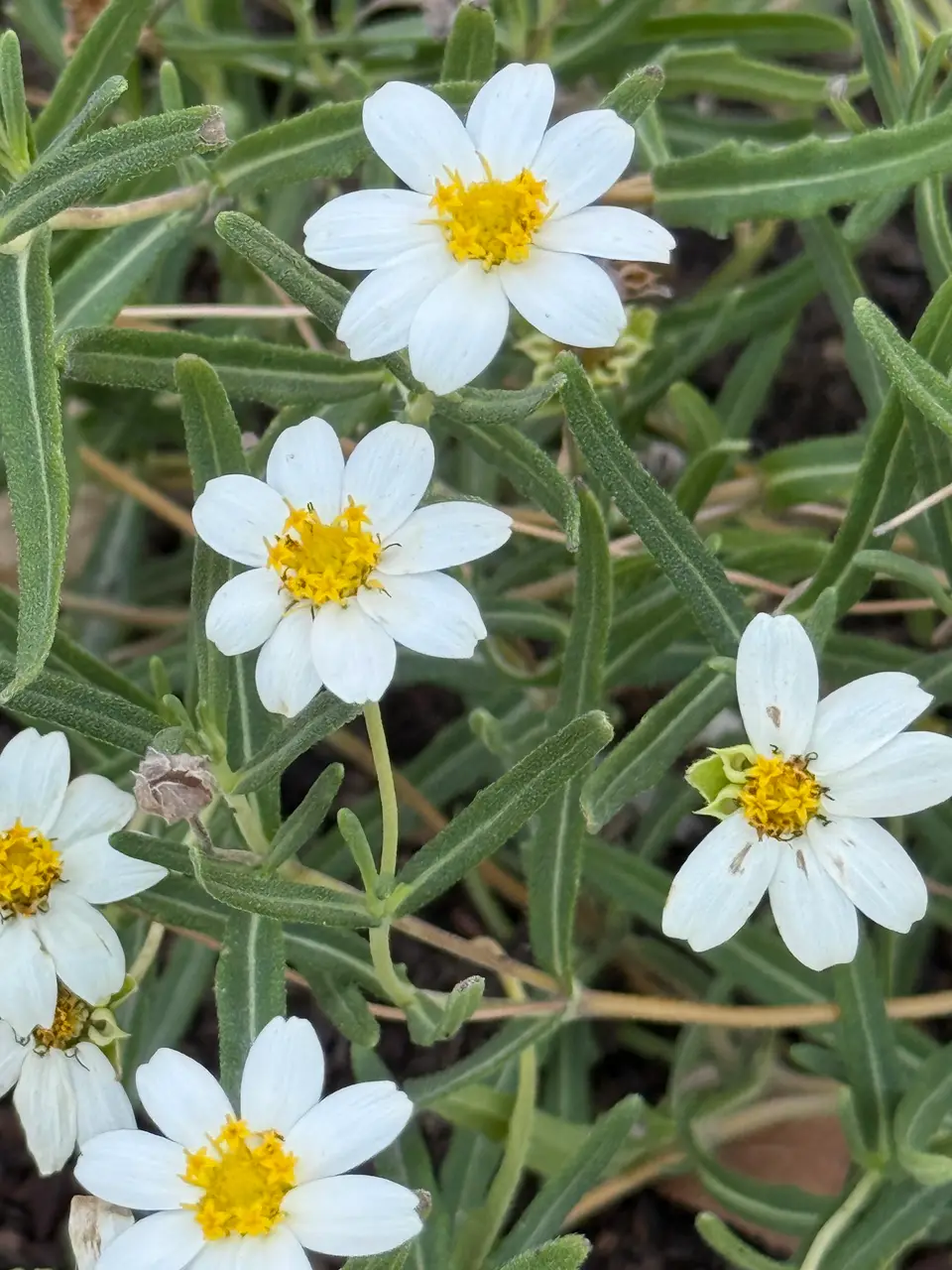
Blackfoot Daisy
A drought-proof native perennial with cheerful white, daisy-like blooms from spring through frost.
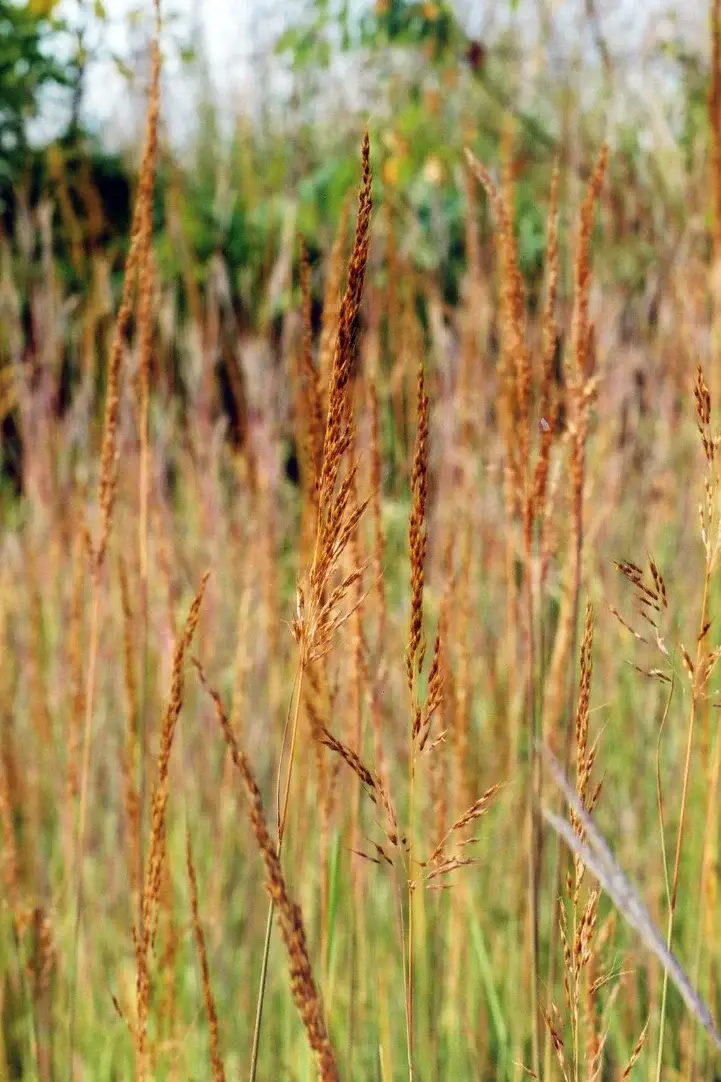
Indiangrass
An iconic tallgrass prairie grass with shimmering copper-bronze seed plumes that dominate the fall landscape.
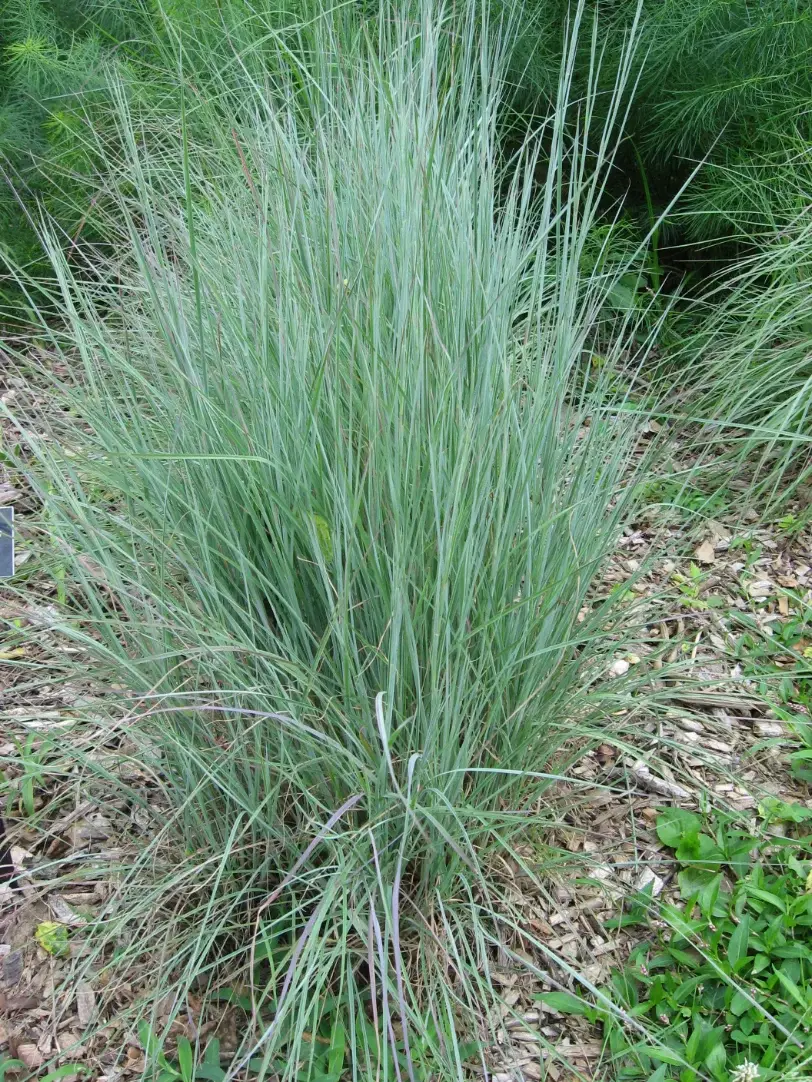
Little Bluestem
A native prairie grass with striking fall color that shifts from blue-green to fiery red and copper.
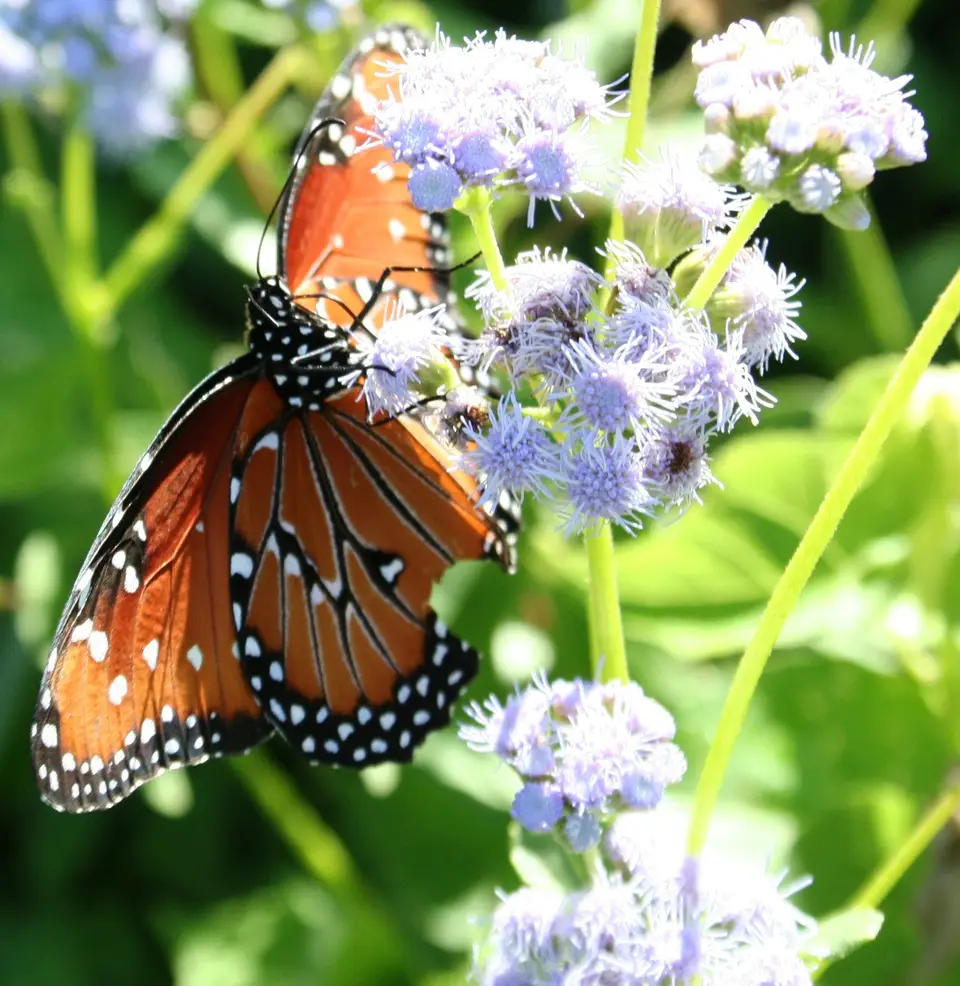
Blue Mistflower
A native perennial that erupts into clouds of soft blue-purple blooms just as fall pollinator activity peaks.
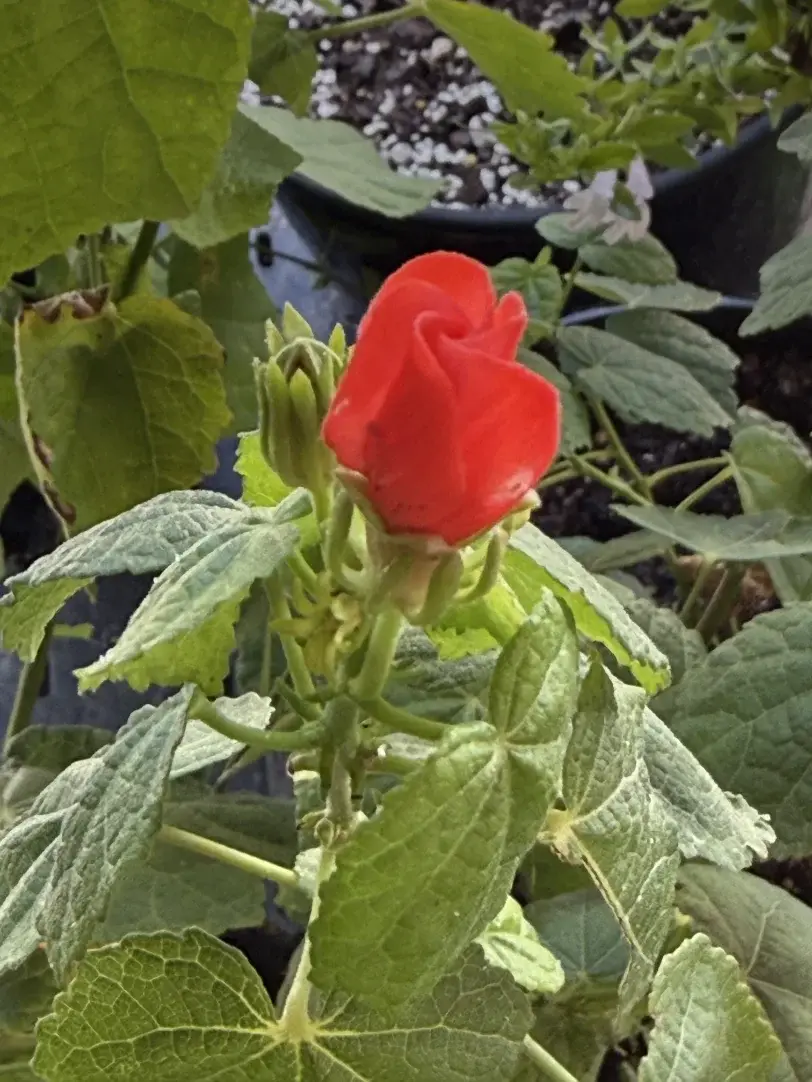
Turk’s Cap
A shade-loving native perennial with distinctive spiraled red blooms that flower nonstop from late spring through fall.
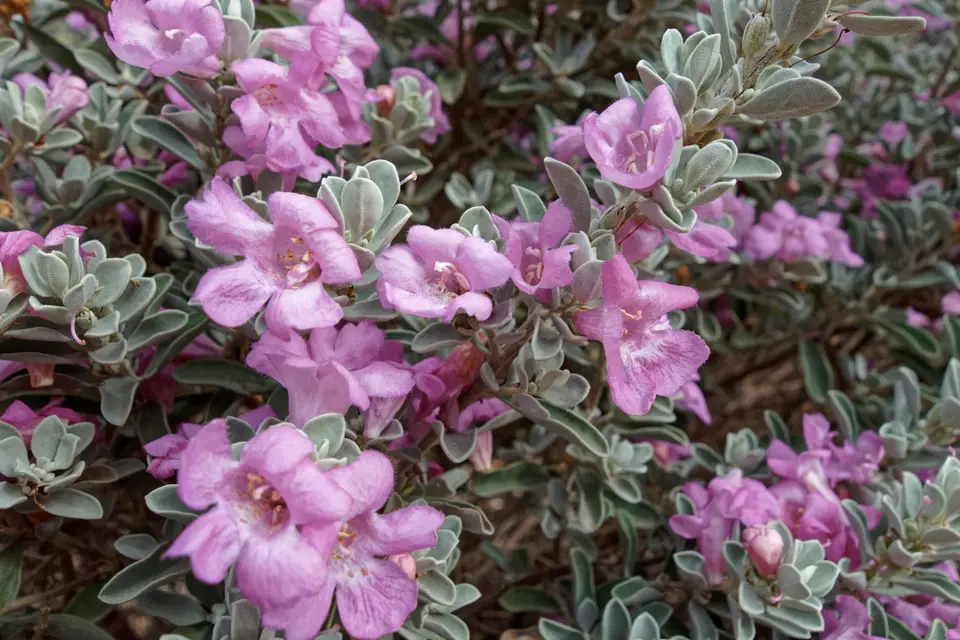
Texas Sage
A silver-leaved native shrub that erupts in surprise blooms after every rain — the legendary "barometer bush."
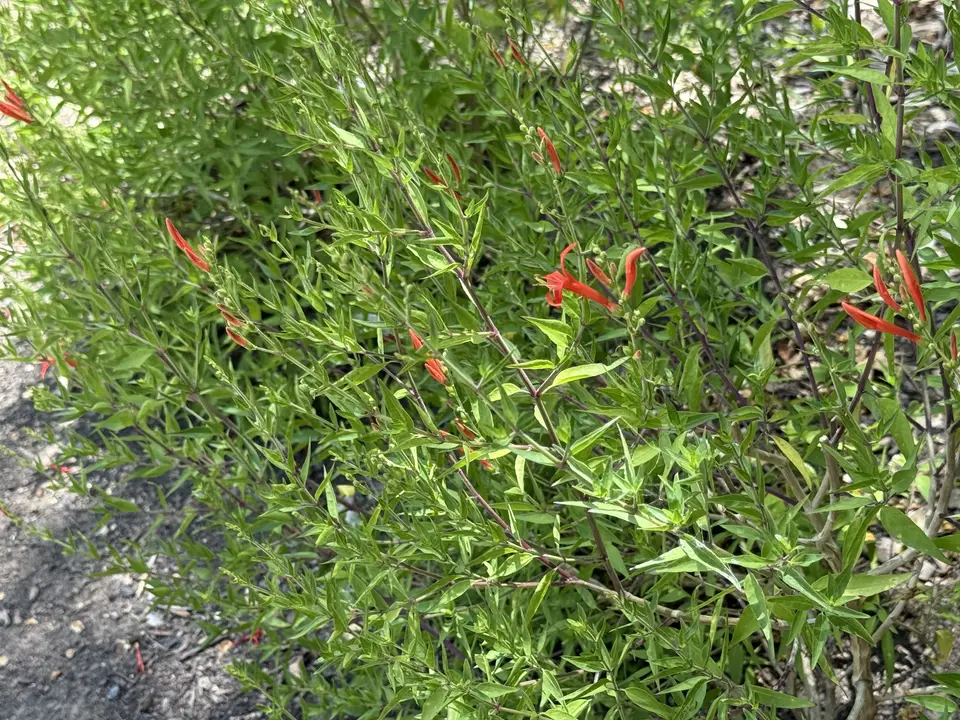
Flame Acanthus
A Texas native hummingbird magnet with brilliant orange-red tubular blooms from late spring through fall.