
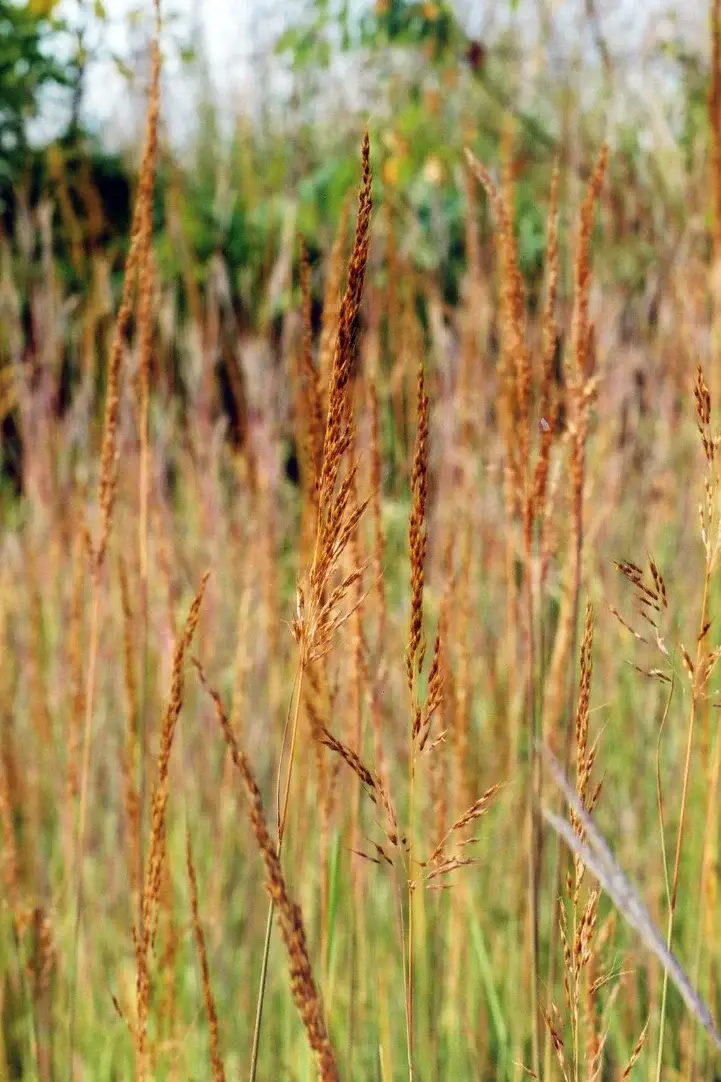
Indiangrass
Sorghastrum nutans

- Sun
- Full Sun
- Water
- Low, Moderate, Drought tolerant once established
- Mature size
- 3–6 ft tall x 1–2 ft wide
- Best for
- Ornamental Grass
Gallon — $10
About this size
- Gallon
- Our standard size: a 1-gallon nursery pot, about 6–7 inches across.
Pay at the nursery, plus 6.75% sales tax. Send your request and we'll confirm availability and your pickup time within 24 hours, then hold your plants. How it works
Planting & care
- Growth habit
- Upright clumping grass (bunchgrass, non-spreading)
- Typical bloom
- Jul–Oct
- Cold hardy to
- Zones 4–9
- Soil
- Adaptable; prefers well-drained soils but tolerates clay well
Where to plant
Full sun — at least 6–8 hours of direct sun for the best growth and seed head production; won't perform well in shade. It's adaptable to clay, loam, or sandy soil.
Watering
Water regularly the first season to support root development. After that, rainfall is usually enough across most of Texas.
Cutting back
Cut back to 4–8 inches in late February or early March, just before new growth starts. It can and should be left standing through winter — the seed heads provide wildlife value and visual interest through the cold months.
About Indiangrass
If you want a Texas native that earns its keep from early summer all the way through winter, and keeps paying dividends as a bird feeder long after the growing season ends, Indiangrass is one of the most productive plants available. This iconic tallgrass prairie species starts the season quietly, building a narrow clump of blue-green foliage through the summer heat, then makes a statement in late August when it shoots up tall, shimmering seed heads in warm copper-bronze that catch the afternoon light like nothing else in the fall landscape.
It's one of the four grasses that defined the great American prairie, and it has been doing exactly one job for thousands of years: thriving in heat, drought, poor soil, and clay. Once established in a landscape, it needs almost nothing in return.
In fall and winter, the seed heads become a genuine wildlife resource. Sparrows and juncos work them steadily through the cold months, and the standing clumps provide cover for ground-nesting birds and overwintering beneficial insects.
Paired with Little Bluestem, Black-eyed Susan, or Prairie Verbena, Indiangrass creates an effortless prairie planting that looks intentional and maintains itself naturally, getting more impressive with each passing year.
Where it's native
Indiangrass occurs naturally in 5 Texas ecoregions — Blackland Prairies, Cross Timbers and Prairies, Post Oak Savannah, Rolling Plains, Pineywoods. Plants grown from local ecotypes are best adapted to our soils and climate here in the Blackland Prairies.
- 1Trans-Pecos
- 2High Plains
- 3Rolling Plains
- 4Edwards Plateau
- 5Cross Timbers and Prairies
- 6South Texas Plains
- 7Blackland Prairies
- 8Post Oak Savannah
- 9Gulf Prairies and Marshes
- 10Pineywoods
Plants it grows well with
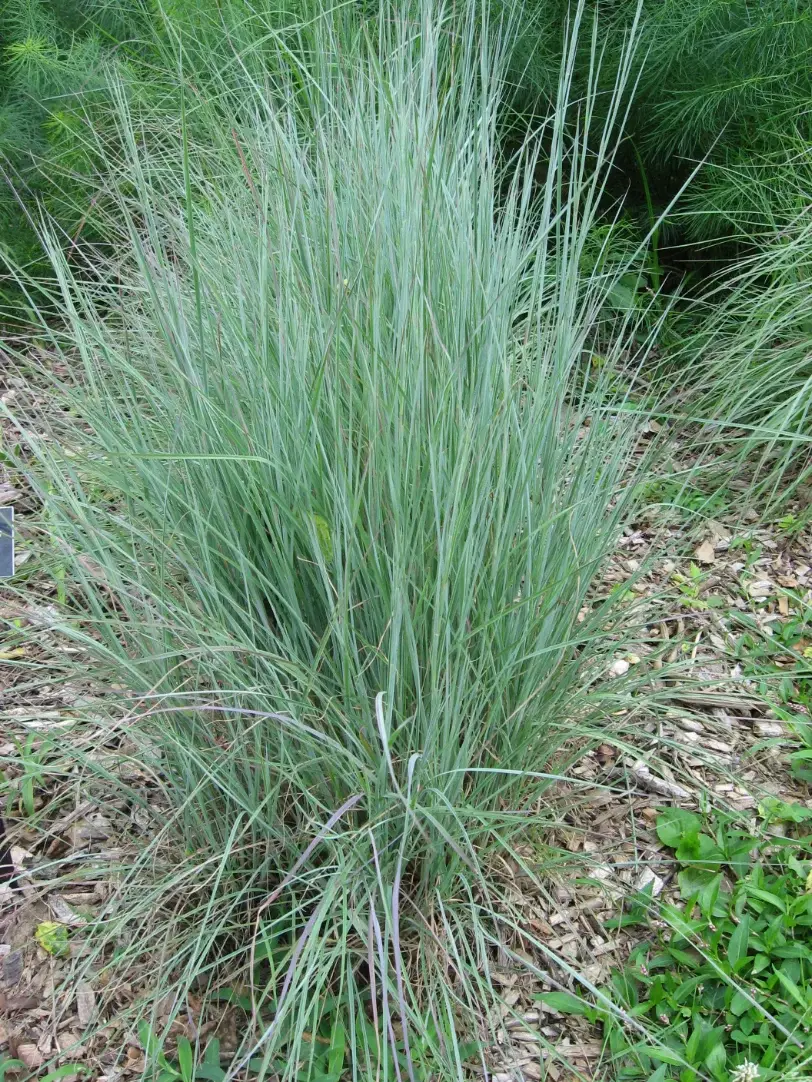
Little Bluestem
A native prairie grass with striking fall color that shifts from blue-green to fiery red and copper.
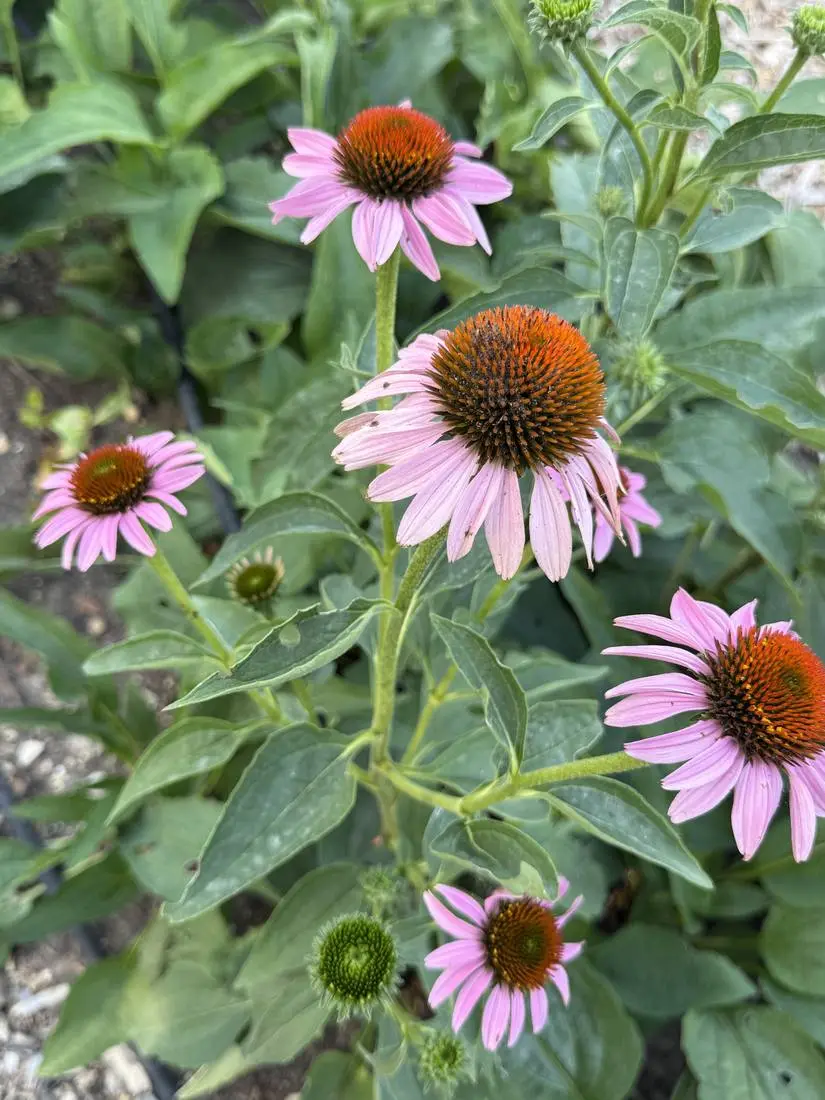
Echinacea purpurea
The classic native prairie coneflower — a long-blooming, pollinator-magnet perennial with a well-known medicinal reputation.
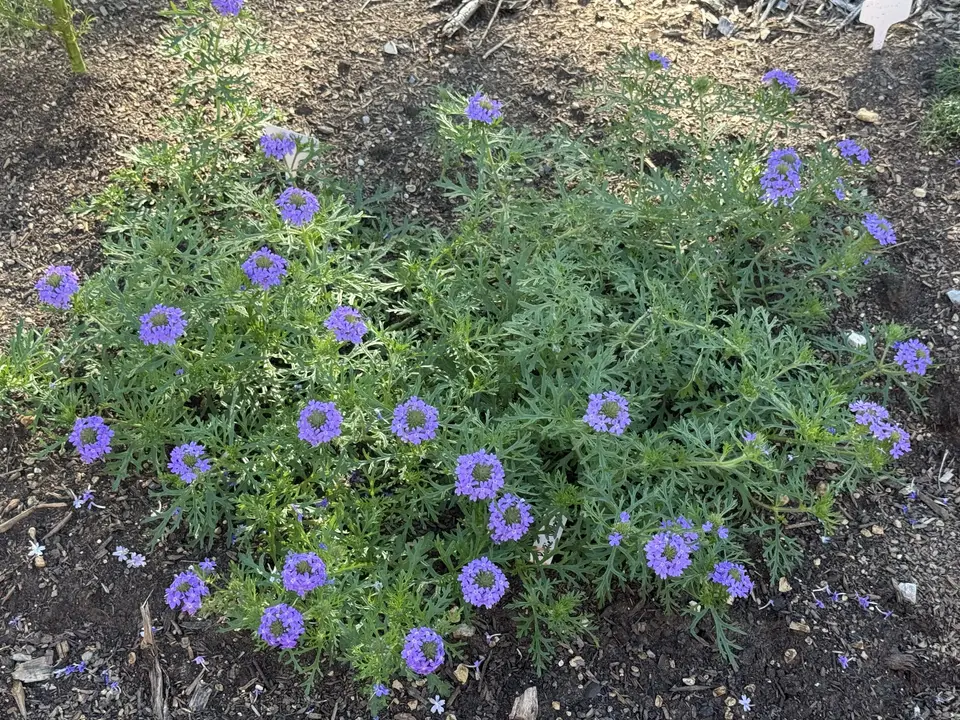
Prairie Verbena
A fast-spreading native groundcover with bright purple blooms that opens the pollinator season each spring.