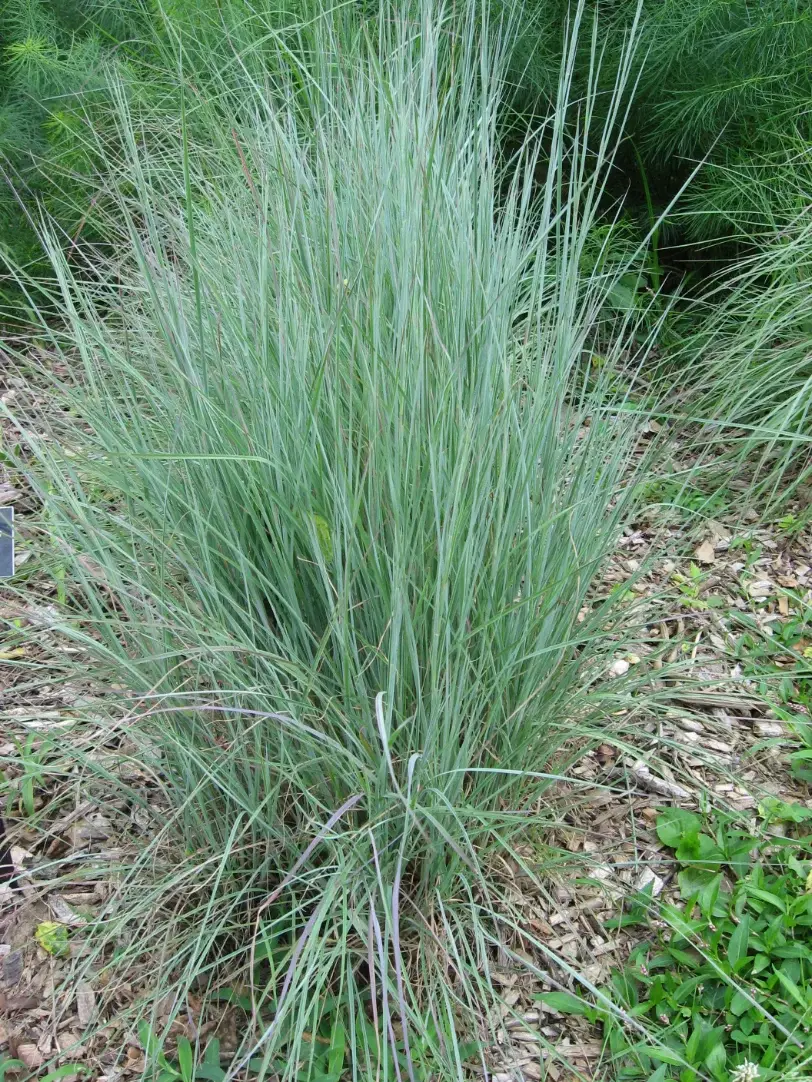
Little Bluestem
Schizachyrium scoparium
- Sun
- Full Sun
- Water
- Low, Moderate, Drought tolerant once established
- Mature size
- 2–4 ft tall × 1.5–2 ft wide
- Best for
- Erosion Control, Native ecosystem plant, Pollinator Plant, Ornamental Grass
Planting & care
- Growth habit
- Upright, clumping (non-spreading bunchgrass)
- Typical bloom
- Aug–Nov
- Cold hardy to
- Zones 3–9
- Soil
- Well-drained soils; thrives in poor, sandy, rocky, or clay soils
Where to plant
Full sun — best fall color, most upright habit, and highest ornamental quality come with direct sun; avoid shaded spots. It's adaptable to sandy, rocky, or clay soil, and actually colors up best in lean, well-drained conditions.
Watering
Low once established. Water regularly through the first growing season to encourage deep roots; after that, supplemental water is rarely needed across most of Texas.
Cutting back
Cut back to 4–6 inches in late February or early March, just before new growth begins. Don't cut back in fall — leave the stems and seedheads standing for winter interest and wildlife habitat.
About Little Bluestem
If you want a native grass that earns its place in the garden three seasons out of four, and does it with almost no input from the gardener, Little Bluestem is the one to grow. It starts the season with upright blue-green foliage that looks clean and structural through summer, transitions to one of the most striking fall displays of any Texas native, and then carries feathery silver seedheads through winter that catch the light like nothing else in the landscape.
One of the dominant grasses of the historic Texas prairie, it's built for exactly the conditions that define this region: heat, drought, poor clay soil, and summer neglect. Once established, it's genuinely self-sufficient, needing no supplemental fertilizer and minimal water after the first season.
What makes it a natural sell is the fall color. Most people don't expect it from a grass, and the shift from summer blue-green to fall red and copper tends to stop people in their tracks. That show holds through winter as the seedheads catch low afternoon light.
Its wildlife credentials round it out further: it's a host plant for skipper butterflies, a seed source for sparrows and juncos, and a source of nesting cover through the colder months — a native grass that earns its keep in every season.
Where it's native
Little Bluestem occurs naturally in 8 Texas ecoregions — Pineywoods, Post Oak Savannah, Blackland Prairies, Cross Timbers and Prairies, Edwards Plateau, Rolling Plains, High Plains, South Texas Plains. Plants grown from local ecotypes are best adapted to our soils and climate here in the Blackland Prairies.
- 1Trans-Pecos
- 2High Plains
- 3Rolling Plains
- 4Edwards Plateau
- 5Cross Timbers and Prairies
- 6South Texas Plains
- 7Blackland Prairies
- 8Post Oak Savannah
- 9Gulf Prairies and Marshes
- 10Pineywoods
Plants it grows well with
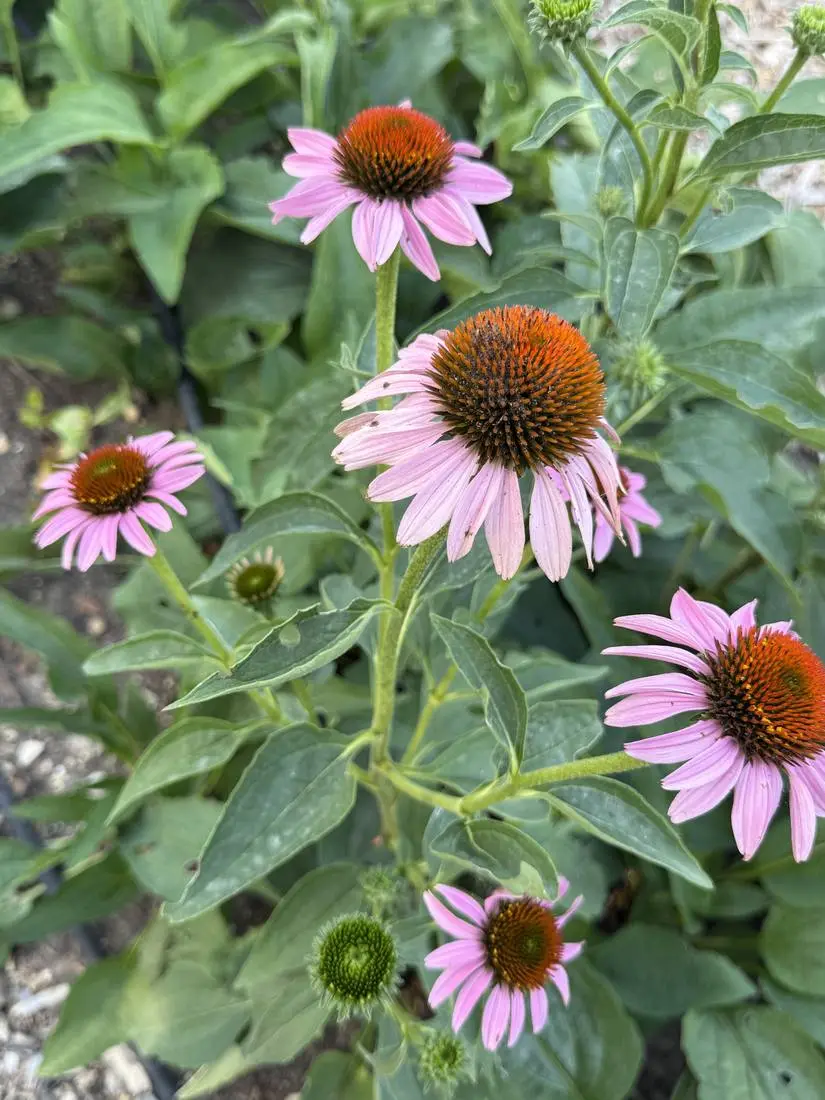
Echinacea purpurea
The classic native prairie coneflower — a long-blooming, pollinator-magnet perennial with a well-known medicinal reputation.
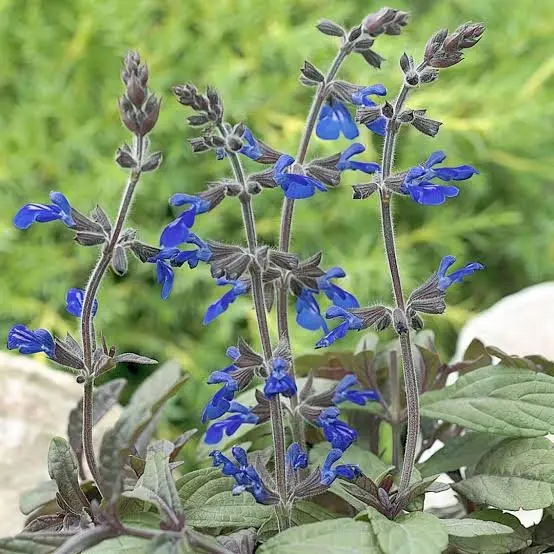
Bicolor Salvia
Bicolor salvia is a low, spreading sage with dark green leaves and deep blue-violet flowers from spring through fall. Bees and hummingbirds visit the blooms, and deer generally leave it alone.