
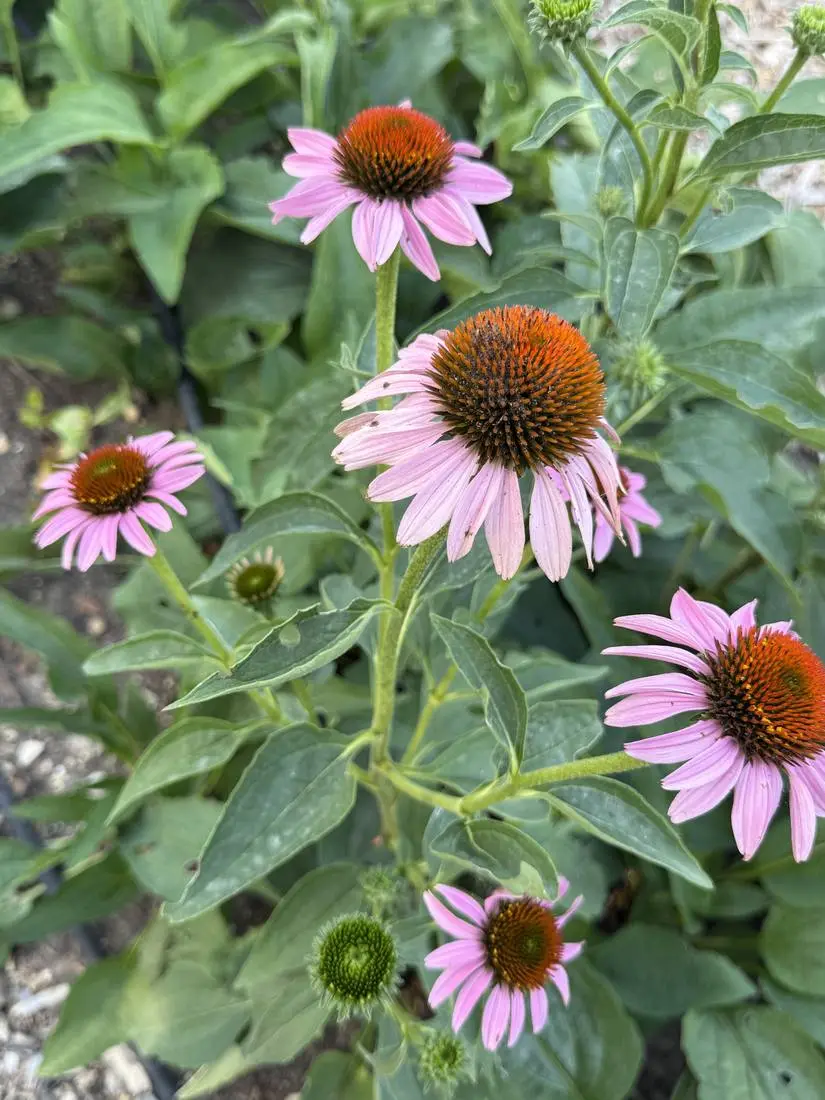
Echinacea purpurea
Echinacea purpurea

- Sun
- Full Sun, Part Shade
- Water
- Moderate, Drought tolerant once established
- Mature size
- 2–4 ft tall, 1–1.5 ft wide
- Best for
- Pollinator Plant, Native ecosystem plant, Cut Flowers, Low maintenance
Planting & care
- Growth habit
- Upright, clump-forming perennial; single or branched flowering stems rise from a basal rosette of leaves; dies back to the ground each winter and resprouts from the crown in spring
- Typical bloom
- Jun–Sep
- Cold hardy to
- Zones 3–9
- Soil
- Adaptable; average to well-drained soil; tolerates clay if not waterlogged; amend heavy clay with expanded shale or coarse sand; does not tolerate standing water
Where to plant
Full sun to part shade, with the best bloom density and sturdiest stems in full sun. It's adaptable to average to well-drained soil, including clay, as long as it isn't waterlogged — working in expanded shale or coarse sand helps heavy clay drain better.
Watering
Moderate. It's drought tolerant once established but blooms best with regular moisture during the growing season. Good drainage matters more than how much you water — avoid soggy soil, especially in winter.
Cutting back
Deadhead spent blooms through summer for more flowers, or leave the seedheads standing through fall and winter to feed goldfinches. Cut back dead foliage in late winter, just before new growth starts.
About Echinacea purpurea
If you want the flower everyone pictures when they hear "native prairie garden," this is it. Purple Coneflower puts on a long summer show of purple-pink, daisy-like blooms with a bold orange-brown cone at the center — and it keeps blooming from June clear into September. Bees, butterflies, and hummingbirds treat it like a buffet all season long, and if the seedheads are left standing into fall, goldfinches work through them steadily all winter.
Each flower's petals sweep dramatically downward from the raised, spiny center cone, giving the bloom real presence and movement compared to flatter daisy-type flowers. The coarse, hairy foliage forms a sturdy basal rosette that sends up branching flower stems through the height of summer.
It's tough, low-fuss, and cold-hardy well beyond what Texas winters ever ask of it. Once established, it shrugs off summer heat and gets by on rainfall alone in most years — the one thing to watch is soggy soil, so good drainage matters. It's also the plant behind the Echinacea supplements on every pharmacy shelf, so customers already know the name and trust it before they even ask what it does in the garden.
It fits almost anywhere: pollinator beds, cottage gardens, cut flower rows, or massed into a prairie-style planting. Compact, upright, and easy to place, it's one of those plants that sells itself the moment it's in bloom.
Where it's native
Echinacea purpurea occurs naturally in 3 Texas ecoregions — Blackland Prairies, Post Oak Savannah, Cross Timbers and Prairies. Plants grown from local ecotypes are best adapted to our soils and climate here in the Blackland Prairies.
- 1Trans-Pecos
- 2High Plains
- 3Rolling Plains
- 4Edwards Plateau
- 5Cross Timbers and Prairies
- 6South Texas Plains
- 7Blackland Prairies
- 8Post Oak Savannah
- 9Gulf Prairies and Marshes
- 10Pineywoods
Plants it grows well with
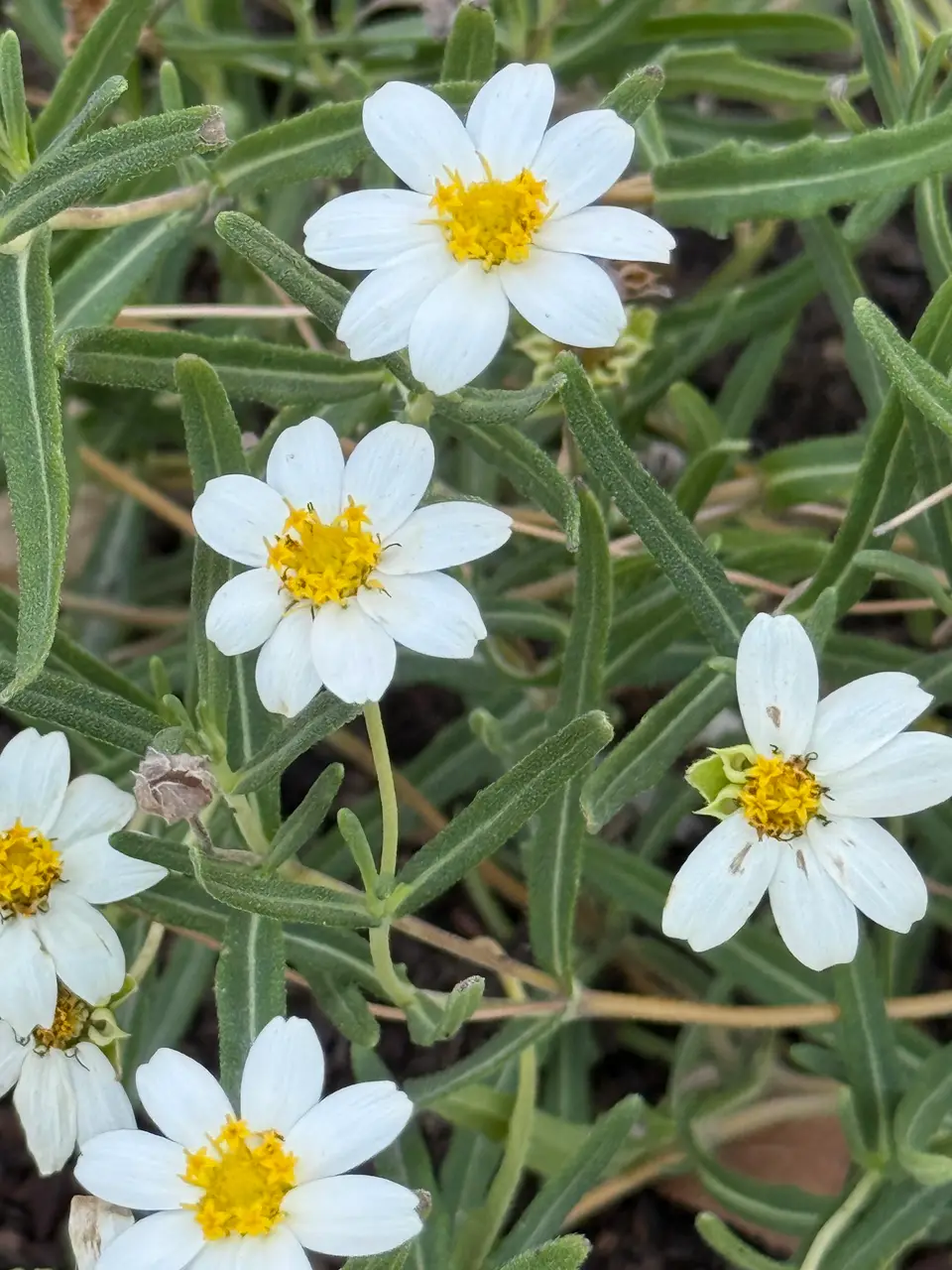
Blackfoot Daisy
A drought-proof native perennial with cheerful white, daisy-like blooms from spring through frost.
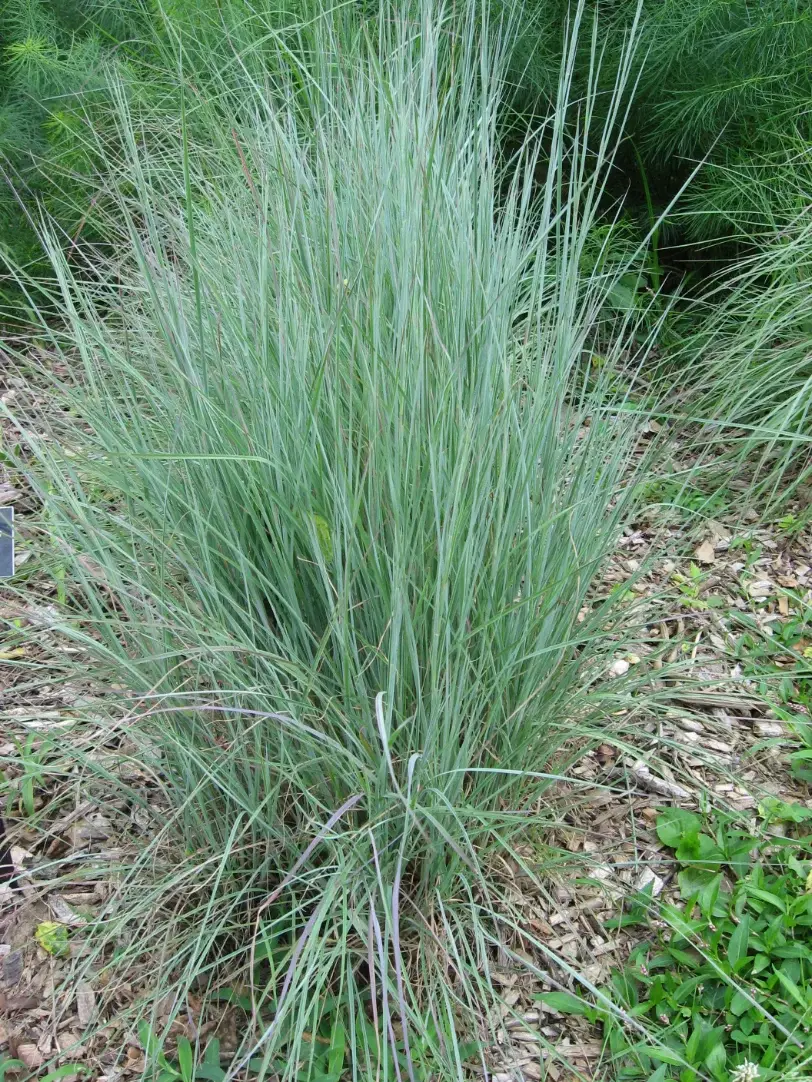
Little Bluestem
A native prairie grass with striking fall color that shifts from blue-green to fiery red and copper.
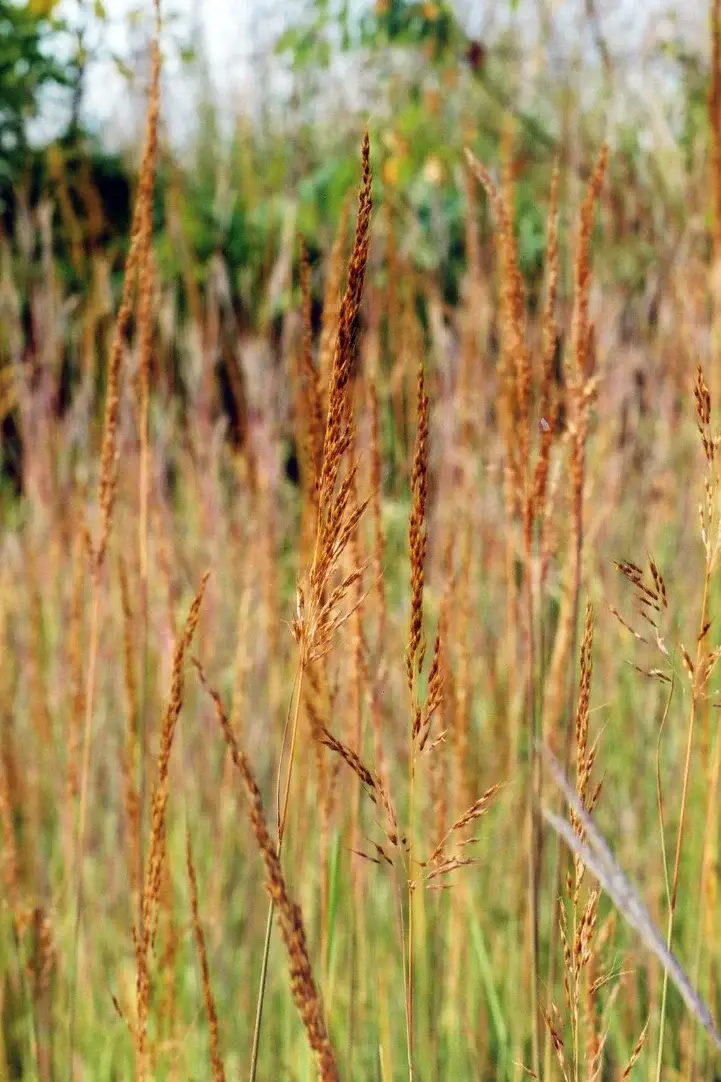
Indiangrass
An iconic tallgrass prairie grass with shimmering copper-bronze seed plumes that dominate the fall landscape.
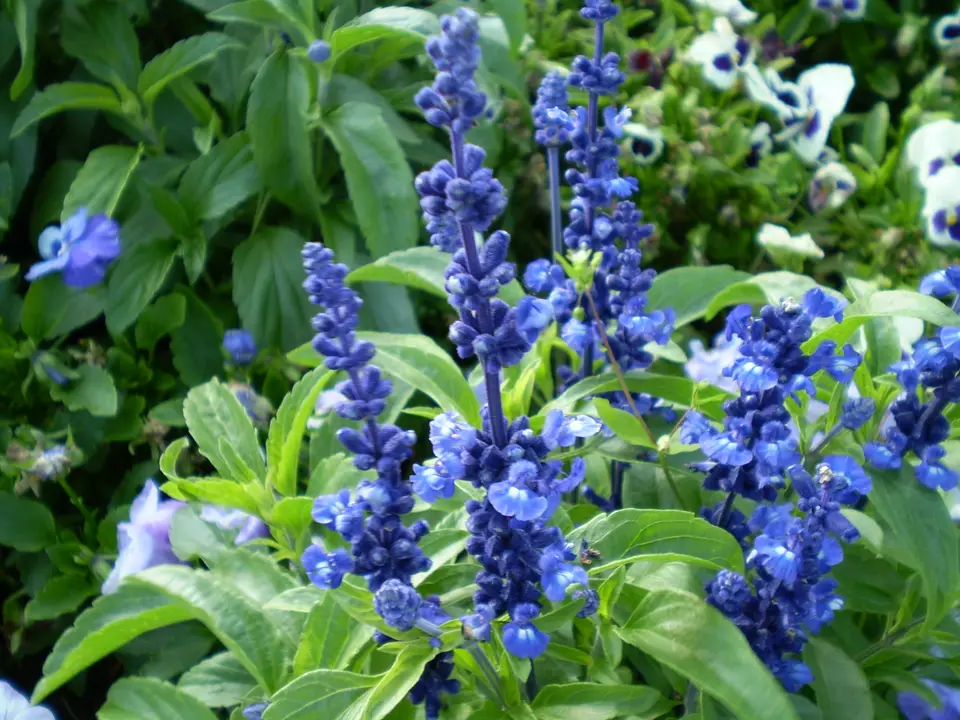
Mealy Blue Sage
A native blue-violet sage with a long bloom season and one of the best pollinator draws in North Texas.