Mealy Blue Sage
Salvia farinacea
- Sun
- Full Sun, Part Shade
- Water
- Low, Moderate, Drought tolerant once established
- Mature size
- 2–3 ft tall × 1.5–2 ft wide
- Best for
- Pollinator Plant, Drought-tolerant Landscaping
Gallon — $10
About this size
- Gallon
- Our standard size: a 1-gallon nursery pot, about 6–7 inches across.
Pay at the nursery, plus 6.75% sales tax. Send your request and we'll confirm availability and your pickup time within 24 hours, then hold your plants. How it works
Planting & care
- Growth habit
- Upright, clumping
- Typical bloom
- May–Oct
- Cold hardy to
- Zones 7–10
- Soil
- Well-drained soils; tolerates poor, rocky, or clay soils
Where to plant
Full sun to part shade, with the best bloom production and most compact habit in full sun. It's adaptable to rocky, poor, sandy, or clay soil as long as water moves through — avoid low spots where water pools.
Watering
Water regularly the first 3–4 weeks after planting to establish roots. After that, very little supplemental water is needed — avoid keeping the soil consistently wet.
Cutting back
Shear back by about a third after each heavy bloom flush to encourage the next wave of flowers — late May and again in mid-August gives strong spring and fall bloom cycles. Cut back fully in late winter before new growth begins.
About Mealy Blue Sage
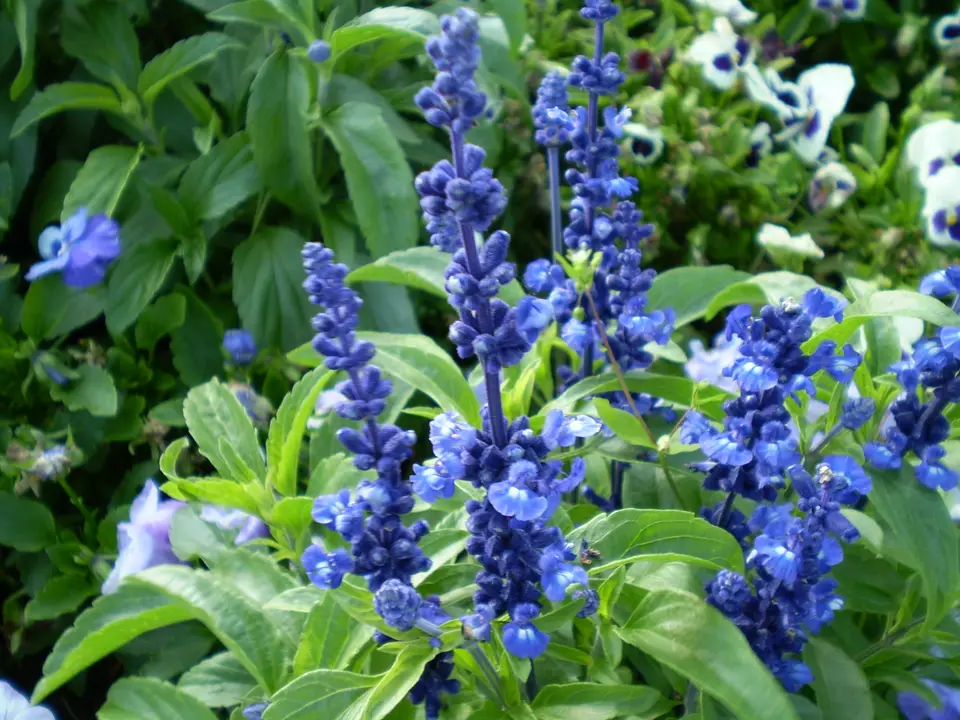
There is a native Texas sage that blooms brilliant violet-blue from May through October, feeds every bee in the neighborhood, asks for almost no water once it's in the ground, and deer won't touch it. It grows on limestone slopes and rocky roadsides all across North Texas. It's called Mealy Blue Sage, and it's one of the best native perennials available for a Texas garden.
It earns the "mealy" in its name from the soft white coating on its calyces and stem tips — the same white farina you'd see on a piece of sage. In the garden, those slender blue-violet spikes hold their color for weeks at a time, with new ones coming up from the base all season long. Cut them back after a heavy flush and the plant responds with another wave.
In May and June, when it hits its peak, the flowers are covered with bumblebees. By September, when the fall flush opens, monarchs and swallowtails find them too — a genuinely long pollinator season from one compact plant.
It's also one of the most reliable performers for the conditions that define North Texas gardens: alkaline clay soil, summer heat that makes everything else struggle, and stretches of dry weather that thin out less-adapted plants. Mealy Blue Sage is native to exactly these conditions — it doesn't need to adapt, because it already has.
Where it's native
Mealy Blue Sage occurs naturally in 4 Texas ecoregions — Edwards Plateau, Blackland Prairies, Cross Timbers and Prairies, South Texas Plains. Plants grown from local ecotypes are best adapted to our soils and climate here in the Blackland Prairies.
- 1Trans-Pecos
- 2High Plains
- 3Rolling Plains
- 4Edwards Plateau
- 5Cross Timbers and Prairies
- 6South Texas Plains
- 7Blackland Prairies
- 8Post Oak Savannah
- 9Gulf Prairies and Marshes
- 10Pineywoods
Plants it grows well with
Gaura
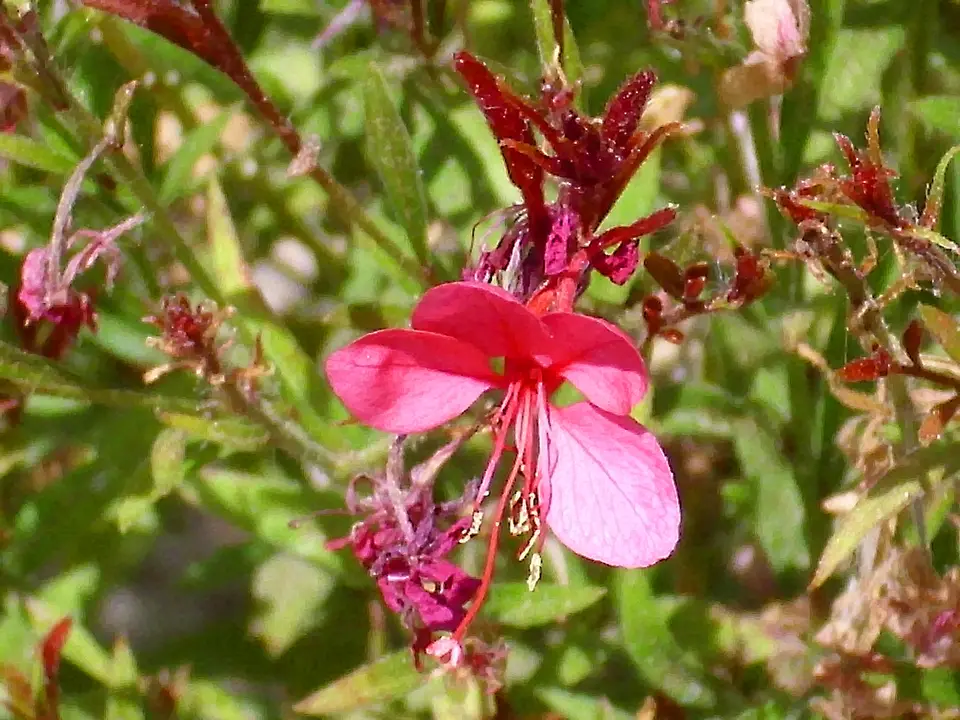
A native perennial with airy, wand-like sprays of white and pink flowers that flutter like tiny butterflies all summer.
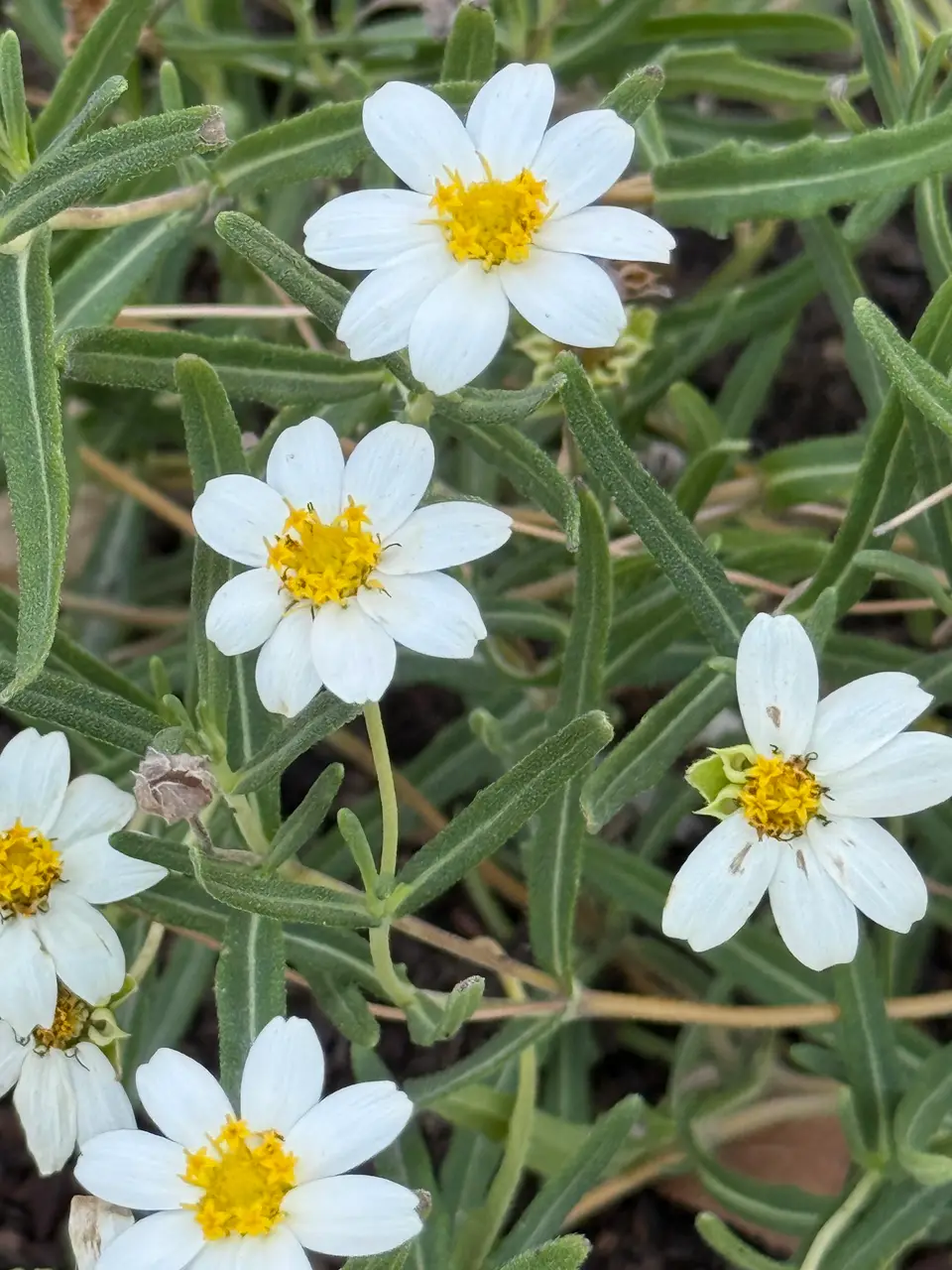
Blackfoot Daisy
A drought-proof native perennial with cheerful white, daisy-like blooms from spring through frost.
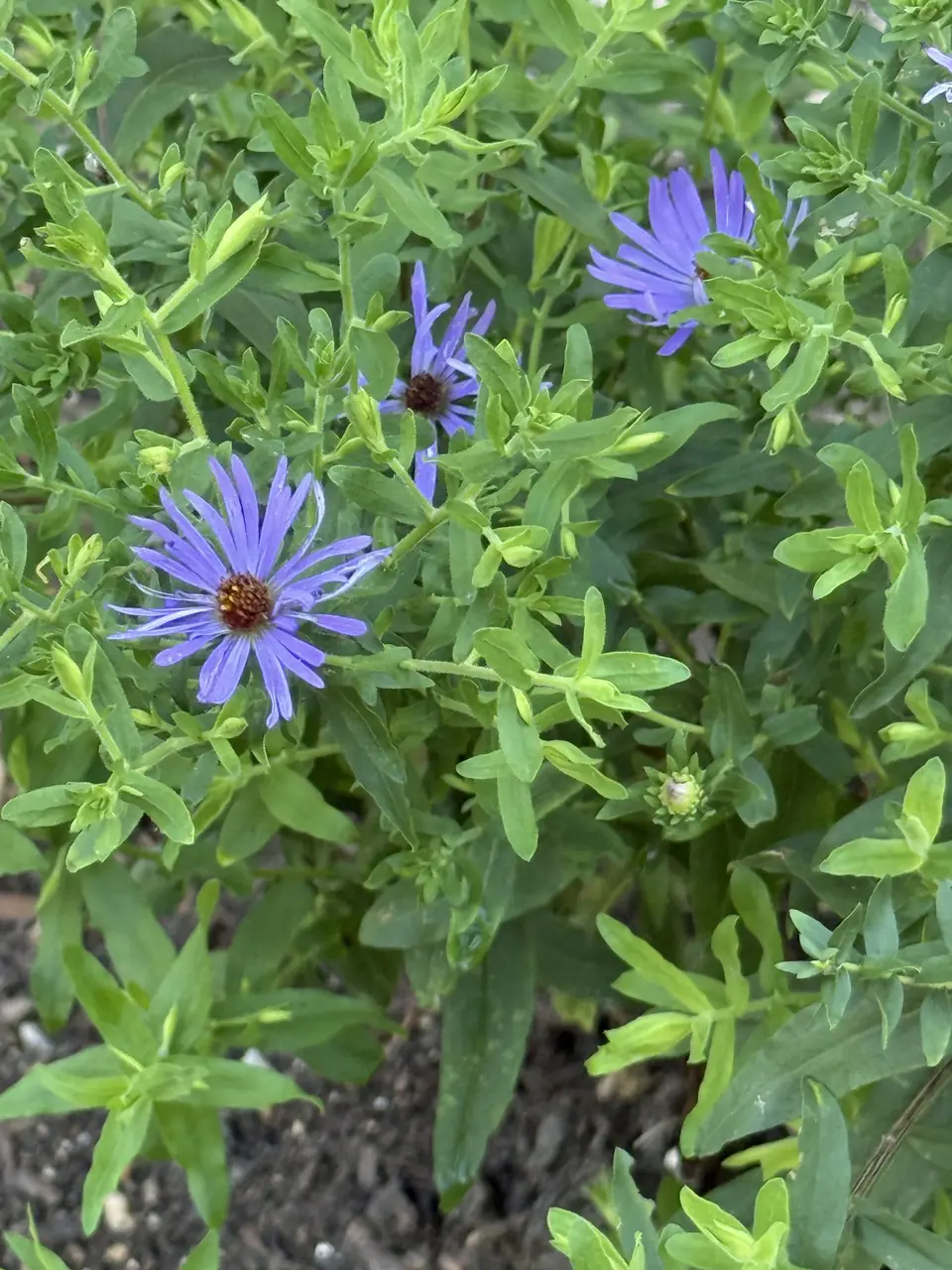
Fall Aster
A native fall-blooming perennial that covers itself in lavender-purple flowers just as everything else fades.
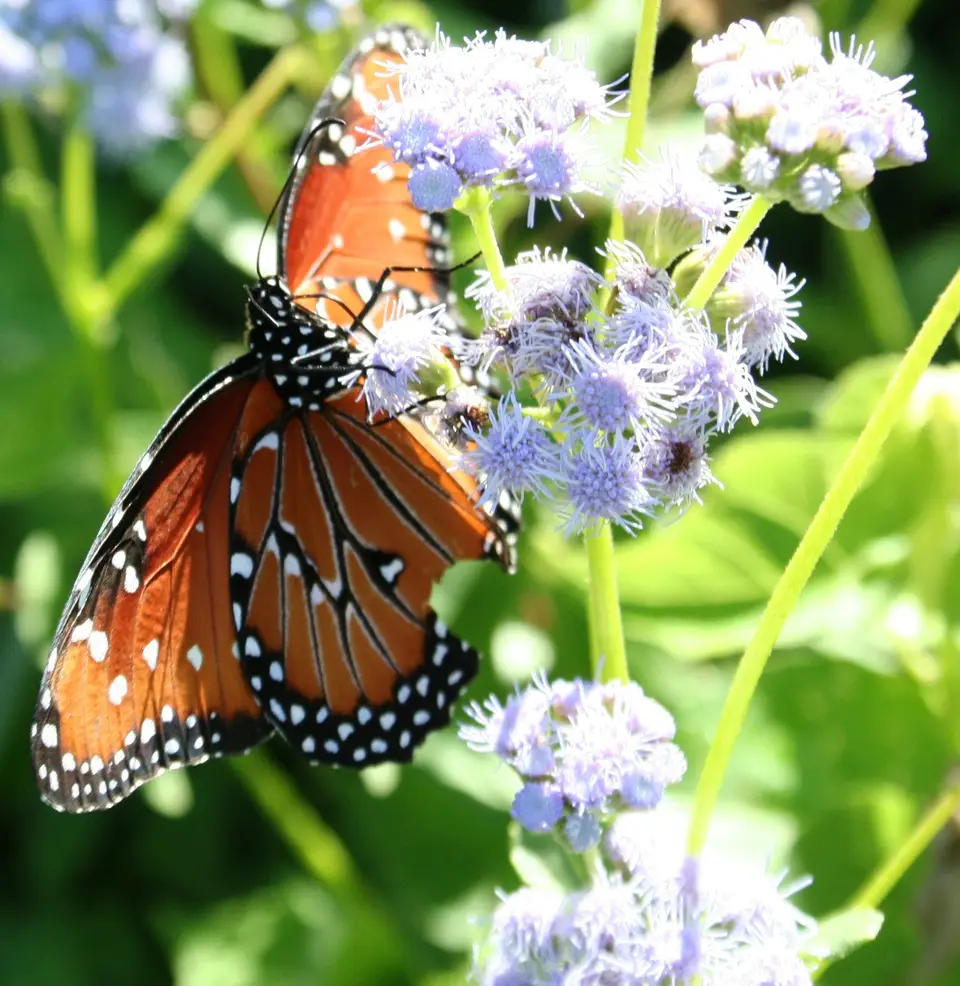
Blue Mistflower
A native perennial that erupts into clouds of soft blue-purple blooms just as fall pollinator activity peaks.