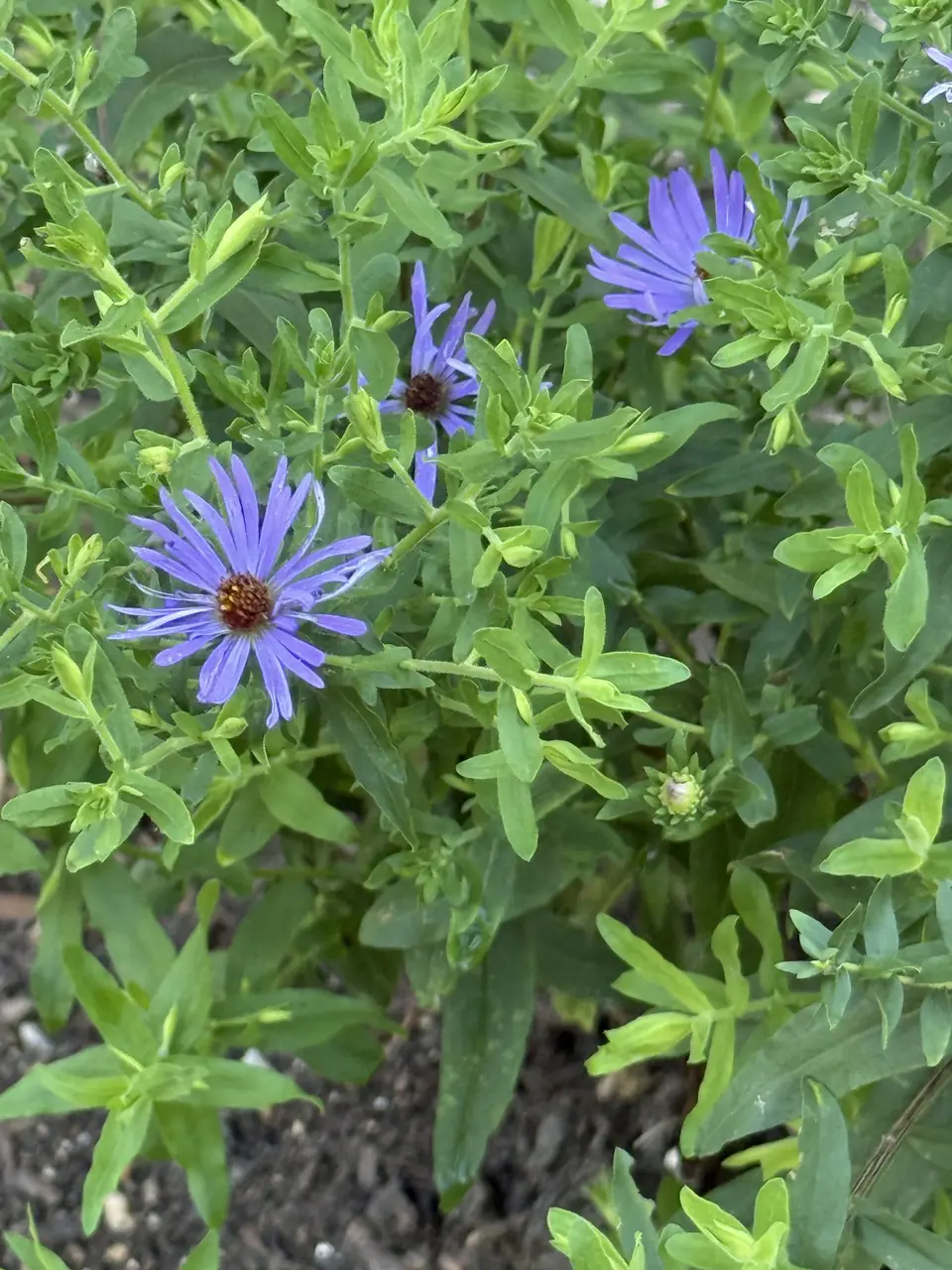
Fall Aster
Symphyotrichum oblongifolium
- Sun
- Full Sun, Part Shade
- Water
- Low, Moderate, Drought tolerant once established
- Mature size
- 1–3 ft tall x 2–3 ft wide
- Best for
- Fall Color, Pollinator Plant
Gallon — $10
About this size
- Gallon
- Our standard size: a 1-gallon nursery pot, about 6–7 inches across.
Pay at the nursery, plus 6.75% sales tax. Send your request and we'll confirm availability and your pickup time within 24 hours, then hold your plants. How it works
Planting & care
- Growth habit
- Mounded, spreading perennial
- Typical bloom
- Sep–Nov
- Cold hardy to
- Zones 3–8
- Soil
- Well-drained; thrives in poor, rocky, or clay soils
Where to plant
Full sun to part shade, with the best bloom density and most compact habit in full sun. It's adaptable to poor, rocky, or clay soil — good drainage is the main thing it needs.
Watering
Low to moderate once established. Water regularly the first season; after that, occasional deep watering during dry spells is enough.
Cutting back
Cut back by a third to a half in late May or June (the 'Chelsea chop') to keep it compact and encourage a fuller fall bloom. Avoid cutting back in fall.
About Fall Aster
If you want a Texas native that delivers a showstopper right when the rest of the garden is winding down, Fall Aster is the plant. From September through first frost, it covers itself in clouds of lavender-purple blooms with bright yellow centers — small daisy-like flowers stacked so thick that the foliage practically disappears underneath them.
The narrow, slightly rough leaves carry a mild aromatic scent when crushed, and the wiry, multi-branching stems build into a full, rounded mound over the growing season. It's one of the most visually commanding native perennials available for fall, blooming at exactly the moment when a garden most needs something to still look alive.
Native across the Southern Great Plains and south through Texas, it's built tough — handling heat, drought, rocky soil, and clay without complaint. Once established, it asks for almost nothing: a single cutback in late spring, minimal water, and no fertilizer. It dies back in winter and returns reliably every spring, slowly spreading into a fuller clump.
Butterflies and native bees treat it as a critical late-season nectar source, often covering the blooms in numbers rivaling anything seen earlier in the year — proof that a garden's best pollinator moment doesn't have to end with summer.
Where it's native
Fall Aster occurs naturally in 4 Texas ecoregions — Blackland Prairies, Cross Timbers and Prairies, Edwards Plateau, Rolling Plains. Plants grown from local ecotypes are best adapted to our soils and climate here in the Blackland Prairies.
- 1Trans-Pecos
- 2High Plains
- 3Rolling Plains
- 4Edwards Plateau
- 5Cross Timbers and Prairies
- 6South Texas Plains
- 7Blackland Prairies
- 8Post Oak Savannah
- 9Gulf Prairies and Marshes
- 10Pineywoods
Plants it grows well with
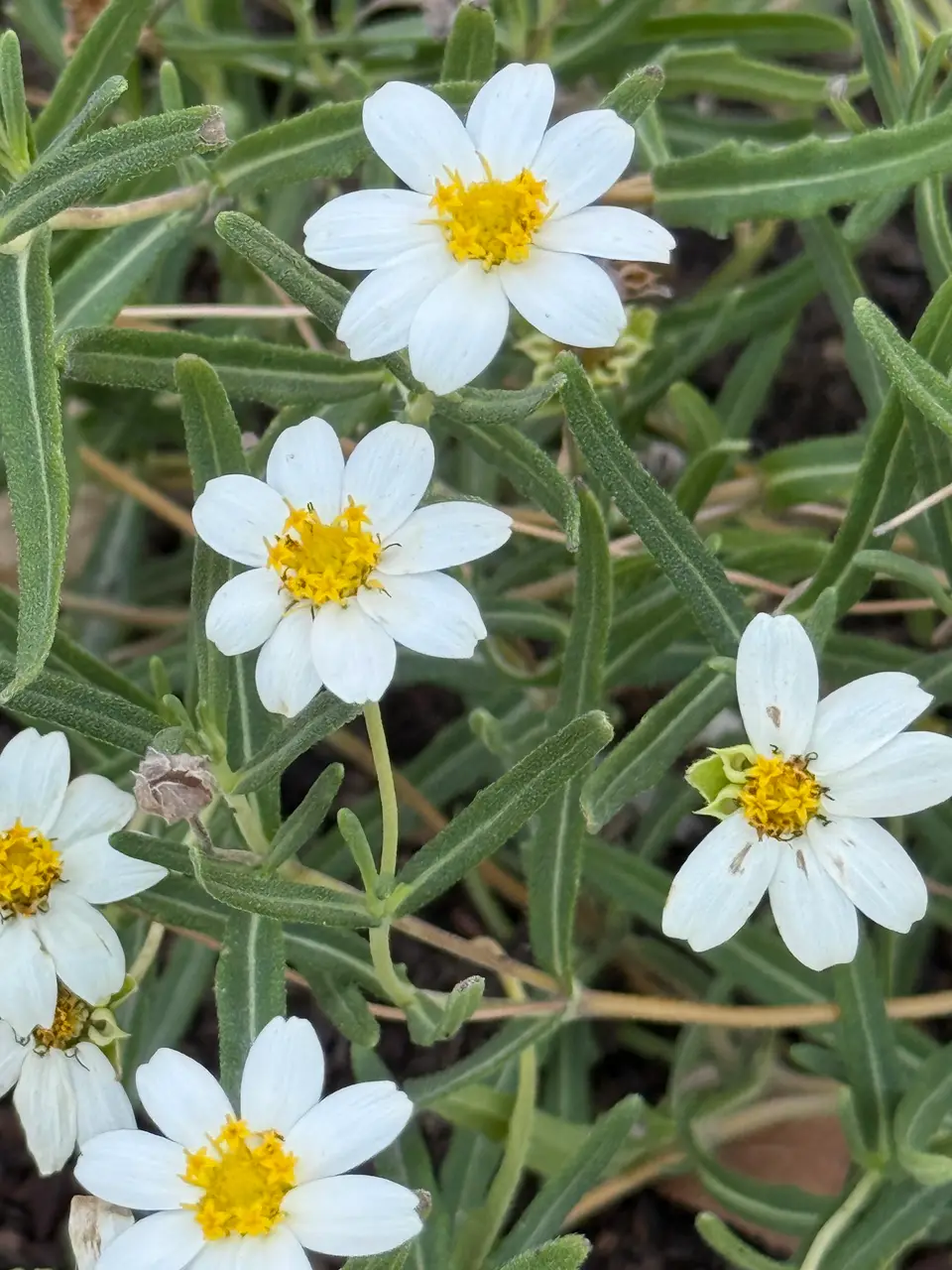
Blackfoot Daisy
A drought-proof native perennial with cheerful white, daisy-like blooms from spring through frost.
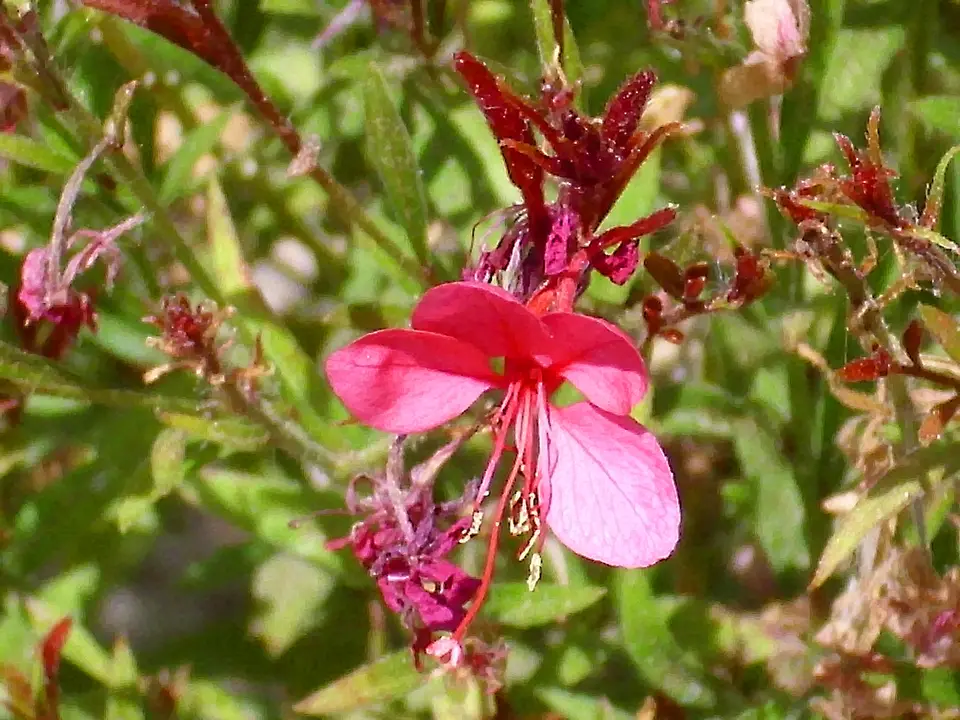
Gaura
A native perennial with airy, wand-like sprays of white and pink flowers that flutter like tiny butterflies all summer.
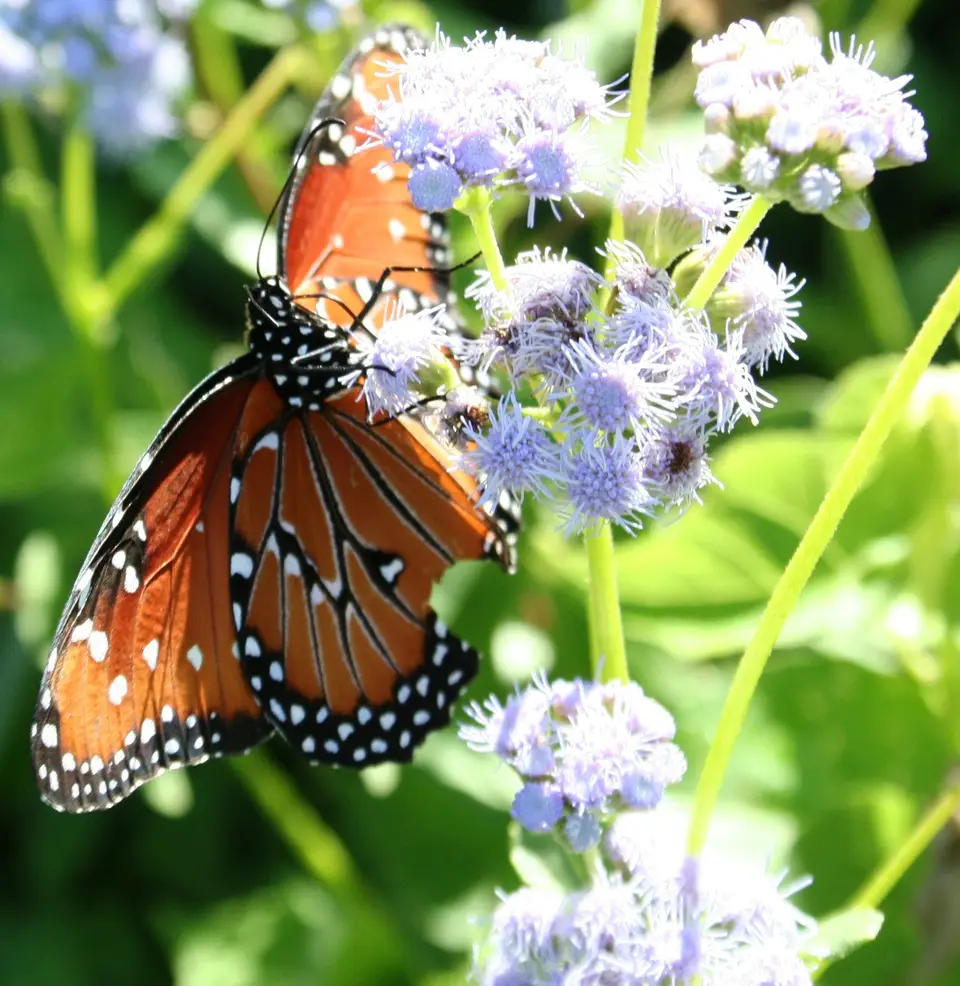
Blue Mistflower
A native perennial that erupts into clouds of soft blue-purple blooms just as fall pollinator activity peaks.