
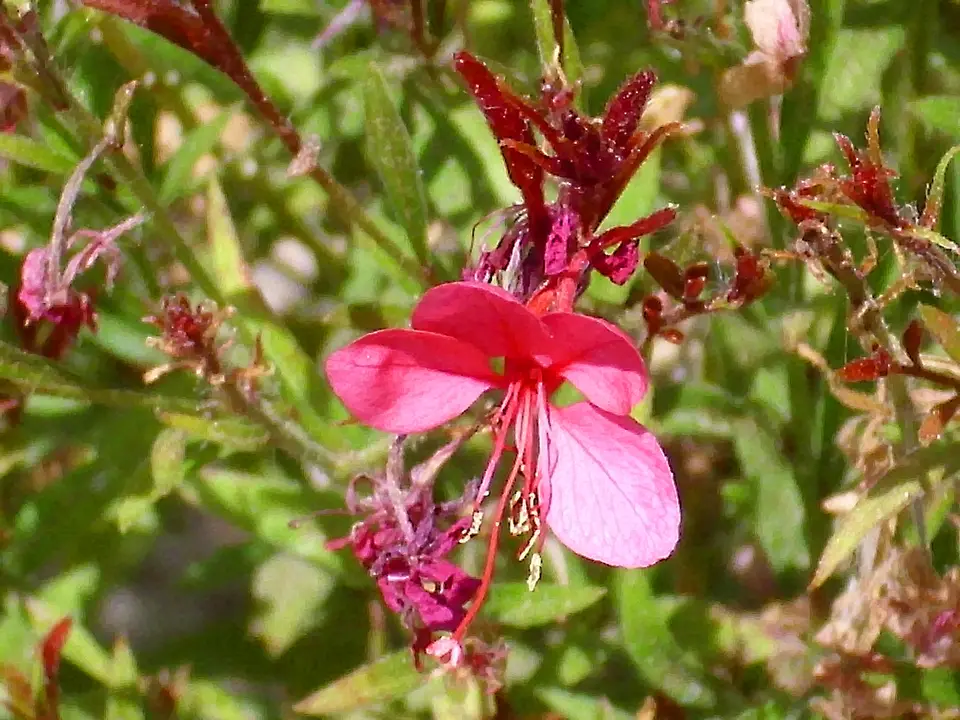
Gaura
Oenothera lindheimeri

- Sun
- Full Sun
- Water
- Low, Moderate, Drought tolerant once established
- Mature size
- 2-4 ft tall x 2-3 ft wide
- Best for
- Drought-tolerant Landscaping, Pollinator Plant
Gallon — $10
About this size
- Gallon
- Our standard size: a 1-gallon nursery pot, about 6–7 inches across.
Pay at the nursery, plus 6.75% sales tax. Send your request and we'll confirm availability and your pickup time within 24 hours, then hold your plants. How it works
Planting & care
- Growth habit
- Airy, upright, loosely branching with long flower spikes
- Typical bloom
- May–Oct
- Cold hardy to
- Zones 5–9
- Soil
- Well-drained soils; thrives in poor, sandy, or rocky soils; struggles in heavy clay without drainage
Where to plant
Full sun — best bloom density and most compact growth come with full sun, though it tolerates light afternoon shade. Well-drained soil is essential; it thrives in poor, sandy, or rocky soil and struggles in heavy clay without amendment.
Watering
Low to moderate once established. Water regularly the first season to build deep roots; after that, it's highly drought tolerant and needs little supplemental water.
Cutting back
Cut back by about a third in midsummer (July–August) to trigger a strong second bloom flush and keep it from getting leggy — this is the single biggest thing that keeps it looking good through fall.
About Gaura
If you want a plant that looks like it belongs in a cottage garden but performs like it was born in a Texas ditch, Gaura is it. Those delicate white and pink flowers dancing on long, wiry stems all summer and into fall aren't fragile — they're built for this climate. Native to Central and South Texas, it's perfectly adapted to the heat, drought, and alkaline soils that defeat most ornamental perennials.
Each flower has four asymmetrical petals that give it a distinctive, fluttering, butterfly-like appearance in even the slightest breeze — the source of its "Whirling Butterflies" nickname. The plant forms a basal rosette with tall, loosely branching flower stems that arch gracefully rather than standing stiffly upright, giving it a soft, airy presence that pairs beautifully with bolder-textured neighbors.
What makes it one of the strongest plants for North Texas is how little it asks in return. Once established, it takes care of itself. The long bloom season, May straight through October, means it earns its spot in the landscape every single week, drawing bees, butterflies, and hummingbirds from first flower to last.
It looks like a luxury plant but asks almost nothing from the gardener — exactly the kind of quiet, reliable performer that makes a native bed feel effortless.
Where it's native
Gaura occurs naturally in 4 Texas ecoregions — Gulf Prairies and Marshes, Post Oak Savannah, Blackland Prairies, Cross Timbers and Prairies. Plants grown from local ecotypes are best adapted to our soils and climate here in the Blackland Prairies.
- 1Trans-Pecos
- 2High Plains
- 3Rolling Plains
- 4Edwards Plateau
- 5Cross Timbers and Prairies
- 6South Texas Plains
- 7Blackland Prairies
- 8Post Oak Savannah
- 9Gulf Prairies and Marshes
- 10Pineywoods
Plants it grows well with
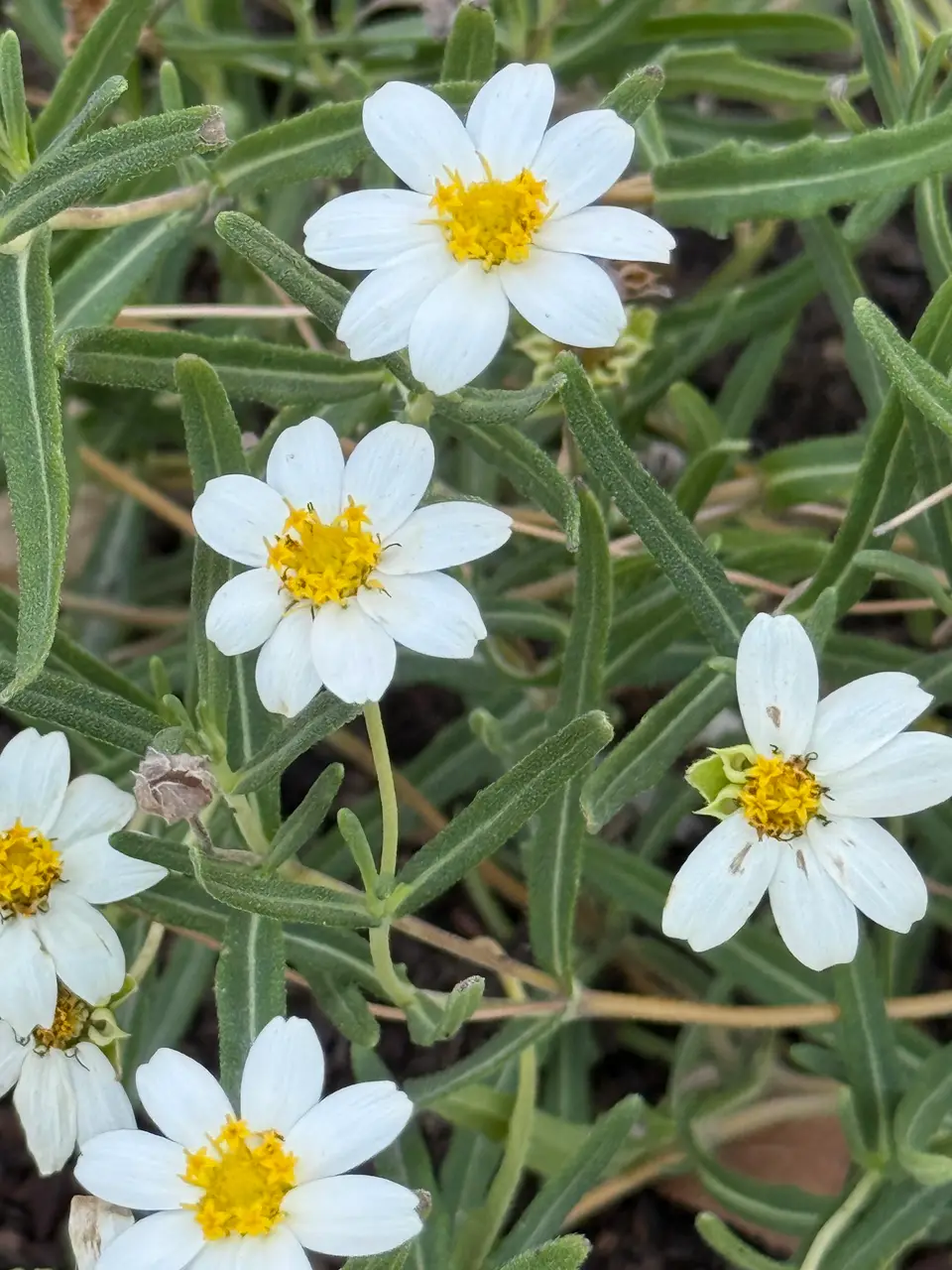
Blackfoot Daisy
A drought-proof native perennial with cheerful white, daisy-like blooms from spring through frost.
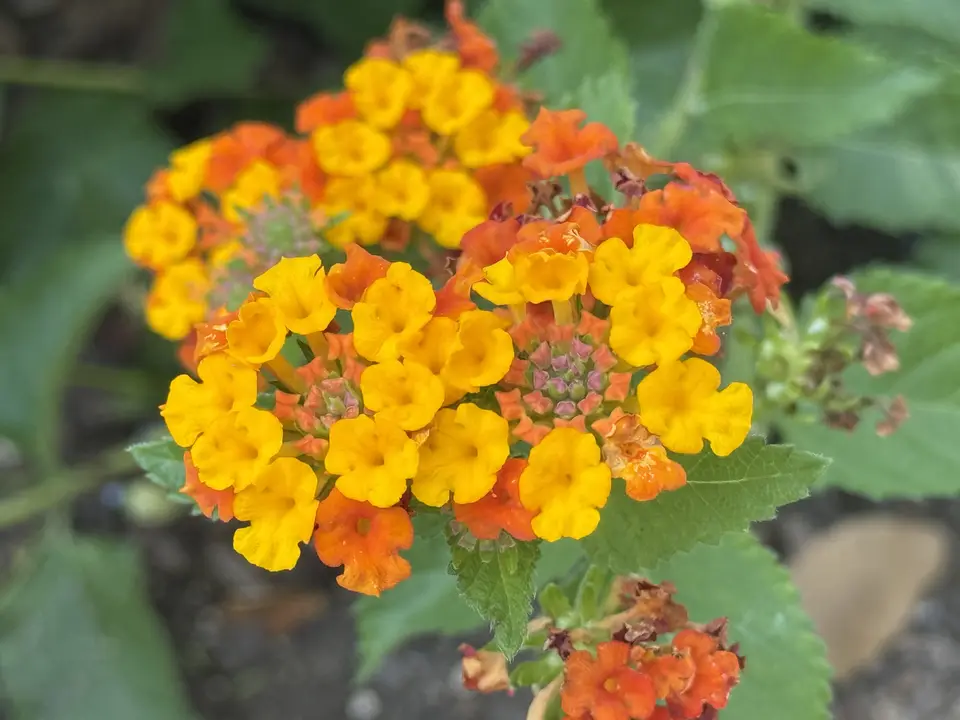
Texas Lantana
A tough, long-blooming native shrub with multi-colored flower clusters that draw butterflies from May through frost.
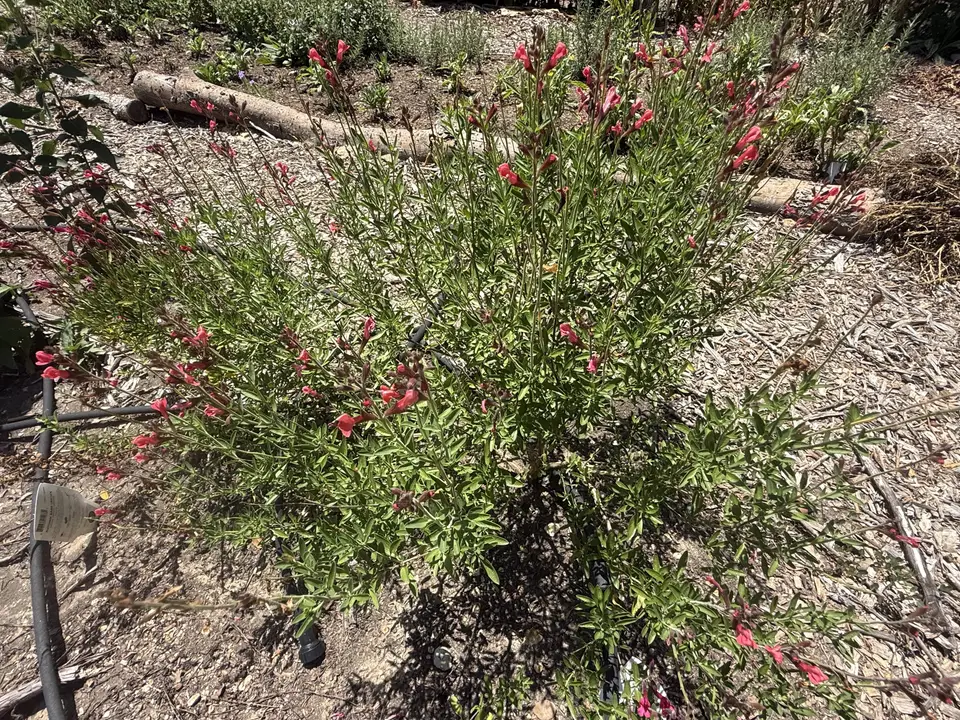
Autumn Sage
A compact, drought-tolerant native shrub that blooms nearly year-round in reds, corals, pinks, and whites.
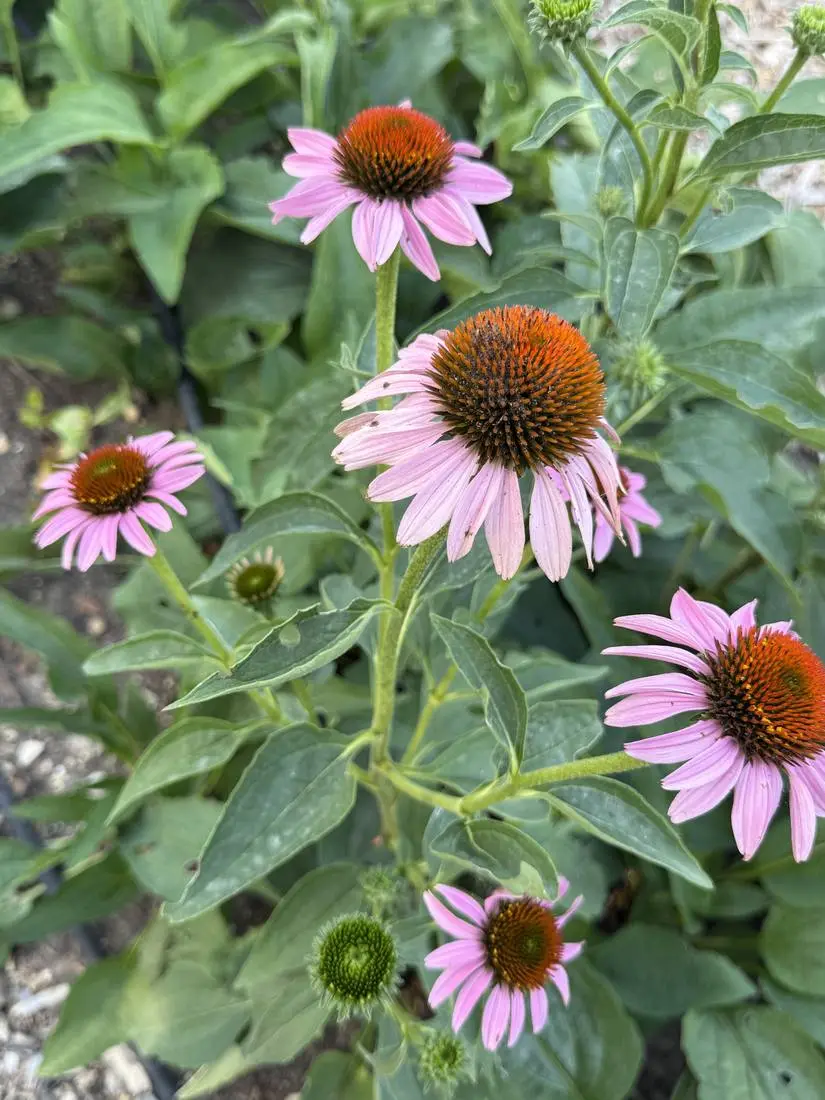
Echinacea purpurea
The classic native prairie coneflower — a long-blooming, pollinator-magnet perennial with a well-known medicinal reputation.