
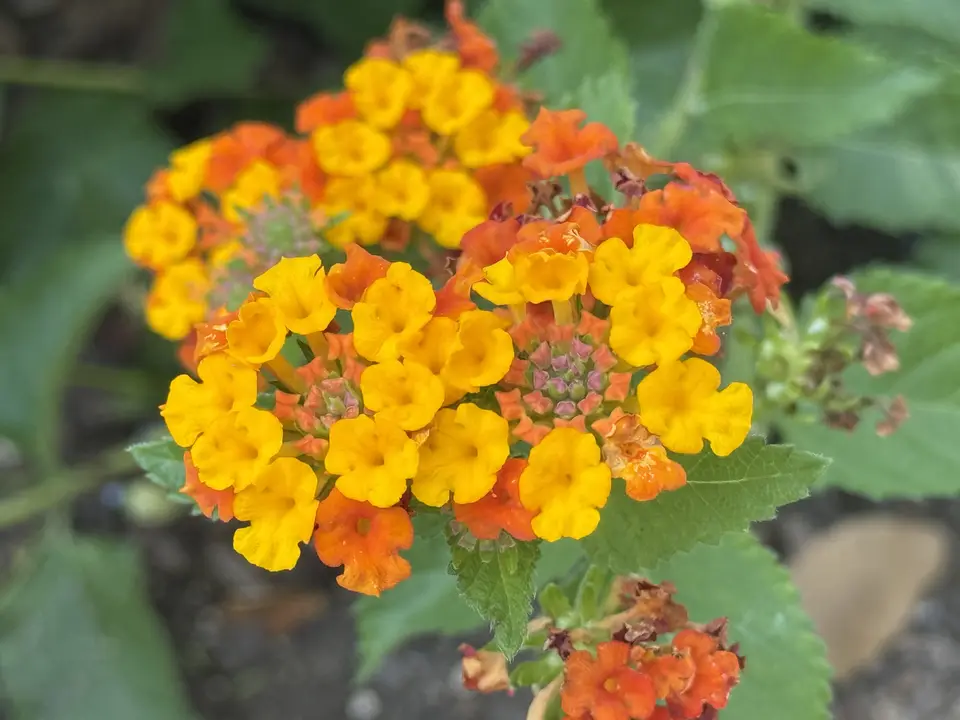
Texas Lantana
Lantana urticoides (syn. Lantana horrida)

- Sun
- Full Sun
- Water
- Low, Moderate
- Mature size
- 3–6 ft tall × 3–6 ft wide
- Best for
- Pollinator Plant, Drought-tolerant Landscaping, Low maintenance
Gallon — $10
About this size
- Gallon
- Our standard size: a 1-gallon nursery pot, about 6–7 inches across.
Pay at the nursery, plus 6.75% sales tax. Send your request and we'll confirm availability and your pickup time within 24 hours, then hold your plants. How it works
Planting & care
- Growth habit
- Mounding, spreading shrub
- Typical bloom
- May–Nov
- Cold hardy to
- Zones 7–9
- Soil
- Well-drained soil; tolerates poor, rocky, sandy, and clay soils
Where to plant
Full sun — at least 6–8 hours of direct sun; this is non-negotiable. Plants in shade stretch, thin out, and bloom poorly. It's adaptable to poor, rocky, sandy, or clay soil, and prefers well-drained conditions.
Watering
Water regularly the first 4–6 weeks after planting to establish roots. After that, very little supplemental water is needed — overwatering and poor drainage are the most common ways to lose this plant.
Cutting back
Cut back hard, to 6–12 inches from the ground, in late winter just before new growth begins, typically late February in North Texas. This is the one annual task that keeps the plant vigorous and full. Don't panic if it looks dead in February — wait for warm soil and new growth will emerge.
About Texas Lantana
If you want one plant that blooms from late May through the first hard frost, brings every butterfly in the neighborhood to the yard, and doesn't need watering once it's in the ground, Texas Lantana is the one. Swallowtails, monarchs, queens, fritillaries, sulfurs, skippers, and painted ladies have all been seen working the same plant at the same time. Add hummingbirds in late summer and mockingbirds eating the berries in fall, and this is a five-month wildlife event in a single shrub.
Rough-textured, strongly aromatic leaves cover a mounding, spreading shrub, and small tubular flowers cluster in flat-topped umbels that age from yellow through orange to red, giving each cluster its signature multi-colored look.
This is the native species, the real one that evolved here. That matters in two ways. First, it's adapted to North Texas conditions at a level cultivated non-native lantana varieties can't match: the heat, the clay, the rocky alkaline soil, the drought, the hard winters. Second, as a true Texas native, it has ecological relationships with native pollinators that non-native cultivars don't fully replicate.
In the landscape, it forms a mounding shrub 3 to 6 feet across, covered in flowers through the entire warm season. Full sun, decent drainage, and very little water after the first season. Cut it back hard in late winter and it re-sprouts full and vigorous every spring. Deer don't touch it — the aromatic foliage is too much for them.
Where it's native
Texas Lantana occurs naturally in 5 Texas ecoregions — Edwards Plateau, South Texas Plains, Blackland Prairies, Cross Timbers and Prairies, Post Oak Savannah. Plants grown from local ecotypes are best adapted to our soils and climate here in the Blackland Prairies.
- 1Trans-Pecos
- 2High Plains
- 3Rolling Plains
- 4Edwards Plateau
- 5Cross Timbers and Prairies
- 6South Texas Plains
- 7Blackland Prairies
- 8Post Oak Savannah
- 9Gulf Prairies and Marshes
- 10Pineywoods
Plants it grows well with
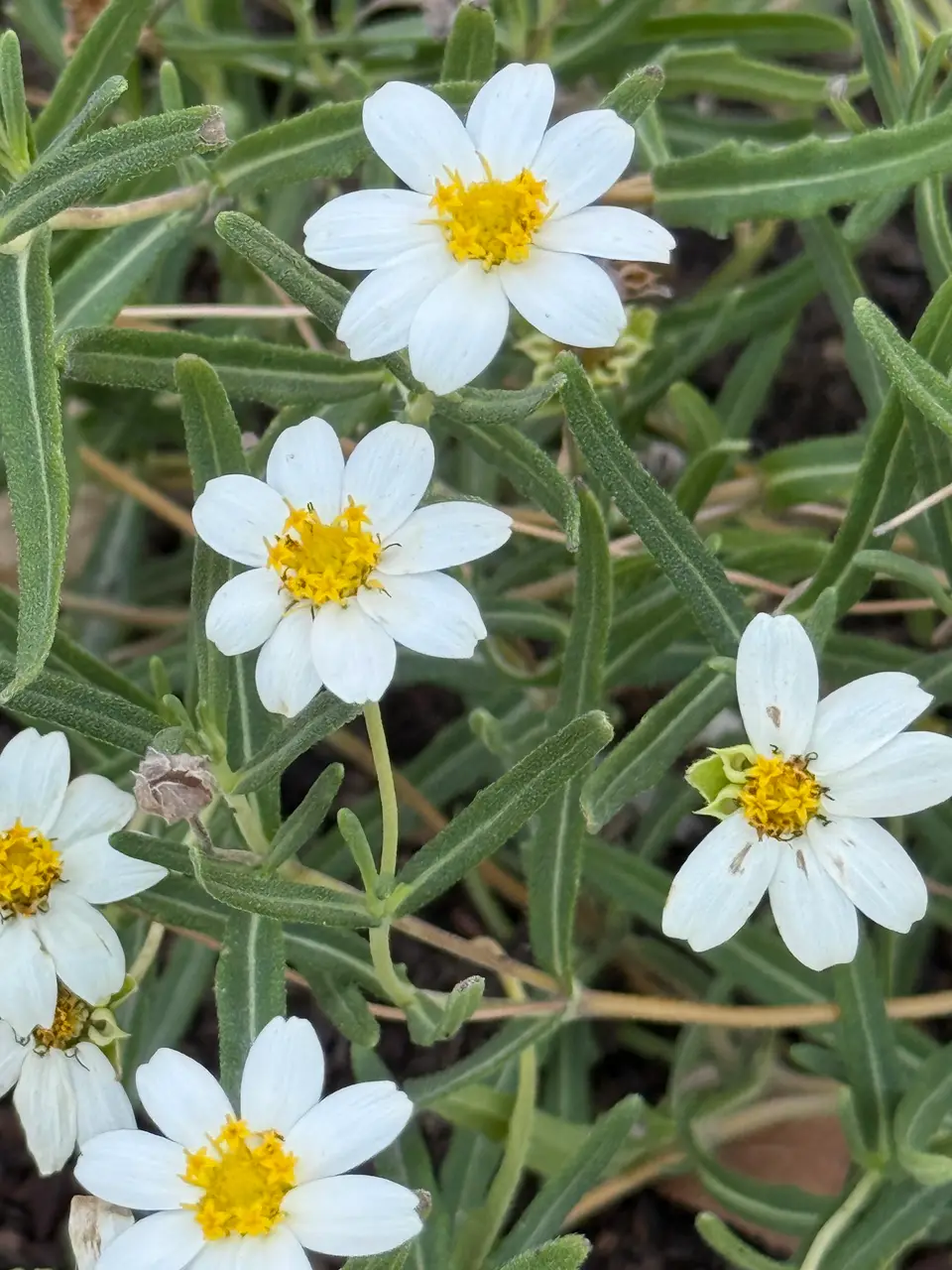
Blackfoot Daisy
A drought-proof native perennial with cheerful white, daisy-like blooms from spring through frost.
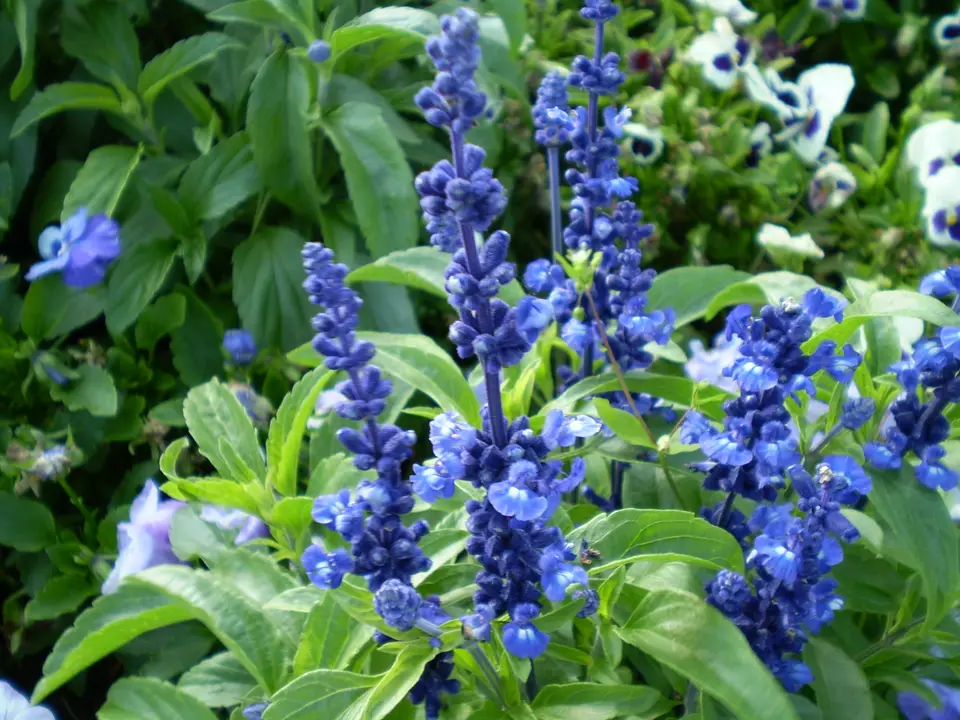
Mealy Blue Sage
A native blue-violet sage with a long bloom season and one of the best pollinator draws in North Texas.
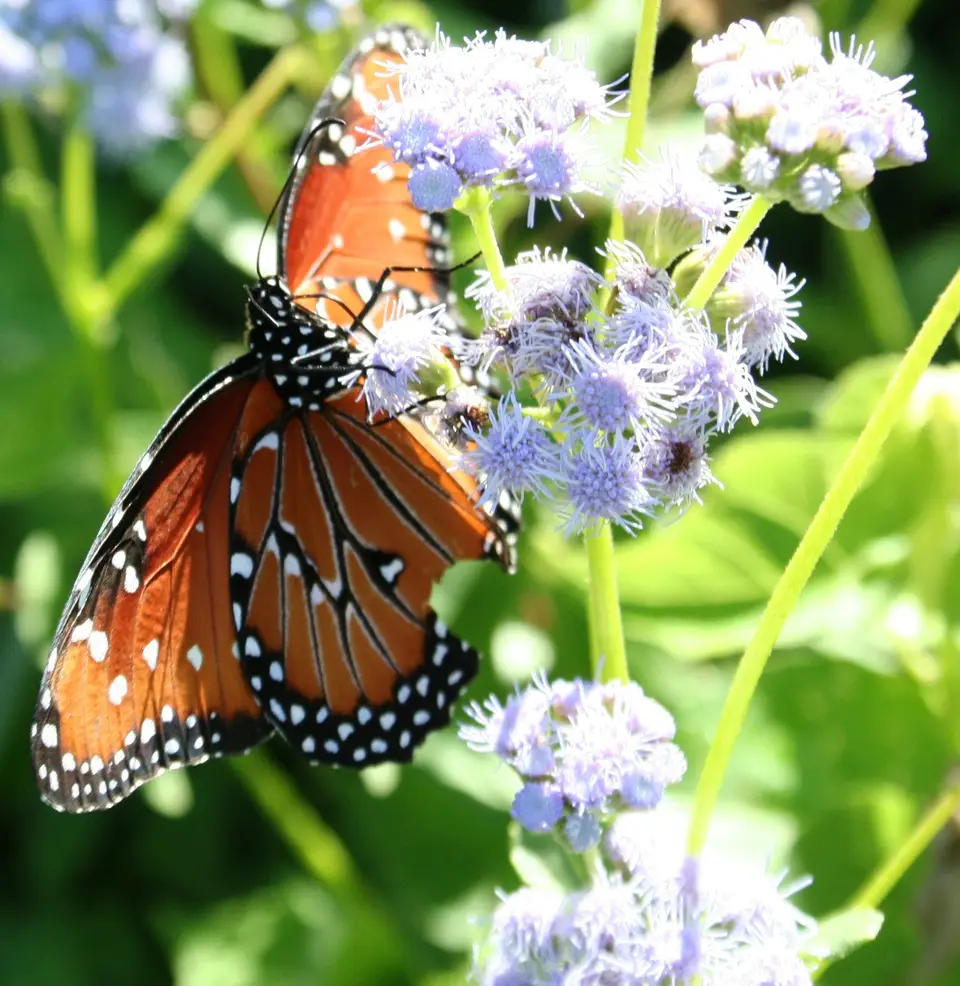
Blue Mistflower
A native perennial that erupts into clouds of soft blue-purple blooms just as fall pollinator activity peaks.
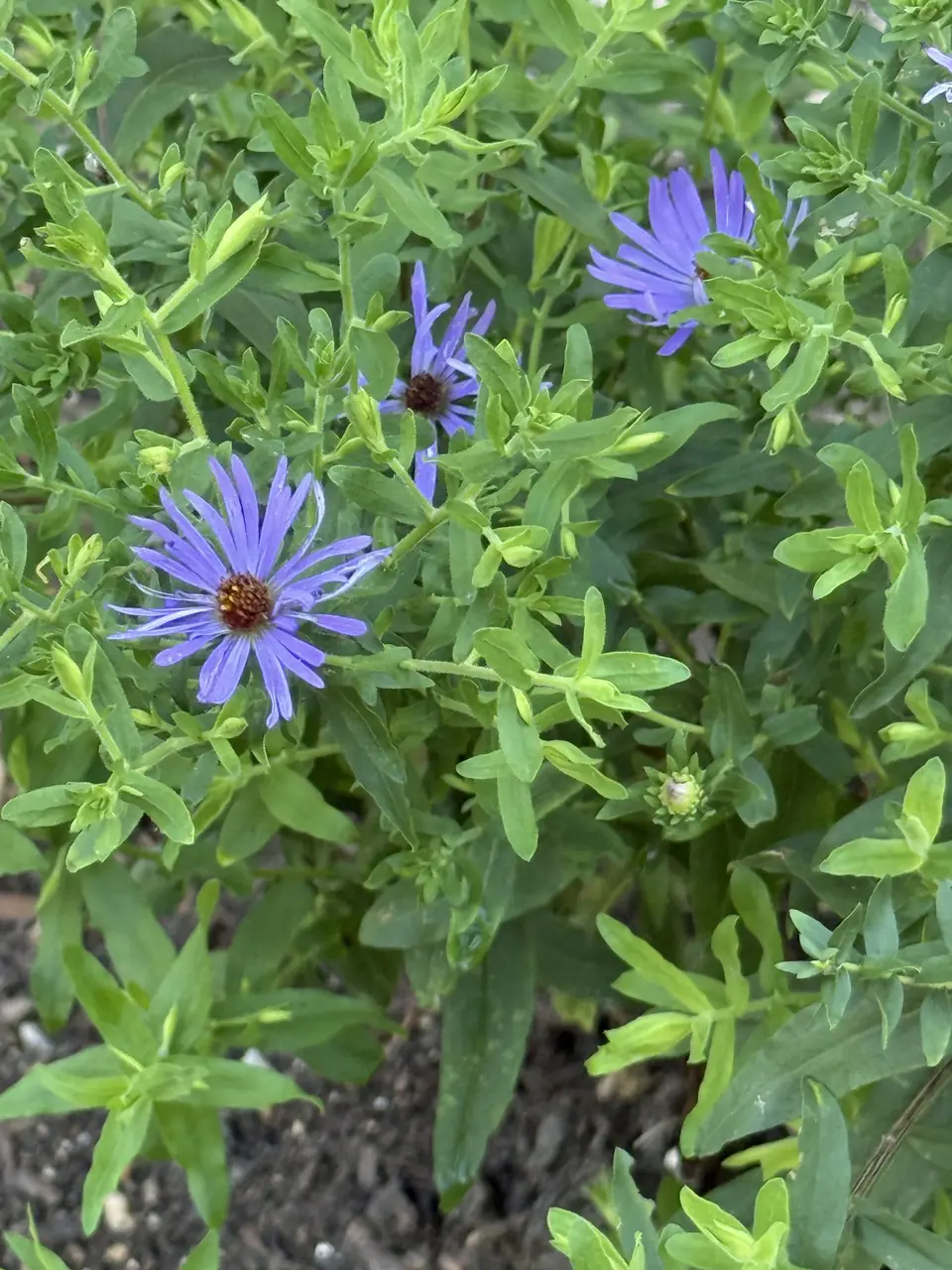
Fall Aster
A native fall-blooming perennial that covers itself in lavender-purple flowers just as everything else fades.