Blue Mistflower
Conoclinium coelestinum
- Sun
- Full Sun, Part Shade
- Water
- Moderate, High, Prefers moist well drained soil
- Mature size
- 1.5–3 ft tall x 2–5 ft spreading colonies
- Best for
- Pollinator Plant, Woodland Edge, Erosion Control, Hummingbird attractor
Gallon — $10
About this size
- Gallon
- Our standard size: a 1-gallon nursery pot, about 6–7 inches across.
Pay at the nursery, plus 6.75% sales tax. Send your request and we'll confirm availability and your pickup time within 24 hours, then hold your plants. How it works
Planting & care
- Growth habit
- Clump-forming but aggressively spreading through rhizomes into colonies
- Typical bloom
- Jul–Oct
- Cold hardy to
- Zones 5–10
- Soil
- Adaptable to clay, loam, and sandy soils with decent organic matter. Prefers slightly acidic to neutral pH (~6.0–7.2). Performs especially well in richer woodland-edge soils and low-lying moisture-retentive areas.
Where to plant
Full sun to part shade, in soil that holds a bit of moisture. It's adaptable to clay, loam, or sandy soil with some organic matter.
Watering
Water regularly, especially through summer heat — this one performs best without long dry spells, though it becomes more resilient once established.
Cutting back
Cut back to the ground in late winter. An optional light shear in early summer keeps it bushier and more compact. Divide every 2–3 years to keep it vigorous and to create new plants.
About Blue Mistflower
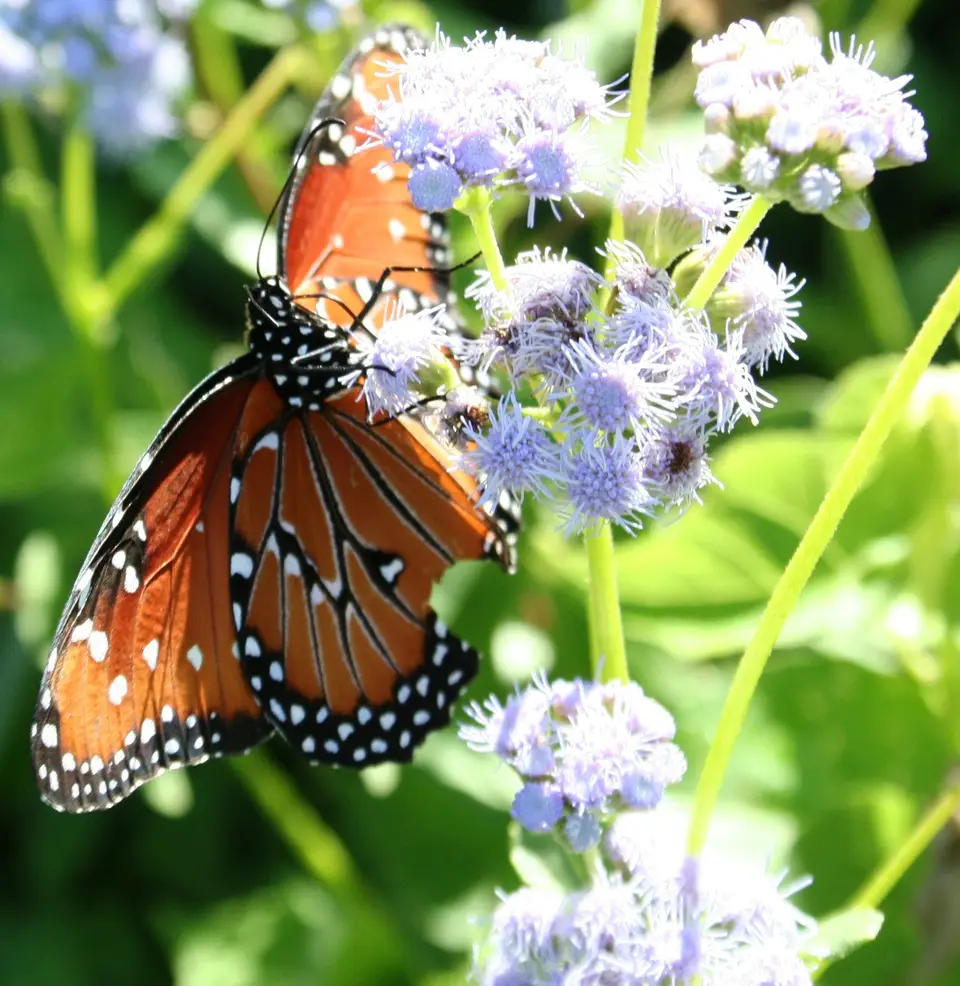
Something almost magical happens around the third week of September wherever Blue Mistflower grows. After quietly building all summer as an unassuming green mound, it suddenly opens dense, fluffy clusters of soft lavender-blue flowers across every branch tip — and the butterflies arrive. Queens, monarchs, swallowtails, and sulfurs can cover a healthy colony almost all at once on a warm fall afternoon, turning the whole planting into a moving mosaic of wings.
The color is genuinely unusual for a native perennial — a soft, hazy blue-purple that photographs beautifully and stands out against the golds and oranges that dominate most fall gardens. Opposite, triangular leaves with coarsely toothed edges fill out the plant through summer, giving it a full, leafy presence even before the blooms arrive.
It spreads gradually by underground rhizomes into lush, naturalistic colonies, handling clay soil and North Texas heat well as long as it gets consistent moisture. Rather than staying confined to a tidy clump, it fills in a bed or woodland edge over a few seasons, creating an increasingly dramatic display each fall.
It blooms from July through the first hard frost — often not until November here — making it one of the most rewarding native plants to have when everything else is winding down for the year.
Where it's native
Blue Mistflower occurs naturally in 5 Texas ecoregions — Pineywoods, Post Oak Savannah, Blackland Prairies, Gulf Prairies and Marshes, Cross Timbers and Prairies. Plants grown from local ecotypes are best adapted to our soils and climate here in the Blackland Prairies.
- 1Trans-Pecos
- 2High Plains
- 3Rolling Plains
- 4Edwards Plateau
- 5Cross Timbers and Prairies
- 6South Texas Plains
- 7Blackland Prairies
- 8Post Oak Savannah
- 9Gulf Prairies and Marshes
- 10Pineywoods
Plants it grows well with
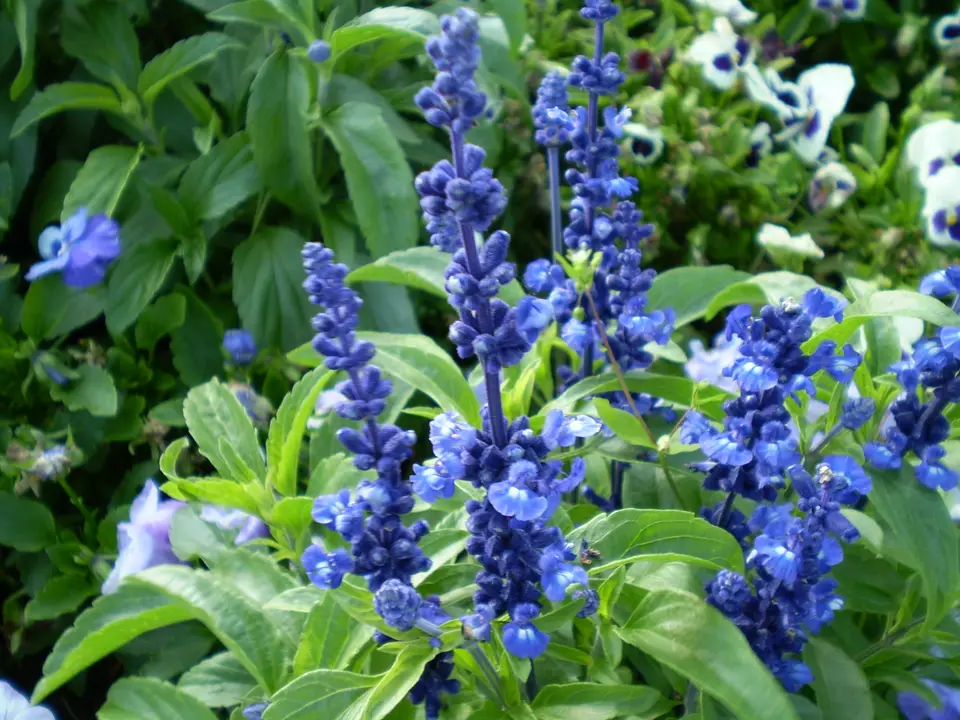
Mealy Blue Sage
A native blue-violet sage with a long bloom season and one of the best pollinator draws in North Texas.
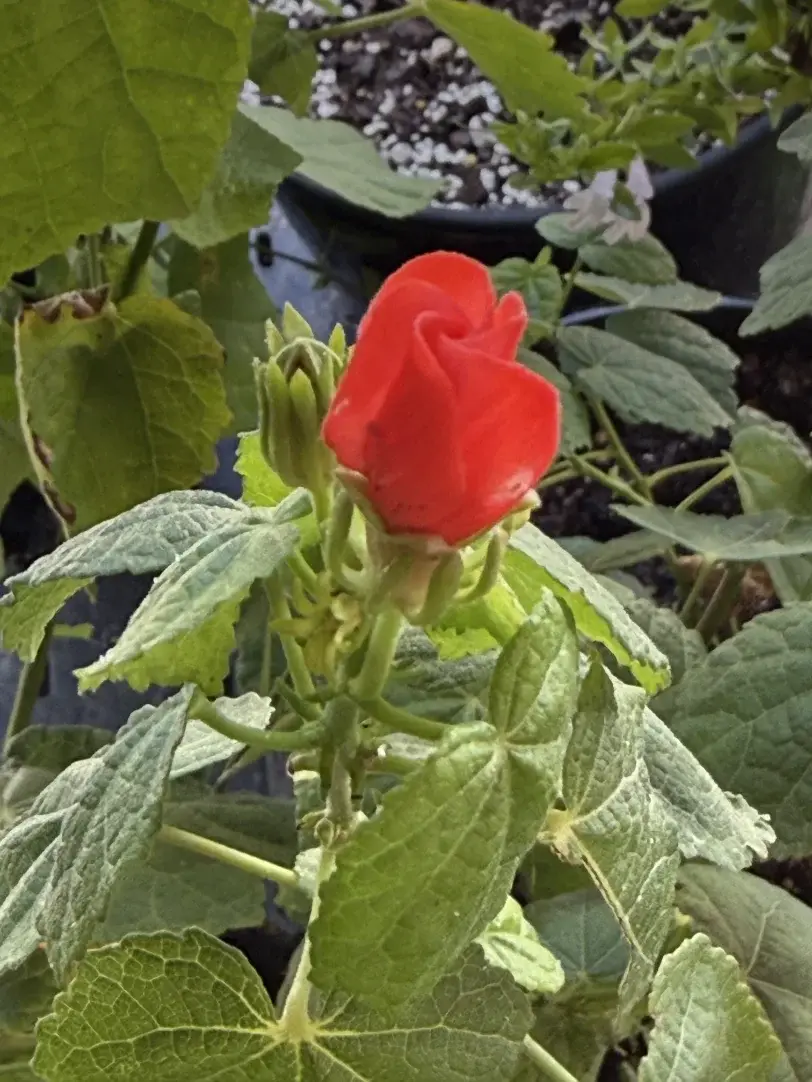
Turk’s Cap
A shade-loving native perennial with distinctive spiraled red blooms that flower nonstop from late spring through fall.
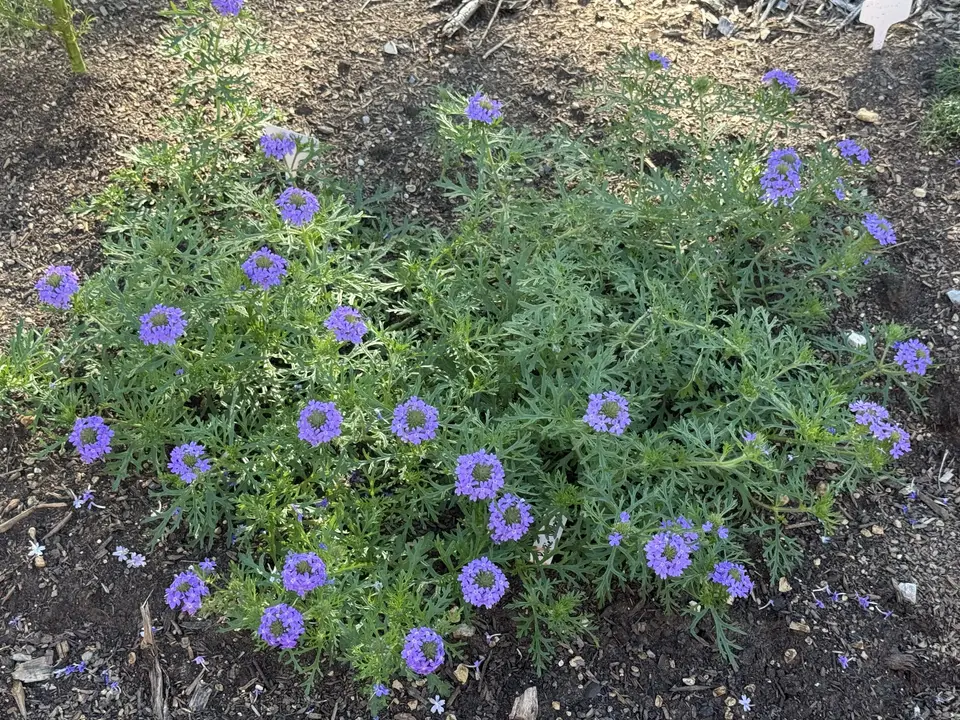
Prairie Verbena
A fast-spreading native groundcover with bright purple blooms that opens the pollinator season each spring.
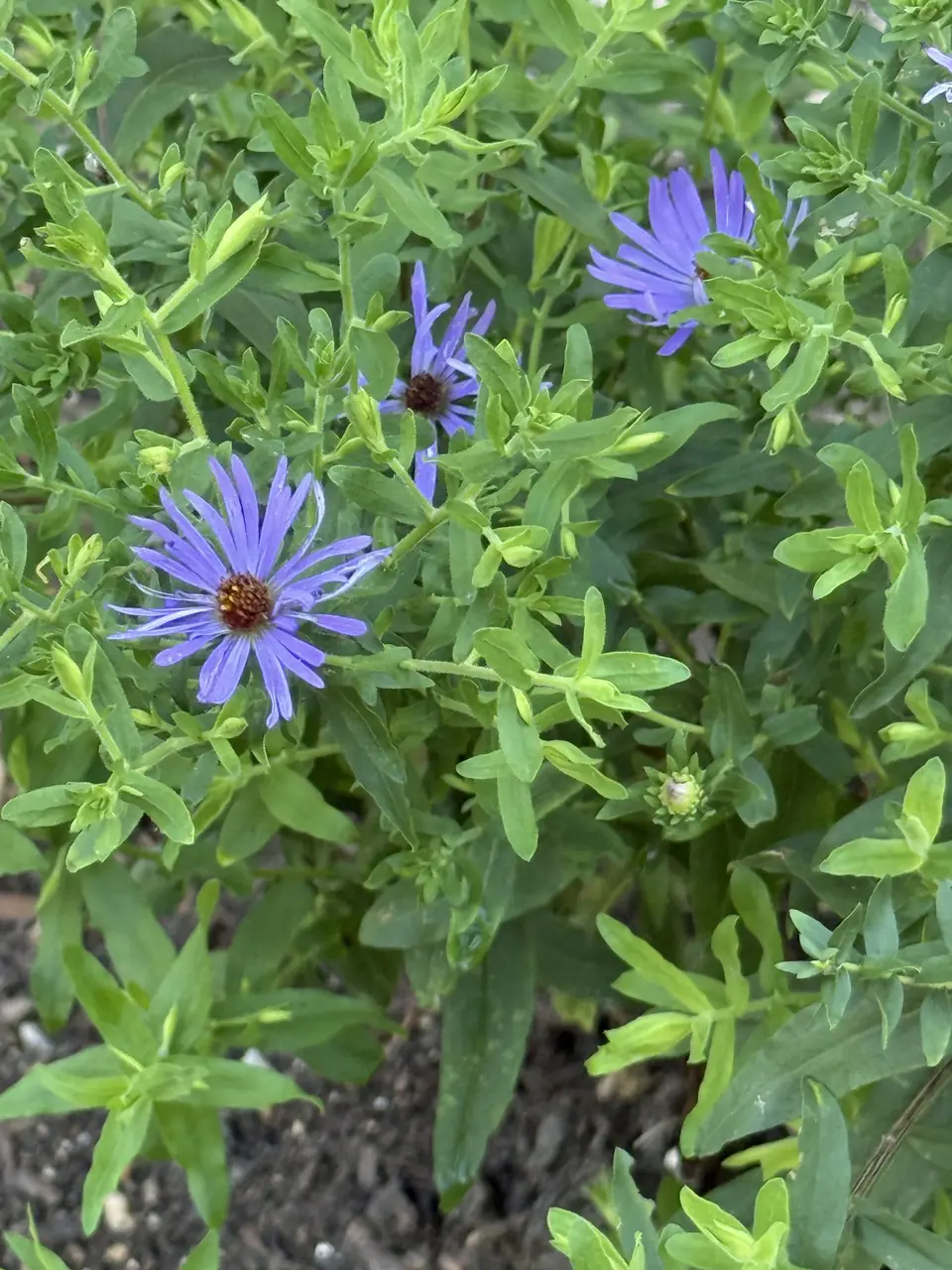
Fall Aster
A native fall-blooming perennial that covers itself in lavender-purple flowers just as everything else fades.
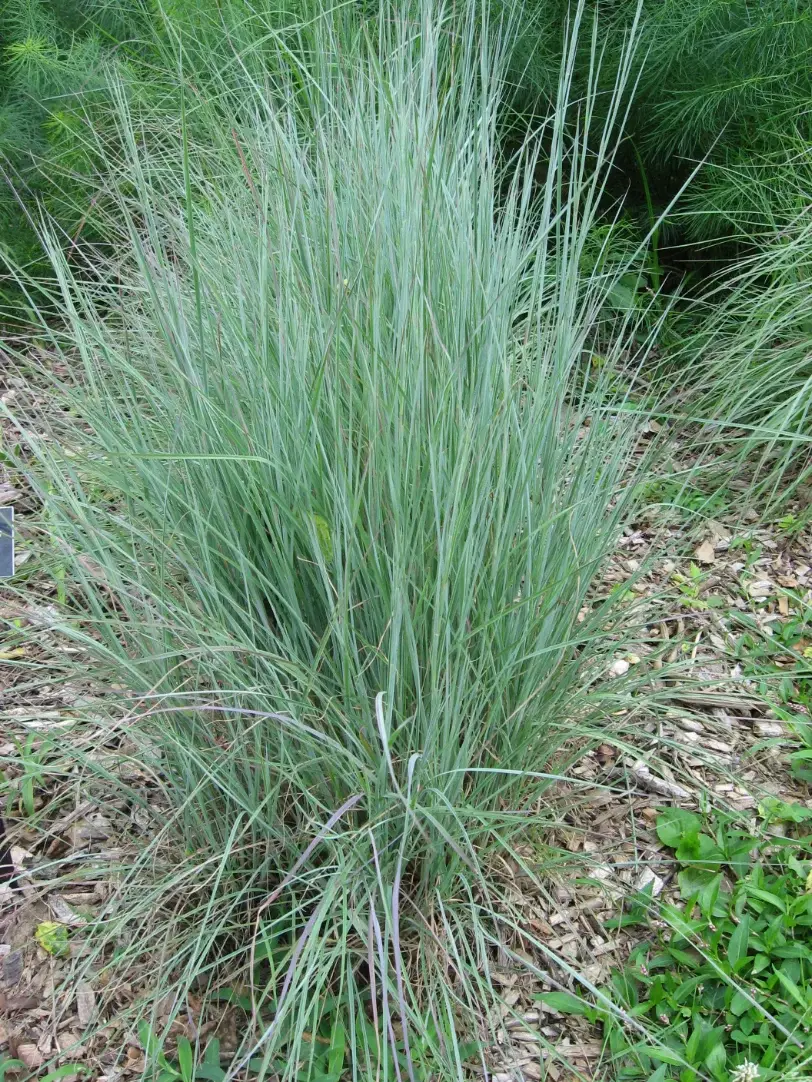
Little Bluestem
A native prairie grass with striking fall color that shifts from blue-green to fiery red and copper.