
Texas Sage
Leucophyllum frutescens

- Sun
- Full Sun
- Water
- Low, Drought tolerant once established
- Mature size
- 5–8 ft tall with similar spread; compact cultivars stay 2–4 ft
- Best for
- Drought-tolerant Landscaping, Native ecosystem plant, Natural hedge, Low maintenance
2 Gallon — $20 — only 2 left
About this size
- 2 Gallon
- A larger, more established plant — more size and root system from day one.
Pay at the nursery, plus 6.75% sales tax. Send your request and we'll confirm availability and your pickup time within 24 hours, then hold your plants. How it works
Planting & care
- Growth habit
- Compact but loosely branched, rounded shrub; naturally forms an informal mound and sprawls with age unless pruned; multi-stemmed from the base
- Typical bloom
- Jun–Oct
- Cold hardy to
- Zones 8–10
- Soil
- Well-drained, gravelly or rocky, alkaline soil with low organic content; limestone/caliche tolerant; does not want rich, fertile soil — sharp drainage is essential
Where to plant
Full sun — needed for compact growth, silver foliage color, and reliable bloom. It wants well-drained, gravelly or rocky, alkaline soil; sharp drainage matters more than soil richness, and rich or heavily amended soil causes floppy growth and fewer blooms.
Watering
Low. Deep water about once a month once established, and let the soil dry out completely between waterings — this plant would rather be too dry than too wet.
Cutting back
Prune lightly in late winter, before new flower buds form, removing no more than a third of the top growth. Use hand pruners, not shears — flowers form on new growth, and shearing into a formal hedge shape will noticeably reduce bloom.
About Texas Sage
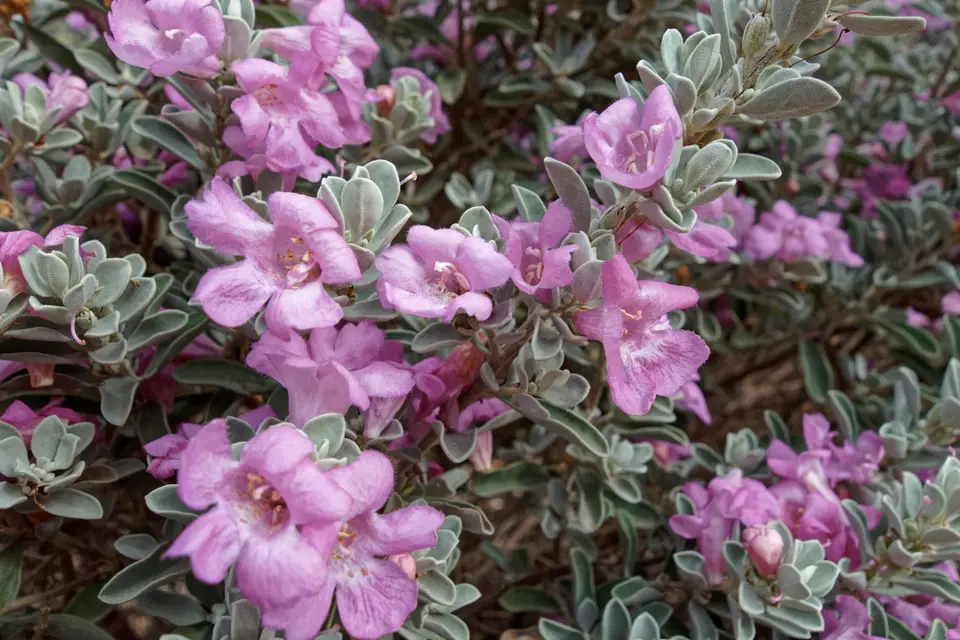
If a plant that thrives on neglect is what's needed, this is the one. Texas Sage is a tough, silver-leaved shrub that shrugs off drought, blazing heat, and poor rocky soil — the harder the conditions, the better it seems to do. Then, right after a good rain, it explodes into a flush of purple, lavender, or pink blooms almost overnight, which is exactly why old-timers call it the "barometer bush." It does that again and again through summer and fall, every time the humidity rises.
Dense, silvery-gray, felted leaves cover slender woody branches, giving the whole shrub a soft, silvery texture that holds up year-round since it's evergreen.
This is a true Texas native, right at home from the Rio Grande Plains through the Trans-Pecos and into the Edwards Plateau, and it's one of the most deer-resistant shrubs available — a real selling point for rural and suburban customers alike. Give it full sun and fast-draining soil, and it asks for almost nothing else: no regular fertilizing, minimal watering once established, and only a light prune once a year.
Whether it's going in as a hedge, a foundation planting, or a stand-alone accent in a xeriscape bed, Texas Sage delivers silver-gray texture year-round and a genuine wow moment every time it rains.
Where it's native
Texas Sage occurs naturally in 3 Texas ecoregions — South Texas Plains, Trans-Pecos, Edwards Plateau. Plants grown from local ecotypes are best adapted to our soils and climate here in the blackland prairie and post oak savannah.
- 1Trans-Pecos
- 2High Plains
- 3Rolling Plains
- 4Edwards Plateau
- 5Cross Timbers and Prairies
- 6South Texas Plains
- 7Blackland Prairies
- 8Post Oak Savannah
- 9Gulf Prairies and Marshes
- 10Pineywoods
Plants it grows well with
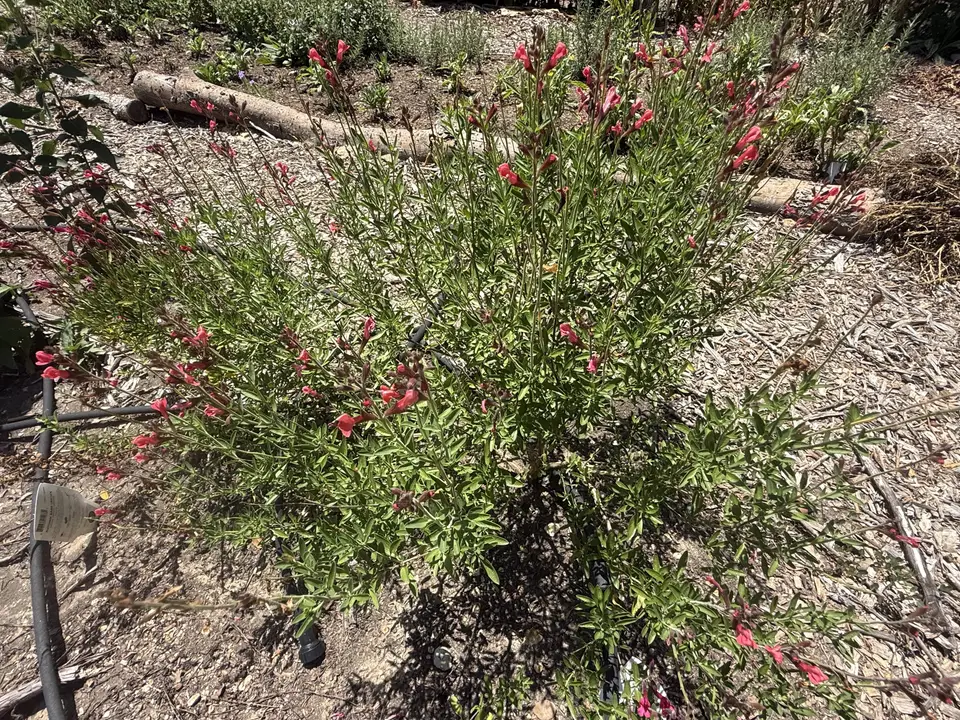
Autumn Sage
A compact, drought-tolerant native shrub that blooms nearly year-round in reds, corals, pinks, and whites.
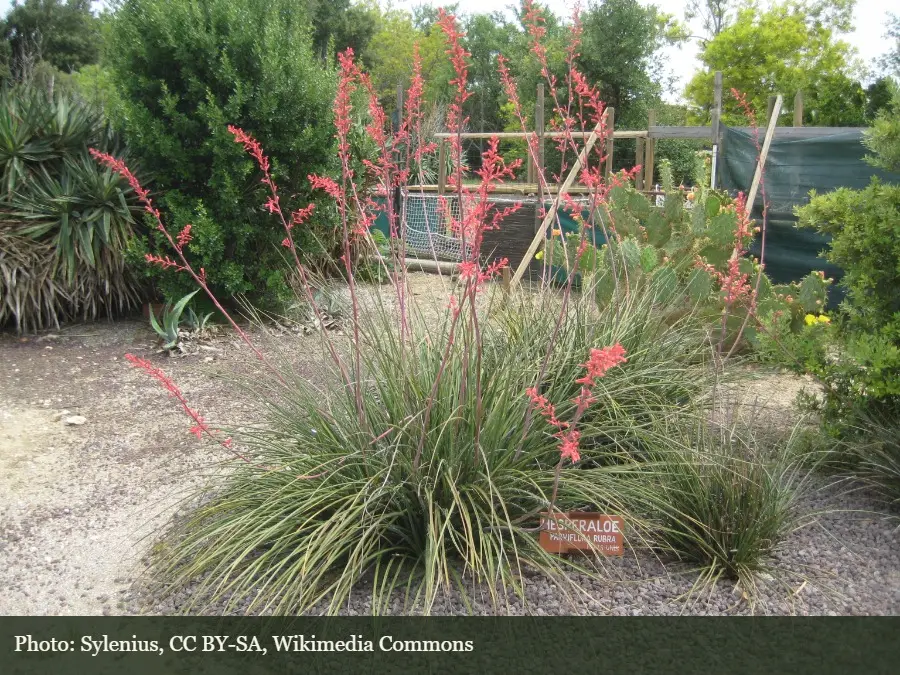
Red Yucca
A soft-leaved, drought-proof native accent plant with towering coral-red blooms that hummingbirds visit all season.
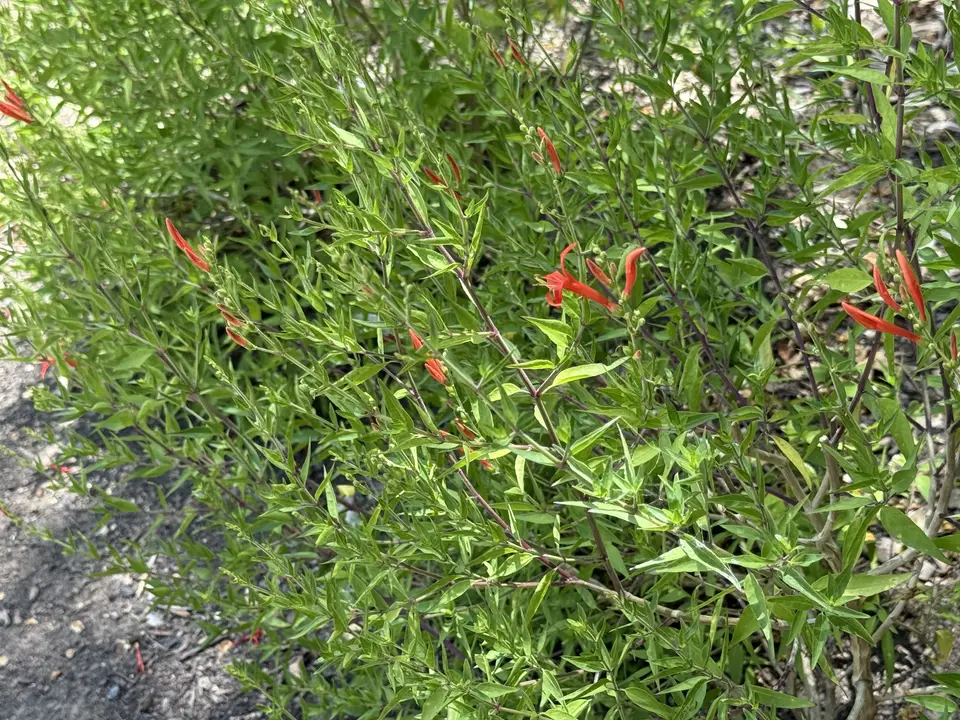
Flame Acanthus
A Texas native hummingbird magnet with brilliant orange-red tubular blooms from late spring through fall.
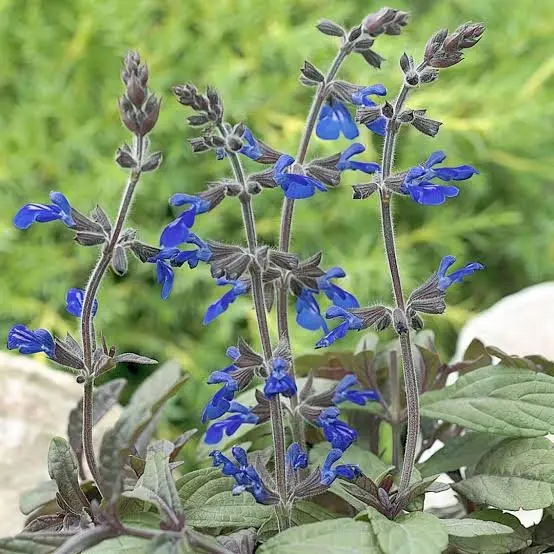
Bicolor Salvia
Bicolor salvia is a low, spreading sage with dark green leaves and deep blue-violet flowers from spring through fall. Bees and hummingbirds visit the blooms, and deer generally leave it alone.
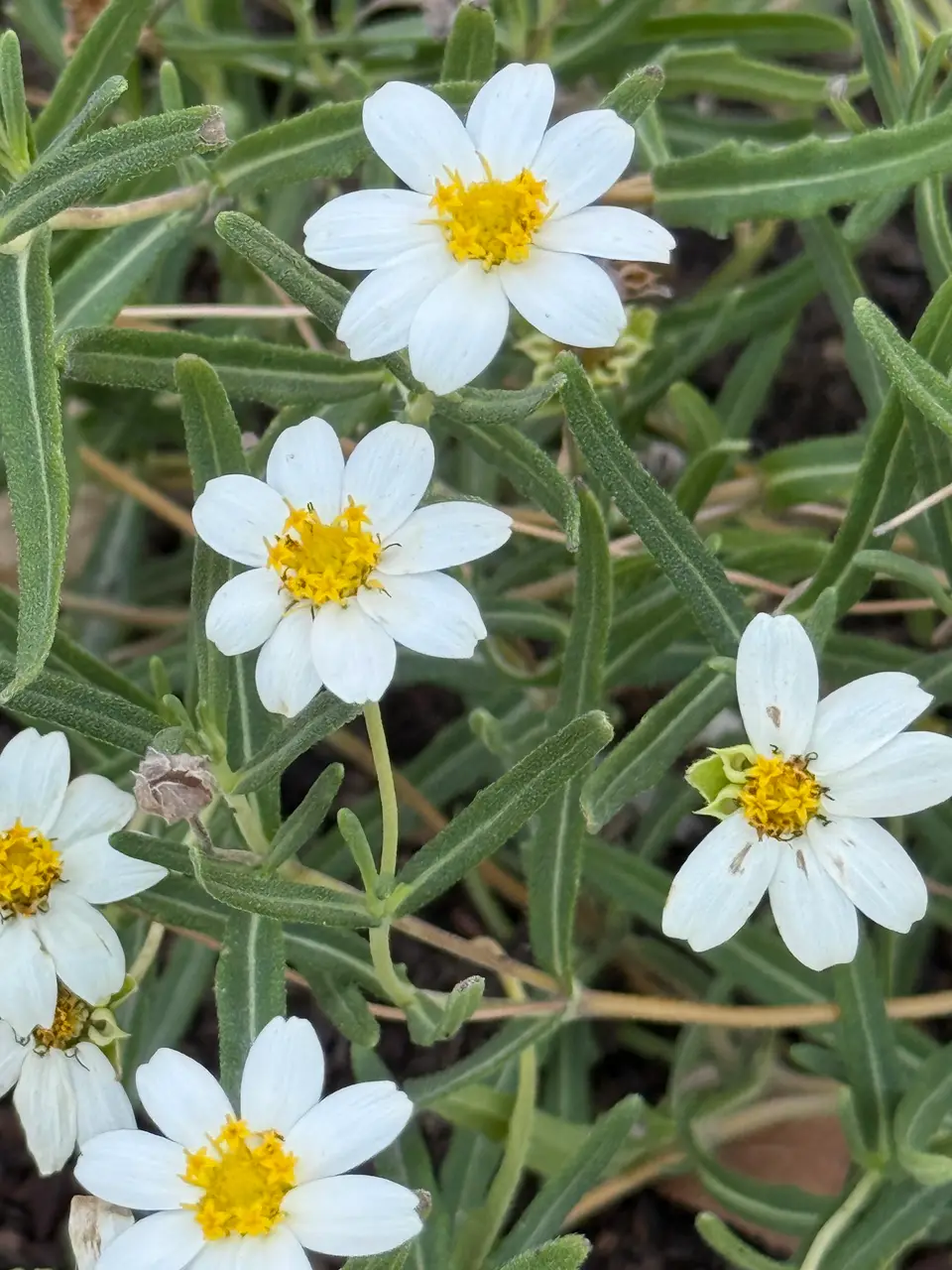
Blackfoot Daisy
A drought-proof native perennial with cheerful white, daisy-like blooms from spring through frost.