
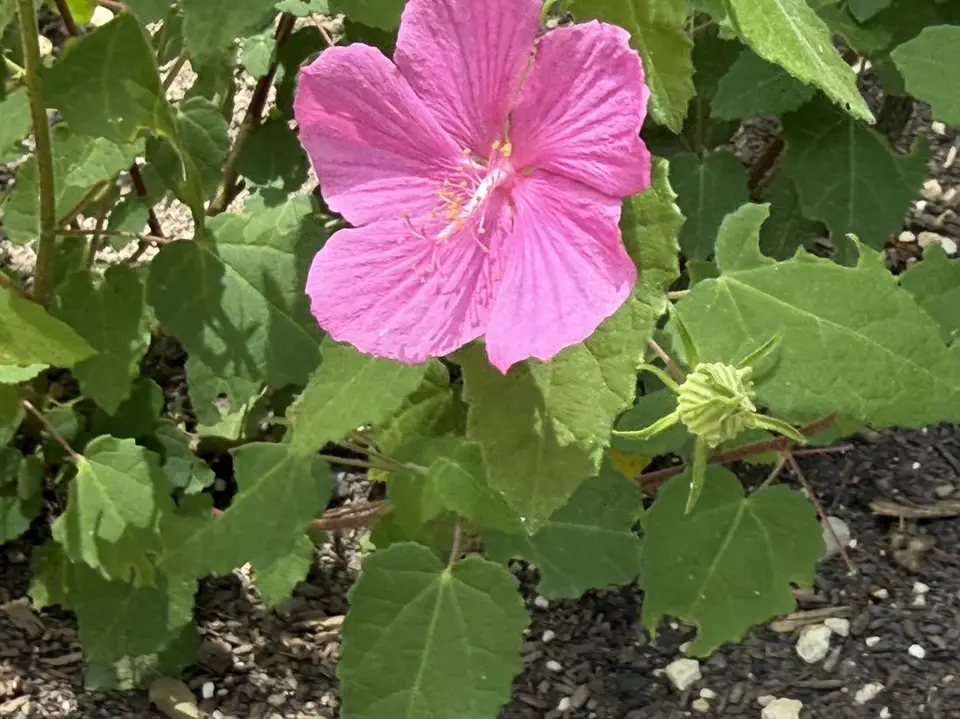
Rock Rose
Pavonia lasiopetala

Gallon currently sold out.
Patio Tub — $140 (2 available) · 2 Gallon — $23 (1 available)
- Sun
- Full Sun, Part Shade
- Water
- Low, Moderate, Drought tolerant once established
- Mature size
- 2-4 ft tall x 2-4 ft wide
- Best for
- Pollinator Plant
About these sizes
- Patio Tub
- A large, mature specimen in a big container — instant size for a focal spot.
- 2 Gallon
- A larger, more established plant — more size and root system from day one.
- Gallon
- Our standard size: a 1-gallon nursery pot, about 6–7 inches across.
Pay at the nursery, plus 6.75% sales tax. Send your request and we'll confirm availability and your pickup time within 24 hours, then hold your plants. How it works
Planting & care
- Growth habit
- Mounded, rounded, loosely shrubby, many-branched.
- Typical bloom
- Apr–Nov
- Cold hardy to
- Zones 8–10
- Soil
- Well-drained soil is important. Performs well in rocky, limestone-based, sandy, or improved garden soils, and generally tolerates alkaline Texas conditions better than poorly drained heavy wet soils.
Where to plant
Full sun to part shade, with the best flowering and most compact growth in full sun; it tolerates light afternoon shade during the hottest weeks of summer. Well-drained soil is essential — rocky, limestone-influenced, or sandy soil is ideal, and it tolerates clay if drainage is adequate.
Watering
Water consistently the first 4–6 weeks after planting to help roots establish. After that, reduce significantly — it's drought tolerant once rooted in, and overwatering is the main way to lose this plant.
Cutting back
Tip-prune through the growing season to encourage branching and a denser habit. In late winter, cut back any cold-damaged growth. If the tops die back in a hard winter, don't assume it's dead — established root crowns re-sprout reliably once soil warms.
About Rock Rose
Most people see Rock Rose for the first time and immediately ask what kind of hibiscus it is. That's not a mistake — this plant is in the mallow family, right alongside hibiscus and hollyhock, and the flower is unmistakably related: five rose-pink petals surrounding a central column of stamens, open and bright from morning to midday. Unlike most ornamental hibiscus, though, Rock Rose is native to Central Texas limestone country, built for the heat, rocky alkaline soil, and dry summer stretches that define growing conditions across much of North Texas.
From April through November, this plant blooms — not in flushes with breaks in between, but continuously, opening new flowers on every branch tip day after day for seven months straight. Softly velvety, rounded leaves give the whole plant a gentle, textured look even between waves of bloom.
Bees find it immediately. Hummingbirds work it through summer and fall. Butterflies stop at it regularly. All of this on a plant that wants little water, no fertilizer, and just occasional shaping.
At two to four feet in every direction, it fits into borders, cottage gardens, and native pollinator plantings without overwhelming its neighbors, and combines beautifully with Turk's Cap, Mealy Blue Sage, and Blackfoot Daisy for a layered native bed that stays active from spring through hard frost.
Where it's native
Rock Rose occurs naturally in 2 Texas ecoregions — Edwards Plateau, South Texas Plains. Plants grown from local ecotypes are best adapted to our soils and climate here in the blackland prairie and post oak savannah.
- 1Trans-Pecos
- 2High Plains
- 3Rolling Plains
- 4Edwards Plateau
- 5Cross Timbers and Prairies
- 6South Texas Plains
- 7Blackland Prairies
- 8Post Oak Savannah
- 9Gulf Prairies and Marshes
- 10Pineywoods
Plants it grows well with
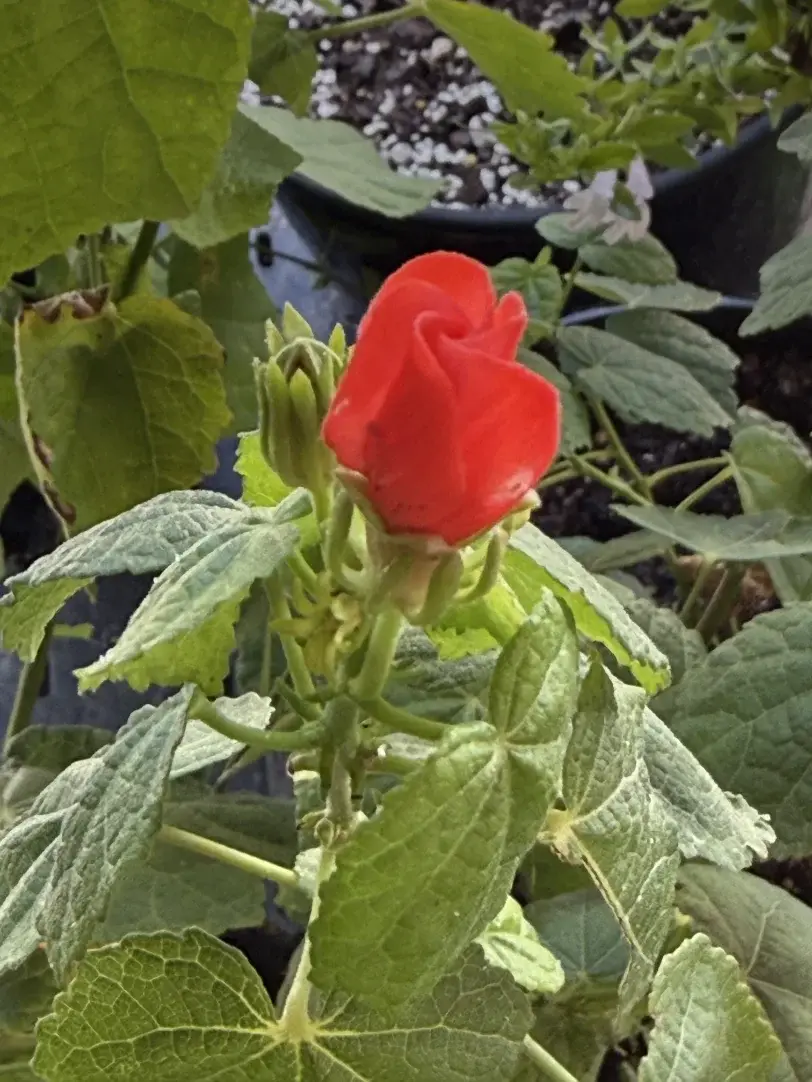
Turk’s Cap
A shade-loving native perennial with distinctive spiraled red blooms that flower nonstop from late spring through fall.
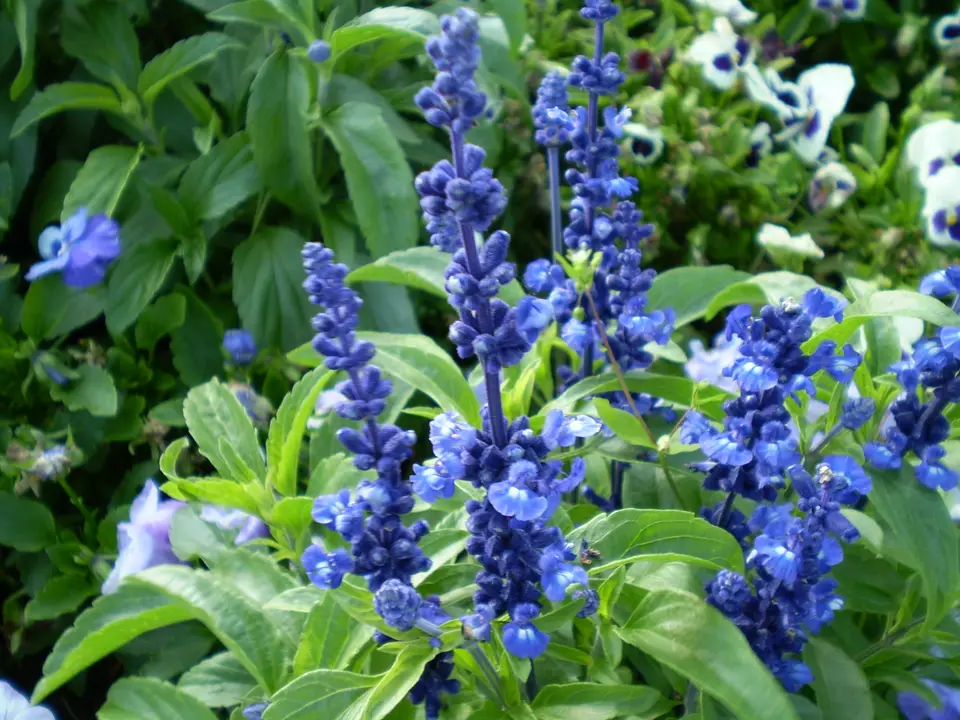
Mealy Blue Sage
A native blue-violet sage with a long bloom season and one of the best pollinator draws in North Texas.
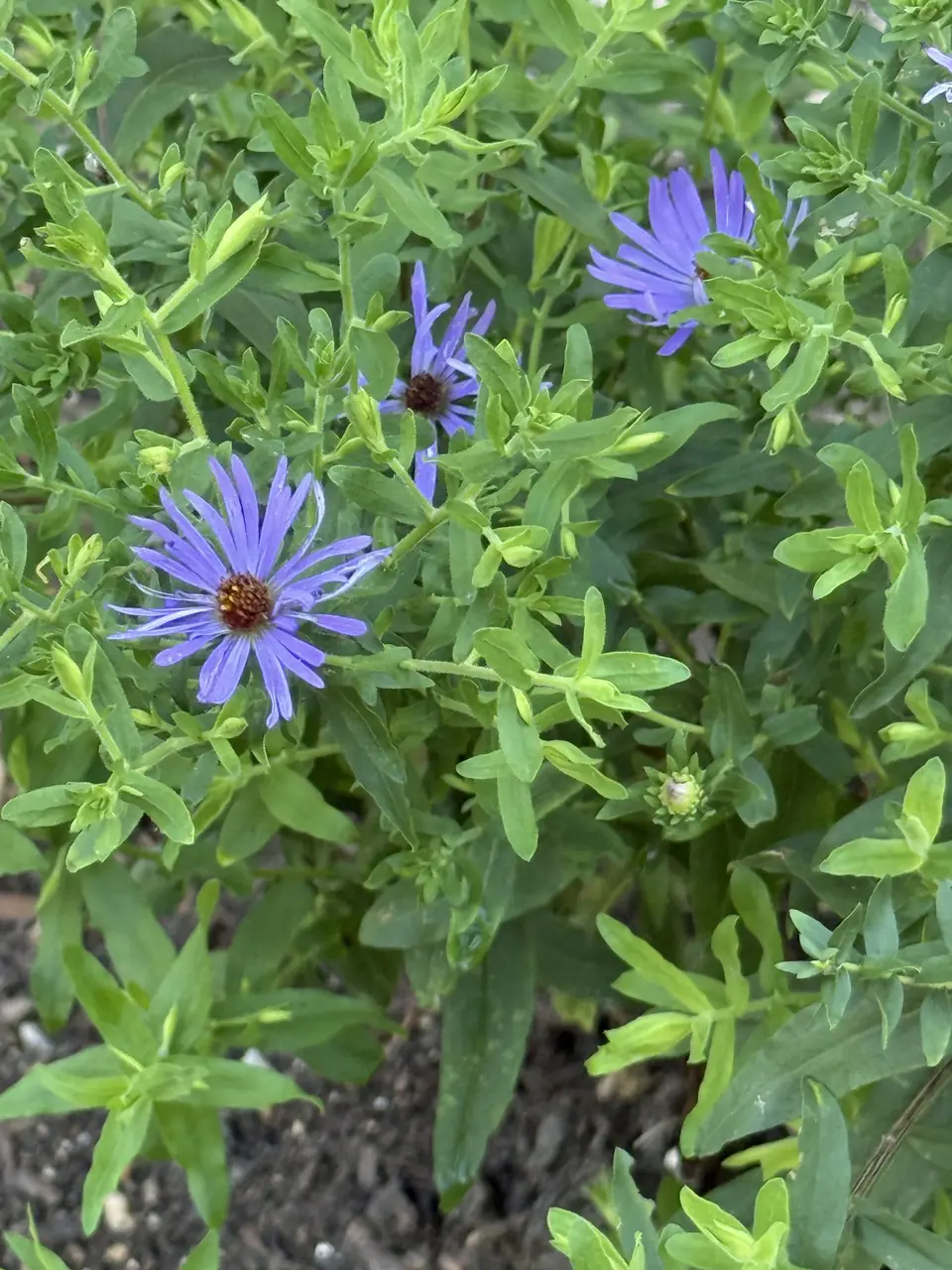
Fall Aster
A native fall-blooming perennial that covers itself in lavender-purple flowers just as everything else fades.
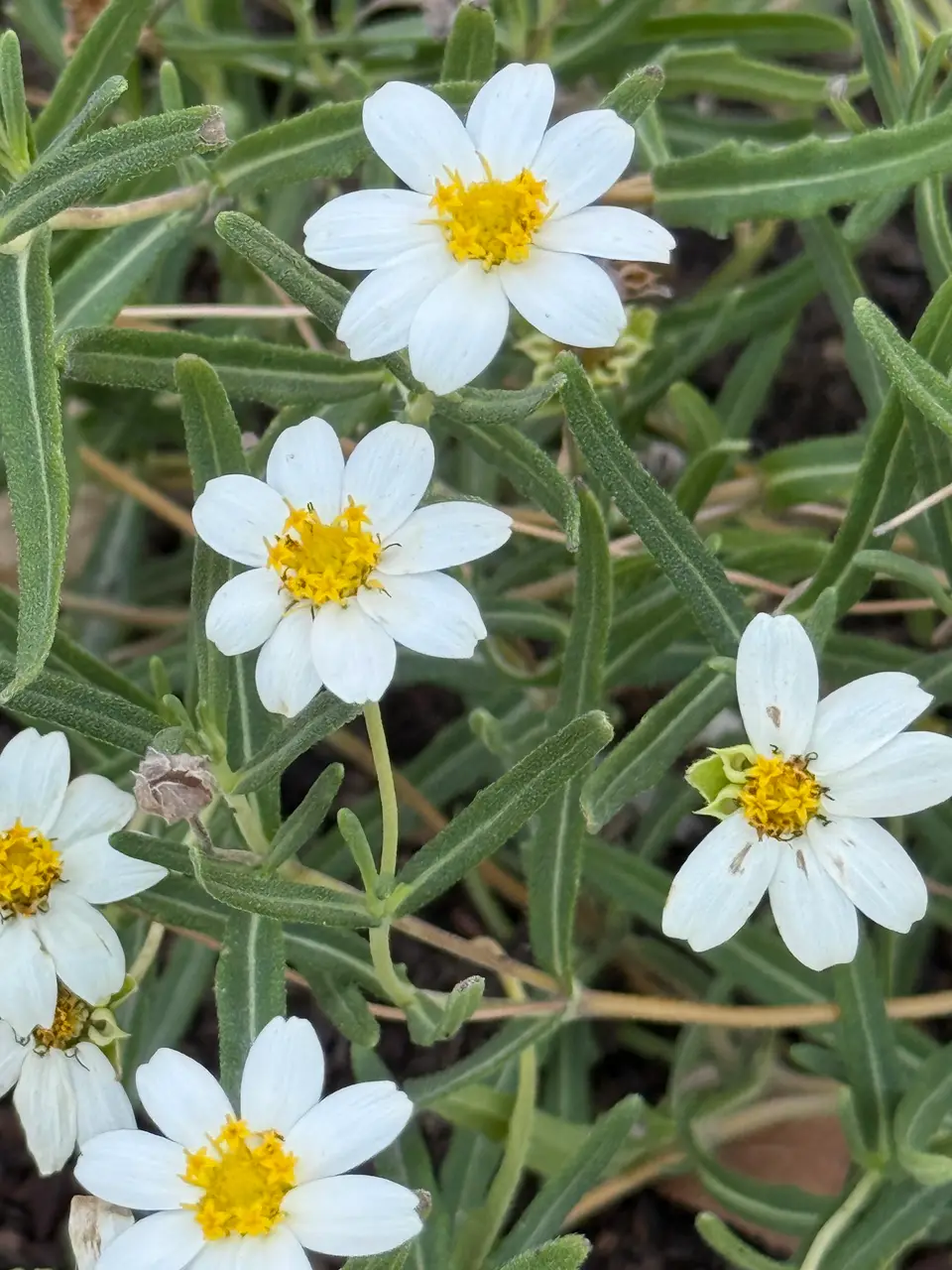
Blackfoot Daisy
A drought-proof native perennial with cheerful white, daisy-like blooms from spring through frost.
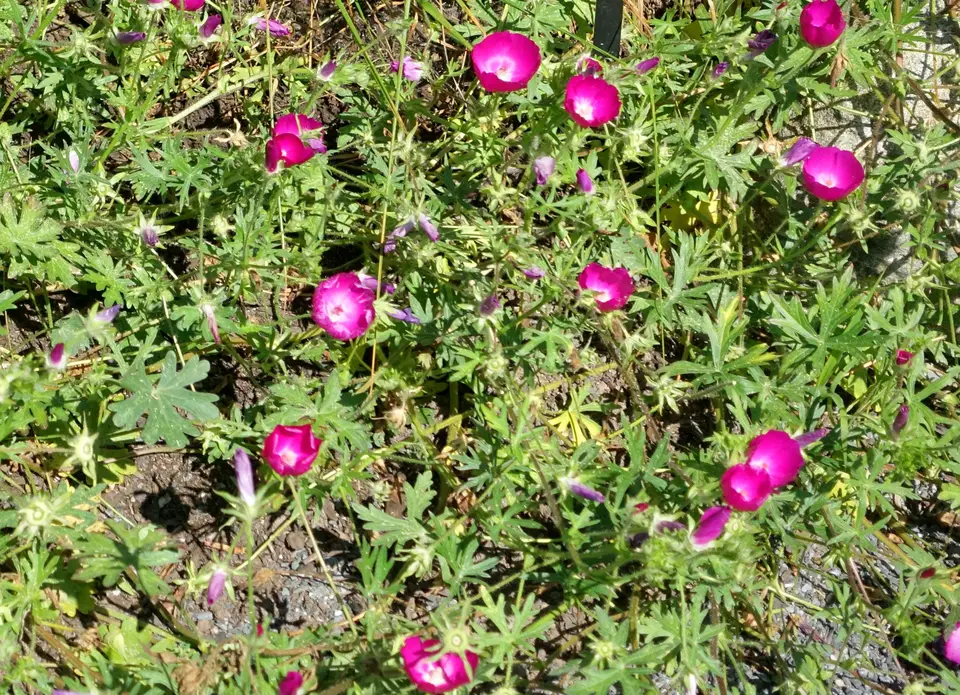
Winecup (Perennial)
A fast-spreading native groundcover with vivid magenta cup-shaped blooms every spring.
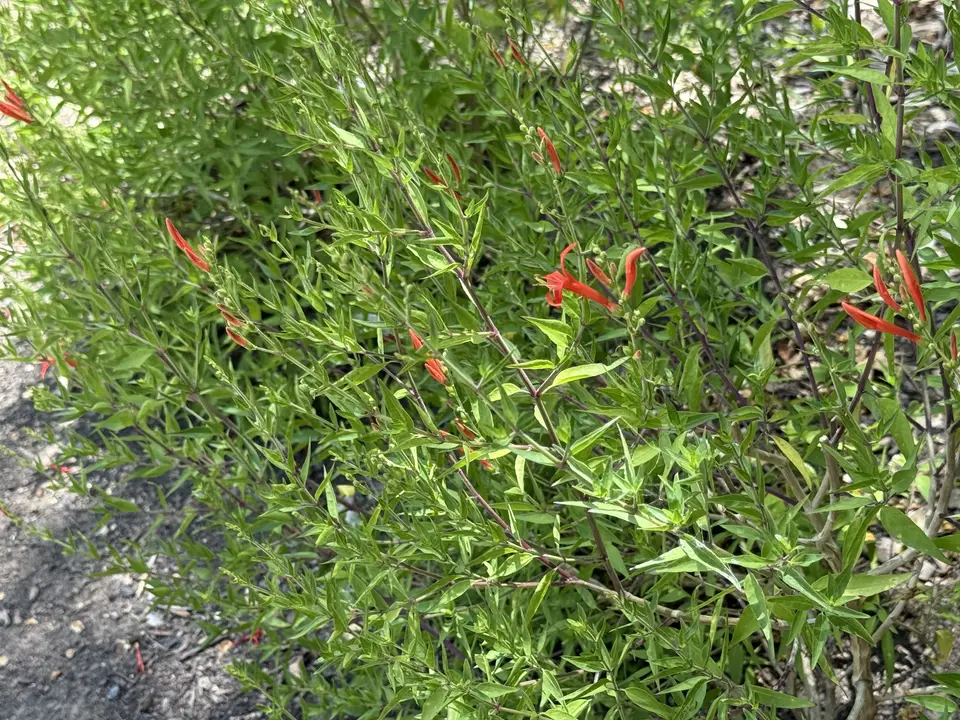
Flame Acanthus
A Texas native hummingbird magnet with brilliant orange-red tubular blooms from late spring through fall.
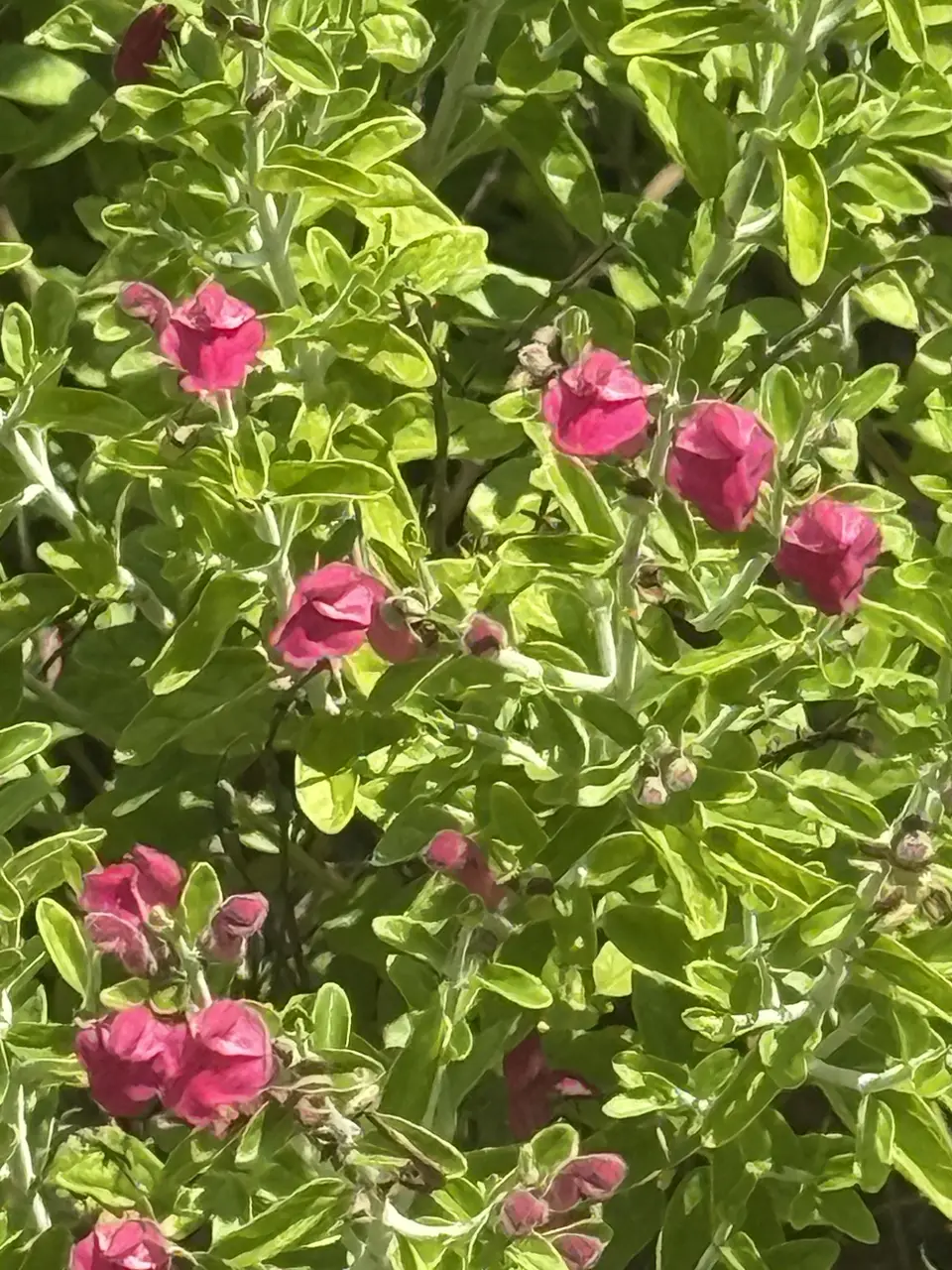
Pink Skullcap
Pink Skullcap is a tidy, drought-tolerant subshrub with vivid pink blooms nearly continuously from May through October.