
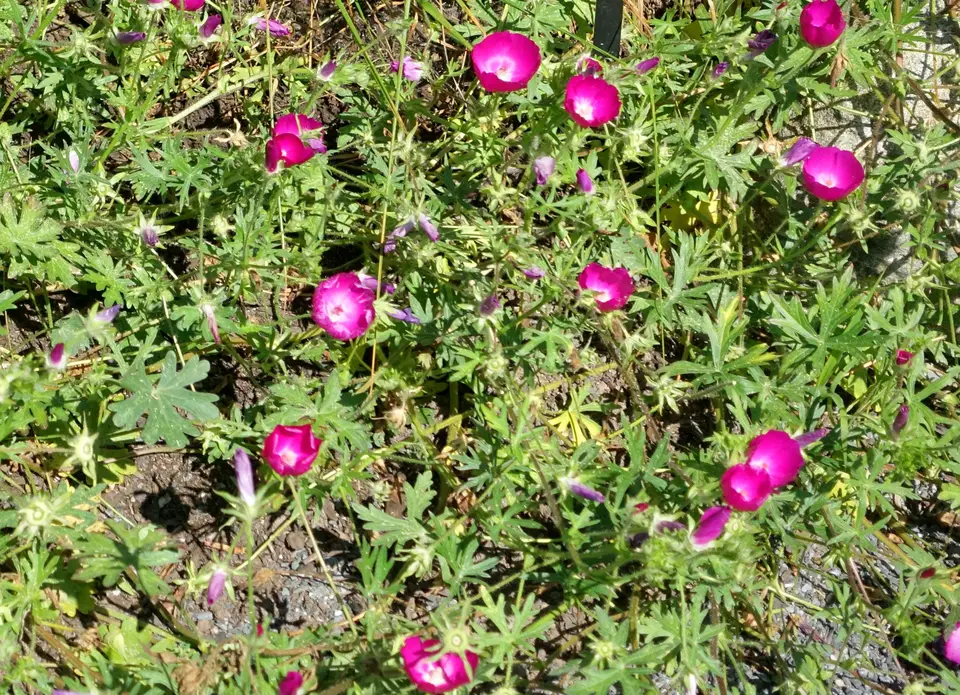
Winecup (Perennial)
Callirhoe involucrata

- Sun
- Full Sun, Part Shade
- Water
- Low
- Mature size
- 6–12” tall x 2–4 ft spread
- Best for
- Pollinator Plant
Gallon — $10
About this size
- Gallon
- Our standard size: a 1-gallon nursery pot, about 6–7 inches across.
Pay at the nursery, plus 6.75% sales tax. Send your request and we'll confirm availability and your pickup time within 24 hours, then hold your plants. How it works
Planting & care
- Growth habit
- Low, spreading, trailing groundcover
- Typical bloom
- Apr–Jun
- Cold hardy to
- Zones 4–9
- Soil
- Well-drained soils; thrives in sandy, rocky, or amended clay
Where to plant
Full sun to part shade, with the best bloom density and most compact form in full sun. Well-drained soil is essential; it performs well in sandy, rocky, or amended clay, but the taproot is prone to rot in standing water or consistently wet conditions.
Watering
Low once established. Water regularly the first season to help the taproot develop; after that, it's highly drought tolerant and rarely needs supplemental water in most of Texas.
Pruning and transplanting
Trim lightly after the main bloom flush to encourage a secondary flush and a tidier habit; it can be cut back hard if it sprawls too aggressively. Transplant when young, since the taproot is sensitive to disturbance once established.
About Winecup (Perennial)
For a Texas native that covers ground fast, blooms in stunning deep purple, and practically takes care of itself, Winecup is the one. This low-growing, trailing perennial spreads outward from a central taproot into a 2 to 4 foot mat of finely cut foliage, loaded with vivid magenta cup-shaped blooms every spring. The color stops people in their tracks, and the spreading habit gives instant, impressive coverage.
Deeply lobed, palmate leaves cover trailing stems that sprawl outward from a central crown, and solitary flowers on slender stalks open fully in direct sun, closing again in overcast conditions or shade.
Winecup is built for the Texas climate. Once the taproot gets established, usually by the end of the first season, the plant is essentially bulletproof through summer heat and dry spells. It dies back to the ground after frost and comes roaring back every spring without any intervention.
It's a genuinely versatile plant, too: strong as landscape color in a bed or on a slope, and just as striking trailing from a hanging basket. For anyone who wants a native groundcover that performs in tough spots and puts on a real show, there's very little that competes with it in spring.
Where it's native
Winecup (Perennial) occurs naturally in 5 Texas ecoregions — Blackland Prairies, Cross Timbers and Prairies, Edwards Plateau, Rolling Plains, South Texas Plains. Plants grown from local ecotypes are best adapted to our soils and climate here in the Blackland Prairies.
- 1Trans-Pecos
- 2High Plains
- 3Rolling Plains
- 4Edwards Plateau
- 5Cross Timbers and Prairies
- 6South Texas Plains
- 7Blackland Prairies
- 8Post Oak Savannah
- 9Gulf Prairies and Marshes
- 10Pineywoods
Plants it grows well with
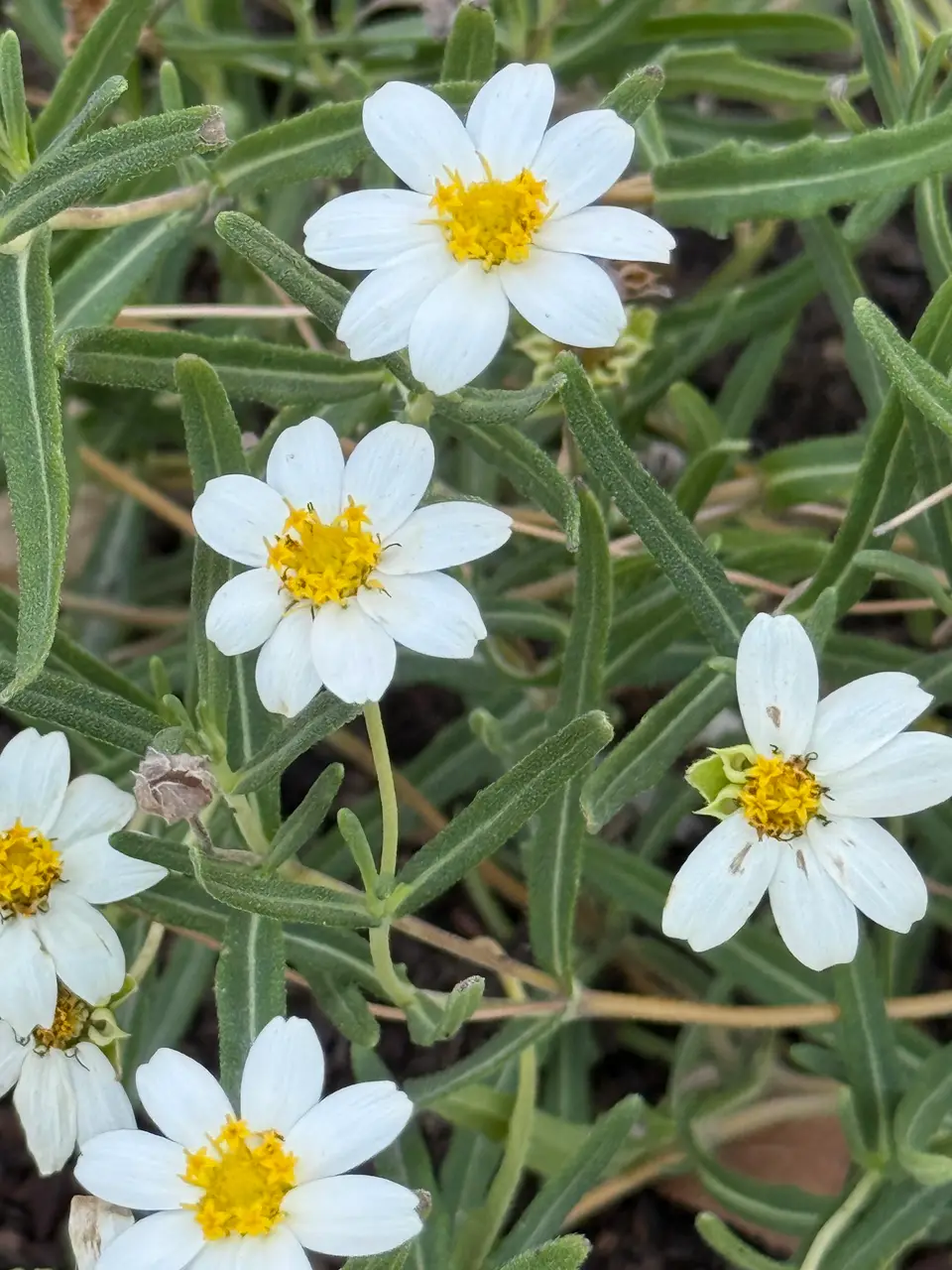
Blackfoot Daisy
A drought-proof native perennial with cheerful white, daisy-like blooms from spring through frost.
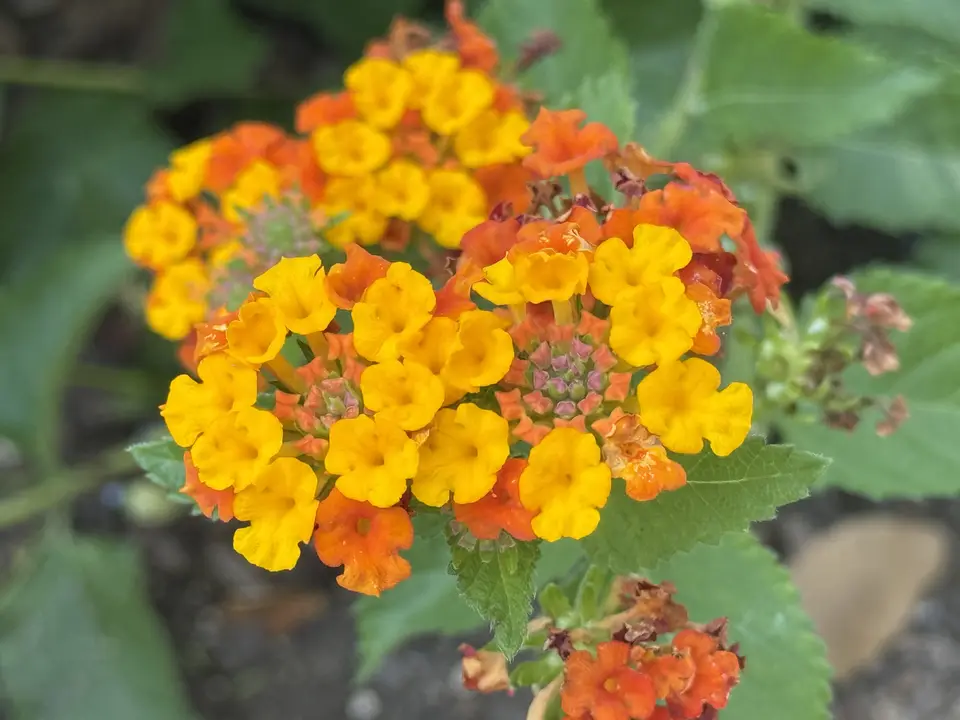
Texas Lantana
A tough, long-blooming native shrub with multi-colored flower clusters that draw butterflies from May through frost.
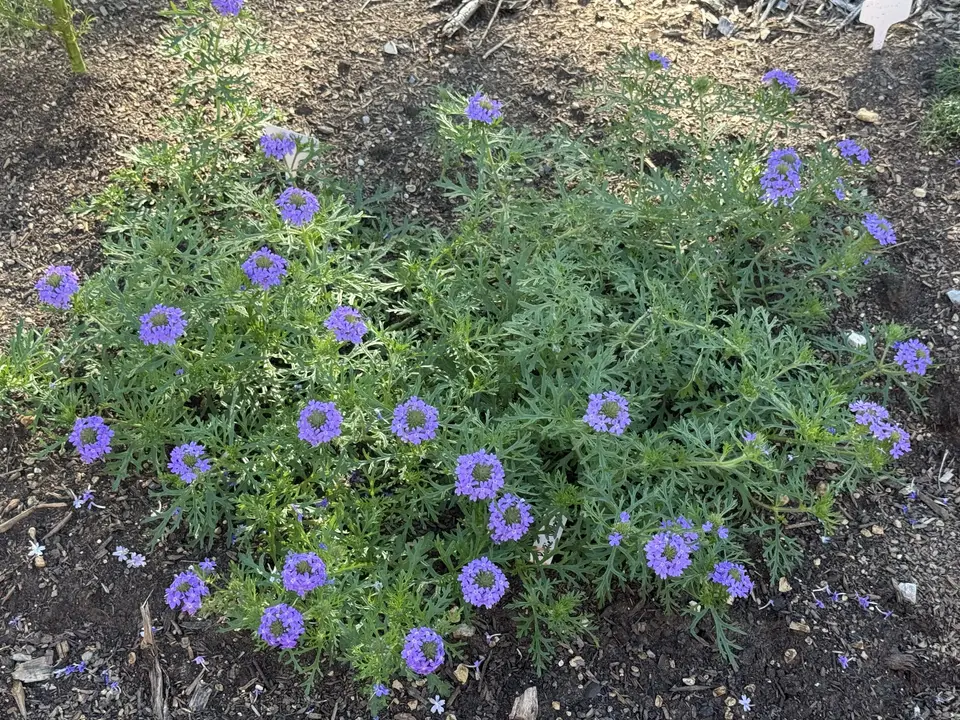
Prairie Verbena
A fast-spreading native groundcover with bright purple blooms that opens the pollinator season each spring.
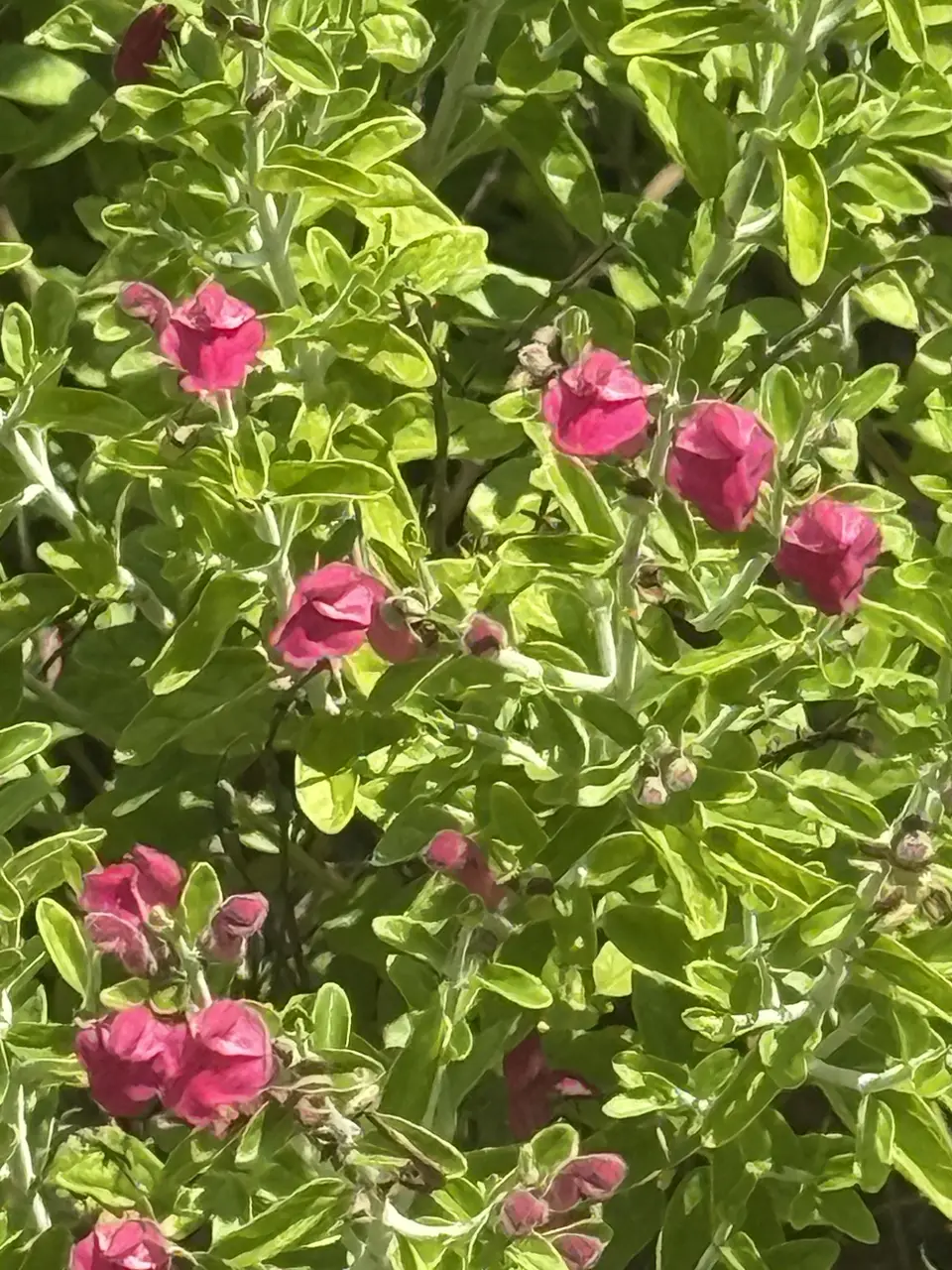
Pink Skullcap
Pink Skullcap is a tidy, drought-tolerant subshrub with vivid pink blooms nearly continuously from May through October.