Current stock
Carolina Buckthorn
Frangula caroliniana
- Sun
- Shade, Part Shade, Full Sun
- Water
- Moderate, Prefers moist well drained soil
- Mature size
- 10-20 ft tall x 8-15 ft wide
- Best for
- Woodland Edge, Wildlife cover / habitat
Planting & care
- Growth habit
- Upright, open to rounded, multi-stemmed shrub or small tree with fine branching and a refined woodland appearance
- Typical bloom
- Apr–Jun
- Cold hardy to
- Zones 5–9
- Soil
- Adaptable; prefers well-drained loam, sandy loam, or rocky soils with moderate organic matter; tolerates alkaline soils better than many woodland natives if drainage is good
Where to plant
Full sun to full shade — this plant is unusually adaptable to light conditions. It tolerates alkaline, limestone-based soils as long as drainage is decent.
Watering
Moderate. Water regularly while it's getting established, then it tolerates short dry spells on its own.
Cutting back
Avoid heavy shearing. Selective pruning that improves branching while keeping the plant's natural shape gives the best results, whether you're growing it as a multi-stem shrub or training it to a single trunk.
About Carolina Buckthorn
Carolina Buckthorn flies under the radar, which is exactly what makes it interesting. This native small tree grows throughout Central and East Texas in woodland edges, but it's rarely seen at garden centers — a genuine find for anyone building a native landscape.
Its glossy, elliptic leaves with neat parallel veins give the plant a clean, refined look that sets it apart from scrappier wild-collected shrubs. Small, inconspicuous yellow-green flowers appear in spring, easy to overlook but a quiet draw for native bees.
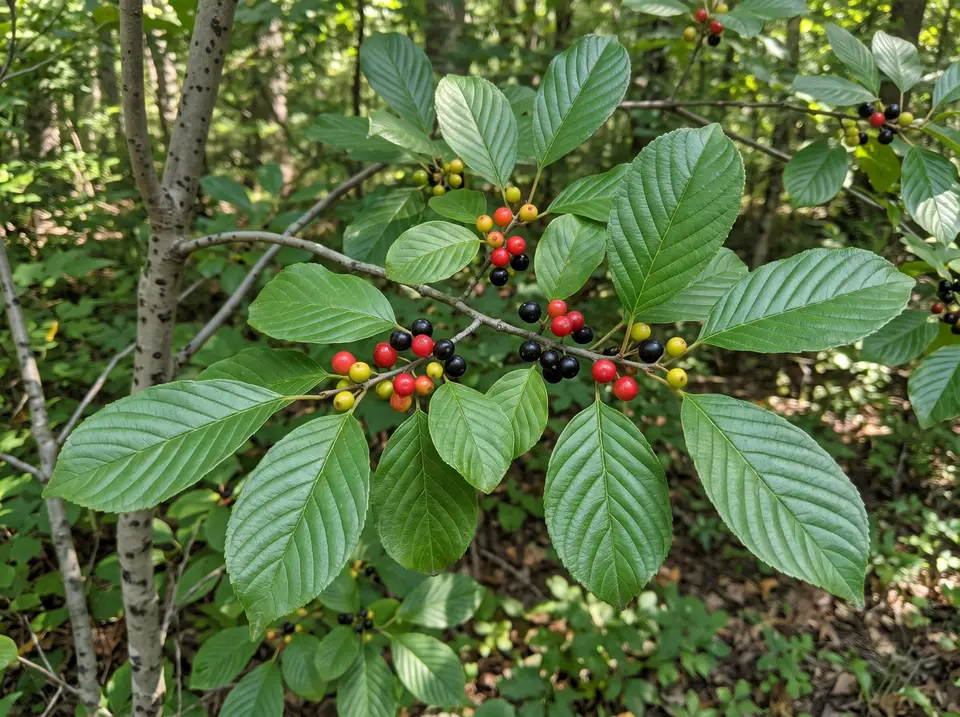
The real show comes in fall, when the round berries ripen in stages — green, red, and dark purple-black often present on the same branch at once. Birds notice quickly: mockingbirds, cedar waxwings, and robins move in to feed within days of the fruit coloring up.
It grows equally well in full sun, part shade, or deep shade, and tolerates limestone-based alkaline soils that trouble many other woodland natives. Left largely alone, it settles into an elegant, naturally shaped large shrub or small tree that offers something genuinely different in a native planting.
Where it's native
Carolina Buckthorn occurs naturally in 5 Texas ecoregions — Pineywoods, Post Oak Savannah, Blackland Prairies, Cross Timbers and Prairies, Edwards Plateau. Plants grown from local ecotypes are best adapted to our soils and climate here in the Blackland Prairies.
- 1Trans-Pecos
- 2High Plains
- 3Rolling Plains
- 4Edwards Plateau
- 5Cross Timbers and Prairies
- 6South Texas Plains
- 7Blackland Prairies
- 8Post Oak Savannah
- 9Gulf Prairies and Marshes
- 10Pineywoods
Plants it grows well with
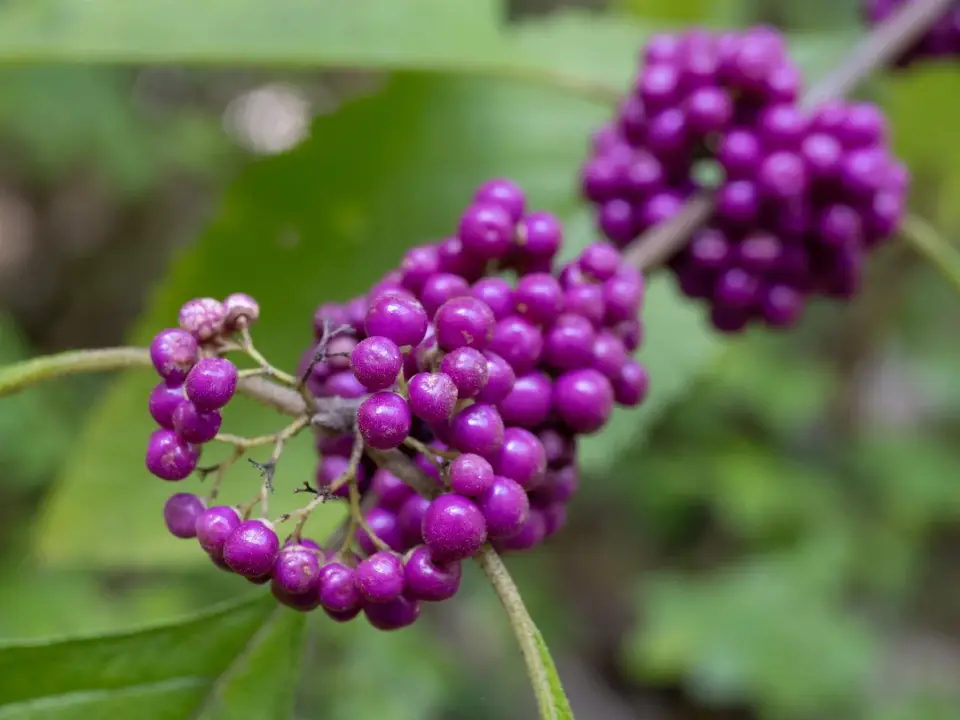
American Beautyberry
A native shrub famous for the clusters of electric-purple berries that wrap around its stems every fall.
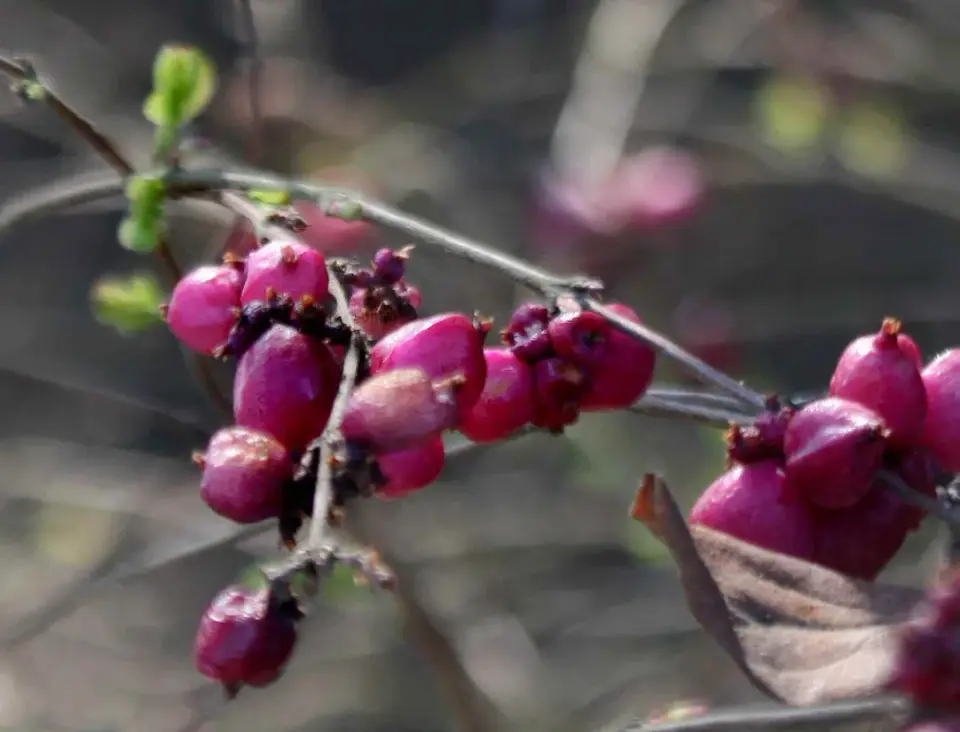
Coralberry
A tough, shade-tolerant native shrub that transforms every fall into a striking display of coral-pink to magenta berries.
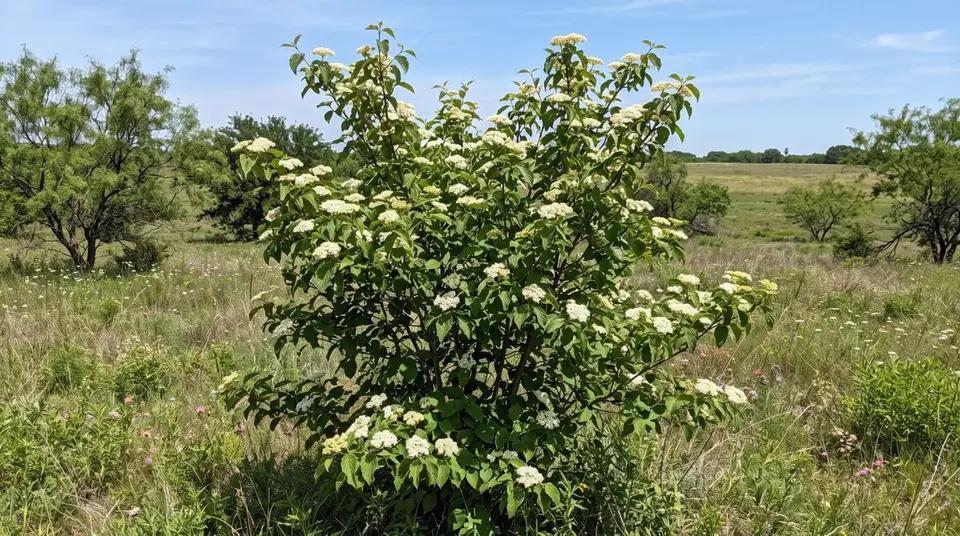
Roughleaf Dogwood
A fast-growing native shrub that forms a dense, bird-filled privacy screen with spring blooms and summer berries.
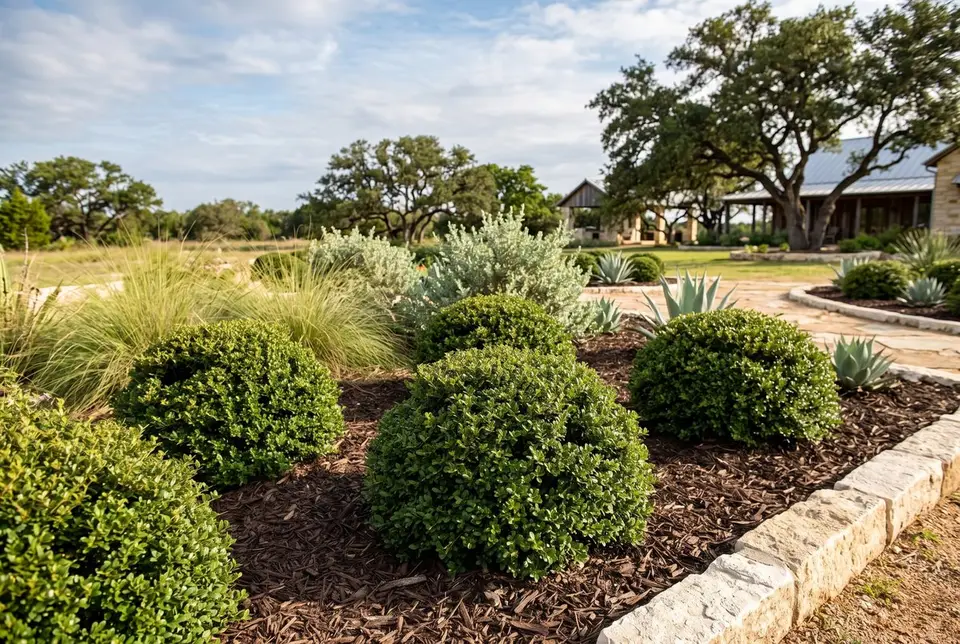
Dwarf Yaupon Holly
Dwarf Yaupon Holly is a compact, mounding evergreen shrub that reaches 3 to 5 feet tall with small, spineless, dark green leaves. It tolerates heat, drought, and clay soil and responds well to shearing for low hedges and borders.
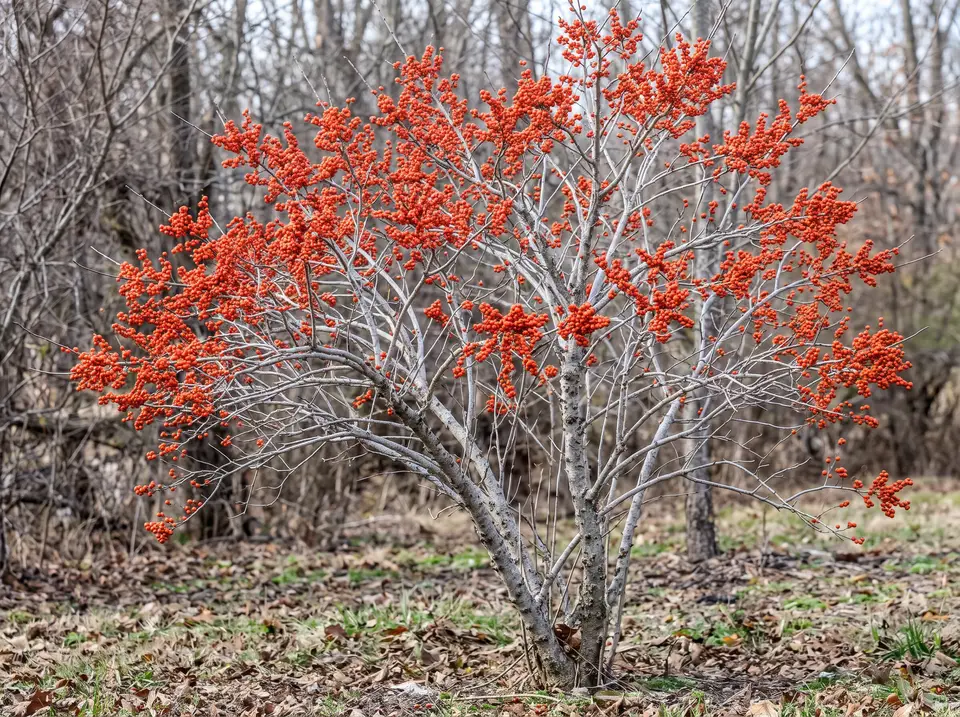
Possumhaw Holly
A native deciduous holly whose bare winter branches load up with bright red berries from fall through February.
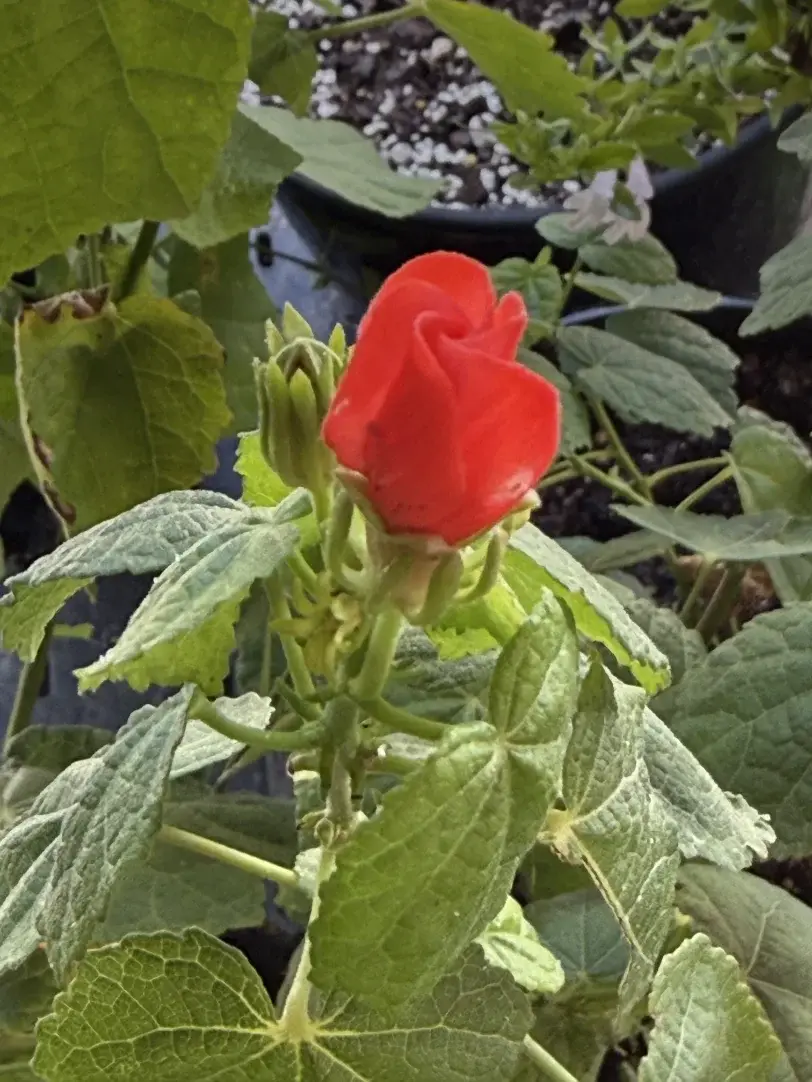
Turk’s Cap
A shade-loving native perennial with distinctive spiraled red blooms that flower nonstop from late spring through fall.
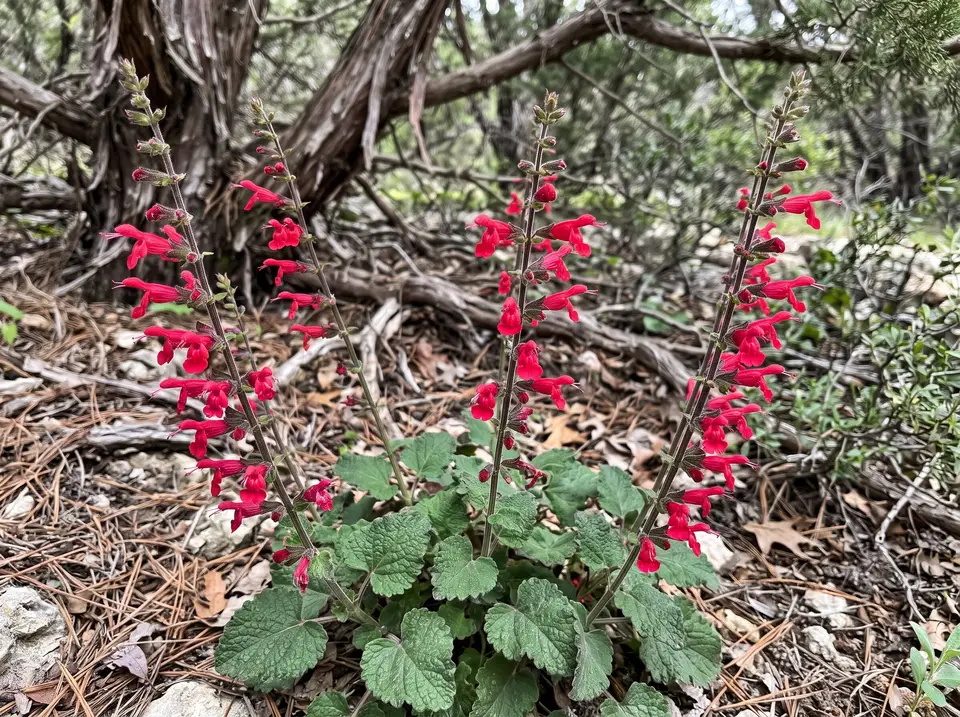
Cedar Sage
A shade-tolerant native sage with vivid red blooms that draw hummingbirds during spring migration.