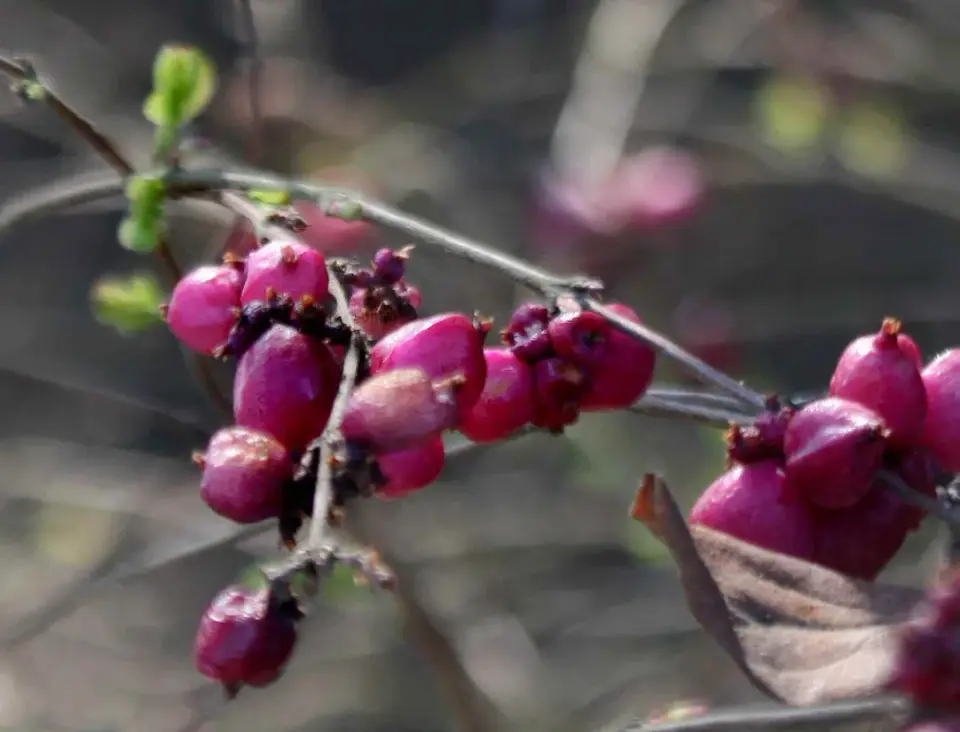
Coralberry
Symphoricarpos orbiculatus
- Sun
- Part Shade, Shade
- Water
- Low, Moderate, Drought tolerant once established
- Mature size
- 2-4 ft tall x 4-8 ft wide
- Best for
- Shade garden, Natural hedge, Erosion Control
Gallon — $14
About this size
- Gallon
- Our standard size: a 1-gallon nursery pot, about 6–7 inches across.
Pay at the nursery, plus 6.75% sales tax. Send your request and we'll confirm availability and your pickup time within 24 hours, then hold your plants. How it works
Planting & care
- Growth habit
- Colonizing, thicket-forming shrub via rhizomes
- Typical bloom
- May–Jul
- Cold hardy to
- Zones 2–8
- Soil
- Highly adaptable; thrives in clay, loam, or rocky soils
Where to plant
Part shade to full shade is best, though it tolerates full sun with enough moisture. It's highly adaptable to clay, loam, or rocky soil.
Watering
Low to moderate. Water regularly the first season, then only occasionally — it's quite drought tolerant once established.
Cutting back
Prune hard in late winter if you want to control its spread or rejuvenate growth. It spreads more aggressively after a hard pruning, so plan accordingly if space is limited.
About Coralberry
Coralberry doesn't ask for much attention in spring and summer — it's a modest, arching shrub quietly filling in shady, difficult spots. Then October arrives, and every stem becomes densely clustered with vivid coral-pink to magenta berries, turning an unassuming plant into one of the most striking things in a shade garden. Mockingbirds and cedar waxwings notice almost immediately.
It grows naturally in the shade of woodland edges, under trees, and on rocky slopes — exactly the conditions where most ornamental shrubs struggle. Slender, gracefully arching branches give the plant a soft, informal texture, and it spreads gradually by underground rhizomes into dense, low colonies that hold a slope and suppress weeds without any extra input.
Few native shrubs are as unfussy: it tolerates deep shade, poor soil, drought once established, and genuinely brutal cold — hardy all the way to Zone 2, among the toughest native shrubs available anywhere. Through fall and winter, its dense thickets also provide some of the best nesting and shelter cover for overwintering birds.
For the shady problem spot, the eroding slope, or anyone who wants real fall color and wildlife activity from a plant that essentially takes care of itself, Coralberry is a genuine workhorse.
Where it's native
Coralberry occurs naturally in 6 Texas ecoregions — Pineywoods, Post Oak Savannah, Blackland Prairies, Cross Timbers and Prairies, Edwards Plateau, Rolling Plains. Plants grown from local ecotypes are best adapted to our soils and climate here in the Blackland Prairies.
- 1Trans-Pecos
- 2High Plains
- 3Rolling Plains
- 4Edwards Plateau
- 5Cross Timbers and Prairies
- 6South Texas Plains
- 7Blackland Prairies
- 8Post Oak Savannah
- 9Gulf Prairies and Marshes
- 10Pineywoods
Plants it grows well with
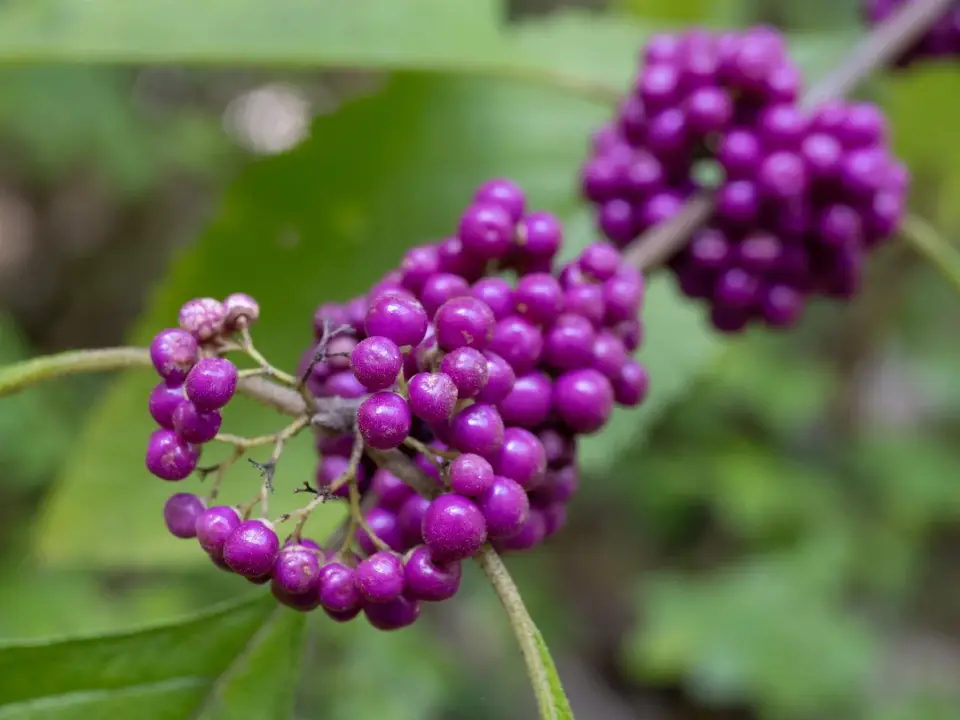
American Beautyberry
A native shrub famous for the clusters of electric-purple berries that wrap around its stems every fall.
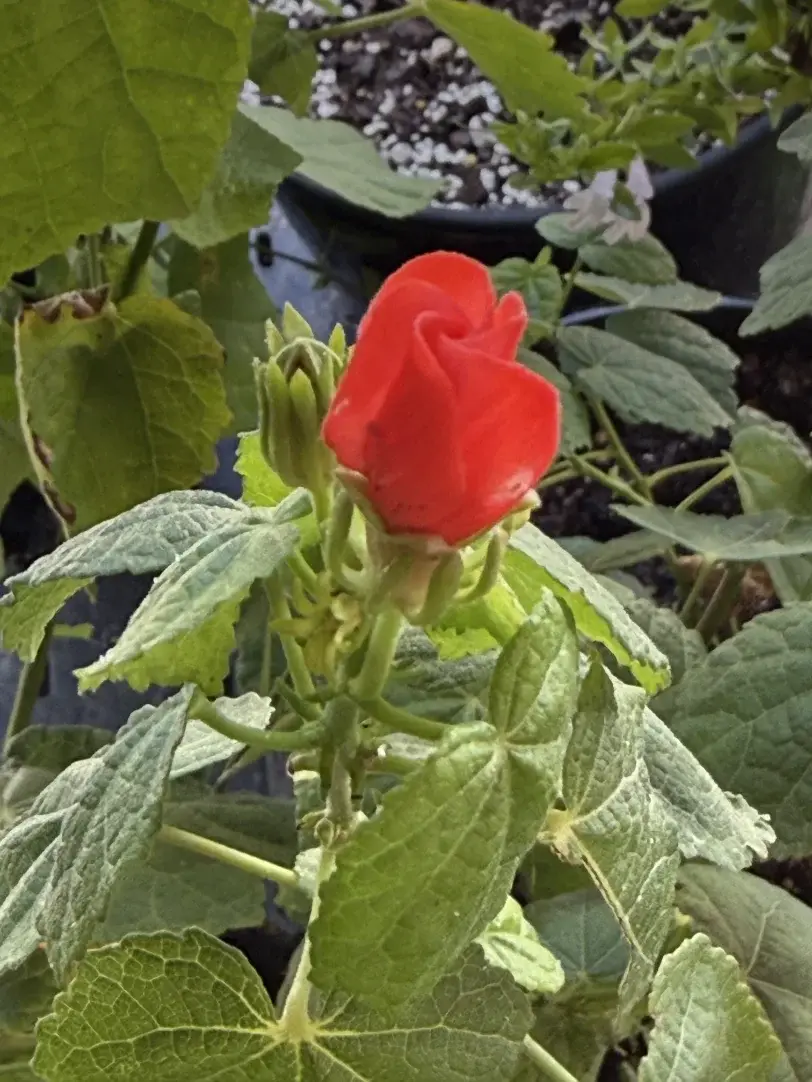
Turk’s Cap
A shade-loving native perennial with distinctive spiraled red blooms that flower nonstop from late spring through fall.
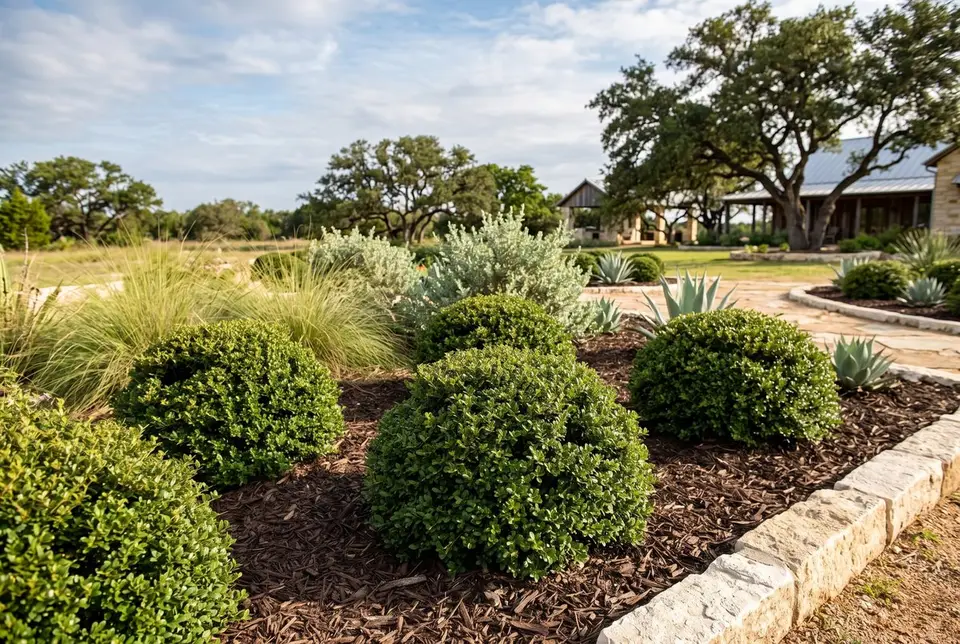
Dwarf Yaupon Holly
Dwarf Yaupon Holly is a compact, mounding evergreen shrub that reaches 3 to 5 feet tall with small, spineless, dark green leaves. It tolerates heat, drought, and clay soil and responds well to shearing for low hedges and borders.