
Current stock
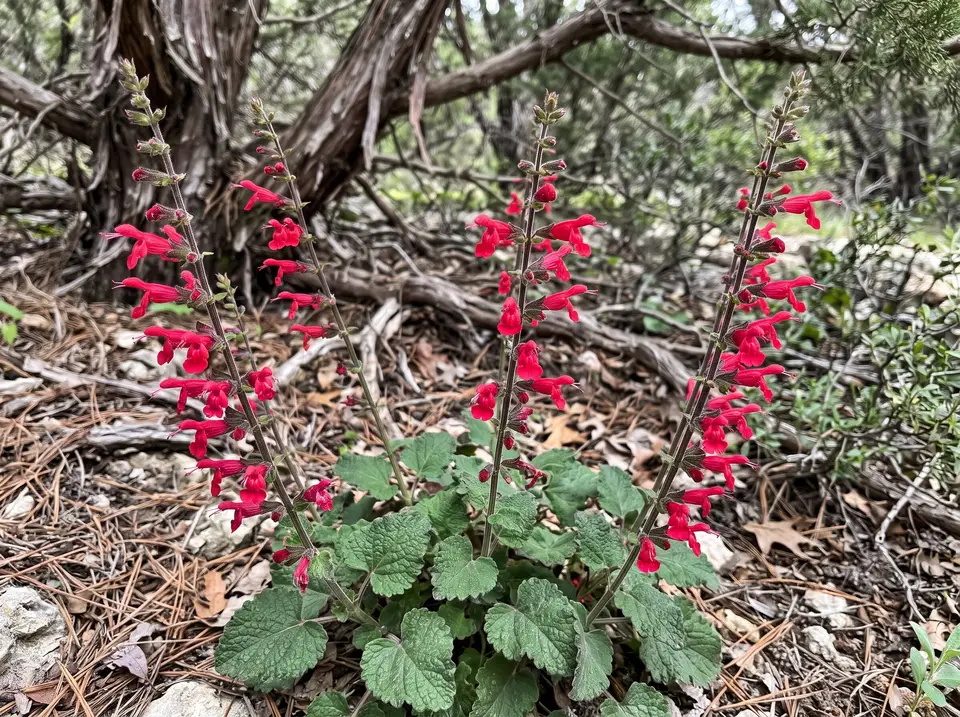
Cedar Sage
Salvia roemeriana

- Sun
- Part Shade, Shade
- Water
- Low, Moderate, Drought tolerant once established
- Mature size
- 1-2 ft tall x 1.5-2 ft wide
- Best for
- Hummingbird attractor, Pollinator Plant, Native ecosystem plant, Shade garden
Planting & care
- Growth habit
- Clumping, low spreading
- Typical bloom
- Mar–Jun
- Cold hardy to
- Zones 7–10
- Soil
- Well-drained, rocky or loamy soil
Where to plant
Part shade to full shade — one of the best native plants for dry shade under trees. Avoid intense afternoon sun, which causes wilting and leaf scorch. Well-drained, rocky, or loamy soil suits it well.
Watering
Water regularly while it's getting established, then reduce. It handles surprisingly dry conditions once its roots are set, even in the root-competitive soil under established trees.
Cutting back
Trim lightly after the spring bloom flush to encourage a second round of flowers. Cut back in late winter before new growth starts.
About Cedar Sage
Most gardeners have a shady spot they've given up on — nothing grows there, or what does grow is boring. Cedar Sage is the answer. It produces vivid red, whorled spikes of tubular flowers from March through June, thriving in part to full shade under trees, in the dry, root-competitive soil where most plants refuse to grow.
Softly hairy, rounded leaves with scalloped edges form a low, spreading clump that stays tidy without any real maintenance. Hummingbirds find the blooms almost as soon as they open — ruby-throated and black-chinned hummingbirds passing through during spring migration visit relentlessly, making this one of the most reliable hummingbird plants for a shaded garden.
It stays compact, one to two feet in every direction, and once established needs almost nothing. It returns reliably every spring, self-sows gently in the right conditions, and often rewards a light fall moisture boost with a second, smaller bloom flush.
For anyone with a challenging shady spot and a wish for hummingbirds, Cedar Sage solves both problems at once — proof that shade gardens don't have to mean giving up on color.
Where it's native
Cedar Sage occurs naturally in 2 Texas ecoregions — Edwards Plateau, South Texas Plains. Plants grown from local ecotypes are best adapted to our soils and climate here in the blackland prairie and post oak savannah.
- 1Trans-Pecos
- 2High Plains
- 3Rolling Plains
- 4Edwards Plateau
- 5Cross Timbers and Prairies
- 6South Texas Plains
- 7Blackland Prairies
- 8Post Oak Savannah
- 9Gulf Prairies and Marshes
- 10Pineywoods
Plants it grows well with
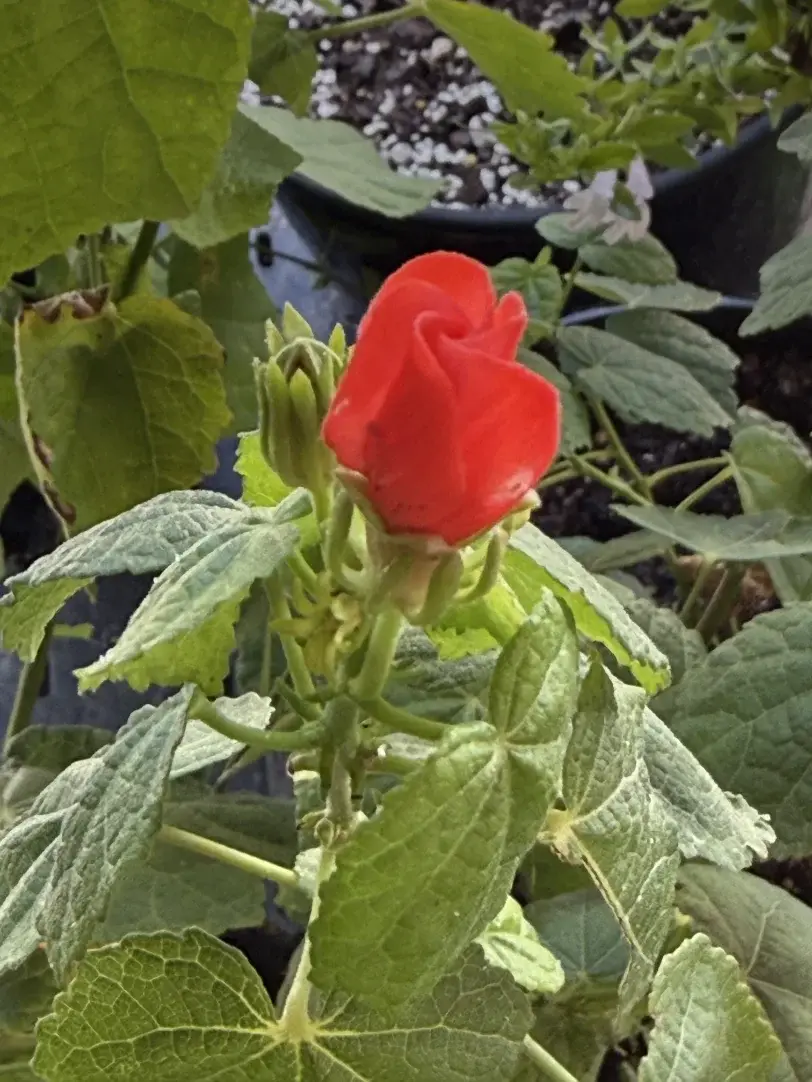
Turk’s Cap
A shade-loving native perennial with distinctive spiraled red blooms that flower nonstop from late spring through fall.
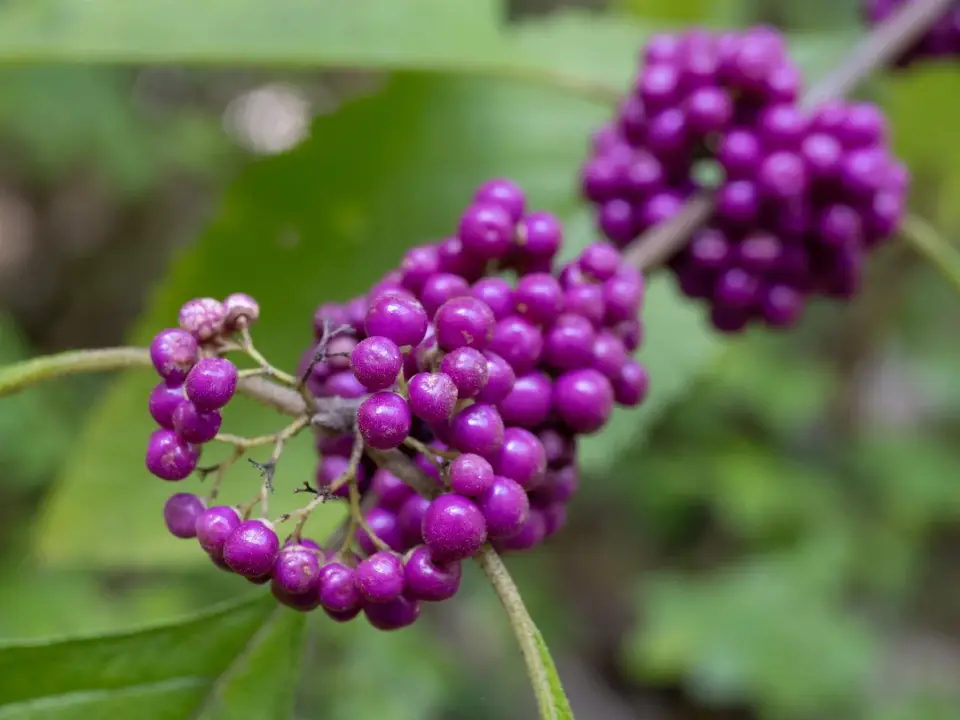
American Beautyberry
A native shrub famous for the clusters of electric-purple berries that wrap around its stems every fall.
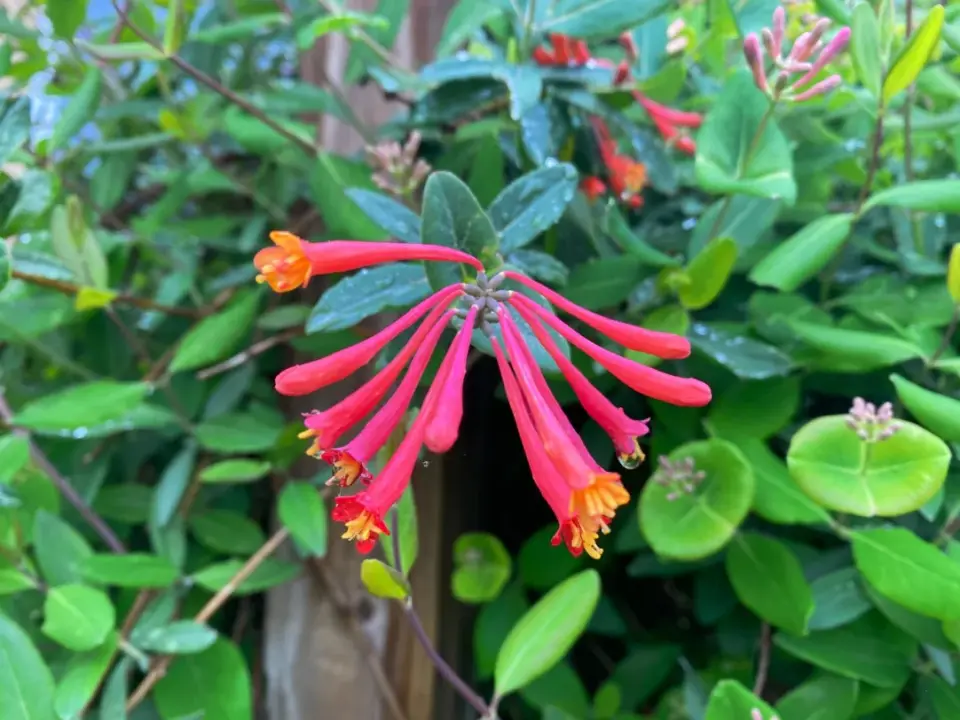
Coral Honeysuckle
A fast-growing native vine covered in coral-red trumpet blooms that hummingbirds can't resist.