
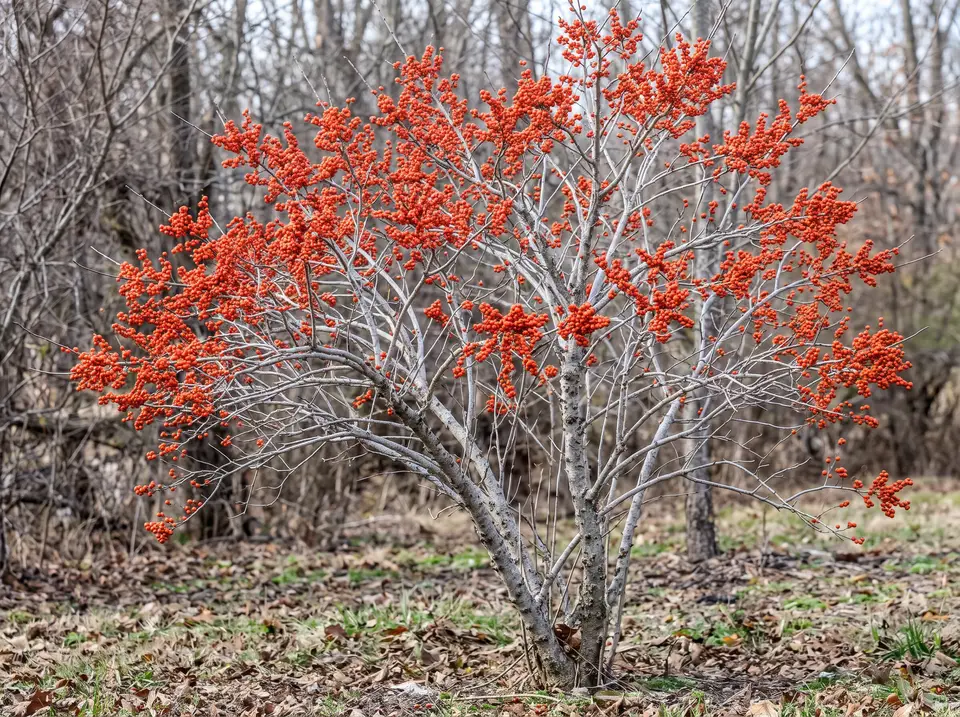
Current stock
Possumhaw Holly
Ilex decidua

- Sun
- Full Sun, Part Shade
- Water
- Low, Moderate, Drought tolerant once established
- Mature size
- 10-20 ft tall x 8-15 ft wide
- Best for
- Native ecosystem plant, Natural hedge
Needs male and female plants
Ours are female, the ones that carry red winter berries. Berries need a male possumhaw or yaupon holly within about a quarter mile; both are common in North Texas woods and fencelines.
Planting & care
- Growth habit
- Upright, multi-stemmed, spreading shrub or small tree
- Typical bloom
- Mar–Apr
- Cold hardy to
- Zones 5–9
- Soil
- Adaptable; prefers loamy or sandy soils but tolerates clay and occasional wet conditions
Where to plant
Full sun to part shade, with the best berry production and most compact habit in full sun. It's adaptable to clay, loam, or sandy soil, and tolerates alkaline and limestone conditions.
Watering
Low to moderate once established. It tolerates occasional wet periods and clay soils; water regularly the first season to establish deep roots.
Cutting back
Prune in January or February before new growth. It can be shaped as a multi-stemmed shrub or trained to a single-trunk small tree, and tolerates aggressive pruning well. Note: it's dioecious, so a male plant needs to be nearby (within 30–50 feet) for females to set berries.
About Possumhaw Holly
If you're looking for a Texas native that earns its place in the landscape during the months when everything else looks dead, Possumhaw Holly is it. From October through February, the bare branches are loaded with clusters of bright red berries, one of the most striking winter displays any native plant can offer.
The leaves drop early each fall, which only makes the berry display more dramatic against the bare branches. Small, inconspicuous white flowers in spring are easy to miss, but they're the reason for the fall spectacle: this is a dioecious holly, so a nearby male plant is what makes fruiting possible on the females.
Native to Texas and the central-eastern United States, it's built for the conditions here: clay soils, summer heat, inconsistent rain, and occasional hard freezes. It tolerates wet spots, slopes, and dry rocky edges with equal ease, and can be grown as a multi-stemmed shrub or trained into a small tree form.
Cedar waxwings, robins, bluebirds, mockingbirds, and thrushes all depend on those winter berries as a critical food source during the coldest months — making this one of the most important native plants for winter wildlife, dressed up in one of the best seasonal shows a bare branch can put on.
Where it's native
Possumhaw Holly occurs naturally in 5 Texas ecoregions — Pineywoods, Post Oak Savannah, Blackland Prairies, Cross Timbers and Prairies, Gulf Prairies and Marshes. Plants grown from local ecotypes are best adapted to our soils and climate here in the Blackland Prairies.
- 1Trans-Pecos
- 2High Plains
- 3Rolling Plains
- 4Edwards Plateau
- 5Cross Timbers and Prairies
- 6South Texas Plains
- 7Blackland Prairies
- 8Post Oak Savannah
- 9Gulf Prairies and Marshes
- 10Pineywoods
Plants it grows well with
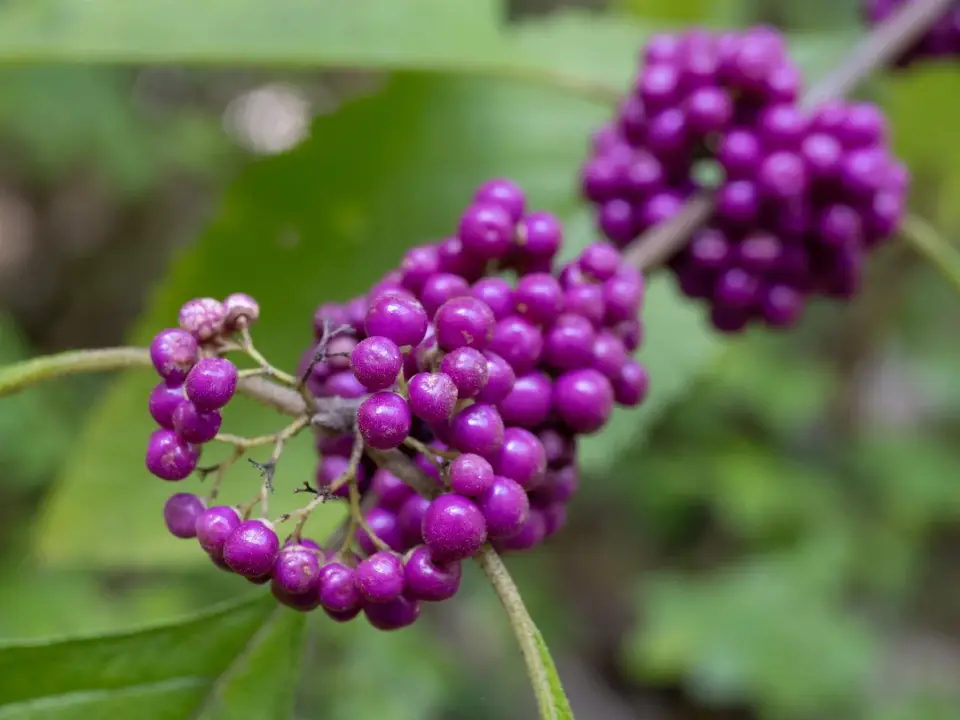
American Beautyberry
A native shrub famous for the clusters of electric-purple berries that wrap around its stems every fall.
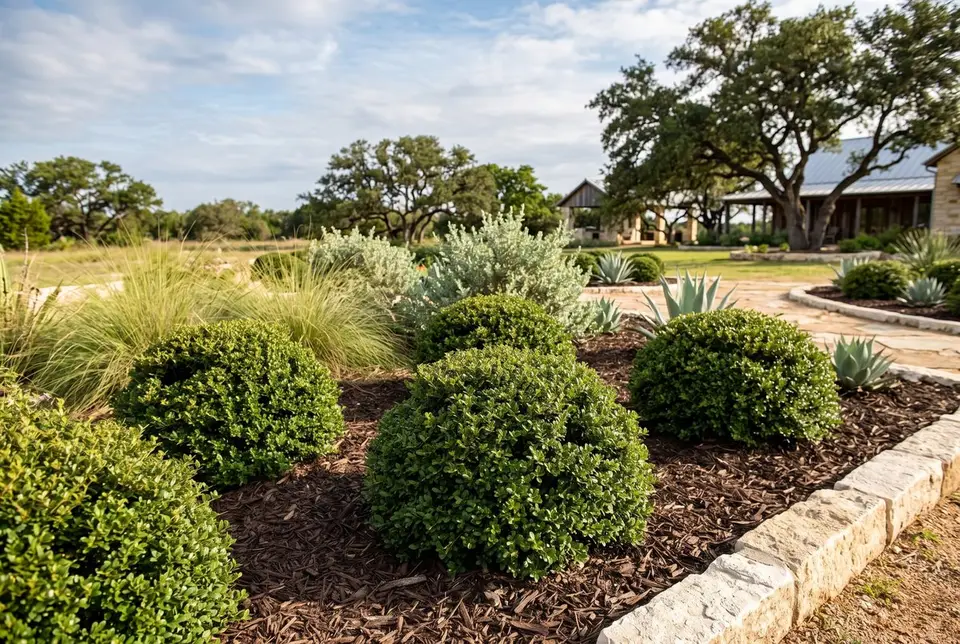
Dwarf Yaupon Holly
Dwarf Yaupon Holly is a compact, mounding evergreen shrub that reaches 3 to 5 feet tall with small, spineless, dark green leaves. It tolerates heat, drought, and clay soil and responds well to shearing for low hedges and borders.
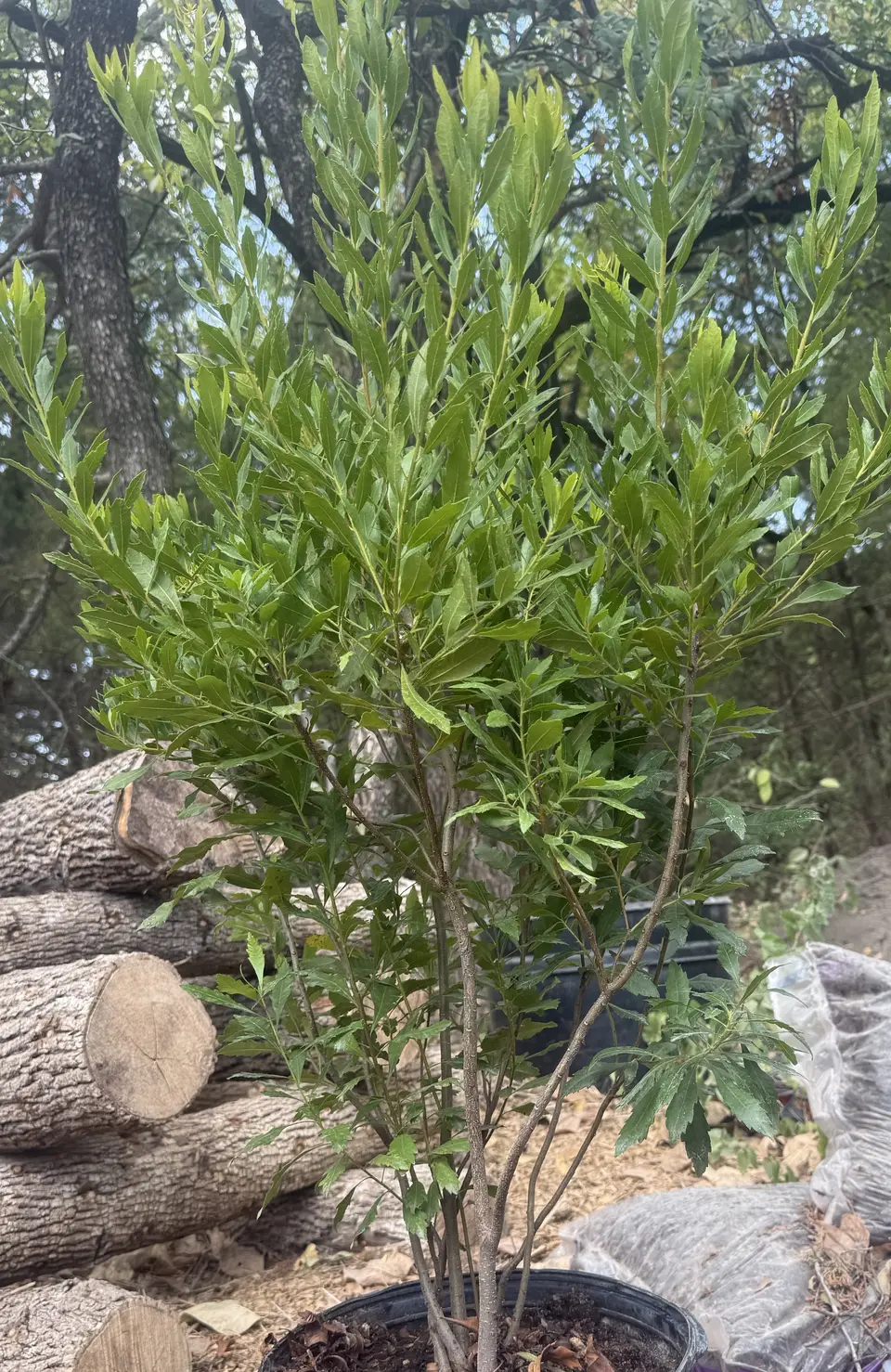
Southern Wax Myrtle
A fast-growing, aromatic native evergreen that screens quickly and thrives in wet or damp spots other shrubs can't handle.