
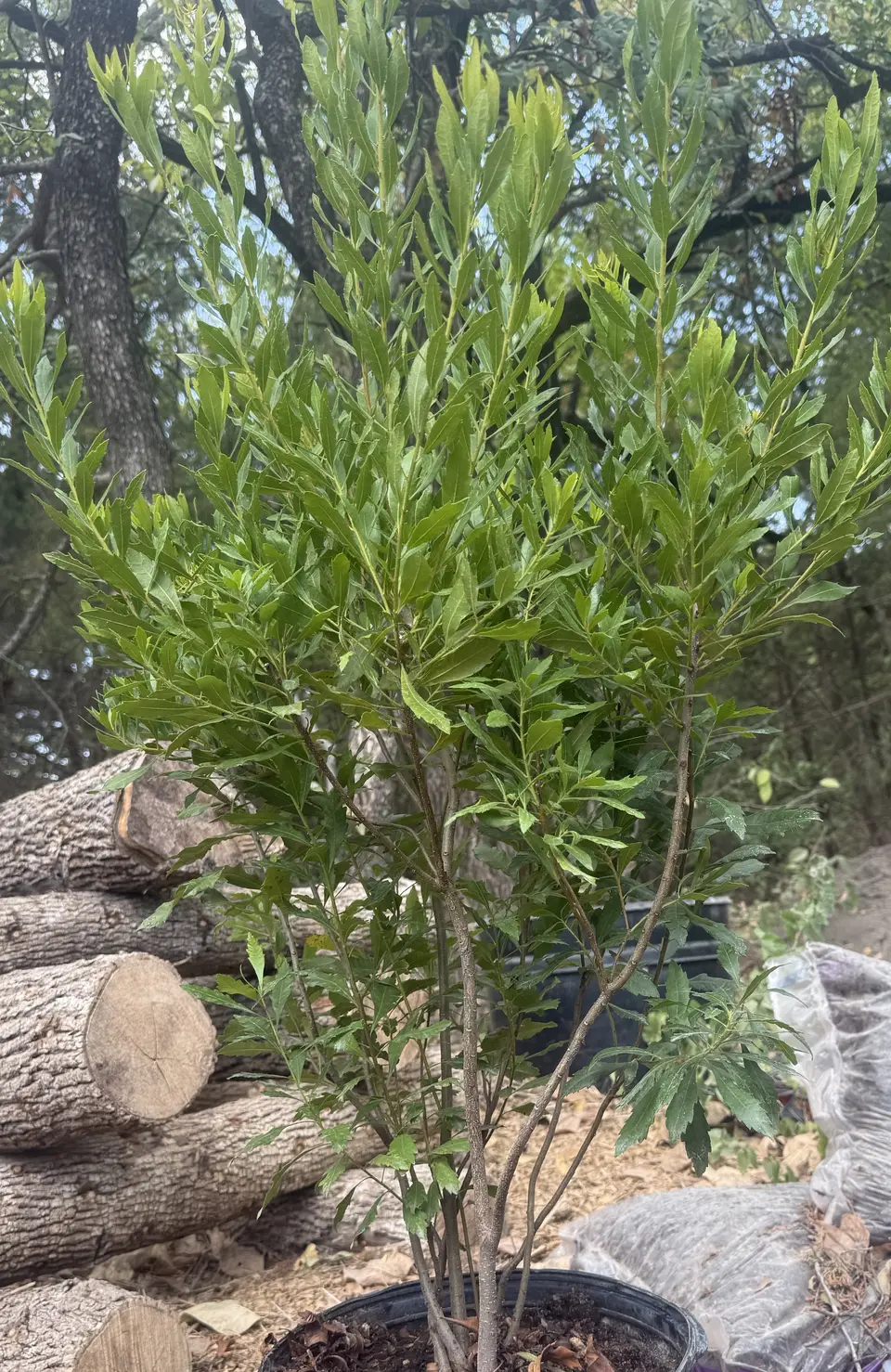
Southern Wax Myrtle
Morella cerifera (syn. Myrica cerifera)

- Sun
- Full Sun, Part Shade
- Water
- Moderate, High, Prefers moist well drained soil
- Mature size
- 6–12 ft tall (occasionally to 20 ft), multi-trunked, similar spread
- Best for
- Birds eat berries, Privacy Screen, Natural hedge, Wildlife cover / habitat
5 Gallon — $45 — only 2 left
About this size
- 5 Gallon
- A larger, more established plant — more size and root system from day one.
Pay at the nursery, plus 6.75% sales tax. Send your request and we'll confirm availability and your pickup time within 24 hours, then hold your plants. How it works
Planting & care
- Growth habit
- Multi-trunked, wispy, evergreen shrub to small tree; dense, fine-textured, aromatic foliage
- Typical bloom
- Mar–Apr
- Cold hardy to
- Zones 7–10
- Soil
- Highly adaptable — sandy, poor, or wet soils; prefers slightly acidic conditions; tolerates some standing water. Can struggle in heavy alkaline Central Texas soils without amendment.
Where to plant
Full sun to part shade. It's highly adaptable to sandy, poor, or wet soil, and prefers slightly acidic conditions — it may need soil improvement in heavy alkaline ground.
Watering
Moderate to high. Unlike most drought-tolerant natives in the lineup, this one tolerates wet soils and some standing water, making it a good choice for a damp spot other shrubs can't handle.
Cutting back
Tolerates hard pruning well — shape it as a formal hedge with regular shearing, or let it grow more naturally as a multi-trunked small tree. Prune after major growth flushes to maintain density, and avoid heavy pruning in late fall ahead of winter.
About Southern Wax Myrtle
For anyone who needs fast, reliable privacy, especially in a low or damp corner of the yard where other screening shrubs struggle, Southern Wax Myrtle is hard to beat. This fast-growing Texas native forms a dense, evergreen, aromatic screen in just a few seasons, and its fine, spicy-scented foliage gives it a refined texture that beats the look of typical hedge shrubs.
Light olive-green, lance-shaped leaves crowd densely along the stems, releasing a strong, spicy fragrance when crushed, while handsome gray bark, nearly white on some plants, adds interest even in winter.
Native to East and Southeast Texas, it thrives in the wet, sandy, or poor soils that frustrate many landscape plants. Female plants produce small blue-gray berries that draw songbirds and other wildlife through fall and winter, adding real ecological value on top of its screening role.
Deer resistant, cold hardy, and low-maintenance once established, it's an easy recommendation for anyone asking about a privacy hedge, windbreak, or a solution for that one spot in the yard that stays soggy.
Where it's native
Southern Wax Myrtle occurs naturally in 3 Texas ecoregions — Pineywoods, Gulf Prairies and Marshes, Post Oak Savannah. Plants grown from local ecotypes are best adapted to our soils and climate here in the blackland prairie and post oak savannah.
- 1Trans-Pecos
- 2High Plains
- 3Rolling Plains
- 4Edwards Plateau
- 5Cross Timbers and Prairies
- 6South Texas Plains
- 7Blackland Prairies
- 8Post Oak Savannah
- 9Gulf Prairies and Marshes
- 10Pineywoods
Plants it grows well with
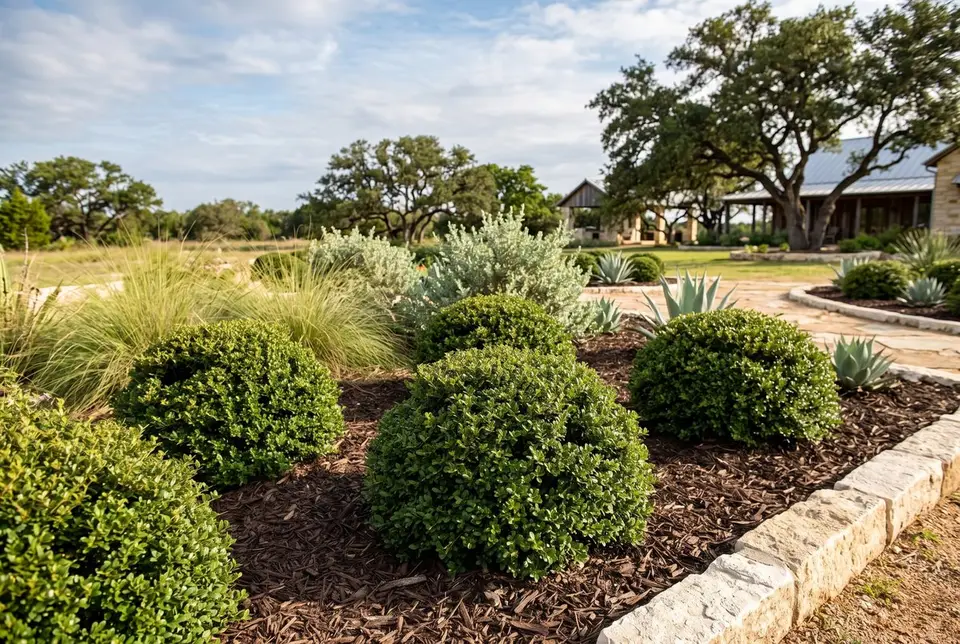
Dwarf Yaupon Holly
Dwarf Yaupon Holly is a compact, mounding evergreen shrub that reaches 3 to 5 feet tall with small, spineless, dark green leaves. It tolerates heat, drought, and clay soil and responds well to shearing for low hedges and borders.
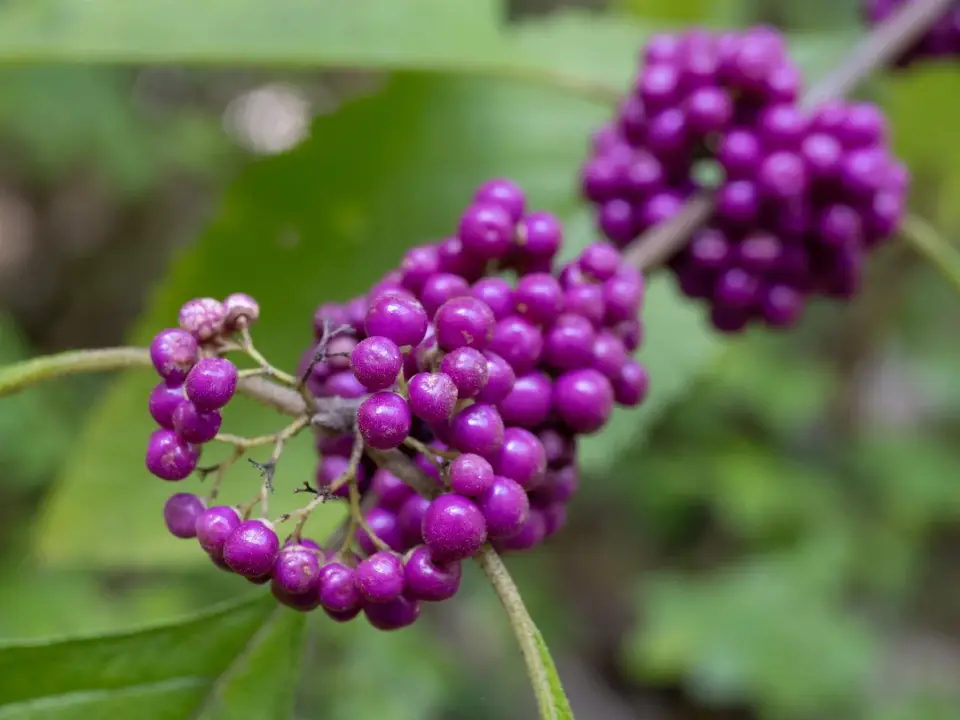
American Beautyberry
A native shrub famous for the clusters of electric-purple berries that wrap around its stems every fall.