Texas Prickly Pear
Opuntia engelmannii
- Sun
- Full Sun, Part Shade
- Water
- Low, Drought tolerant once established
- Mature size
- 3–6 ft tall, spreading 6–10+ ft wide over many years; can form dense thickets
- Best for
- Drought-tolerant Landscaping, Native ecosystem plant, Low maintenance, Wildlife cover / habitat
Gallon — $10
About this size
- Gallon
- Our standard size: a 1-gallon nursery pot, about 6–7 inches across.
Pay at the nursery, plus 6.75% sales tax. Send your request and we'll confirm availability and your pickup time within 24 hours, then hold your plants. How it works
Planting & care
- Growth habit
- Sprawling, clumping to shrubby; forms large multi-pad clumps or low thickets over time; pads (cladodes) can grow rounded/oval or elongated depending on light and genetics
- Typical bloom
- May–Jun
- Cold hardy to
- Zones 7–10
- Soil
- Extremely adaptable — rocky, sandy, caliche, or clay; limestone-tolerant; excellent drainage essential, will rot in heavy wet clay or low spots
Where to plant
Full sun to part shade — full sun gives the most compact form and best bloom. Extremely adaptable soil — rocky, sandy, caliche, or clay all work as long as drainage is good.
Watering
Low once established. Water sparingly the first season to help roots establish; after that, rainfall is normally enough across most of Texas. Never let it sit in standing water.
Handling
Spines and glochids (tiny barbed hairs) are sharp and easily embedded in skin — always handle with tongs or thick gloves, and site away from high foot traffic.
About Texas Prickly Pear
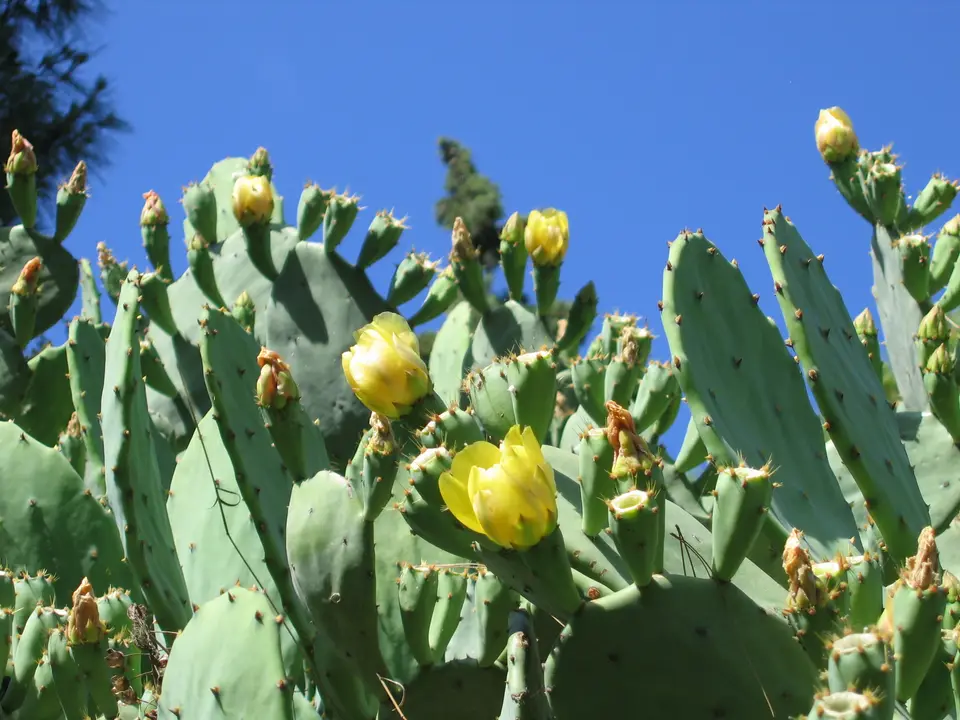
For a plant that laughs at drought, poor soil, and neglect, Texas Prickly Pear is about as tough as it gets. This native cactus forms sculptural, blue-green clumps of flattened pads that light up with big yellow blooms in late spring, followed by deep purple-red fruit that birds, and adventurous cooks, both love. It asks for nothing once established: no fertilizer, no supplemental water, no pest spraying.
Native across almost all of Texas, it's been part of the landscape, and homesteads, for generations, often planted as a living, thorny hedge along property lines. It thrives in rocky, sandy, or clay soil as long as drainage is decent, and shrugs off summer heat that wilts everything else in the yard.
It's a striking architectural accent for xeriscapes, slopes, and wildlife gardens, and a genuine piece of old Texas for anyone who wants a low-water landscape with real character.
A note on handling: the spines and tiny glochids are no joke, so it's best sited where foot traffic won't brush against it.
Where it's native
Texas Prickly Pear occurs naturally in 7 Texas ecoregions — Blackland Prairies, Cross Timbers and Prairies, Edwards Plateau, South Texas Plains, Rolling Plains, Trans-Pecos, High Plains. Plants grown from local ecotypes are best adapted to our soils and climate here in the Blackland Prairies.
- 1Trans-Pecos
- 2High Plains
- 3Rolling Plains
- 4Edwards Plateau
- 5Cross Timbers and Prairies
- 6South Texas Plains
- 7Blackland Prairies
- 8Post Oak Savannah
- 9Gulf Prairies and Marshes
- 10Pineywoods
Plants it grows well with
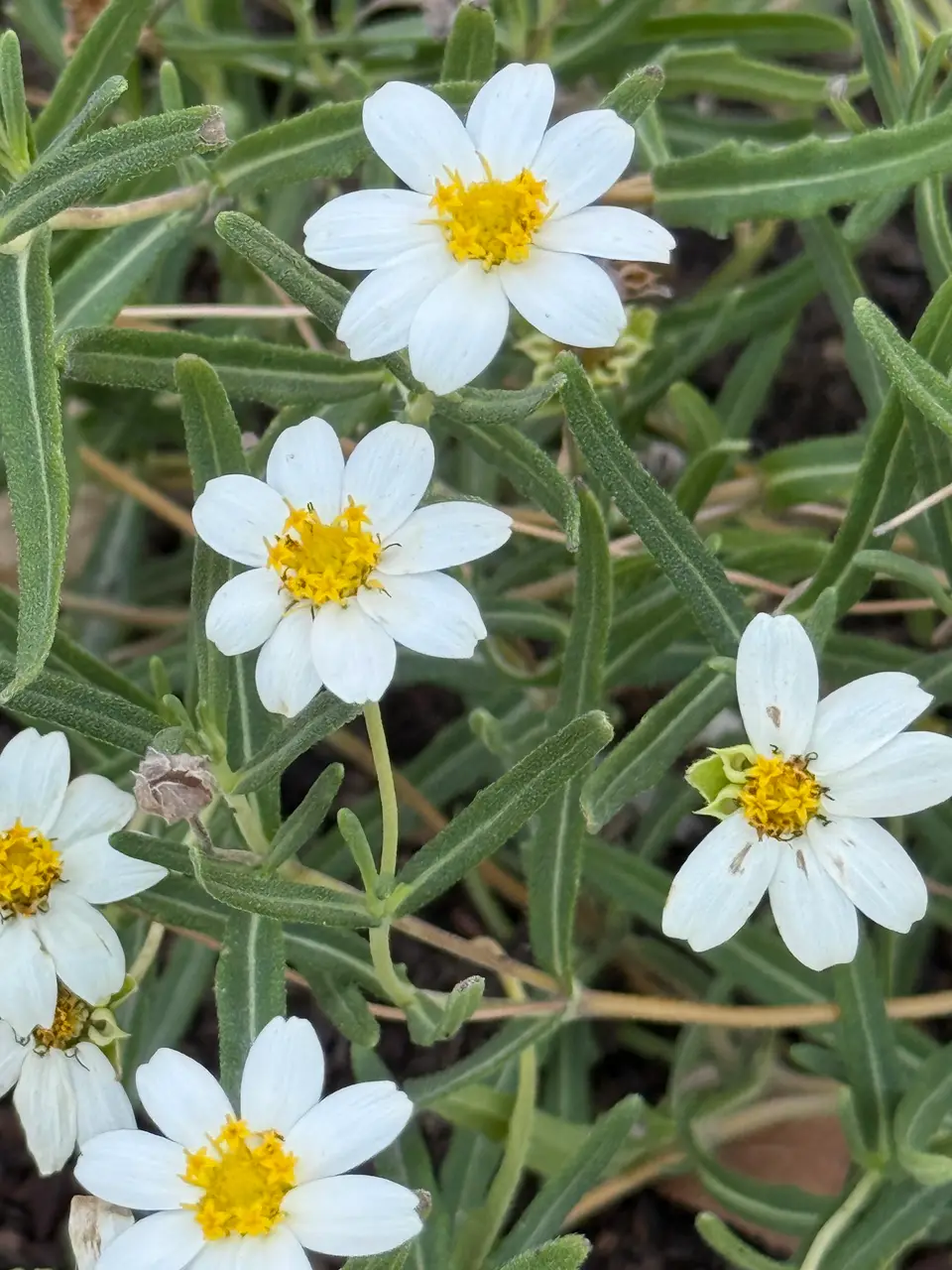
Blackfoot Daisy
A drought-proof native perennial with cheerful white, daisy-like blooms from spring through frost.
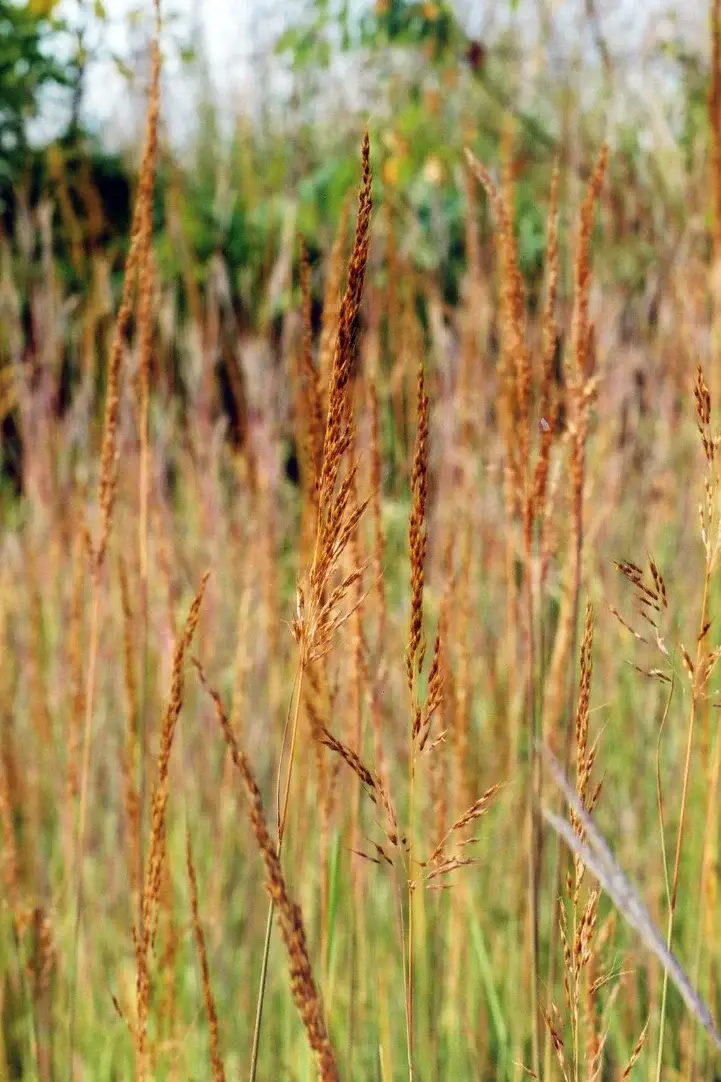
Indiangrass
An iconic tallgrass prairie grass with shimmering copper-bronze seed plumes that dominate the fall landscape.
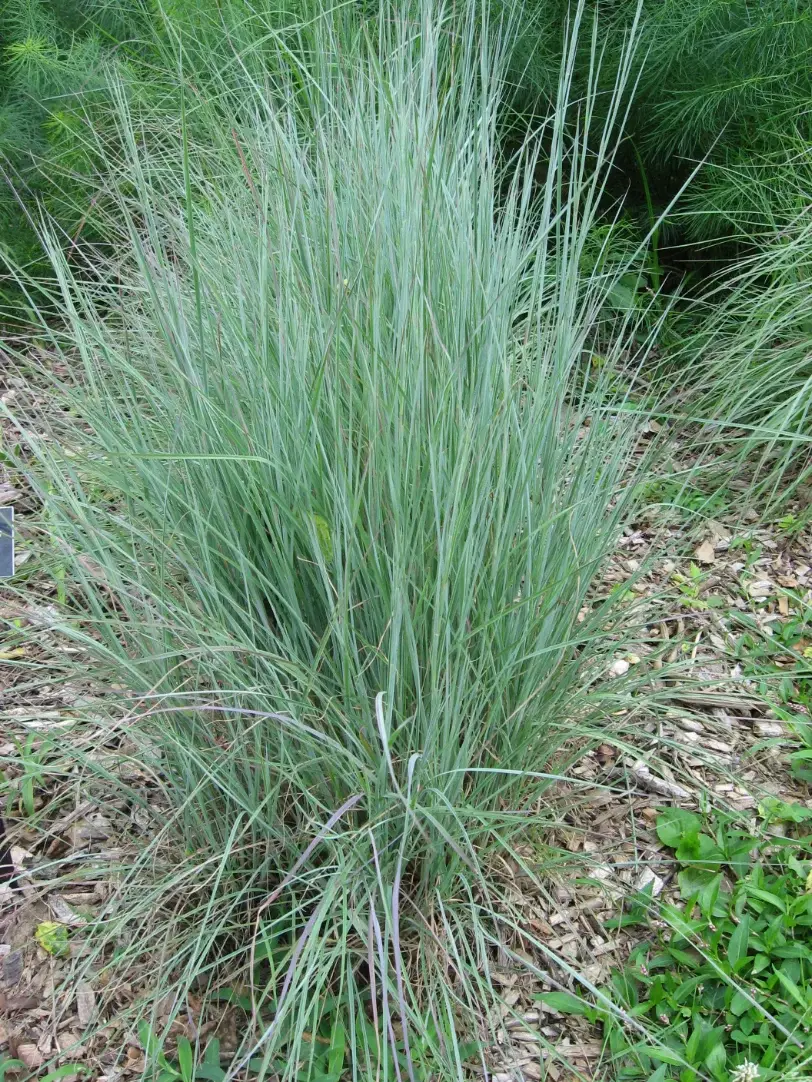
Little Bluestem
A native prairie grass with striking fall color that shifts from blue-green to fiery red and copper.
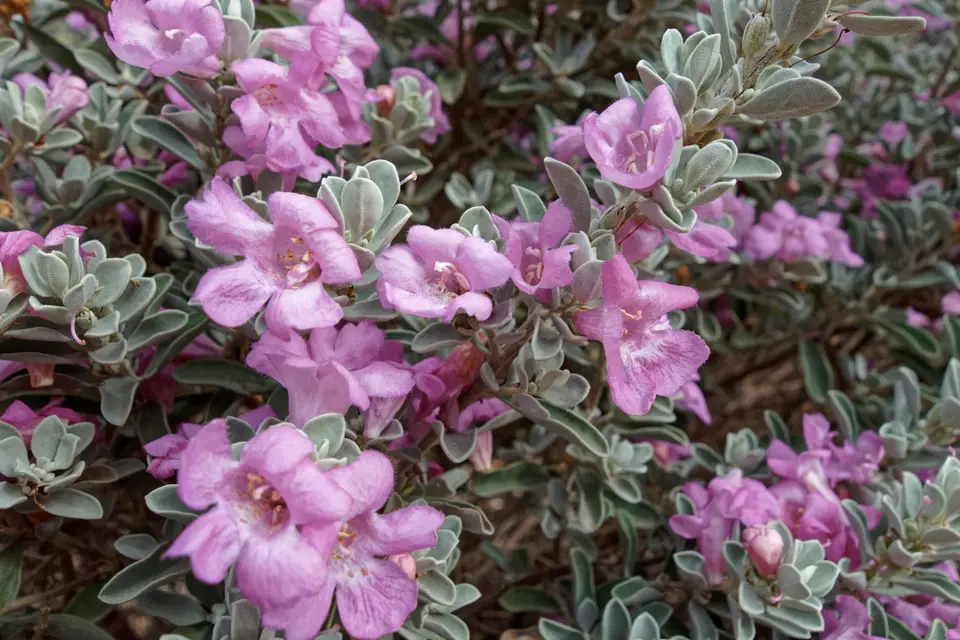
Texas Sage
A silver-leaved native shrub that erupts in surprise blooms after every rain — the legendary "barometer bush."
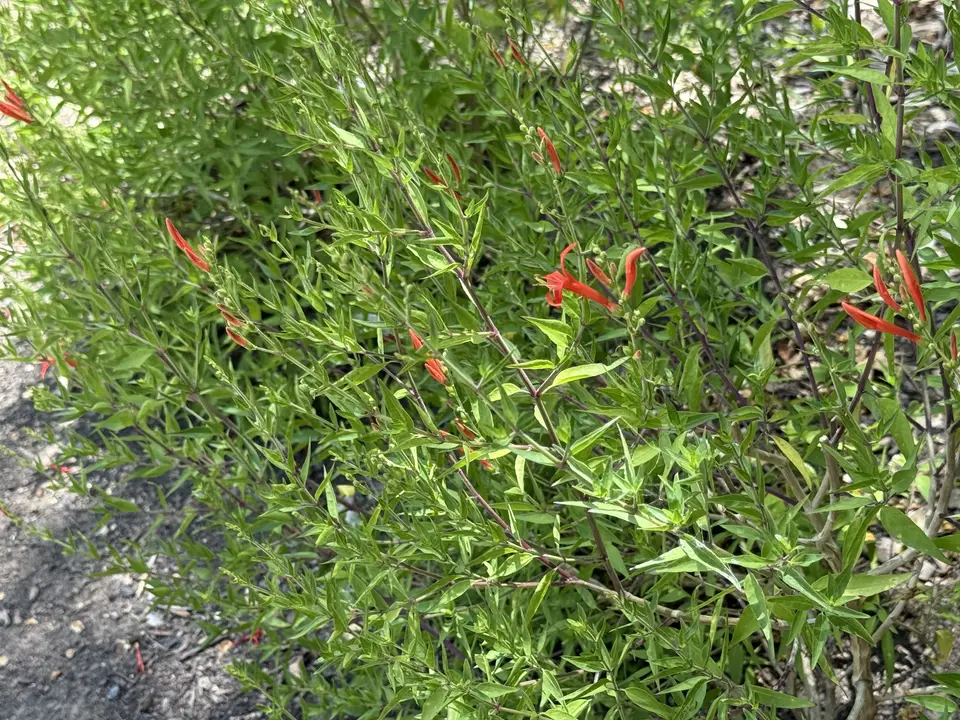
Flame Acanthus
A Texas native hummingbird magnet with brilliant orange-red tubular blooms from late spring through fall.