Mexican Mint Marigold
Tagetes lucida
- Sun
- Full Sun, Part Shade
- Water
- Moderate, Drought tolerant once established
- Mature size
- 2–3 ft tall, 2–3 ft wide
- Best for
- Pollinator Plant, Herb, Low maintenance, Wildlife cover / habitat
Gallon — $10
About this size
- Gallon
- Our standard size: a 1-gallon nursery pot, about 6–7 inches across.
Pay at the nursery, plus 6.75% sales tax. Send your request and we'll confirm availability and your pickup time within 24 hours, then hold your plants. How it works
Planting & care
- Growth habit
- Upright to mounding; multi-stemmed; bushy with age
- Typical bloom
- Aug–Nov
- Cold hardy to
- Zones 8–10
- Soil
- Well-drained loam, sandy loam, or rocky soil; limestone-tolerant; does not tolerate standing water or heavy wet clay
Where to plant
Full sun to part shade, with the best blooming and most compact habit in full sun. It's adaptable to well-drained loam, sandy loam, or rocky soil; good drainage is essential.
Watering
Moderate once established. Water regularly the first season to build roots; after that, minimal supplemental watering is needed across most of Texas.
Cutting back
Cut back by a third to a half in late February or early March, just before new growth starts. A light shear after a heavy bloom flush encourages the next wave of flowers.
About Mexican Mint Marigold
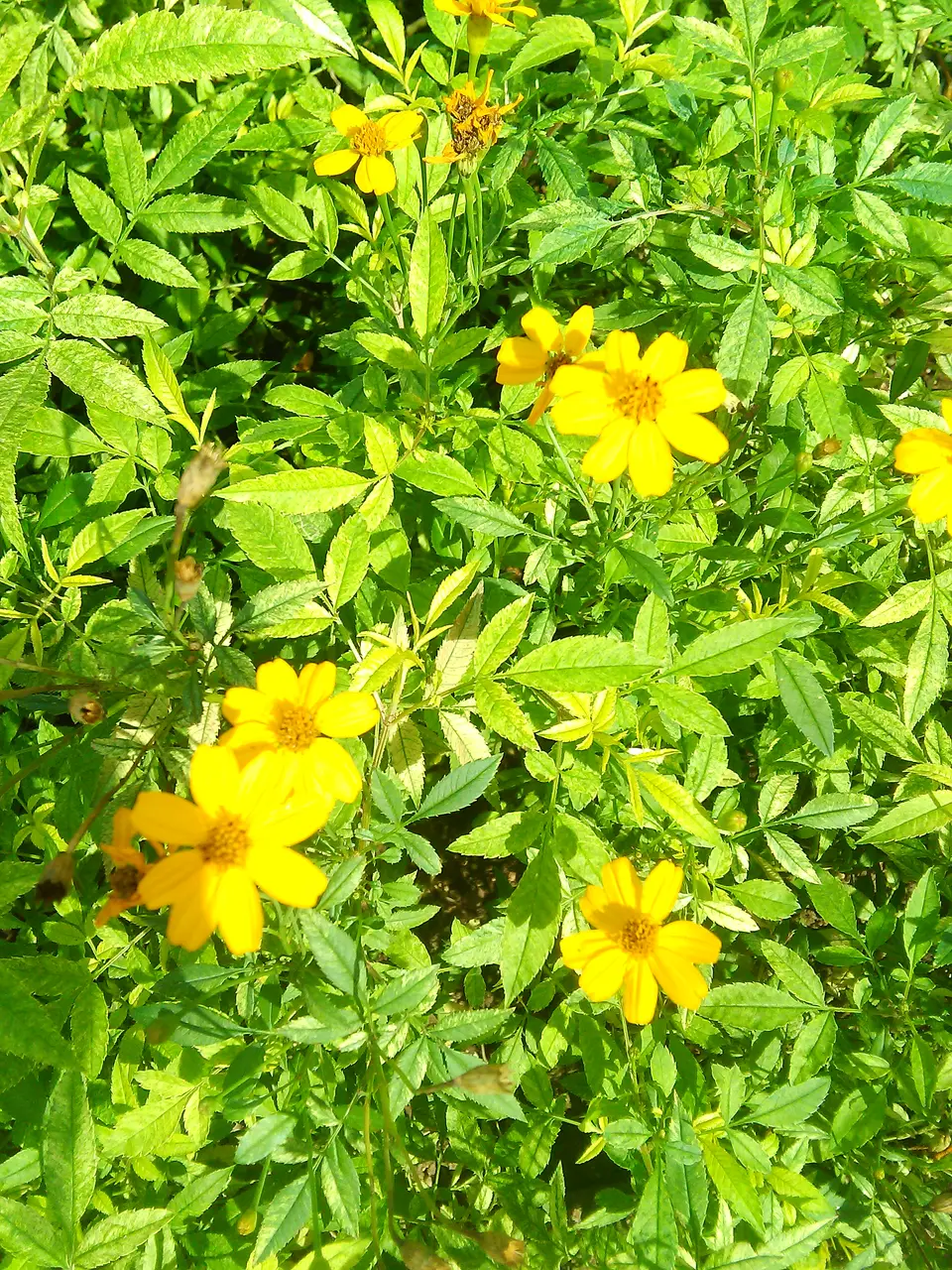
If you want a plant that perfumes the garden every time you brush past it, blooms golden-yellow from August straight through the first hard frost, and doubles as a culinary herb you can actually cook with, Mexican Tarragon is the one. This underappreciated gem produces waves of bright marigold-like flowers at exactly the time of year when most everything else in the garden is winding down, filling borders and herb beds with warm color all the way into November.
The anise-tarragon fragrance alone stops people in their tracks — one brush of the narrow, glossy leaves and the resemblance to French tarragon is unmistakable, though this plant handles Texas heat far better than its French cousin ever could. Leaves and flowers are fully edible, going into chicken dishes, herb butters, salad dressings, vinegars, teas, and cocktails.
It's also a genuine butterfly plant, drawing sulphurs, skippers, and native bees during fall migration season, right when that late-season nectar matters most.
Once established, it asks for almost nothing: no special soil, minimal water after the first season, and just one annual cutback in late winter. Drought tolerant, heat tolerant, and deer resistant, it delivers a fragrant, edible, wildlife-supporting fall show from a single easy-care plant.
Plants it grows well with
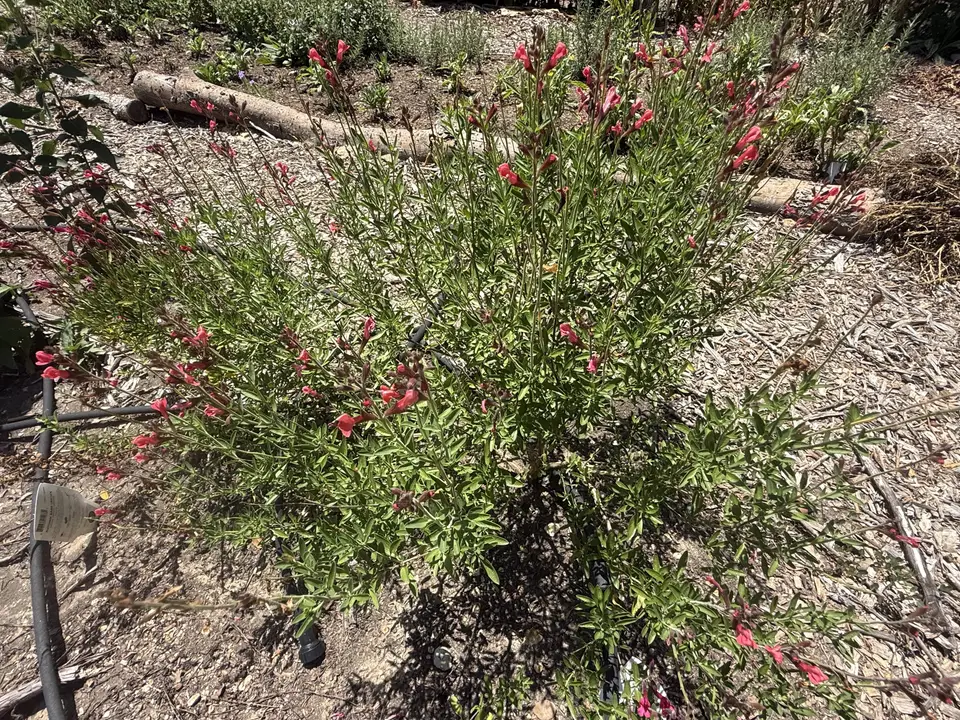
Autumn Sage
A compact, drought-tolerant native shrub that blooms nearly year-round in reds, corals, pinks, and whites.
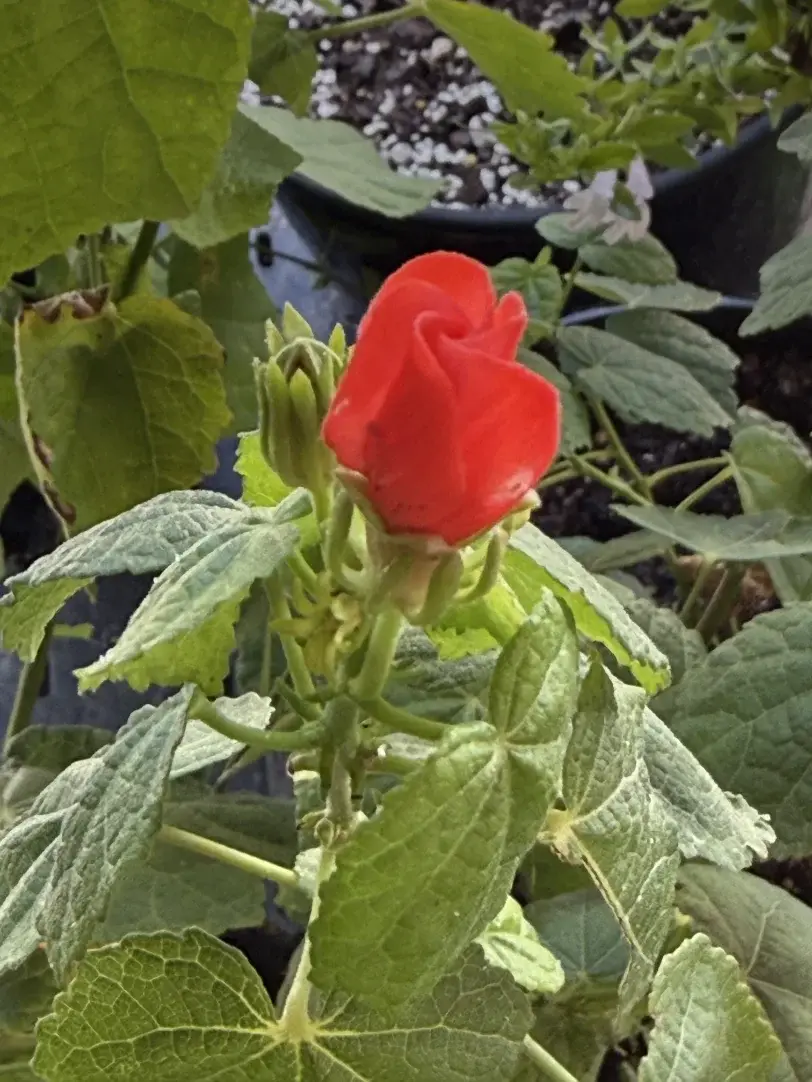
Turk’s Cap
A shade-loving native perennial with distinctive spiraled red blooms that flower nonstop from late spring through fall.
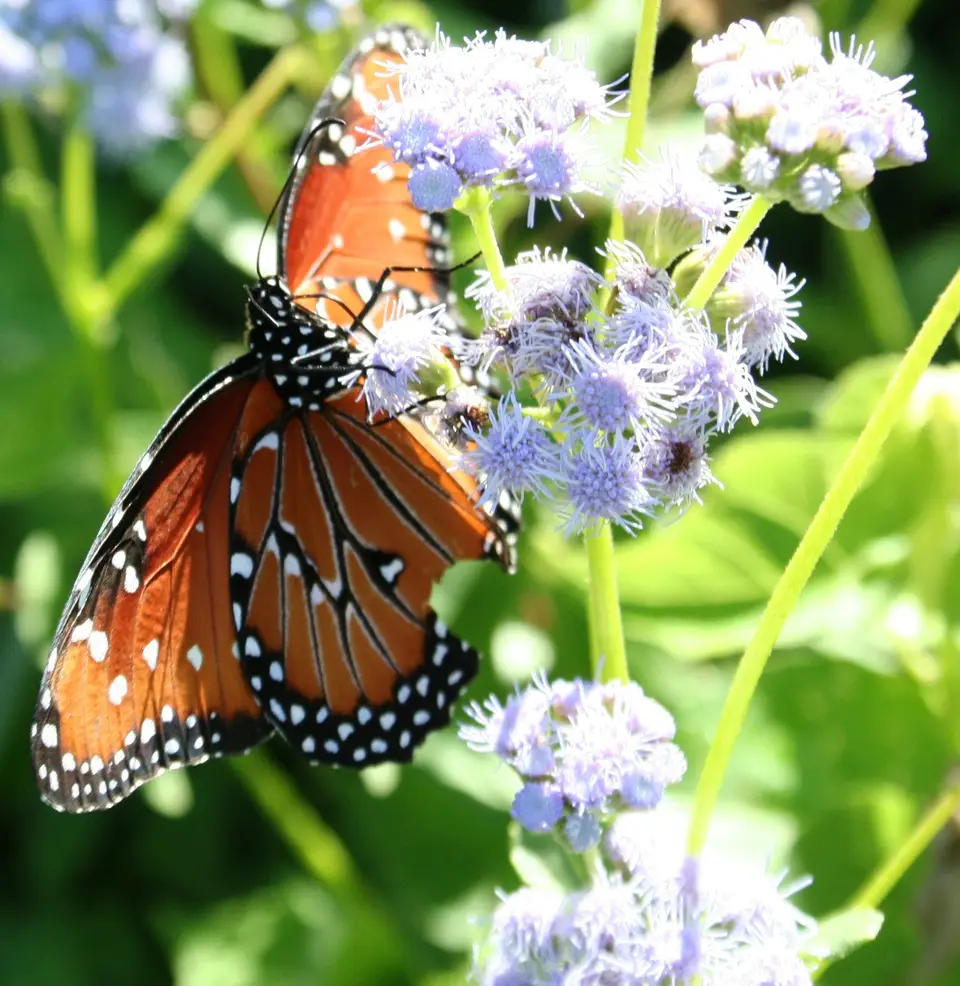
Blue Mistflower
A native perennial that erupts into clouds of soft blue-purple blooms just as fall pollinator activity peaks.
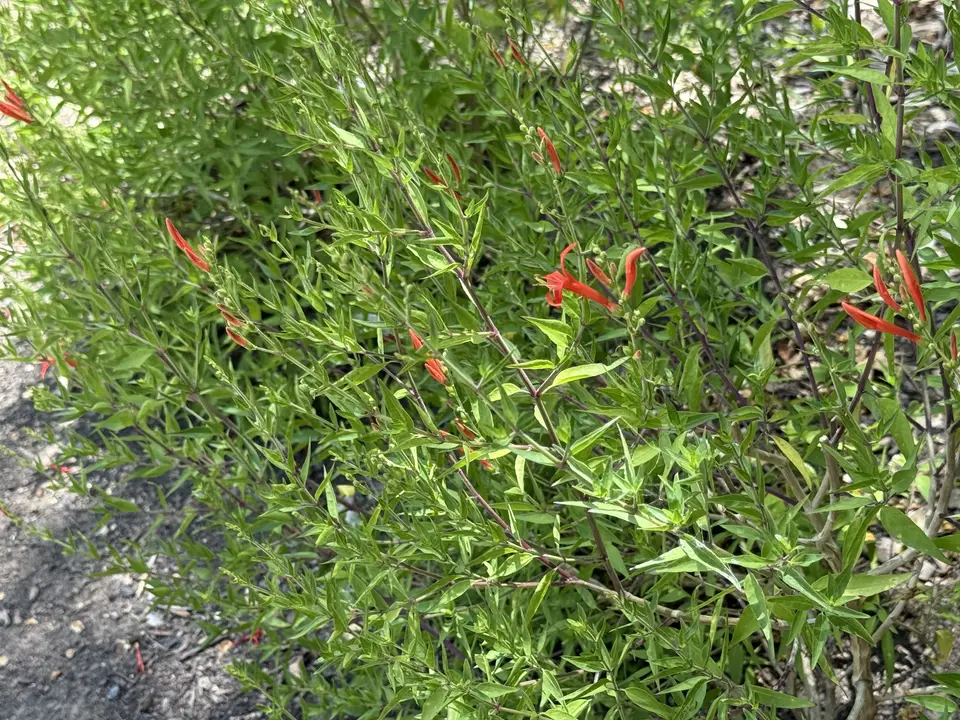
Flame Acanthus
A Texas native hummingbird magnet with brilliant orange-red tubular blooms from late spring through fall.
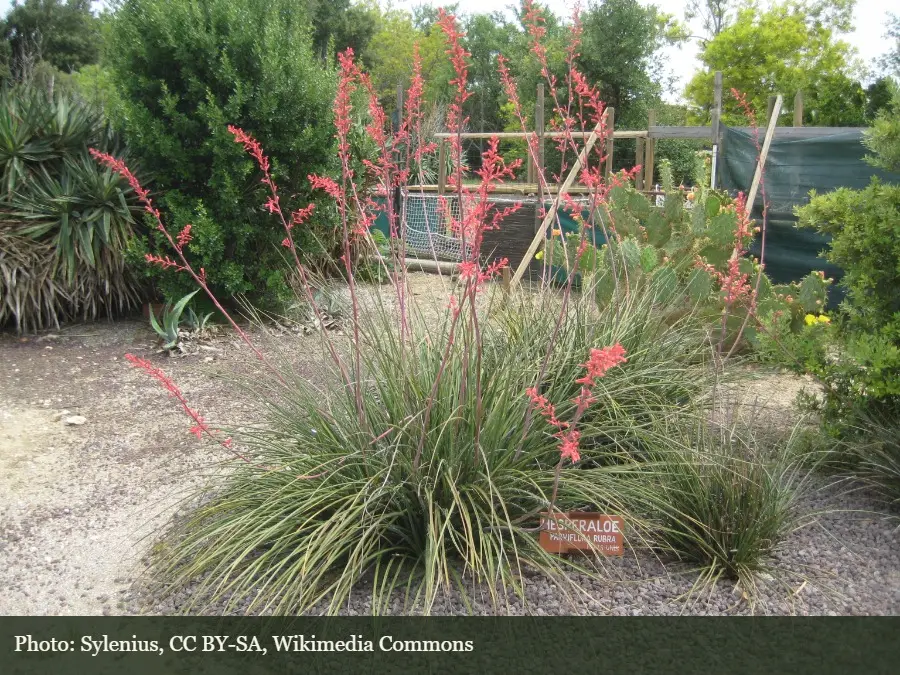
Red Yucca
A soft-leaved, drought-proof native accent plant with towering coral-red blooms that hummingbirds visit all season.