Common Persimmon
Diospyros virginiana
- Sun
- Full Sun, Part Shade
- Water
- Low, Moderate, Drought tolerant once established
- Mature size
- 35–60 ft tall, 25–35 ft wide (up to 80 ft; can maintain 15 ft shrub-like form in poor conditions)
- Best for
- Birds eat berries, Wildlife cover / habitat, Edible Fruit, Ornamental Tree
Gallon — $18 — only 3 left
About this size
- Gallon
- Our standard size: a 1-gallon nursery pot, about 6–7 inches across.
Pay at the nursery, plus 6.75% sales tax. Send your request and we'll confirm availability and your pickup time within 24 hours, then hold your plants. How it works
Planting & care
- Growth habit
- Upright with oval to rounded crown at maturity. Develops a deep taproot. Spreads by root suckers and can naturalize into thickets. Distinctive alligator-texture bark develops with age.
- Typical bloom
- May–Jun
- Cold hardy to
- Zones 4–9
- Soil
- Highly adaptable — sandy, loamy, or clay soils; tolerates limestone, poor soils, and alkaline pH well. Grows best in moist, well-drained soil but handles drought and rocky conditions. Avoid prolonged waterlogging.
Where to plant
Full sun to part shade — best fruit production comes with full sun, though it also grows well in shadier woodland settings. It's highly adaptable to sandy, loamy, or clay soil, including limestone and alkaline conditions.
Watering
Water regularly the first growing season to help establish the deep taproot. After that, it's highly drought tolerant and rarely needs supplemental water.
Cutting back
Minimal pruning needed. Remove only dead, diseased, or crossing branches in late winter — avoid heavy pruning, which can trigger unwanted root suckers. Trees are dioecious, so plant at least one of each sex nearby if fruit is the goal.
About Common Persimmon
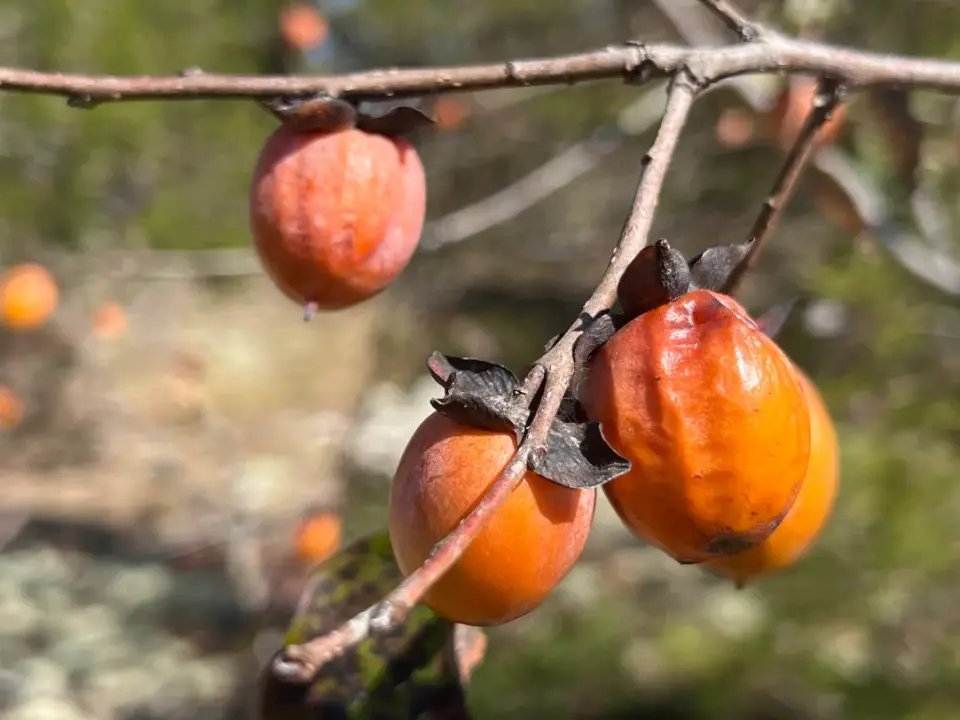
Common Persimmon is one of North Texas's most generous native trees — generous with its wildlife, generous with its fruit, and generous with its beauty across every season. In fall, when the leaves turn shades of yellow, orange, and burgundy and the branches hang heavy with rounded orange fruits, it becomes one of the most striking trees on any property.
That's before counting everything that eats those fruits: white-tailed deer, raccoons, opossums, foxes, coyotes, wild turkeys, and dozens of songbird species that depend on persimmon as a critical fall and winter food source. Few native trees do more ecological work through the cold months.
As the tree matures, its bark develops into a distinctive alligator-block pattern — deeply furrowed into small, dark, rectangular plates that give even a bare winter tree real visual interest. It can be grown as a clean single specimen or allowed to naturalize into thicket habitat that wildlife especially loves.
The fruit is edible for people too — rich, sweet, and almost caramel-like with a hint of date, but only once fully ripe and soft after the first frost; unripe fruit is famously astringent. Native across the eastern two-thirds of Texas, this is a tree built to handle limestone clay, summer drought, and hard freezes, planted once and left to become an anchor of the landscape for generations.
Where it's native
Common Persimmon occurs naturally in 5 Texas ecoregions — Pineywoods, Post Oak Savannah, Blackland Prairies, Cross Timbers and Prairies, Gulf Prairies and Marshes. Plants grown from local ecotypes are best adapted to our soils and climate here in the Blackland Prairies.
- 1Trans-Pecos
- 2High Plains
- 3Rolling Plains
- 4Edwards Plateau
- 5Cross Timbers and Prairies
- 6South Texas Plains
- 7Blackland Prairies
- 8Post Oak Savannah
- 9Gulf Prairies and Marshes
- 10Pineywoods
Plants it grows well with
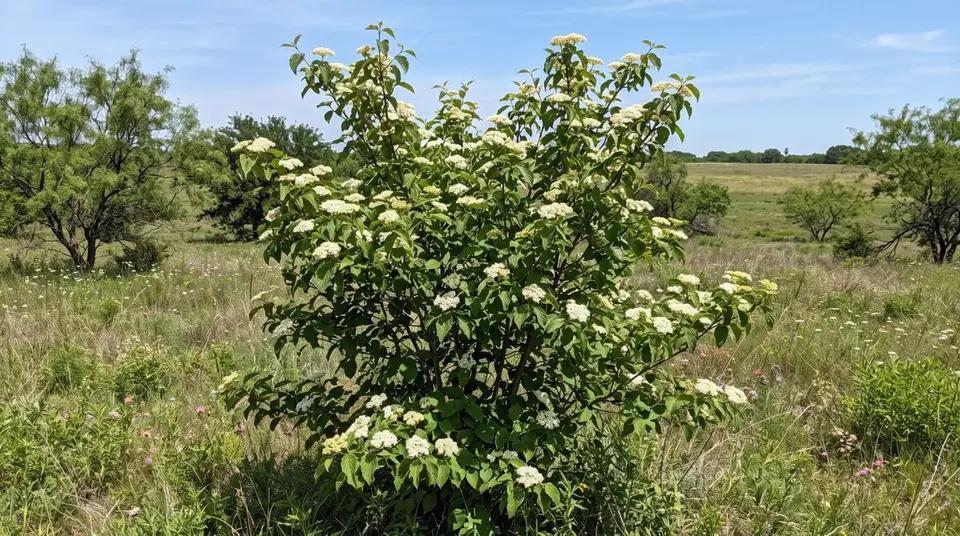
Roughleaf Dogwood
A fast-growing native shrub that forms a dense, bird-filled privacy screen with spring blooms and summer berries.
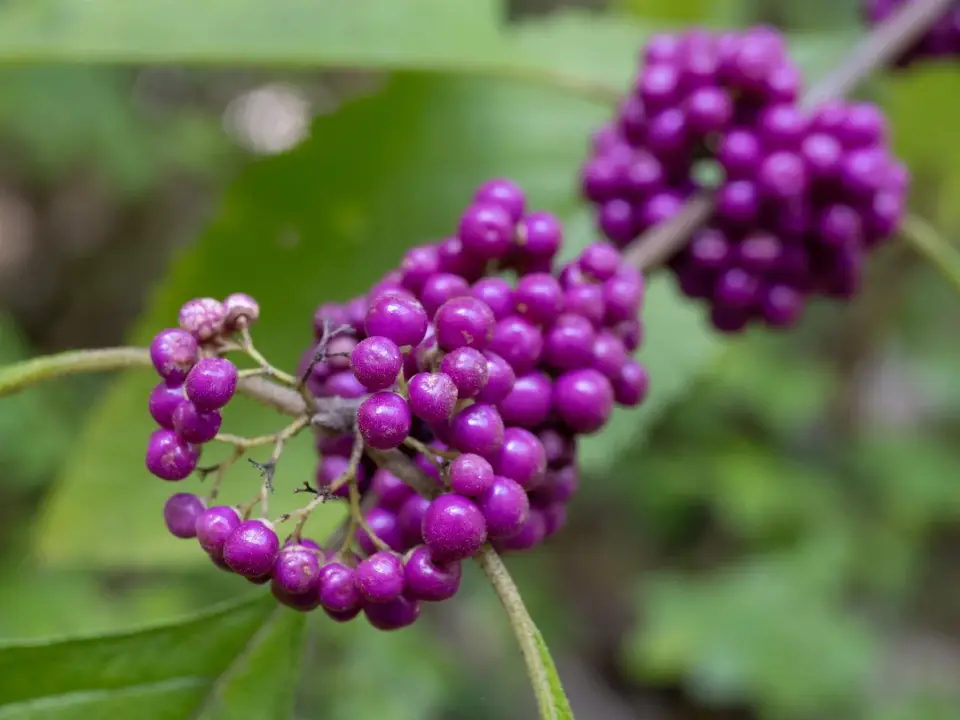
American Beautyberry
A native shrub famous for the clusters of electric-purple berries that wrap around its stems every fall.
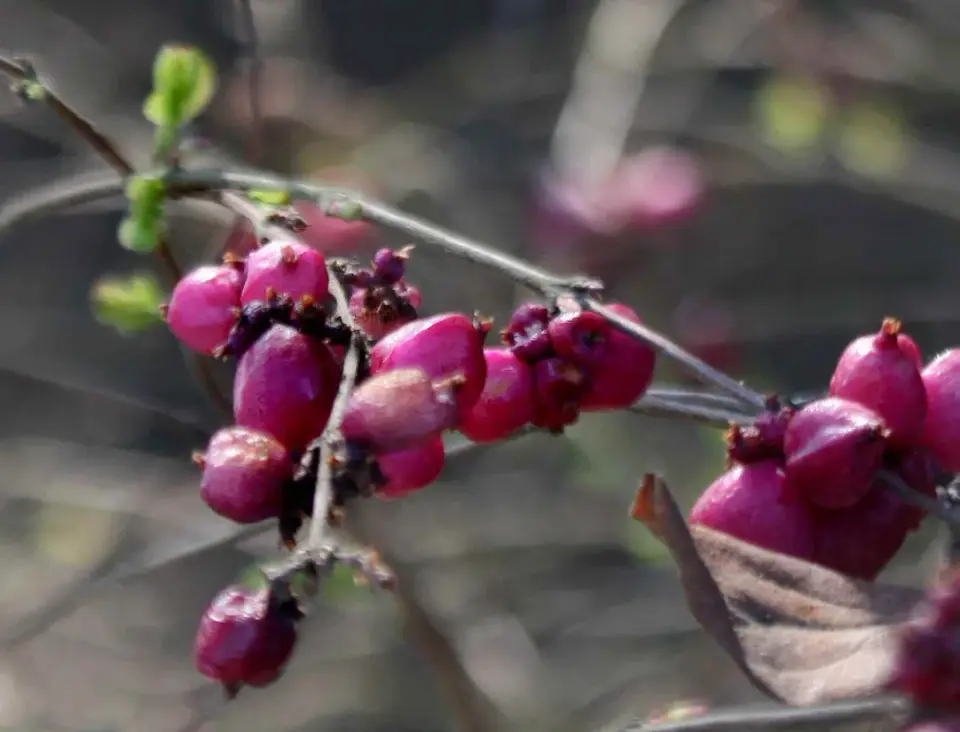
Coralberry
A tough, shade-tolerant native shrub that transforms every fall into a striking display of coral-pink to magenta berries.
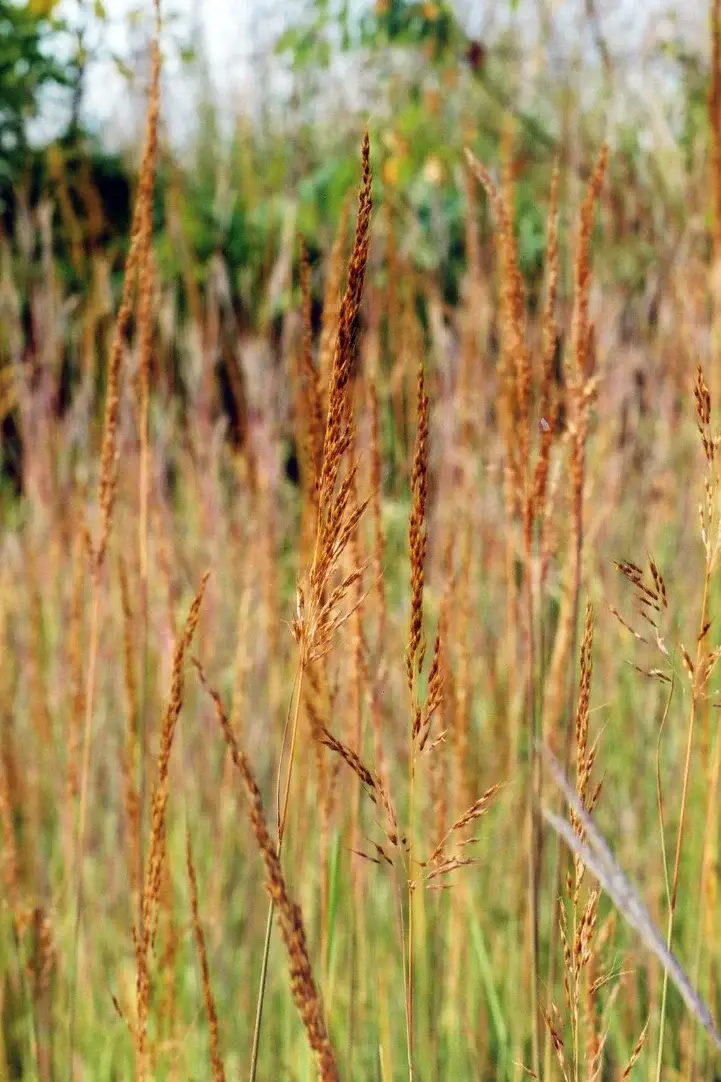
Indiangrass
An iconic tallgrass prairie grass with shimmering copper-bronze seed plumes that dominate the fall landscape.
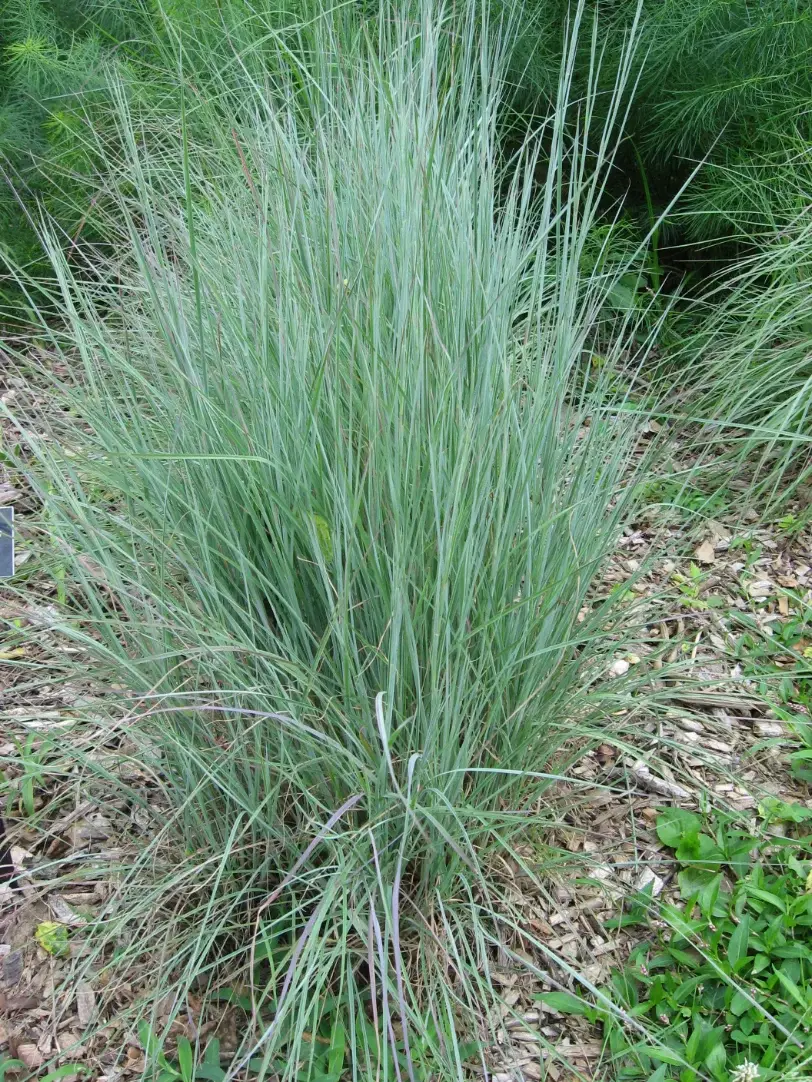
Little Bluestem
A native prairie grass with striking fall color that shifts from blue-green to fiery red and copper.
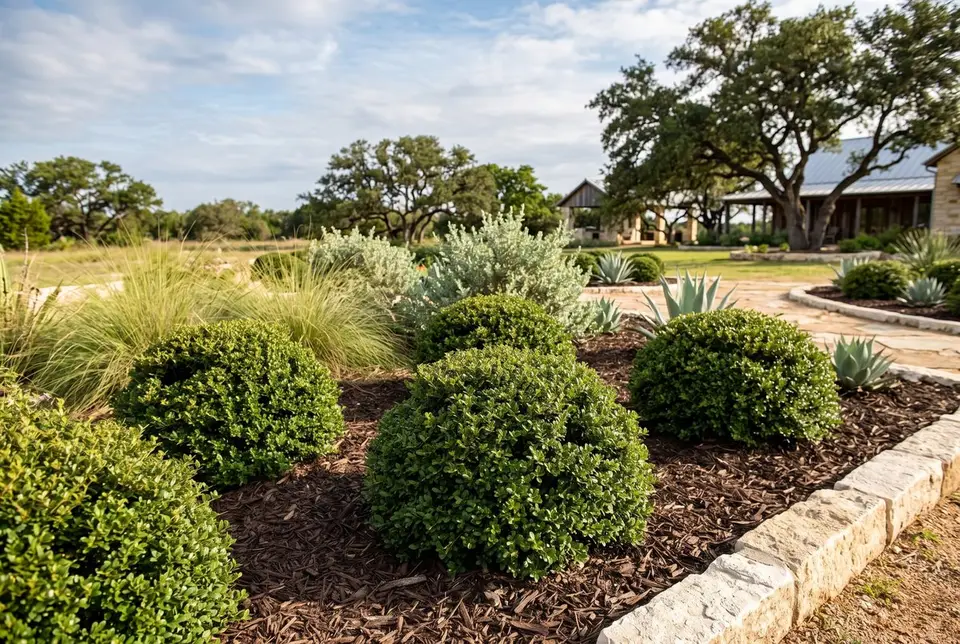
Dwarf Yaupon Holly
Dwarf Yaupon Holly is a compact, mounding evergreen shrub that reaches 3 to 5 feet tall with small, spineless, dark green leaves. It tolerates heat, drought, and clay soil and responds well to shearing for low hedges and borders.