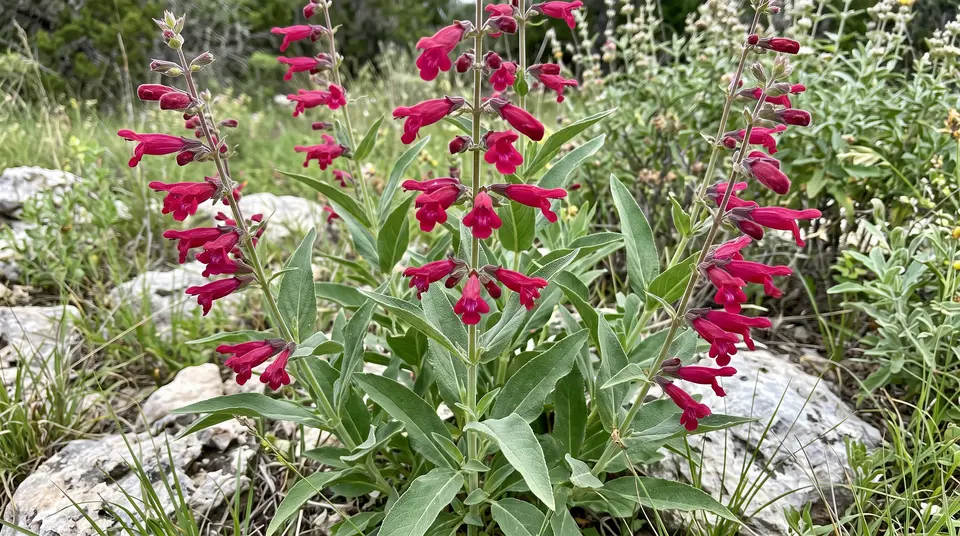
Texas Big Red Sage
Salvia pentstemonoides
- Sun
- Full Sun, Part Shade
- Water
- Moderate
- Mature size
- 3–5 ft tall × 2–4 ft wide
- Best for
- Hummingbird attractor, Collector Species
Planting & care
- Growth habit
- Upright clumping perennial with tall flowering spikes
- Typical bloom
- May–Oct
- Cold hardy to
- Zones 7–9
- Soil
- Well-drained soils; adapts to clay if drainage is reasonable; prefers enriched soil more than many xeric Texas natives
Where to plant
Full sun to part shade, with the best bloom production and deepest flower color in full sun; light afternoon shade can help during the hottest North Texas weeks. It wants well-drained soil with moderate fertility — a quality mix with some compost works better here than for most Texas natives.
Watering
Moderate and consistent. Unlike most prairie natives, this plant benefits from regular watering through the growing season and shouldn't go completely dry for long. Good drainage still matters — avoid standing water.
Cutting back
Cut back by a third after heavy bloom flushes to encourage the next wave of flowers. A hard cutback to 6–10 inches in late February keeps it vigorous and well-branched. Deadheading spent spikes extends the bloom season.
About Texas Big Red Sage
Most people who want to attract hummingbirds reach for Turk's Cap or a red salvia cultivar. Both are fine choices. But there's a native Texas sage, rare in the wild and almost entirely absent from nurseries, with flowers a deeper and more vivid red than almost anything else in the regional native palette, that stops hummingbirds in their tracks in a way those other plants simply don't. It's called Texas Big Red Sage.
Endemic to a small range in the Texas Hill Country, rocky canyon slopes and limestone ledges where conditions are just right, it translates in the garden into a 3 to 5 foot clumping perennial with tall spikes of deep crimson tubular flowers that open continuously from May through October. There's no cultivated hybrid, no mass-produced imitation here — this is the actual native plant.
Ruby-throated hummingbirds on their northward spring migration find it quickly. Black-chinned hummingbirds that summer in North Texas return to it repeatedly through the season. The blooms are exactly the right size, shape, and color for hummingbird feeding, and the long bloom window keeps the birds coming back through fall migration too.
It's not a low-maintenance plant in the same way a drought-adapted prairie species is — it appreciates consistent moisture and responds well to good soil. But for anyone who wants something exceptional, genuinely rare, and actively hummingbird-attracting for five months a year, it earns every bit of the effort.
Where it's native
Texas Big Red Sage occurs naturally in one Texas ecoregion — Edwards Plateau. Plants grown from local ecotypes are best adapted to our soils and climate here in the blackland prairie and post oak savannah.
- 1Trans-Pecos
- 2High Plains
- 3Rolling Plains
- 4Edwards Plateau
- 5Cross Timbers and Prairies
- 6South Texas Plains
- 7Blackland Prairies
- 8Post Oak Savannah
- 9Gulf Prairies and Marshes
- 10Pineywoods
Plants it grows well with
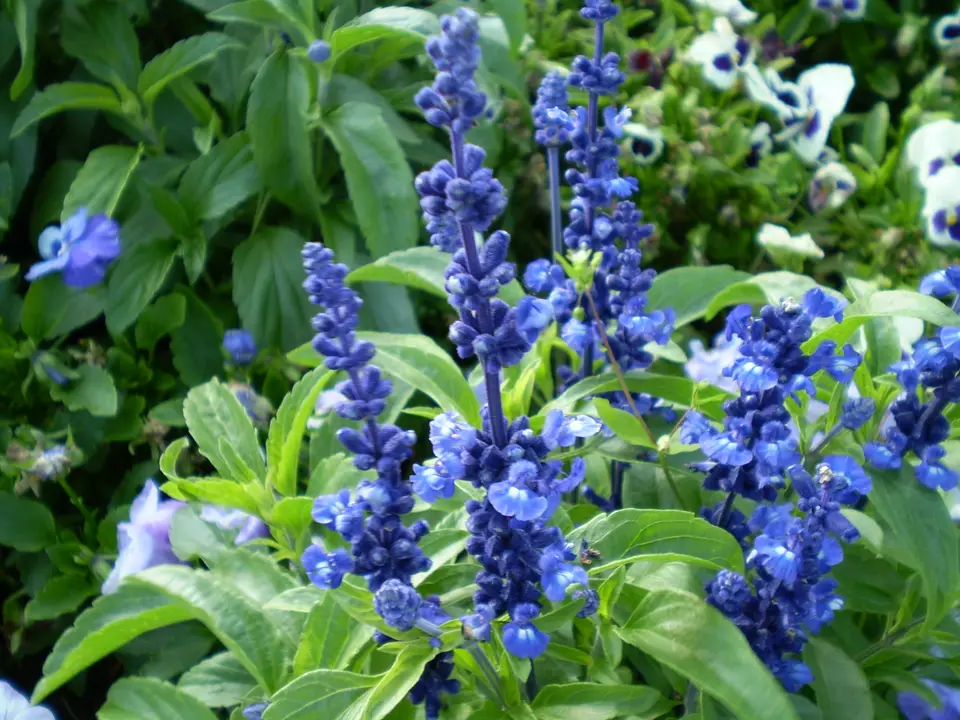
Mealy Blue Sage
A native blue-violet sage with a long bloom season and one of the best pollinator draws in North Texas.
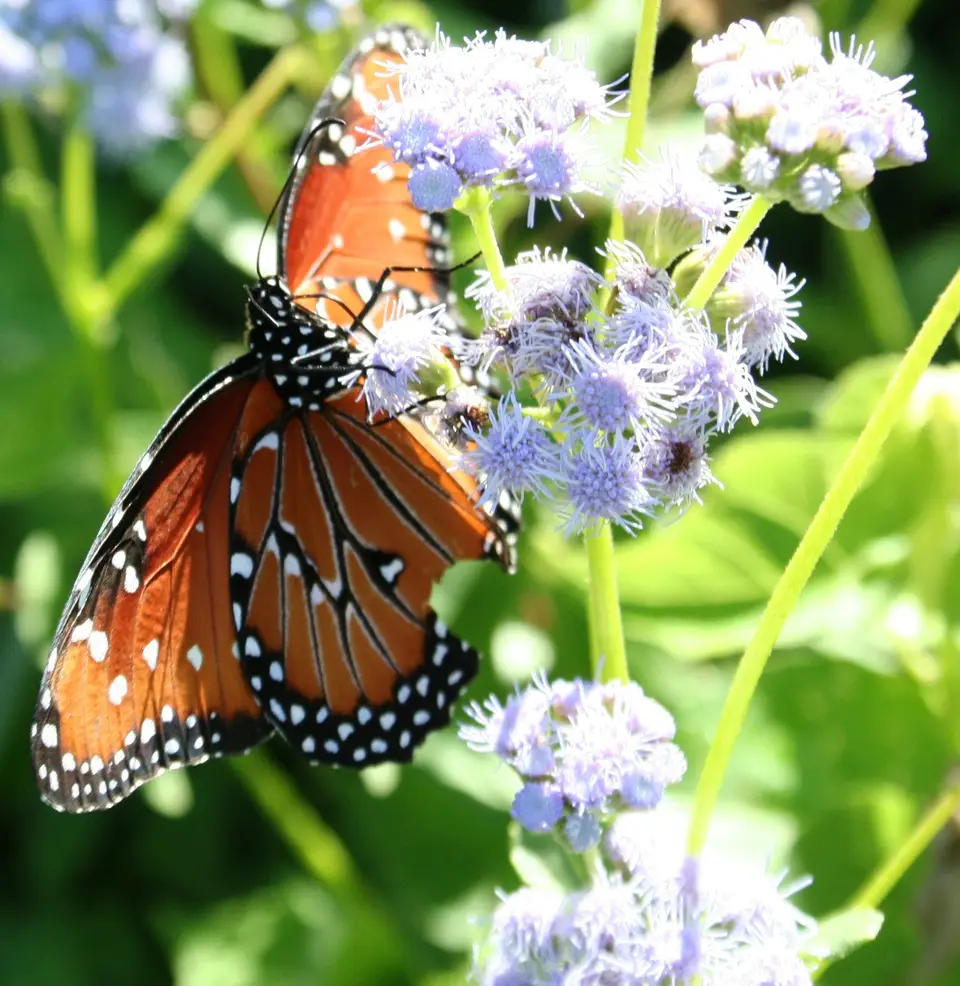
Blue Mistflower
A native perennial that erupts into clouds of soft blue-purple blooms just as fall pollinator activity peaks.
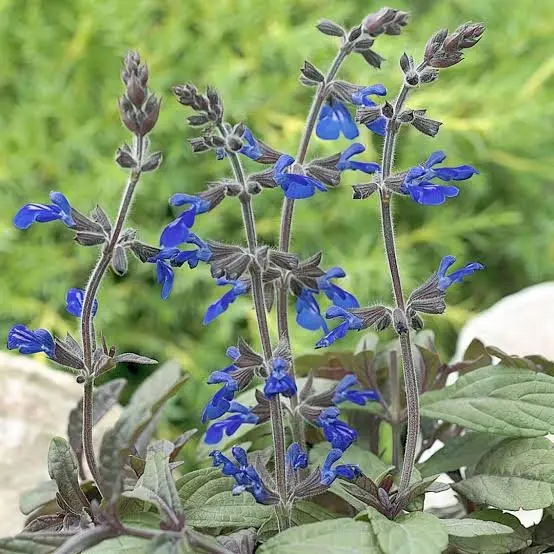
Bicolor Salvia
Bicolor salvia is a low, spreading sage with dark green leaves and deep blue-violet flowers from spring through fall. Bees and hummingbirds visit the blooms, and deer generally leave it alone.
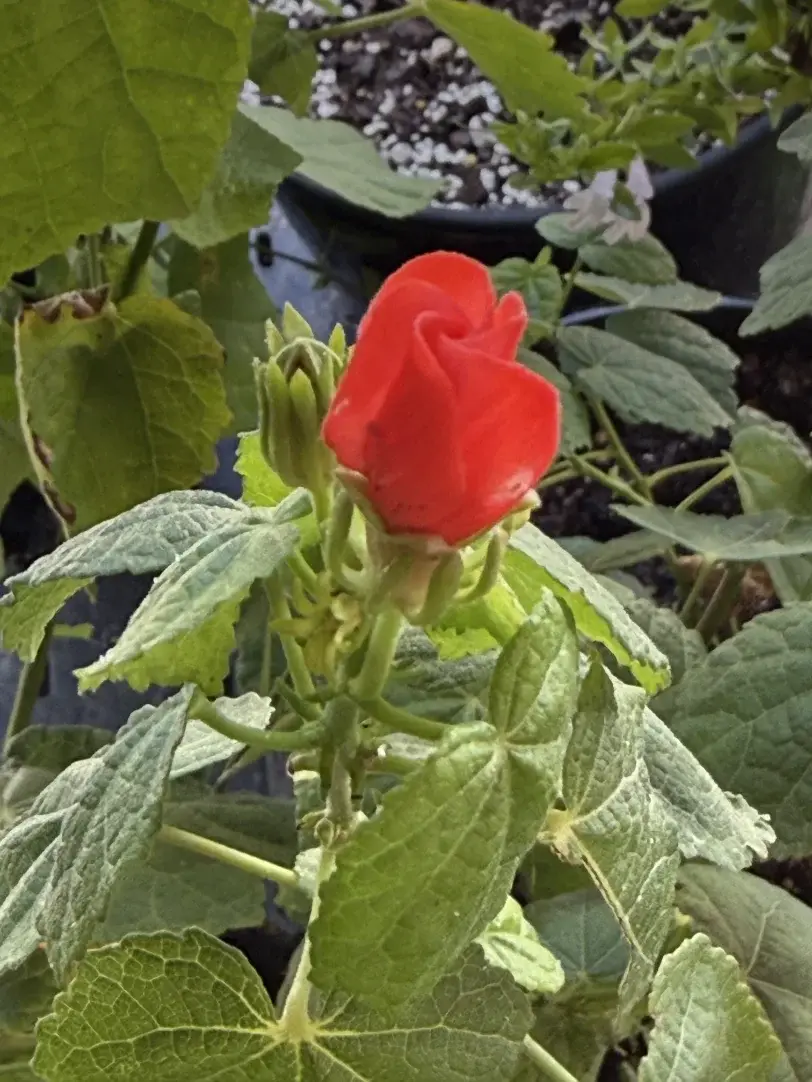
Turk’s Cap
A shade-loving native perennial with distinctive spiraled red blooms that flower nonstop from late spring through fall.