
Current stock
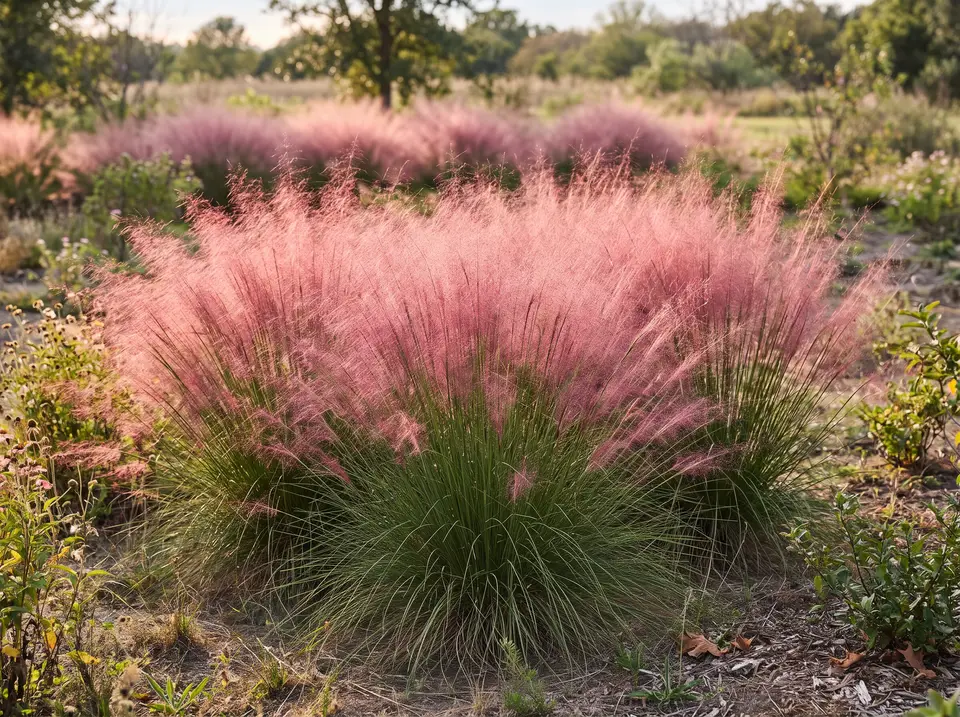
Pink Muhly Grass
Muhlenbergia capillaris

- Sun
- Full Sun
- Water
- Low, Drought tolerant once established
- Mature size
- 2–3 ft foliage mound; flower plumes push total height to 3–4 ft; 2–3 ft wide
- Best for
- Drought-tolerant Landscaping, Ornamental Grass, Erosion Control, Wildlife cover / habitat
Planting & care
- Growth habit
- Dense, upright-arching clump-forming bunchgrass; fine, thread-like blue-green to dark green foliage
- Typical bloom
- Sep–Nov
- Cold hardy to
- Zones 5–9
- Soil
- Adaptable — thrives in sandy, rocky, or lean soils; tolerates poor and salty soils. Slightly acidic to neutral pH preferred but tolerant of a range. Good drainage essential; struggles in heavy wet clay or standing water.
Where to plant
Full sun for the best plume color and most compact form. Adaptable to sandy, rocky, or lean soil, and tolerates poor or salty conditions — good drainage is the one non-negotiable.
Watering
Low once established. Water regularly the first season to build a strong root system; after that, rainfall is usually enough across most of Texas.
Cutting back
Cut the entire clump back to 4–6 inches in late winter, before new growth begins. This single annual haircut keeps the grass tidy and encourages a fresh, dense mound.
About Pink Muhly Grass
If you want one plant that stops people in their tracks every October, it's Pink Muhly Grass. For most of the year it's a tidy, fine-textured green mound, quietly doing its job as a low-water, low-maintenance native grass. Then fall arrives, and it transforms: tall wiry stems rise above the foliage and open into billowing clouds of rose-mauve plumes that seem to glow in afternoon light. Planted in a mass along a fence line or bed edge, the effect is unmistakable.
Native across much of Texas, it's built for the conditions that wear out less rugged plants: heat, drought, poor or sandy soil, even salt exposure near roads and driveways. Once established it needs almost nothing — no fertilizer, minimal water, and a single haircut in late winter to reset it for spring. It stays a well-behaved clump rather than spreading by runners, holding its shape in a border or mass planting year after year.
Beyond the fall show, Muhly Grass earns its keep the rest of the year too — its seed heads feed songbirds through winter, and its fine foliage adds movement and texture all season.
For a native that delivers a genuine wow moment on a plant this easy to grow, it's hard to beat.
Where it's native
Pink Muhly Grass occurs naturally in 7 Texas ecoregions — Pineywoods, Post Oak Savannah, Gulf Prairies and Marshes, Blackland Prairies, Cross Timbers and Prairies, Edwards Plateau, South Texas Plains. Plants grown from local ecotypes are best adapted to our soils and climate here in the Blackland Prairies.
- 1Trans-Pecos
- 2High Plains
- 3Rolling Plains
- 4Edwards Plateau
- 5Cross Timbers and Prairies
- 6South Texas Plains
- 7Blackland Prairies
- 8Post Oak Savannah
- 9Gulf Prairies and Marshes
- 10Pineywoods
Plants it grows well with
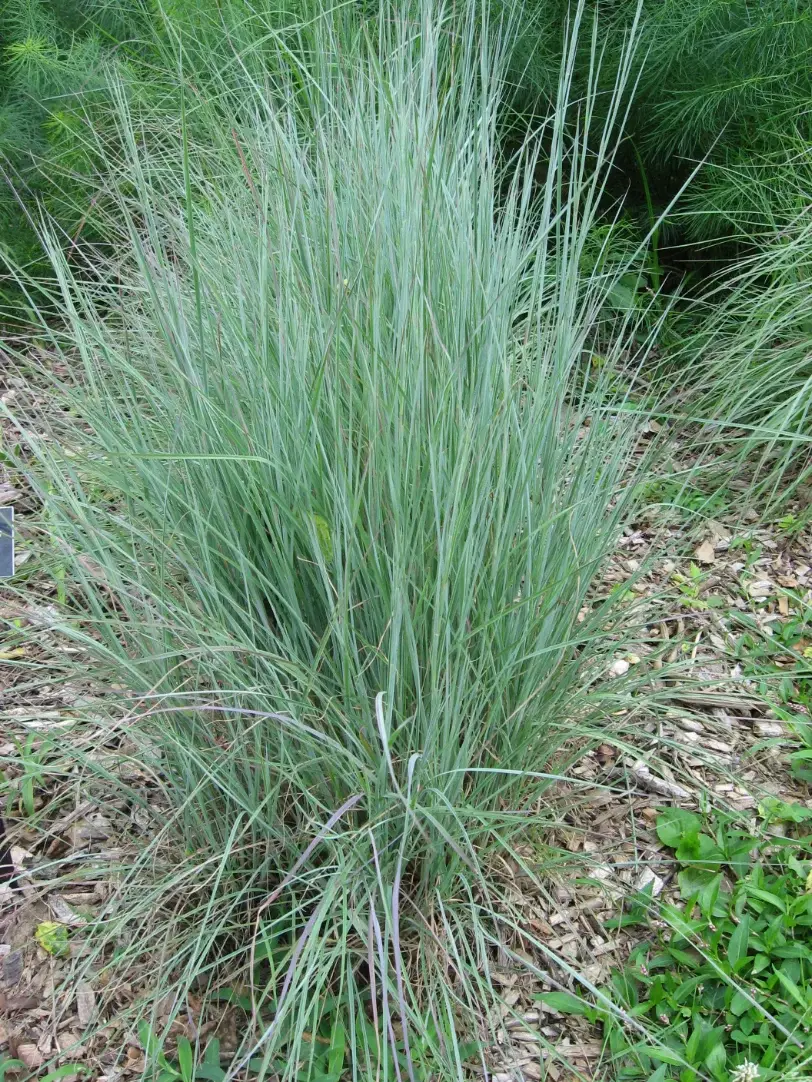
Little Bluestem
A native prairie grass with striking fall color that shifts from blue-green to fiery red and copper.
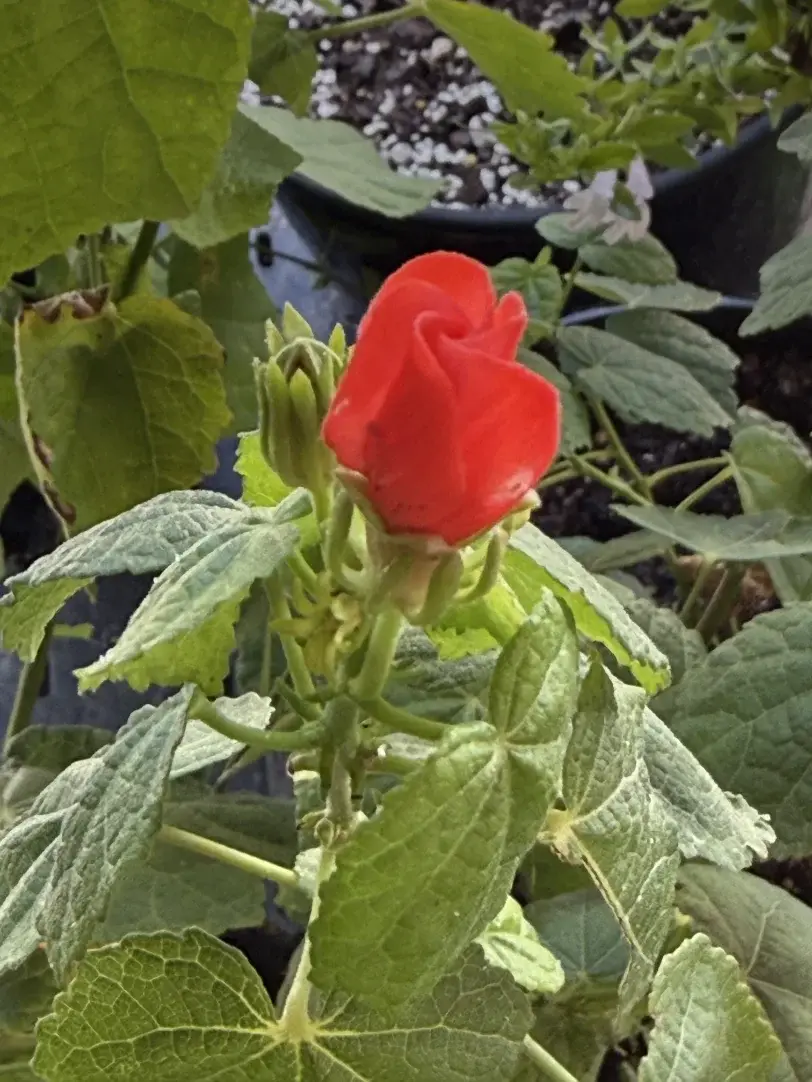
Turk’s Cap
A shade-loving native perennial with distinctive spiraled red blooms that flower nonstop from late spring through fall.
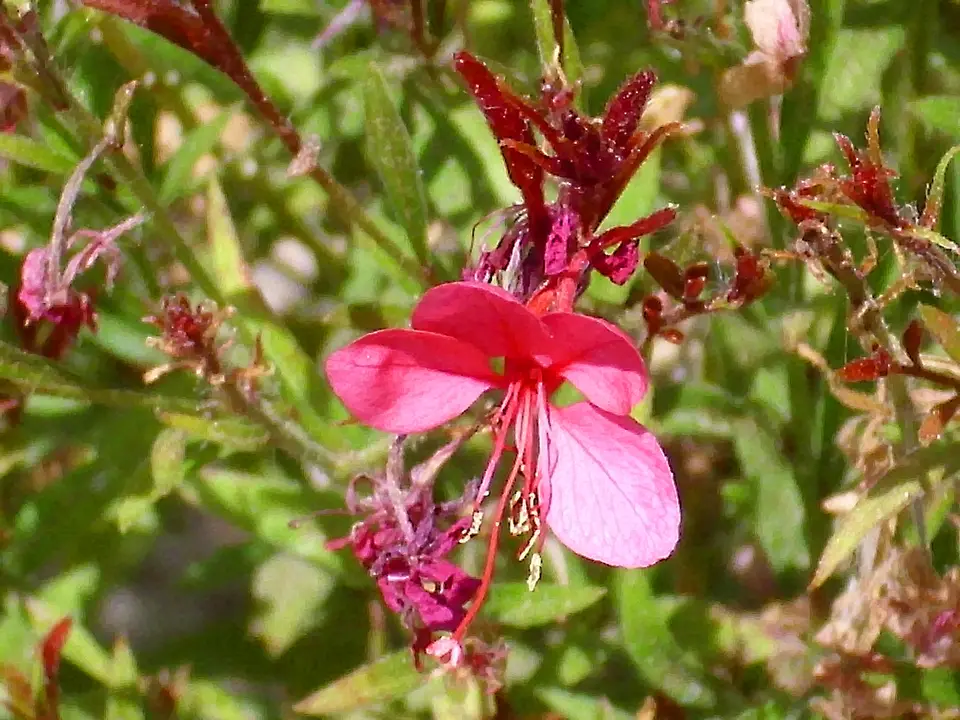
Gaura
A native perennial with airy, wand-like sprays of white and pink flowers that flutter like tiny butterflies all summer.
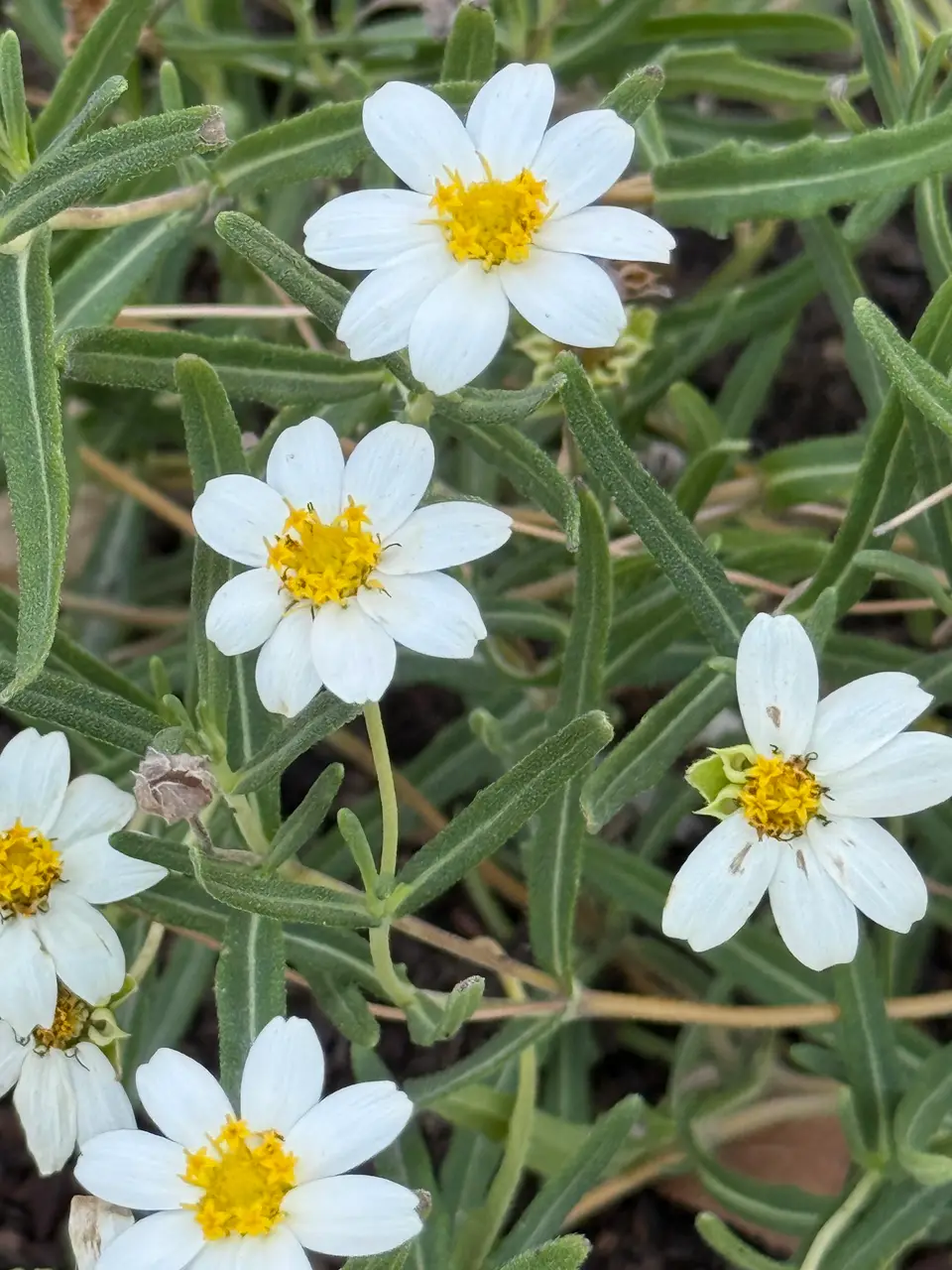
Blackfoot Daisy
A drought-proof native perennial with cheerful white, daisy-like blooms from spring through frost.