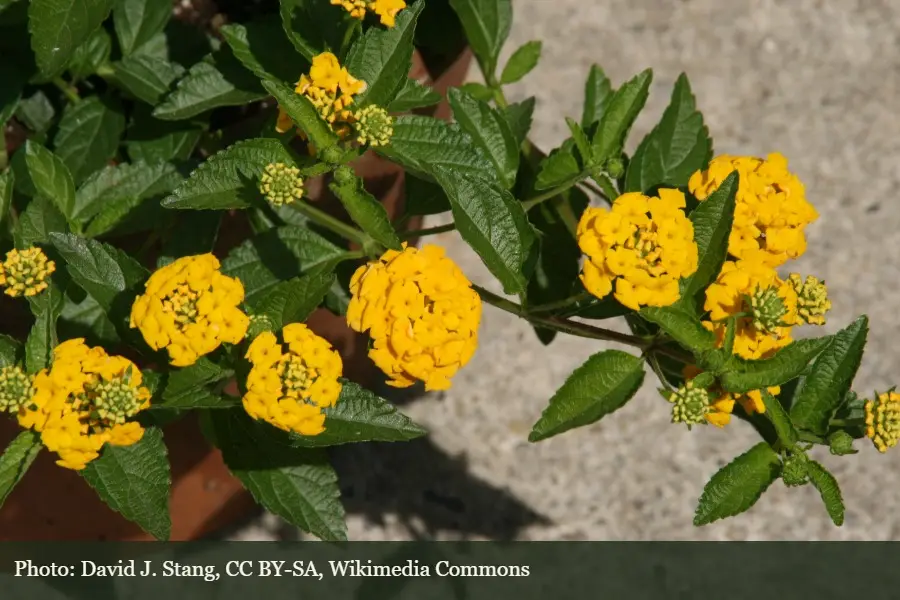
New Gold Lantana
Lantana x hybrida 'New Gold' (sterile hybrid cultivar)
- Sun
- Full Sun
- Water
- Low, Drought tolerant once established
- Mature size
- 1.5–2 ft tall, 3–4 ft wide
- Best for
- Drought-tolerant Landscaping, Pollinator Plant, Low maintenance, Groundcover
Gallon — $10
About this size
- Gallon
- Our standard size: a 1-gallon nursery pot, about 6–7 inches across.
Pay at the nursery, plus 6.75% sales tax. Send your request and we'll confirm availability and your pickup time within 24 hours, then hold your plants. How it works
Planting & care
- Growth habit
- Compact, low mounding and spreading habit; dense branching; sterile so energy goes into continuous bloom rather than seed
- Typical bloom
- May–Nov
- Cold hardy to
- Zones 8–10
- Soil
- Highly adaptable — rocky, sandy, or clay; well-drained soil essential; does not tolerate standing water
Where to plant
Full sun — it needs strong direct light for a compact habit and heavy bloom. It's adaptable to rocky, sandy, or clay soil; good drainage is the only non-negotiable.
Watering
Low once established. Water regularly the first season to build roots; after that, rainfall is usually sufficient across most of Texas.
Cutting back
Cut back by half to two-thirds in late February or early March, after the last hard freeze risk has passed. A light shear mid-season keeps the shape tidy without sacrificing bloom.
About New Gold Lantana
If you want nonstop gold color from spring through the first frost with almost no effort, New Gold Lantana delivers it every time. This compact, mounding plant stays tidy on its own, shrugs off Texas heat and drought, and keeps blooming right through the hottest part of summer when a lot of other color has given up.
Its small, gold-yellow flower clusters never shift to orange or red the way some lantanas do, holding a single, consistent color across the entire bloom season. The rough-textured, aromatic foliage releases the classic lantana scent when brushed or crushed.
Unlike some lantanas, New Gold won't spread where it isn't wanted — it's a sterile variety, so it puts all its energy into flowers instead of seed, meaning denser color and no volunteer seedlings popping up around the yard.
Deer resistant and needing almost no water once established, it works just as well in a border, a mass planting, or a container on the patio — a dependable, low-maintenance choice for anyone who wants reliable color without the guesswork.
Plants it grows well with
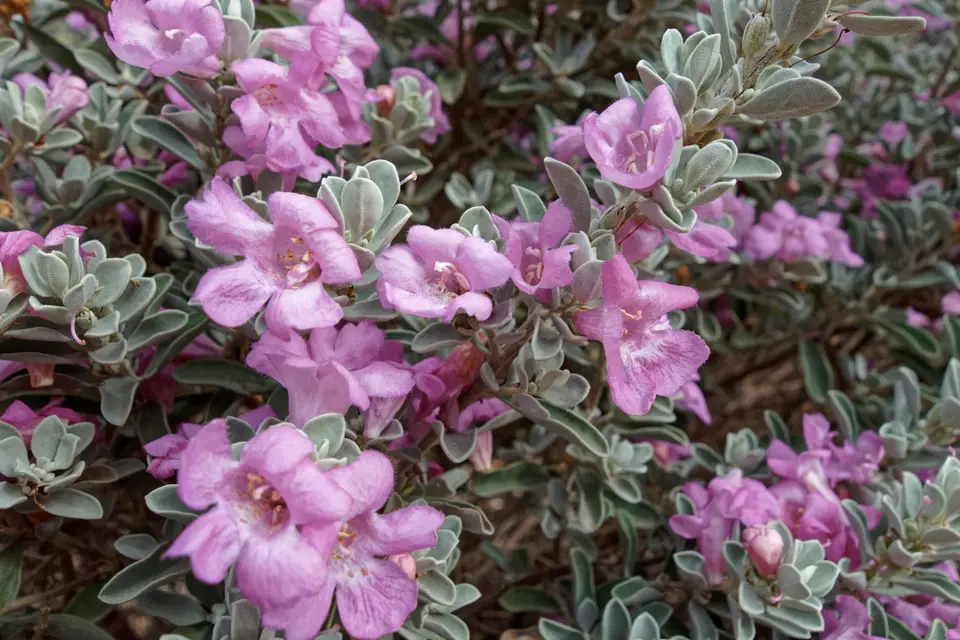
Texas Sage
A silver-leaved native shrub that erupts in surprise blooms after every rain — the legendary "barometer bush."
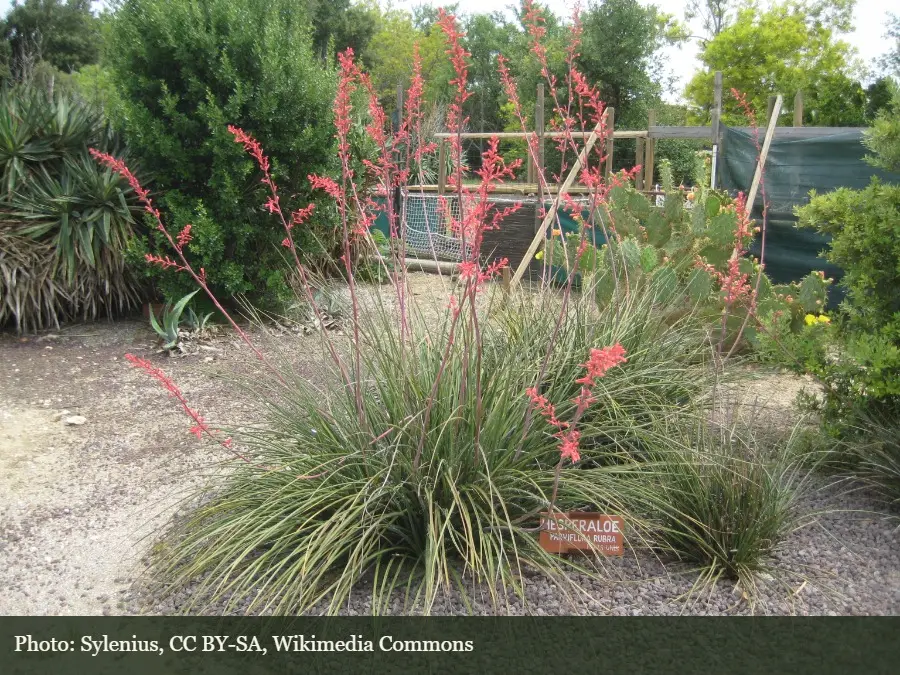
Red Yucca
A soft-leaved, drought-proof native accent plant with towering coral-red blooms that hummingbirds visit all season.
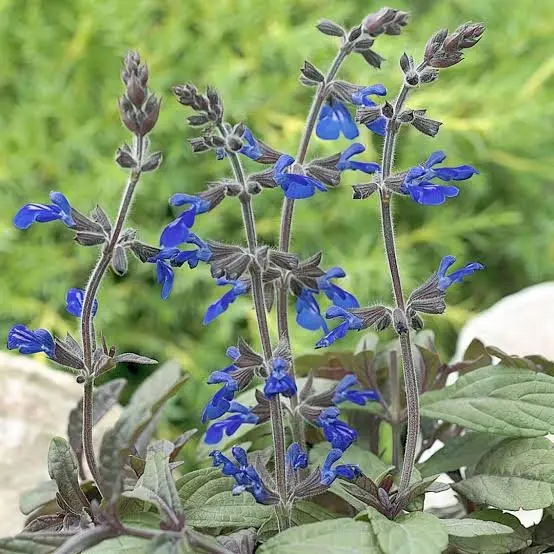
Bicolor Salvia
Bicolor salvia is a low, spreading sage with dark green leaves and deep blue-violet flowers from spring through fall. Bees and hummingbirds visit the blooms, and deer generally leave it alone.
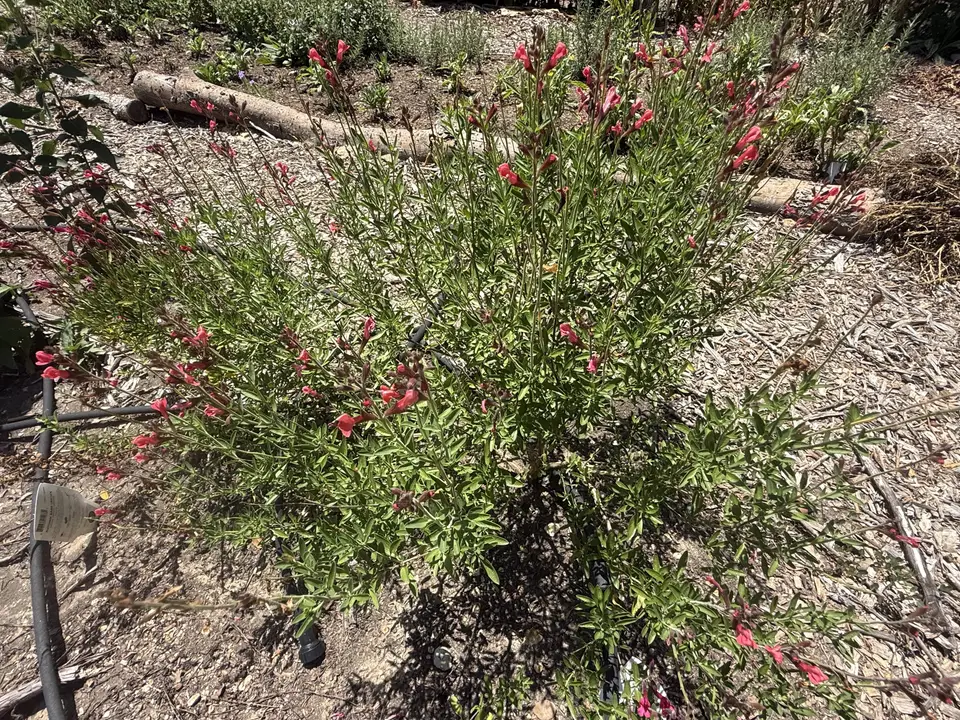
Autumn Sage
A compact, drought-tolerant native shrub that blooms nearly year-round in reds, corals, pinks, and whites.