Mexican Bush Sage
Salvia leucantha
- Sun
- Full Sun, Part Shade
- Water
- Moderate, Drought tolerant once established
- Mature size
- 3-4 ft tall, 3-6 ft wide
- Best for
- Pollinator Plant, Fall Color, Hummingbird attractor, Low maintenance
Gallon — $10
About this size
- Gallon
- Our standard size: a 1-gallon nursery pot, about 6–7 inches across.
Pay at the nursery, plus 6.75% sales tax. Send your request and we'll confirm availability and your pickup time within 24 hours, then hold your plants. How it works
Planting & care
- Growth habit
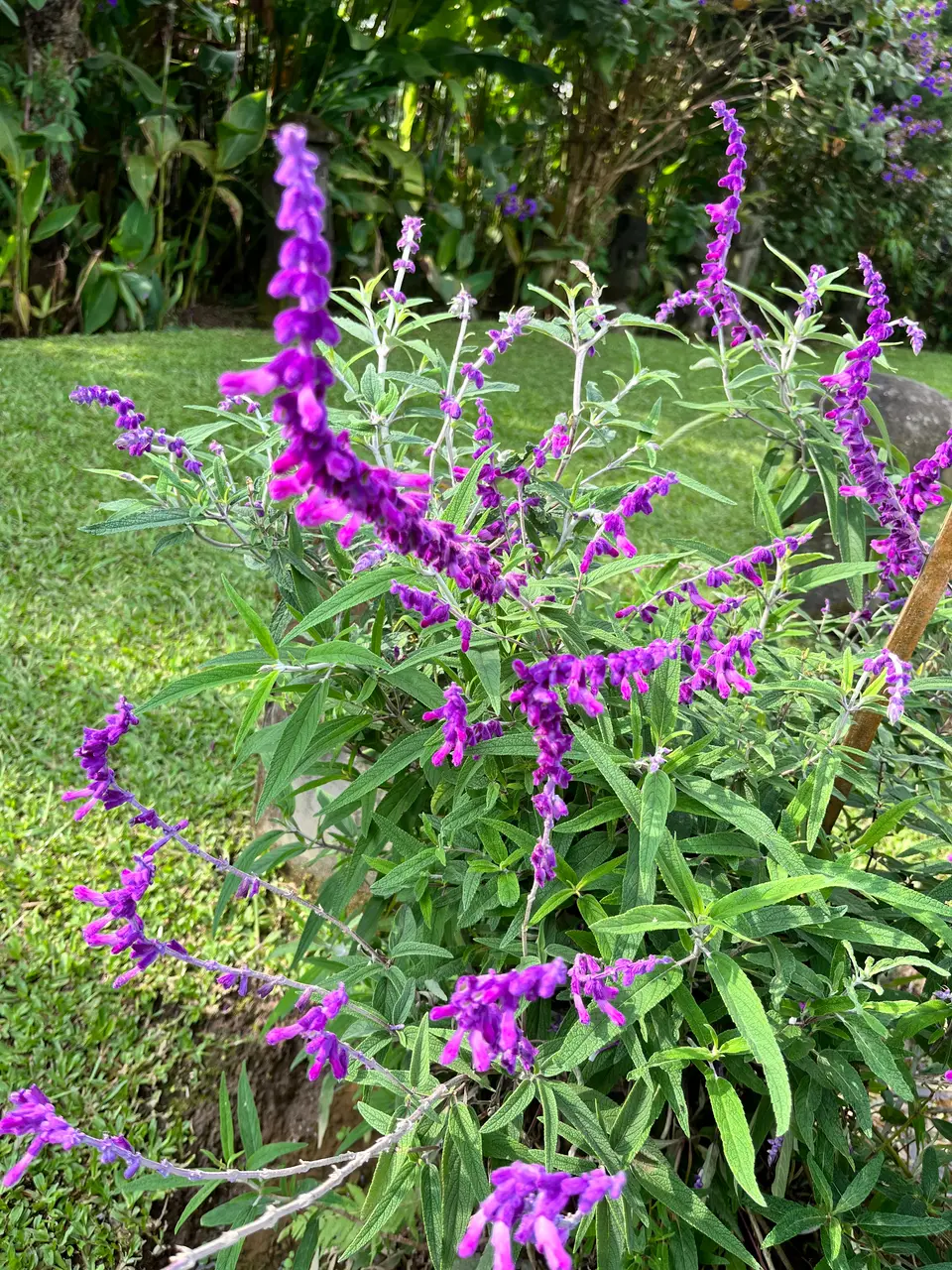
- Rounded, bushy, arching subshrub; square stems typical of the mint family; flower spikes rise above the gray-green foliage
- Typical bloom
- Aug–Nov
- Cold hardy to
- Zones 8–10
- Soil
- Average to rich, evenly moist, well-drained soil; adapts to clay or sandy soils but drainage is critical, especially in winter
Where to plant
Full sun for the fullest bloom; tolerates afternoon shade in extreme heat. Adaptable to clay or sandy soil as long as it drains well — good drainage is essential, especially in winter.
Watering
Average, evenly moist water is best for bloom quality, but established plants handle real dry stretches.
Cutting back
Cut back hard, nearly to the ground, in late winter or early spring after the last hard freeze. Light shaping through the growing season keeps it tidy.
About Mexican Bush Sage
When the rest of the garden is winding down for the year, Mexican Bush Sage is just getting started. This fast-growing, easy-care perennial saves its best show for late summer through the first hard frost, sending up dense, arching spikes of velvety purple flowers that seem to glow in the low fall light. It's one of the few plants that can hold its own as a true showstopper in October and November.
The texture is what stops people in their tracks — those flower spikes are covered in a soft, velvet-like purple calyx, with small white or purple flowers peeking out from inside. It's a plant people want to touch on sight.
A proven Texas Superstar selection bred to shrug off brutal summer heat, it needs very little once established: average water, a well-drained spot, and a hard cutback in late winter to reset for the next season. It's also one of the best late-season nectar sources for hummingbirds and butterflies, keeping a pollinator bed working right up to frost.
For reliable, dramatic fall color when everything else is fading, Mexican Bush Sage is hard to beat.
Plants it grows well with
Fall Aster
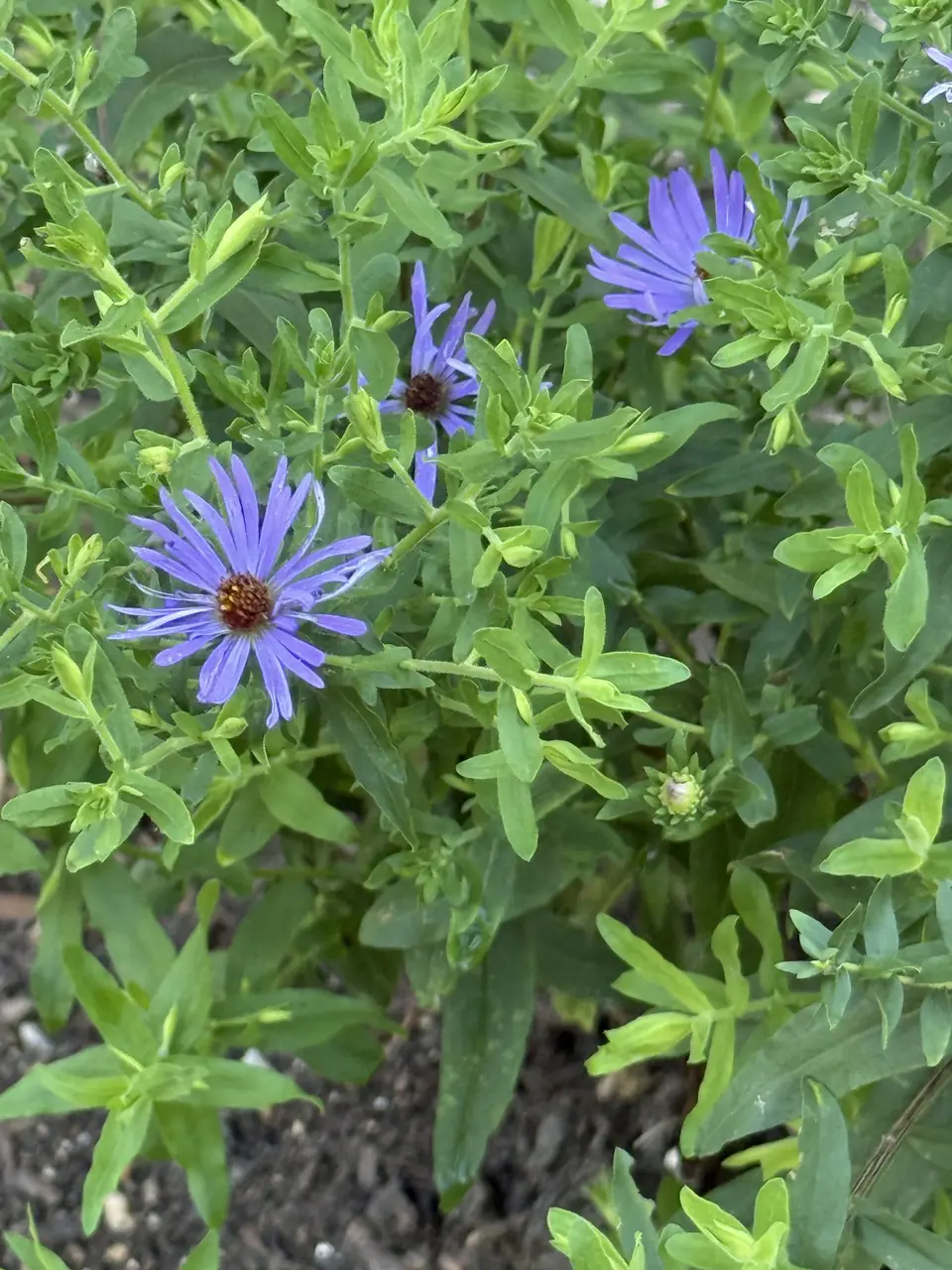
A native fall-blooming perennial that covers itself in lavender-purple flowers just as everything else fades.
Blue Mistflower
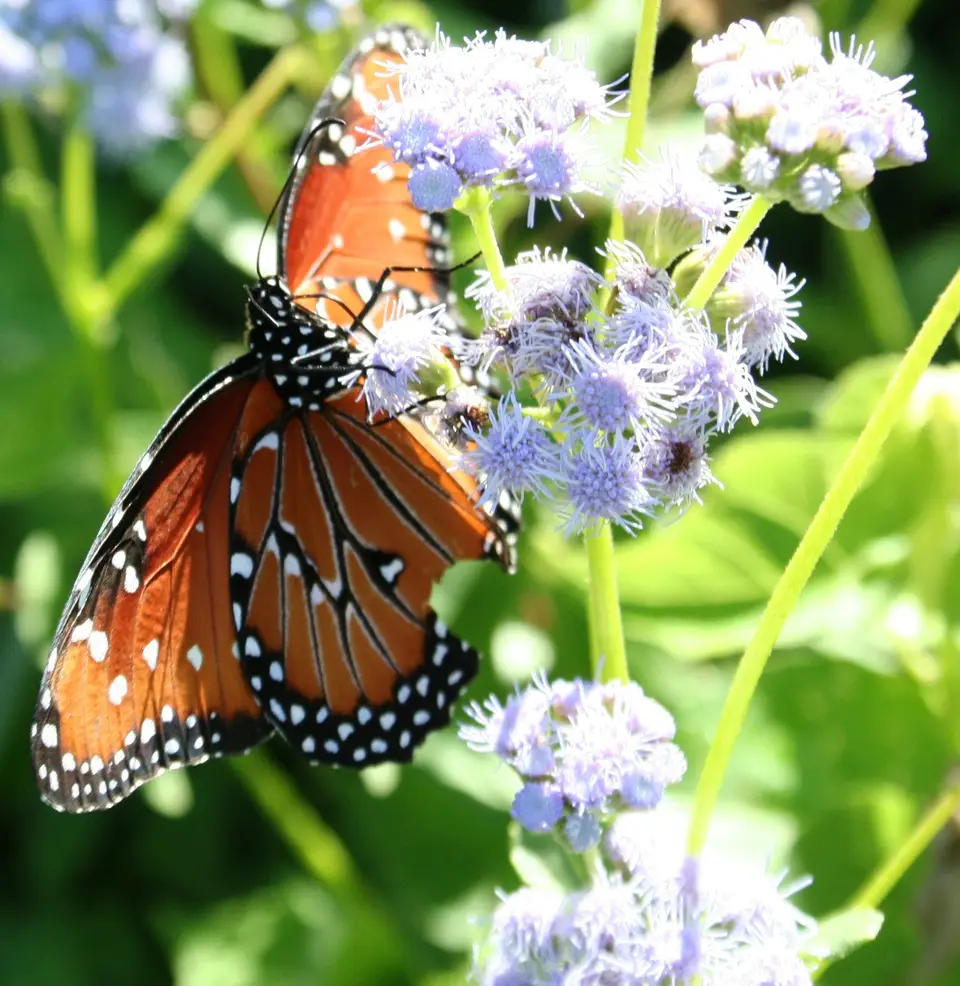
A native perennial that erupts into clouds of soft blue-purple blooms just as fall pollinator activity peaks.
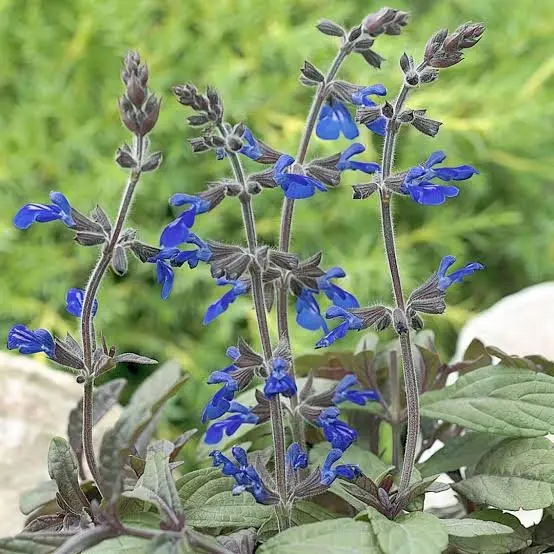
Bicolor Salvia
Bicolor salvia is a low, spreading sage with dark green leaves and deep blue-violet flowers from spring through fall. Bees and hummingbirds visit the blooms, and deer generally leave it alone.
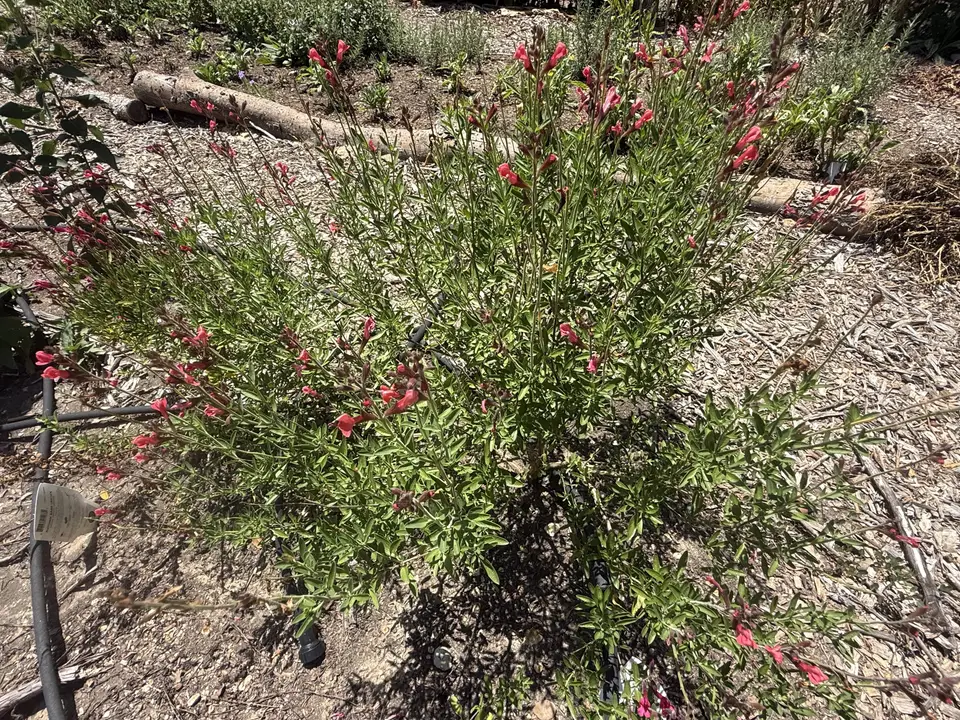
Autumn Sage
A compact, drought-tolerant native shrub that blooms nearly year-round in reds, corals, pinks, and whites.