
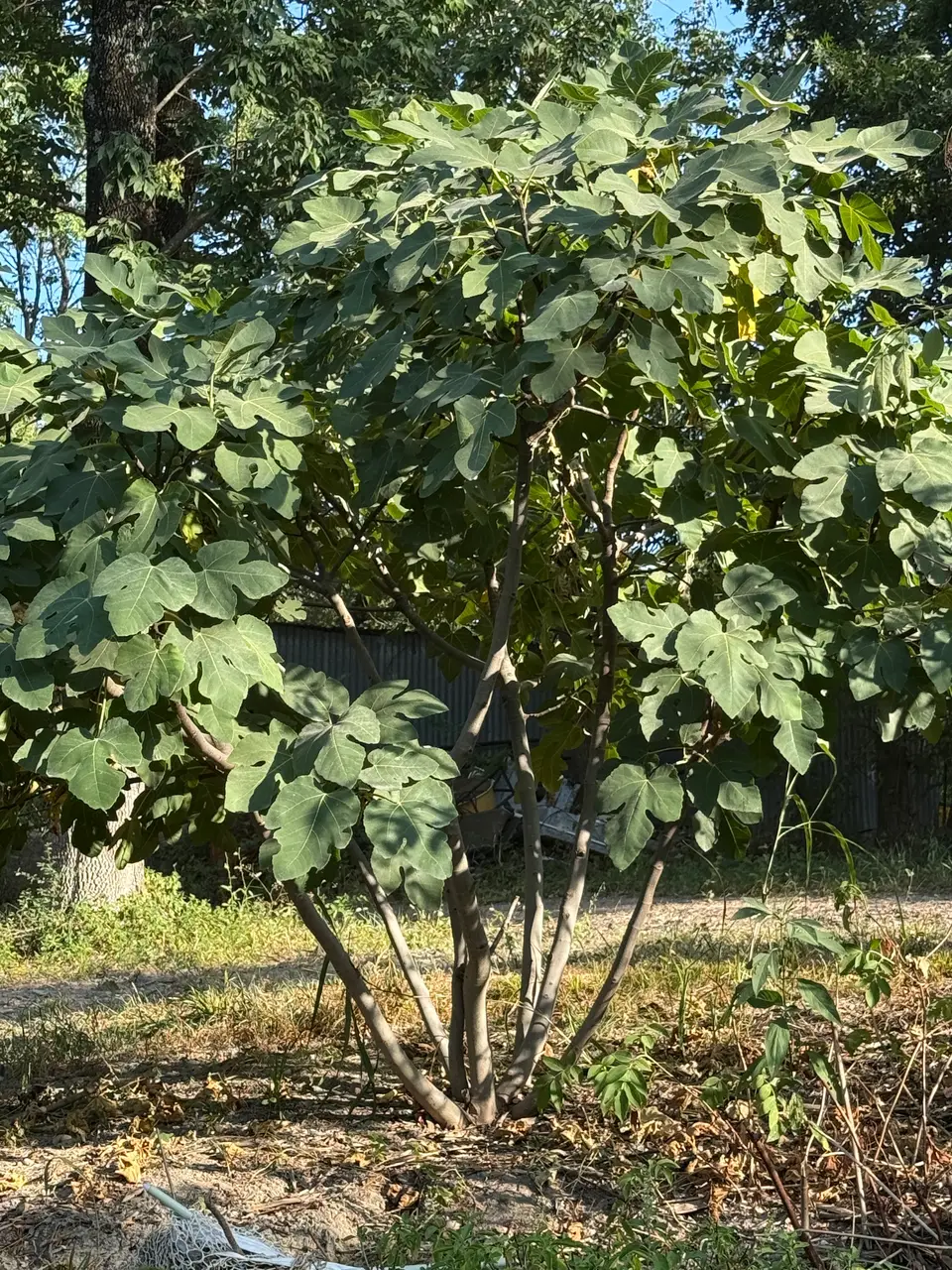
Fig - Celeste
Ficus carica 'Celeste'
- Sun
- Full Sun
- Water
- Moderate, Drought tolerant once established
- Mature size
- 7–15 ft tall, 10–15 ft wide (varies by site and pruning; compact form common in managed landscapes)
- Best for
- Edible Fruit, Pollinator Plant, Wildlife cover / habitat, Collector Species
Planting & care
- Growth habit
- Multi-stemmed, spreading, dense deciduous tree/shrub. Sends up root suckers freely. Can be trained as single or multi-trunk.
- Typical bloom
- Jun–Aug
- Cold hardy to
- Zones 7–9
- Soil
- Well-drained, slightly acidic to neutral soil (pH 6.0–7.0). Tolerates various soil types including amended clay. Avoid waterlogged or poorly drained conditions.
Where to plant
Full sun — at least 8 hours daily. A south-facing spot is ideal in North Texas since the extra heat drives sugar content higher. Give it well-drained, slightly acidic to neutral soil.
Watering
Water deeply and let the soil dry between waterings, especially while fruit is developing. It's drought tolerant once established, but consistent moisture during fruiting produces the best crop.
Cutting back
Prune lightly in late February, keeping 3–5 strong main trunks and removing suckers at the base. Avoid heavy pruning — it significantly reduces the early crop. The milky sap is a skin irritant, so wear gloves.
About Fig - Celeste
Known across the South as the Sugar Fig, Celeste earns the name honestly — the flavor is pure honey and caramel, intensely sweet, and unlike anything found at a grocery store. Small to medium fruit with purplish-brown skin and bright strawberry-pink flesh ripens in June and July, weeks ahead of most other fig varieties, for the reward of a warm fig eaten straight off the tree on a July morning.
Celeste is the variety generations of Southern families have grown, divided, and passed along for well over a century — cuttings handed over back fences and brought as housewarming gifts from Louisiana to the Carolinas. Its large, deeply lobed leaves give the tree a lush, almost tropical presence through the growing season before dropping cleanly each fall.
Beyond the flavor, Celeste is remarkably practical: it's self-pollinating, so a single tree produces a full crop with no partner needed, and its "closed eye" fruit structure makes it naturally resistant to the souring and rot that trouble other varieties in humid Texas summers. Summer heat only improves it, driving the sugar content even higher.
It grows into a multi-stemmed, spreading small tree that bears fruit within a year or two of planting, and it sends up root suckers freely — easy to share with a neighbor the same way this variety has always spread. Give it full sun and a well-drained spot, and it mostly takes care of itself.
Plants it grows well with
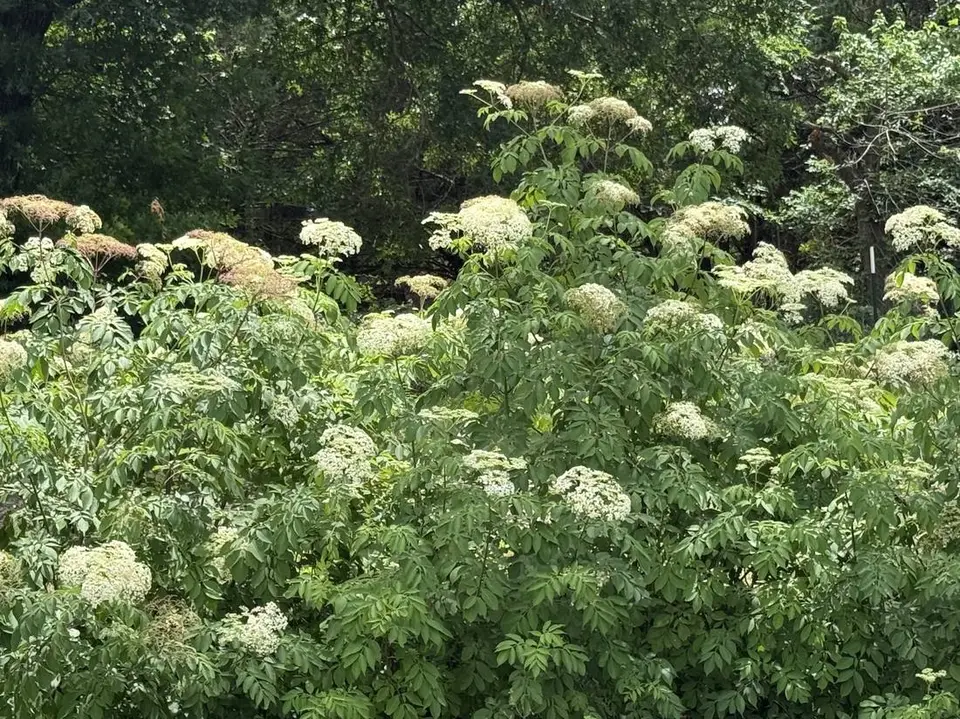
Elderberry
A fast-growing native shrub with broad white flower clusters in early summer followed by dark, bird-favorite berries in fall.
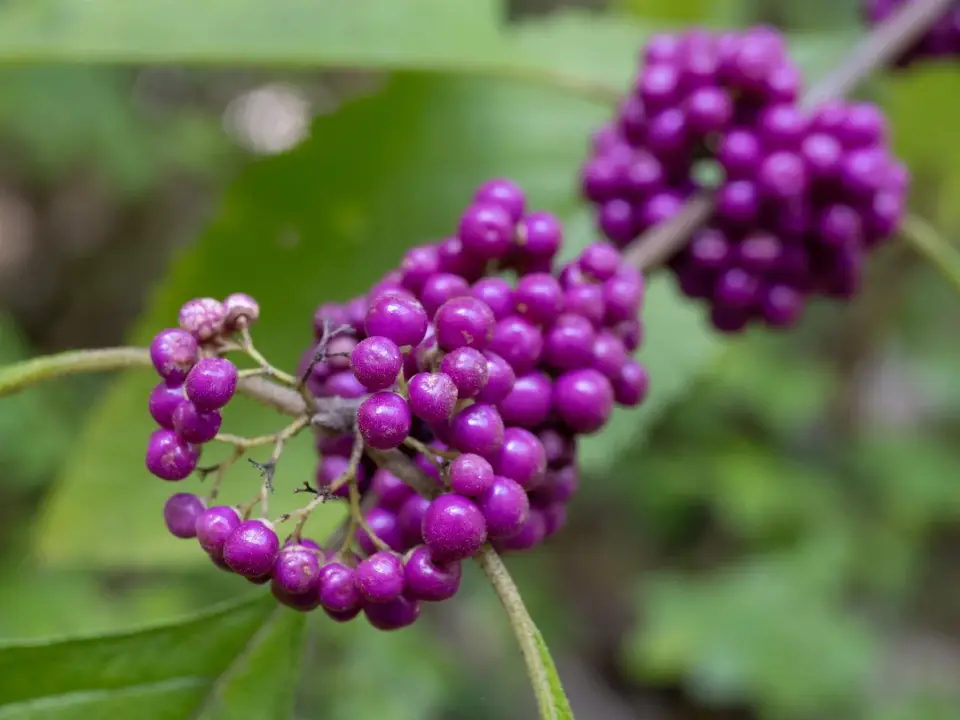
American Beautyberry
A native shrub famous for the clusters of electric-purple berries that wrap around its stems every fall.
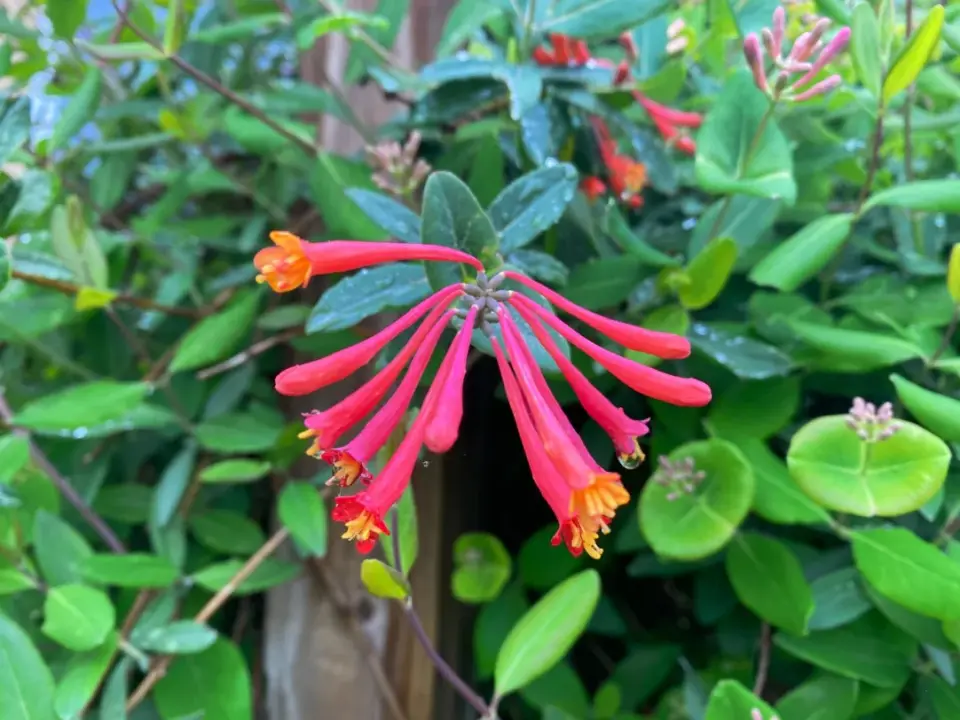
Coral Honeysuckle
A fast-growing native vine covered in coral-red trumpet blooms that hummingbirds can't resist.
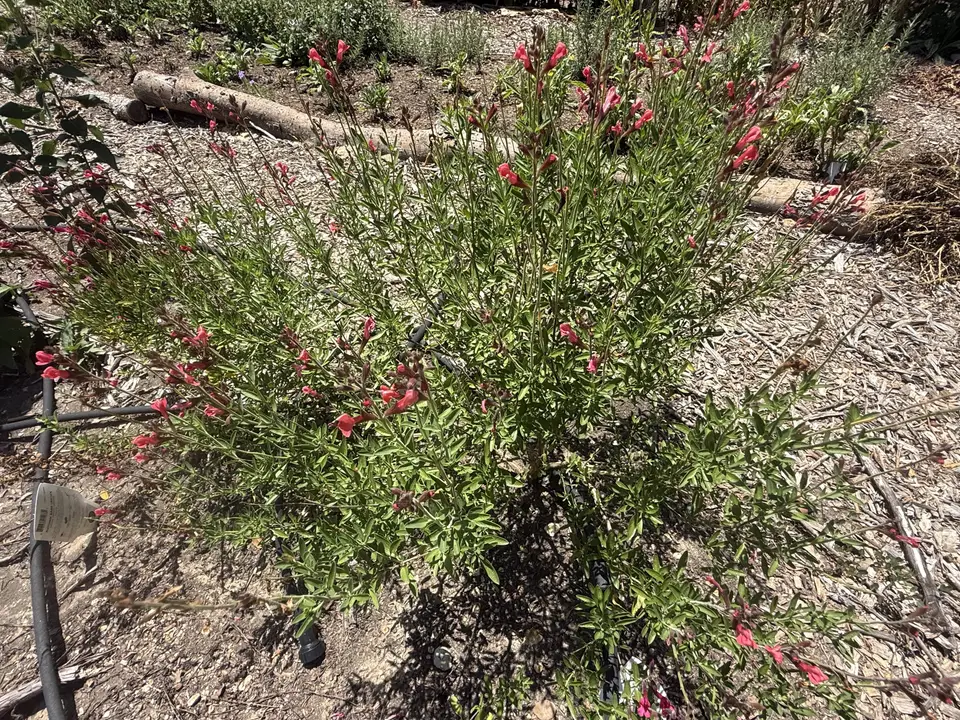
Autumn Sage
A compact, drought-tolerant native shrub that blooms nearly year-round in reds, corals, pinks, and whites.