Damianita
Chrysactinia mexicana
- Sun
- Full Sun
- Water
- Drought tolerant once established, Prefers dry conditions once established
- Mature size
- 1-2 ft tall x 2-3 ft wide
- Best for
- Drought-tolerant Landscaping, Pollinator Plant, Low maintenance, Native ecosystem plant
Gallon — $10
About this size
- Gallon
- Our standard size: a 1-gallon nursery pot, about 6–7 inches across.
Pay at the nursery, plus 6.75% sales tax. Send your request and we'll confirm availability and your pickup time within 24 hours, then hold your plants. How it works
Planting & care
- Growth habit
- Dense, rounded, evergreen mound of fine, needle-like leaves
- Typical bloom
- Mar–Nov
- Cold hardy to
- Zones 7–10
- Soil
- Very well-drained; thrives in rocky, limestone, or sandy soil; intolerant of wet clay
Where to plant
Full sun and sharp drainage are non-negotiable. Rocky, gravelly, sandy, or limestone soil is ideal. In heavy clay, plant on a raised mound or in a raised bed so water drains away from the crown.
Watering
Water lightly the first summer to establish roots, then let it dry out between soakings. Once established it needs little more than rainfall, and overwatering is the most common way to lose it.
Cutting back
Little pruning is needed. Shear lightly in late winter to keep the mound compact, and avoid cutting into bare old wood, which may not resprout.
About Damianita
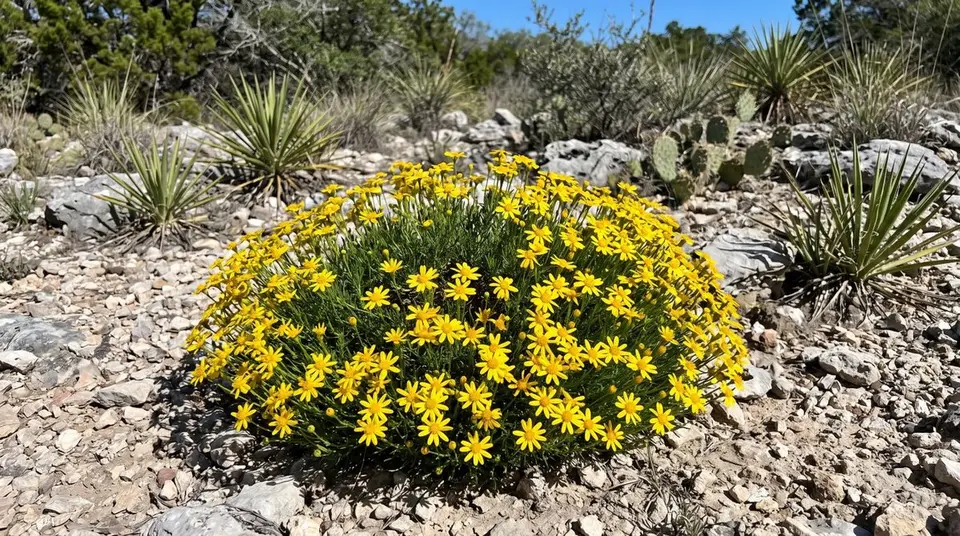
Damianita is the plant for the spot where everything else has failed. It grows in the rocky limestone hills of the Trans-Pecos and Edwards Plateau, where the soil is thin, the sun is relentless, and the rain is a rumor. Tucked into that landscape, it forms a tidy dome of fine, dark green, needle-like leaves that stay fresh through the whole year.
Then it blooms. Bright golden-yellow daisies cover the mound in spring, so thick that the foliage nearly disappears, and it flowers again through summer and fall whenever moisture allows. Butterflies and native bees work the blooms constantly, and the foliage gives off a sharp, resinous scent that deer and rabbits tend to leave alone.
It stays compact, usually knee-high and two to three feet wide, so it fits neatly along a walkway, in front of larger shrubs, or spilling over a rock wall. It pairs naturally with blackfoot daisy, red yucca, and Texas sage, and the yellow flowers make a bright contrast against gray and silver foliage.
Give it sun and drainage and it rewards you with almost no work. There is little to prune, nothing to fertilize, and no need to coddle it in summer. For anyone building a low-water landscape in a hot, sunny bed, this is one of the toughest and most cheerful natives you can choose.
Where it's native
Damianita occurs naturally in 3 Texas ecoregions — Trans-Pecos, Edwards Plateau, South Texas Plains. Plants grown from local ecotypes are best adapted to our soils and climate here in the blackland prairie and post oak savannah.
- 1Trans-Pecos
- 2High Plains
- 3Rolling Plains
- 4Edwards Plateau
- 5Cross Timbers and Prairies
- 6South Texas Plains
- 7Blackland Prairies
- 8Post Oak Savannah
- 9Gulf Prairies and Marshes
- 10Pineywoods
Plants it grows well with
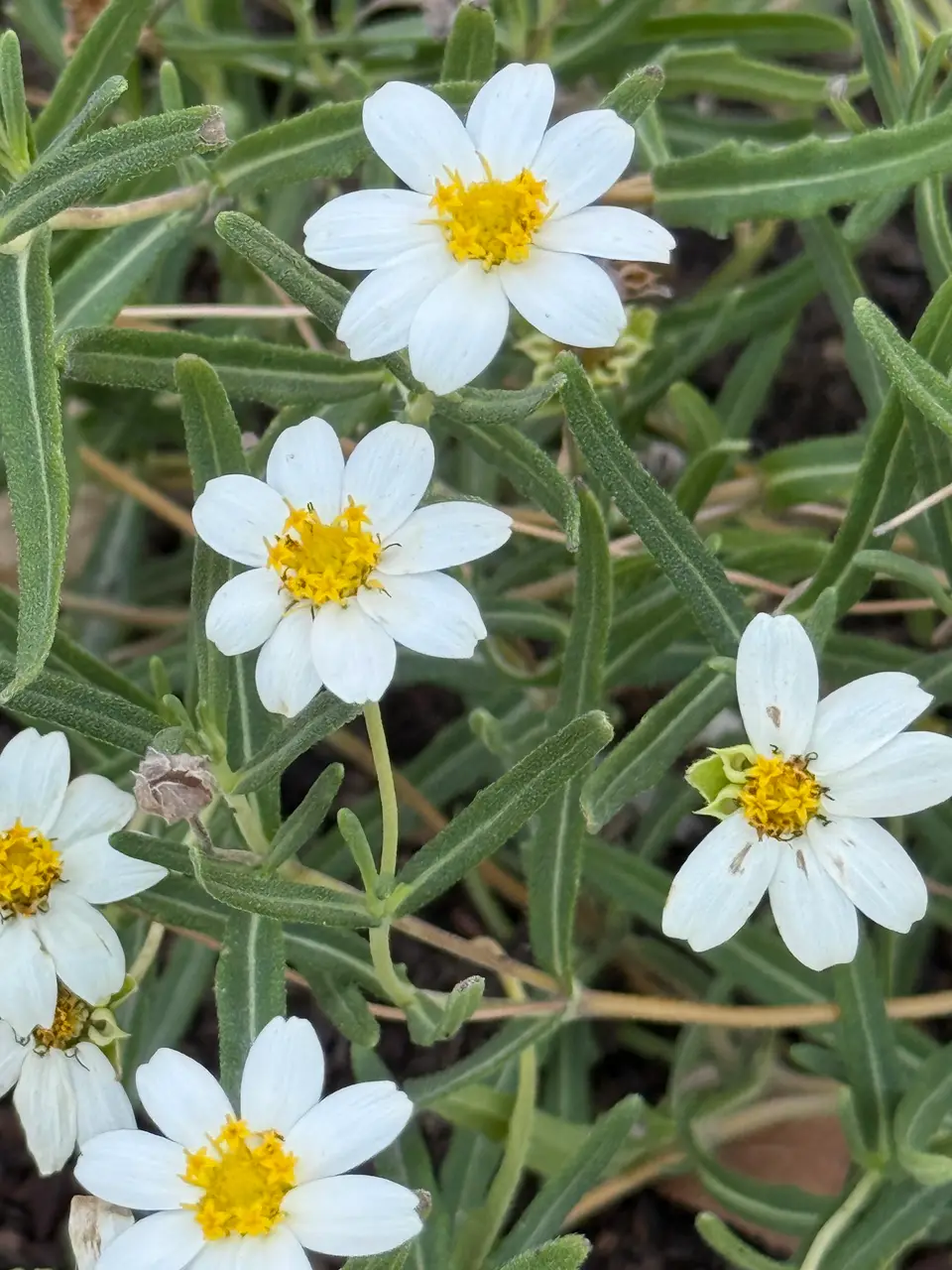
Blackfoot Daisy
A drought-proof native perennial with cheerful white, daisy-like blooms from spring through frost.
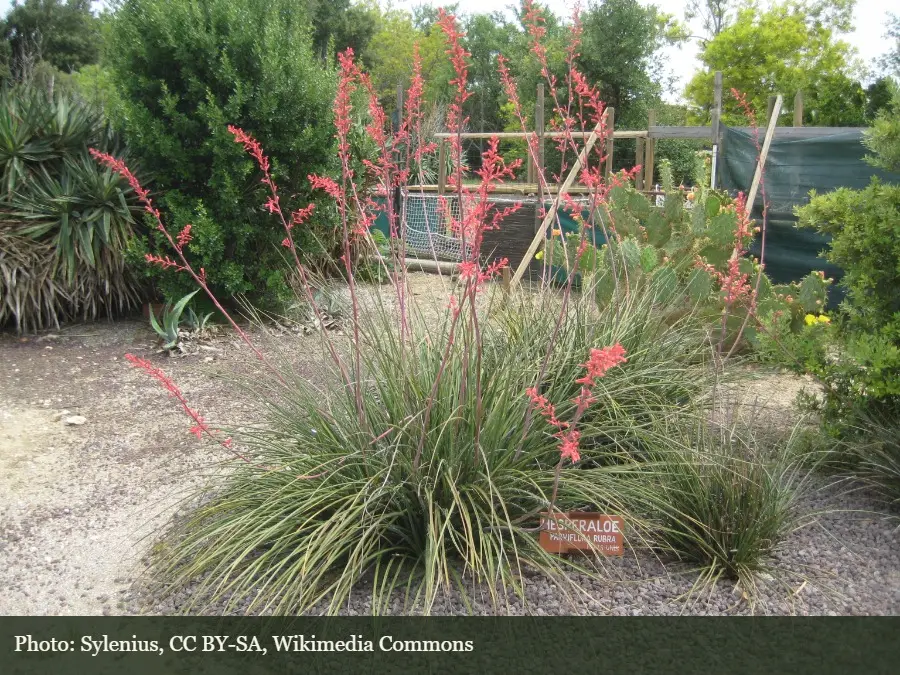
Red Yucca
A soft-leaved, drought-proof native accent plant with towering coral-red blooms that hummingbirds visit all season.
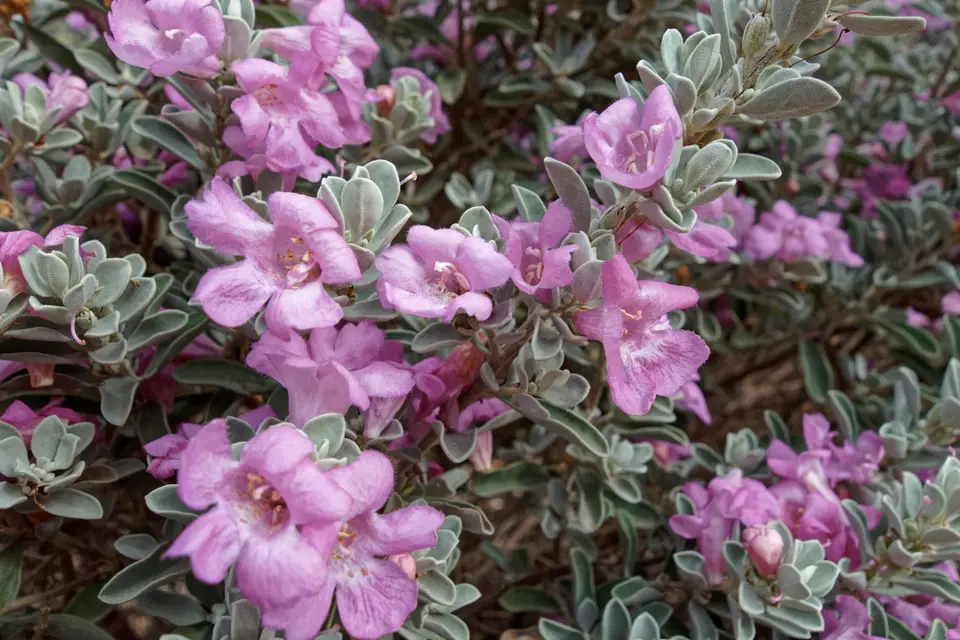
Texas Sage
A silver-leaved native shrub that erupts in surprise blooms after every rain — the legendary "barometer bush."
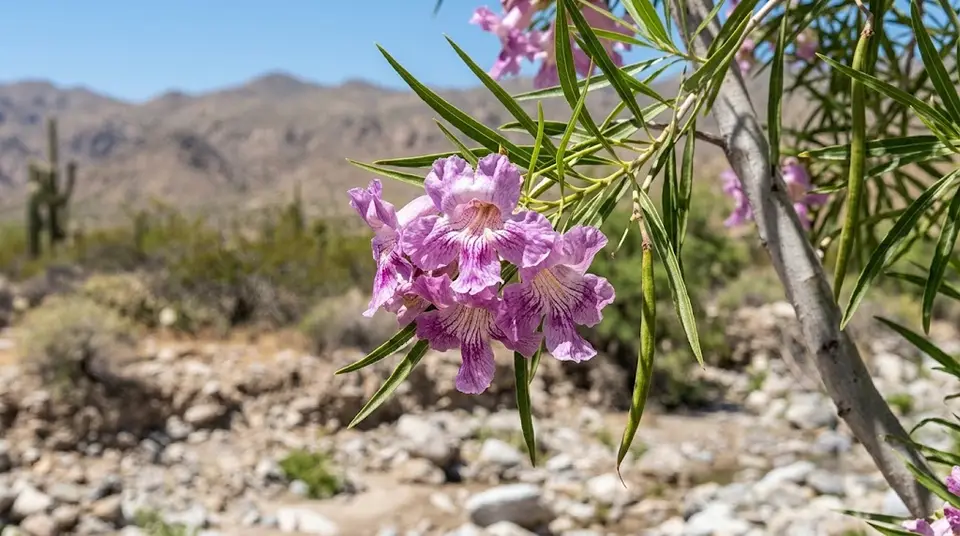
Desert Willow
A fast-growing native flowering tree with orchid-like summer blooms and exceptional drought tolerance.