
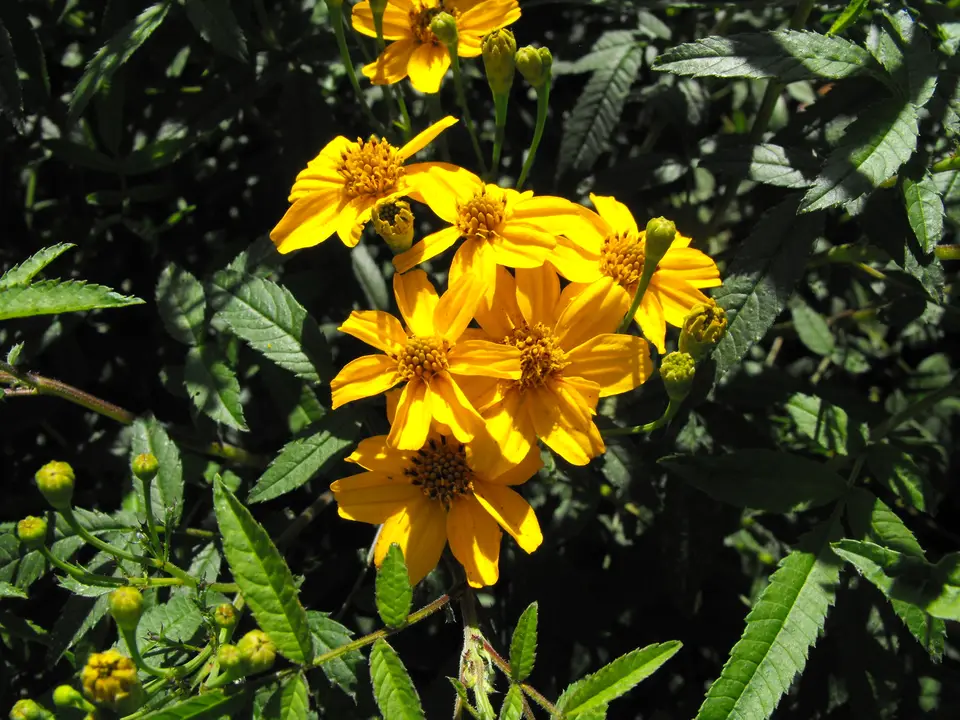
Copper Canyon Daisy
Tagetes lemmonii
- Sun
- Full Sun, Part Shade
- Water
- Low, Drought tolerant once established
- Mature size
- 3-4 ft tall, 4-6 ft wide
- Best for
- Pollinator Plant, Fall Color, Low maintenance, Drought-tolerant Landscaping
Gallon — $10
About this size
- Gallon
- Our standard size: a 1-gallon nursery pot, about 6–7 inches across.
Pay at the nursery, plus 6.75% sales tax. Send your request and we'll confirm availability and your pickup time within 24 hours, then hold your plants. How it works
Planting & care
- Growth habit
- Rounded, mounding shrub with finely divided, feathery aromatic foliage
- Typical bloom
- Aug–Nov
- Cold hardy to
- Zones 8–10
- Soil
- Slightly alkaline to neutral soils; tolerates poor/rocky/caliche soil; good drainage essential, does not like being kept wet
Where to plant
Full sun to part shade, in soil with good drainage — it does not tolerate being kept wet. Adapts well to poor, rocky, or chalky soil; on heavy clay, plant in a raised bed or berm.
Watering
Low once established. This is a genuinely drought-tolerant plant that thrives on a bit of neglect.
Cutting back
Cut back hard, nearly to the ground, in late winter or early spring after frost damage. If it blooms lightly in spring, a light trim in early summer encourages a heavier fall flush.
About Copper Canyon Daisy
If deer are a problem in the yard, Copper Canyon Daisy is one of the best answers around. Its finely textured, feathery foliage carries a strong citrus-anise fragrance that deer steer well clear of — and that same fragrance is a genuine delight in person, since it's hard to resist rubbing a leaf between your fingers once you catch the scent.
This tough Southwestern shrub shrugs off Texas heat and drought once established, asking for little beyond a well-drained spot and an annual hard cutback after frost knocks it back each winter. In return, it rewards with a flush of bright golden, daisy-like flowers through late summer and fall, right when the rest of the garden is starting to fade, drawing in bees and butterflies for one more push before the season ends.
The mounding, rounded form and fine, aromatic foliage give it real texture in a bed year-round, not just during bloom. It fills space quickly and holds its shape without much fuss.
Fast growth, easy care, deer resistance, and a standout fragrance make this a plant that sells itself the moment someone brushes a leaf — especially for anyone who has given up trying to grow flowers deer won't touch.
Plants it grows well with
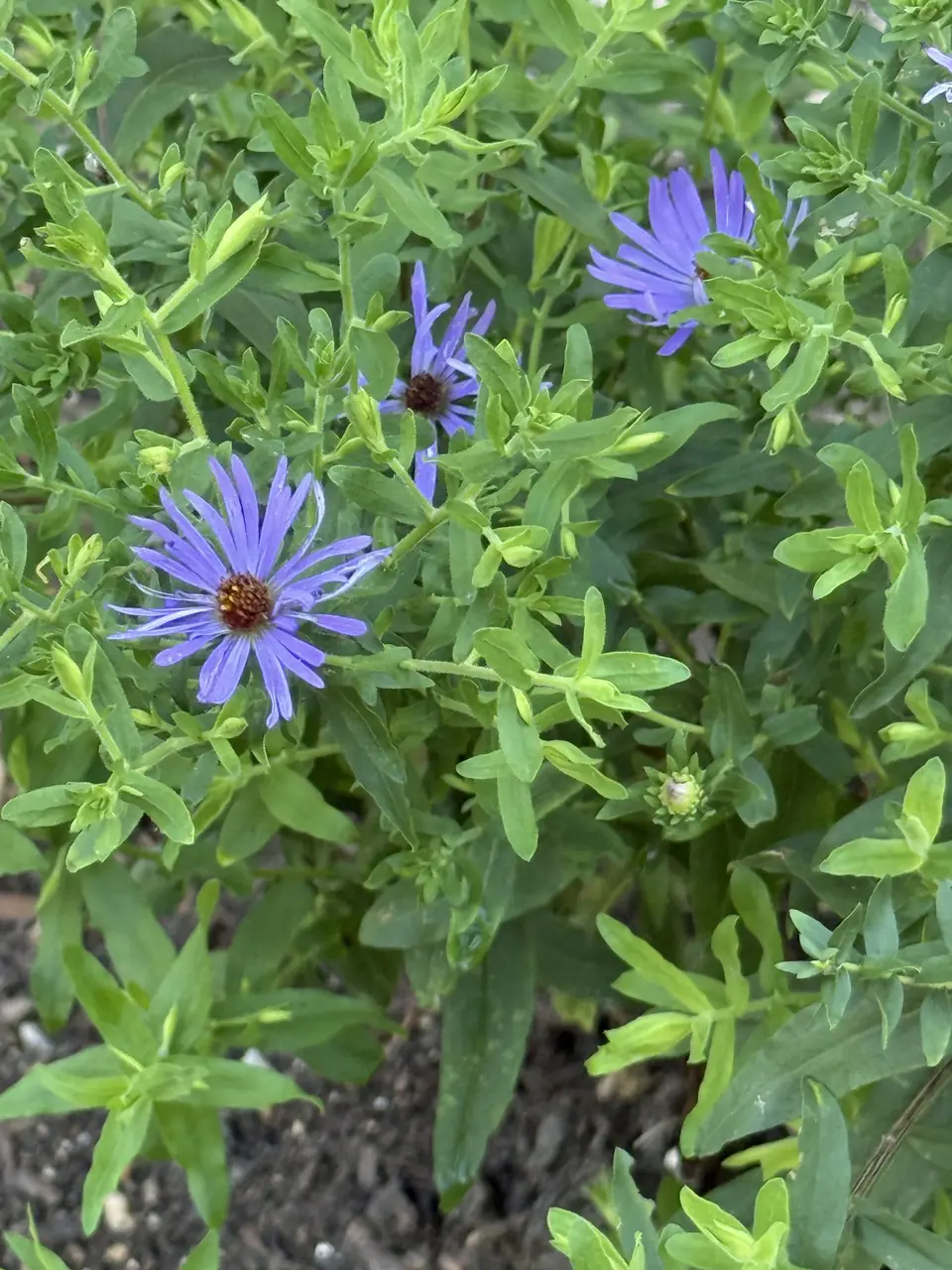
Fall Aster
A native fall-blooming perennial that covers itself in lavender-purple flowers just as everything else fades.
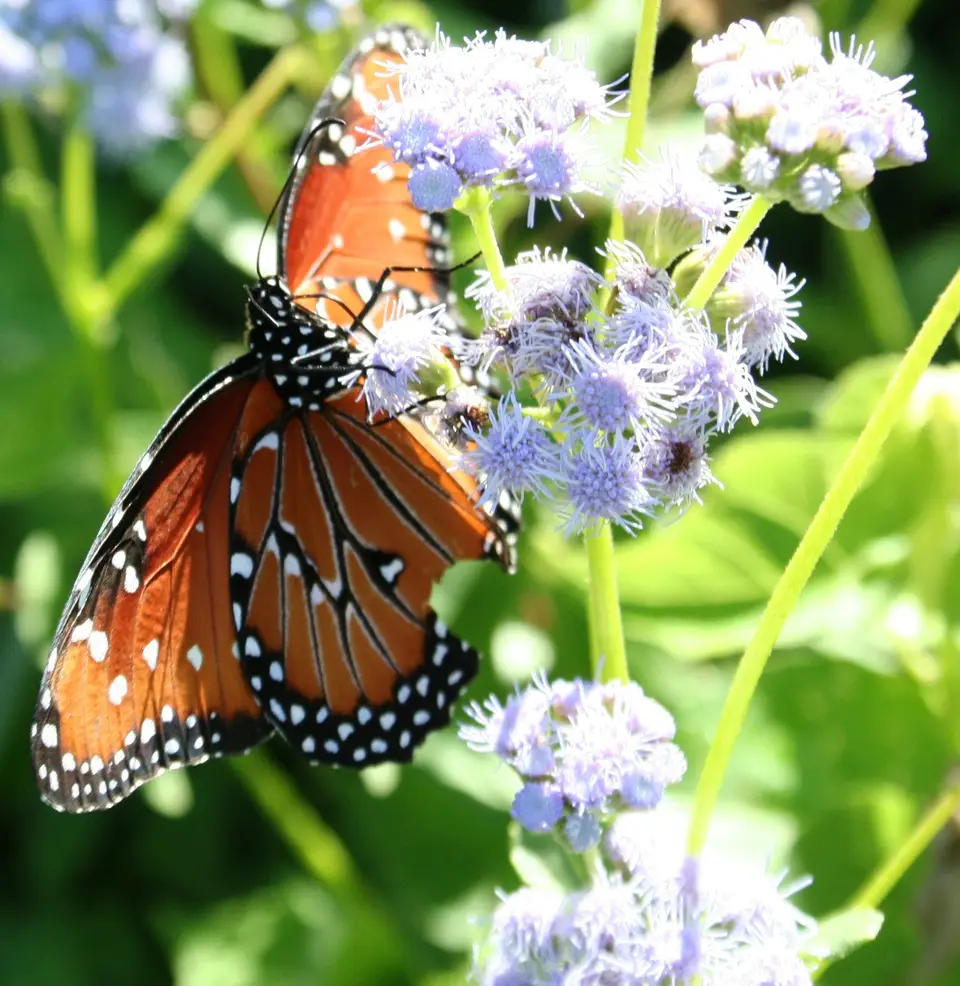
Blue Mistflower
A native perennial that erupts into clouds of soft blue-purple blooms just as fall pollinator activity peaks.
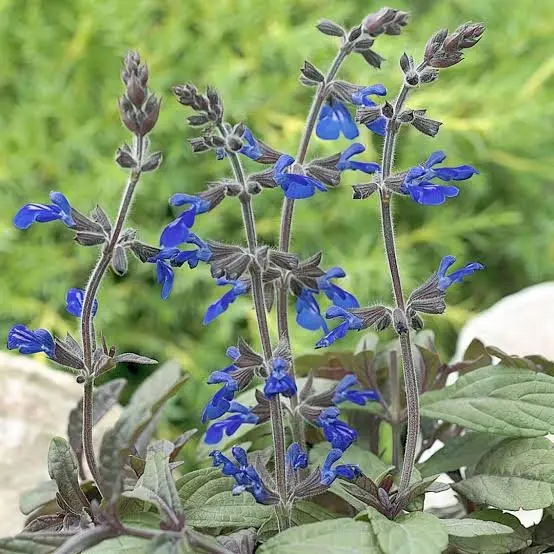
Bicolor Salvia
Bicolor salvia is a low, spreading sage with dark green leaves and deep blue-violet flowers from spring through fall. Bees and hummingbirds visit the blooms, and deer generally leave it alone.
Autumn Sage
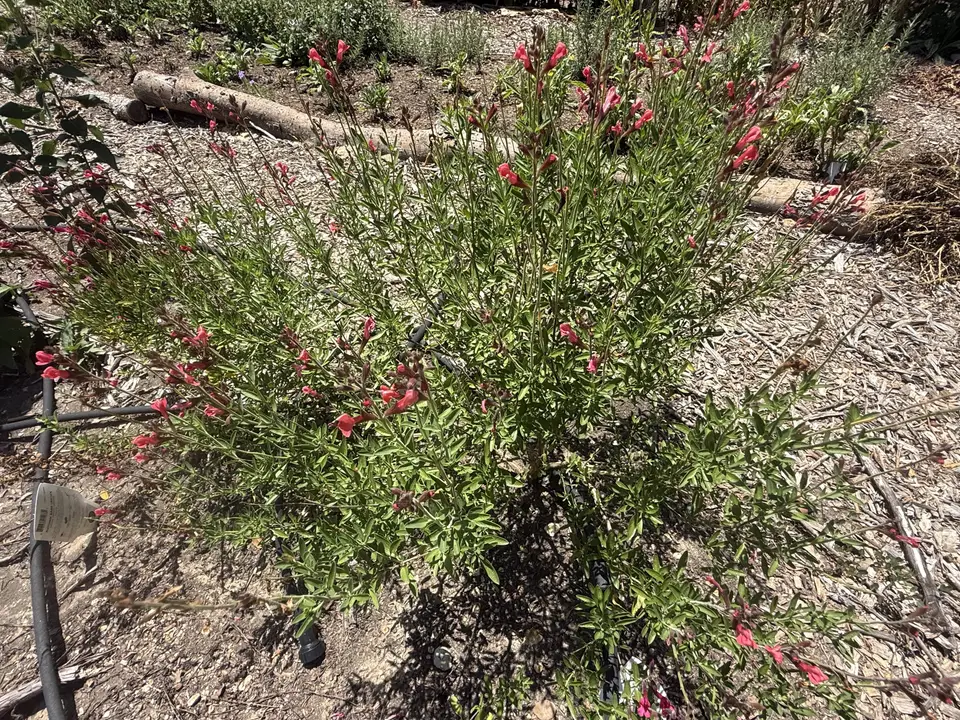
A compact, drought-tolerant native shrub that blooms nearly year-round in reds, corals, pinks, and whites.