Western White Honeysuckle
Lonicera albiflora
2 Gallon — $33 (1 available) · Gallon — $20 (5 available)
- Sun
- Full Sun, Part Shade
- Water
- Low, Moderate, Drought tolerant once established
- Mature size
- 6-12 ft long x 4-6 ft spread (depending on support)
- Best for
- Trellis vine, Natural hedge, Wildlife cover / habitat
About these sizes
- 2 Gallon
- A larger, more established plant — more size and root system from day one.
- Gallon
- Our standard size: a 1-gallon nursery pot, about 6–7 inches across.
Pay at the nursery, plus 6.75% sales tax. Send your request and we'll confirm availability and your pickup time within 24 hours, then hold your plants. How it works
Planting & care
- Growth habit
- Upright to loosely twining vine; can sprawl or climb if supported
- Typical bloom
- Mar–May
- Cold hardy to
- Zones 6–9
- Soil
- Highly adaptable; performs well in clay, limestone, and poor soils
Where to plant
Full sun to part shade, with the best bloom density and most vigorous growth in full sun. It's highly adaptable to clay, limestone, rocky, or sandy soil.
Watering
Low once established. Water regularly the first growing season to encourage deep roots; after that, rainfall is usually sufficient across most of North Texas.
Cutting back
Prune lightly after spring bloom to shape and encourage branching. It can be trained as a climbing vine on a trellis or pruned to a shrubby, mounding form without support.
About Western White Honeysuckle
Western White Honeysuckle is one of North Texas's best-kept secrets in the native vine category. Most gardeners recognize the name "honeysuckle" and grew up with the scent, but very few have ever seen the native Texas species that actually belongs here. This vine gives everything that made honeysuckle beloved, sweet fragrance, hummingbird-attracting tubular flowers, and vigorous twining growth, without any of the invasive behavior of the Asian species that gave honeysuckles a bad reputation.
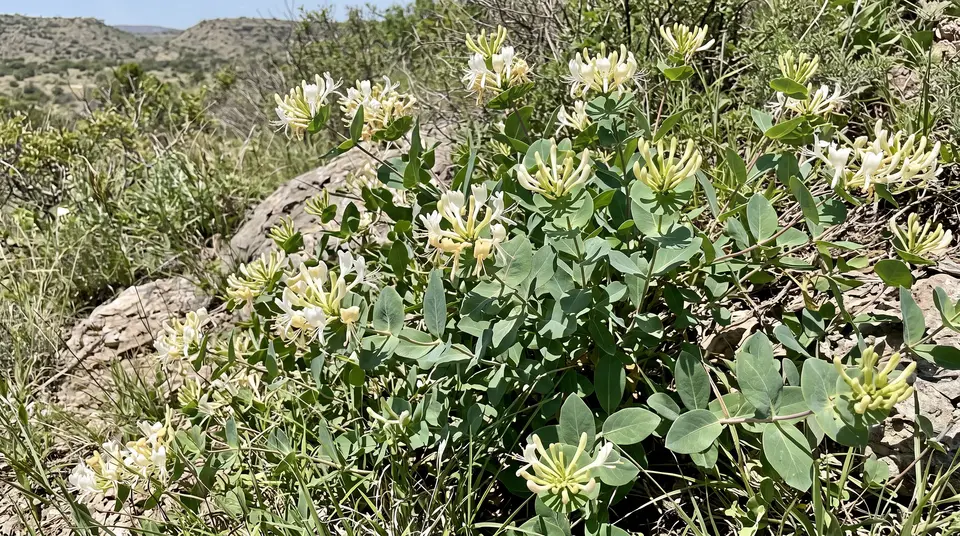
Creamy white to pale yellow tubular flowers cluster at stem tips on paired leaves that fuse around the stem near the blooms, a distinctive feature that makes this an interesting plant to point out once customers understand it.
Built for Texas conditions in a way exotic honeysuckles simply aren't, it thrives in clay, handles limestone soils, and shrugs off summer heat, asking for almost nothing once its roots are down. The flowers open in spring just as hummingbirds are moving through, and small red berries follow in fall, bringing songbirds and cedar waxwings to the garden.
This is a vine that fills a real gap: tougher and more drought-tolerant than many ornamental vines, more refined than aggressive native climbers, and native to this exact region. Train it up a trellis, let it drape over a fence, or allow it to sprawl along a woodland edge.
Where it's native
Western White Honeysuckle occurs naturally in 4 Texas ecoregions — Edwards Plateau, Cross Timbers and Prairies, Trans-Pecos, South Texas Plains. Plants grown from local ecotypes are best adapted to our soils and climate here in the blackland prairie and post oak savannah.
- 1Trans-Pecos
- 2High Plains
- 3Rolling Plains
- 4Edwards Plateau
- 5Cross Timbers and Prairies
- 6South Texas Plains
- 7Blackland Prairies
- 8Post Oak Savannah
- 9Gulf Prairies and Marshes
- 10Pineywoods
Plants it grows well with
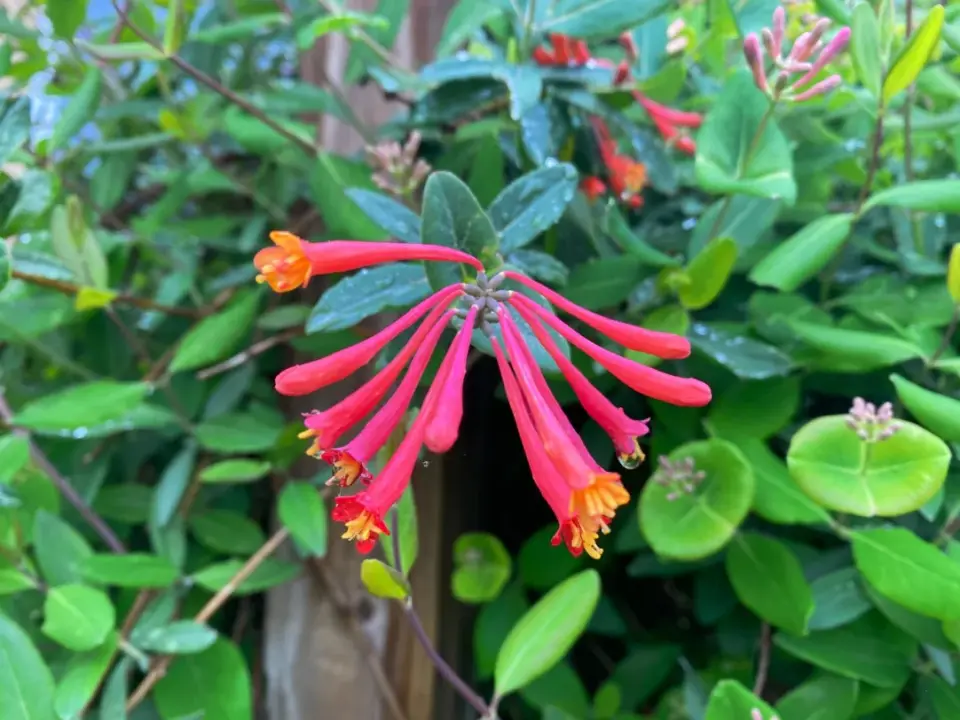
Coral Honeysuckle
A fast-growing native vine covered in coral-red trumpet blooms that hummingbirds can't resist.
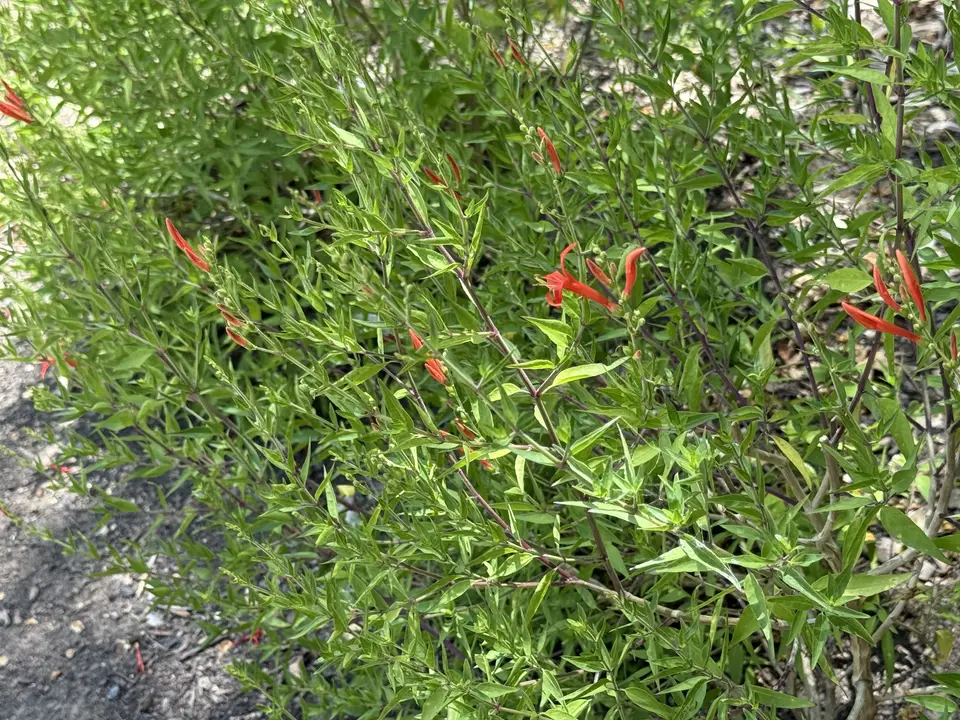
Flame Acanthus
A Texas native hummingbird magnet with brilliant orange-red tubular blooms from late spring through fall.
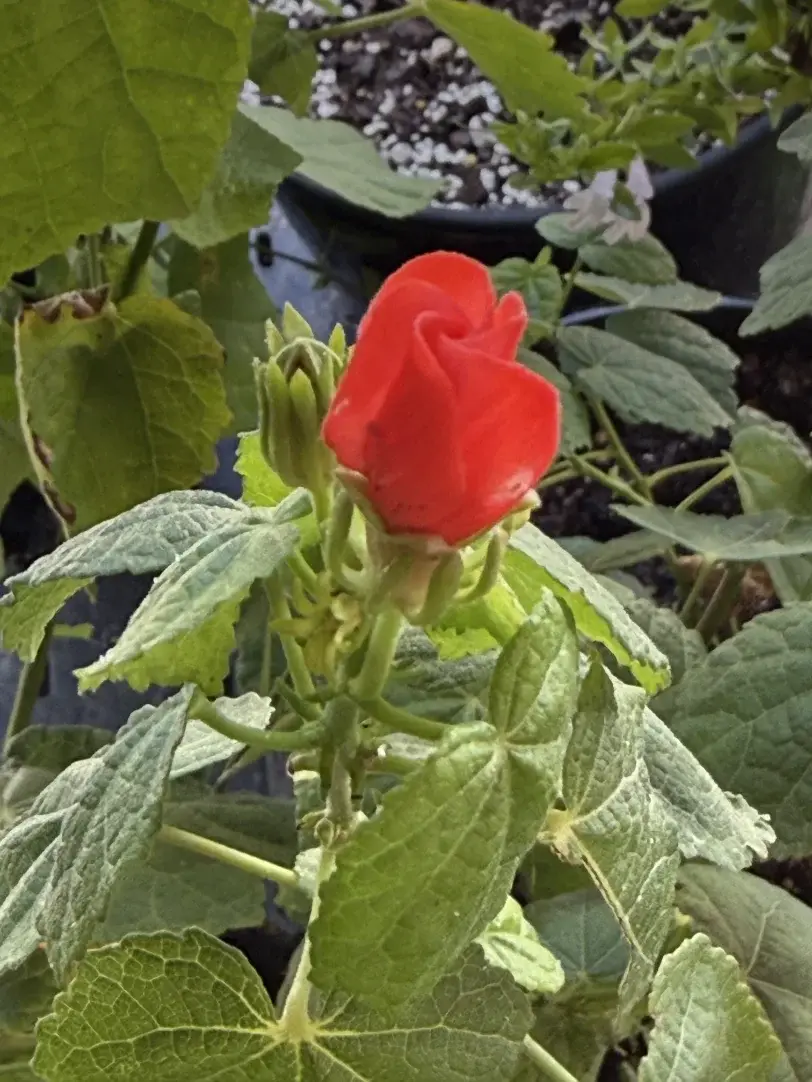
Turk’s Cap
A shade-loving native perennial with distinctive spiraled red blooms that flower nonstop from late spring through fall.