
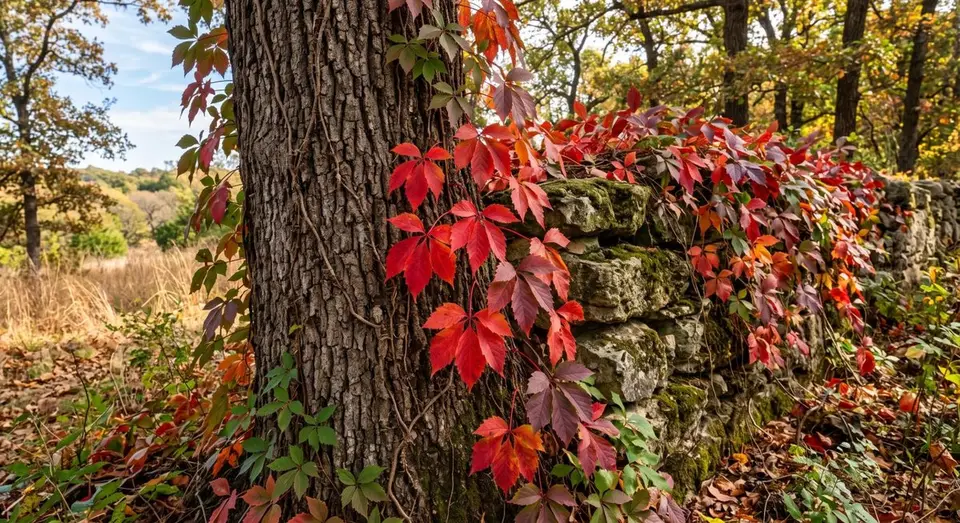
Virginia Creeper
Parthenocissus quinquefolia
- Sun
- Shade, Part Shade, Full Sun
- Water
- Low, Moderate
- Mature size
- 30–50 ft long or more
- Best for
- Privacy Screen, Wildlife cover / habitat, Erosion Control, Shade garden
Gallon — $12 — only 4 left
About this size
- Gallon
- Our standard size: a 1-gallon nursery pot, about 6–7 inches across.
Pay at the nursery, plus 6.75% sales tax. Send your request and we'll confirm availability and your pickup time within 24 hours, then hold your plants. How it works
Planting & care
- Growth habit
- Fast-growing climbing or trailing woody vine with adhesive tendrils
- Typical bloom
- May–Jun
- Cold hardy to
- Zones 3–9
- Soil
- Highly adaptable; tolerates clay, rocky, sandy, loamy, acidic, or alkaline soils
Where to plant
Thrives in full sun to full shade — one of the most adaptable native vines for difficult low-light spots. It's remarkably tolerant of soil type, from clay to rocky to sandy, acidic to alkaline.
Watering
Low to moderate once established. Water regularly the first season to encourage deep roots; after that, it's drought tolerant across most of Texas.
Cutting back
Responds extremely well to pruning and can be cut back aggressively without harm. Hard pruning in late winter encourages dense, vigorous spring growth. Prune through the season as needed to manage size and direction.
About Virginia Creeper
For a native vine that works where almost nothing else will, deep shade, clay soil, rocky slopes, neglected fences, Virginia Creeper is the answer. This tough, fast-growing woody vine blankets fences, walls, and trellises in a single season, then lights up in fall with some of the most brilliant crimson-red color of any native plant. Every fall, clusters of blue-black berries bring in woodpeckers, bluebirds, robins, and dozens more bird species that depend on them as a critical late-season food source.
Compound leaves with five leaflets in a palmate pattern, the easy "leaves of five" distinction from poison ivy's three, cover stems that climb using adhesive-tipped tendrils rather than roots, gripping surfaces without damaging wood or masonry.
Native across the entire eastern half of North America, it's one of the most adaptable plants on the continent: full shade or full sun, clay or sand, dry or moist, alkaline or acidic. Once established, it needs almost nothing.
For anyone who wants fast coverage, real habitat value, and jaw-dropping fall color without the maintenance demands of ornamental imports, Virginia Creeper delivers all three — a true plant-it-and-watch-it-go native.
Where it's native
Virginia Creeper occurs naturally in 6 Texas ecoregions — Pineywoods, Post Oak Savannah, Blackland Prairies, Cross Timbers and Prairies, Gulf Prairies and Marshes, Edwards Plateau. Plants grown from local ecotypes are best adapted to our soils and climate here in the Blackland Prairies.
- 1Trans-Pecos
- 2High Plains
- 3Rolling Plains
- 4Edwards Plateau
- 5Cross Timbers and Prairies
- 6South Texas Plains
- 7Blackland Prairies
- 8Post Oak Savannah
- 9Gulf Prairies and Marshes
- 10Pineywoods
Plants it grows well with
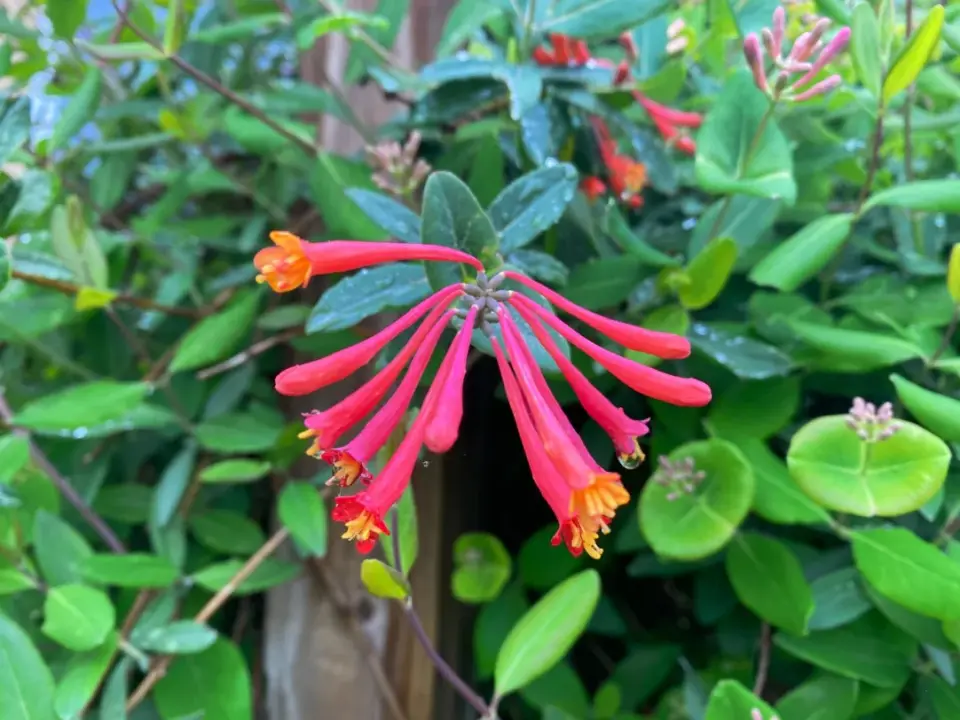
Coral Honeysuckle
A fast-growing native vine covered in coral-red trumpet blooms that hummingbirds can't resist.
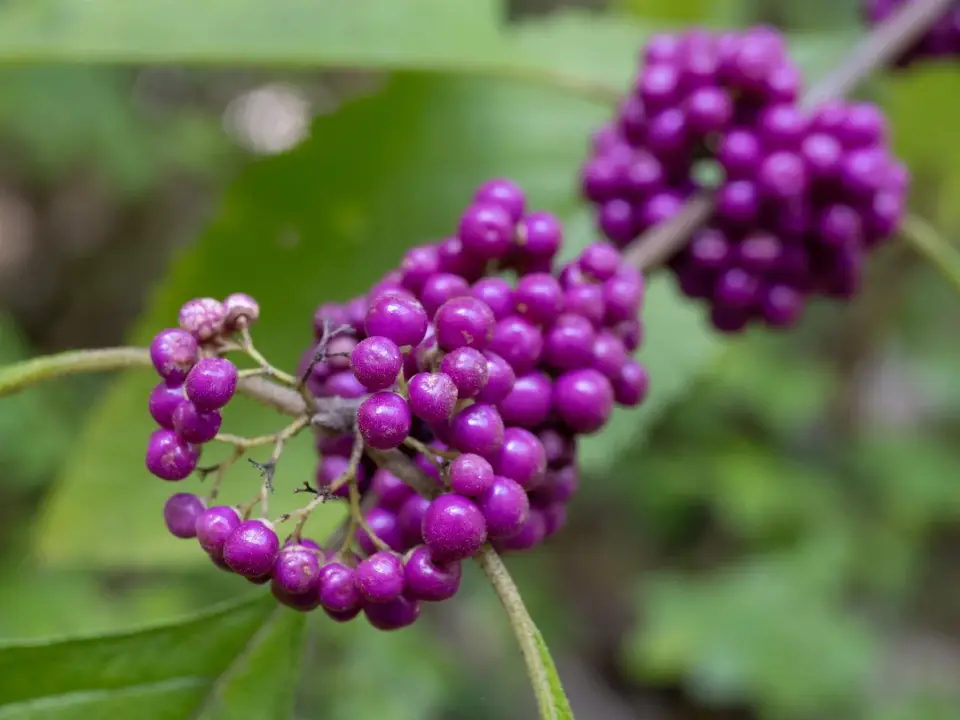
American Beautyberry
A native shrub famous for the clusters of electric-purple berries that wrap around its stems every fall.
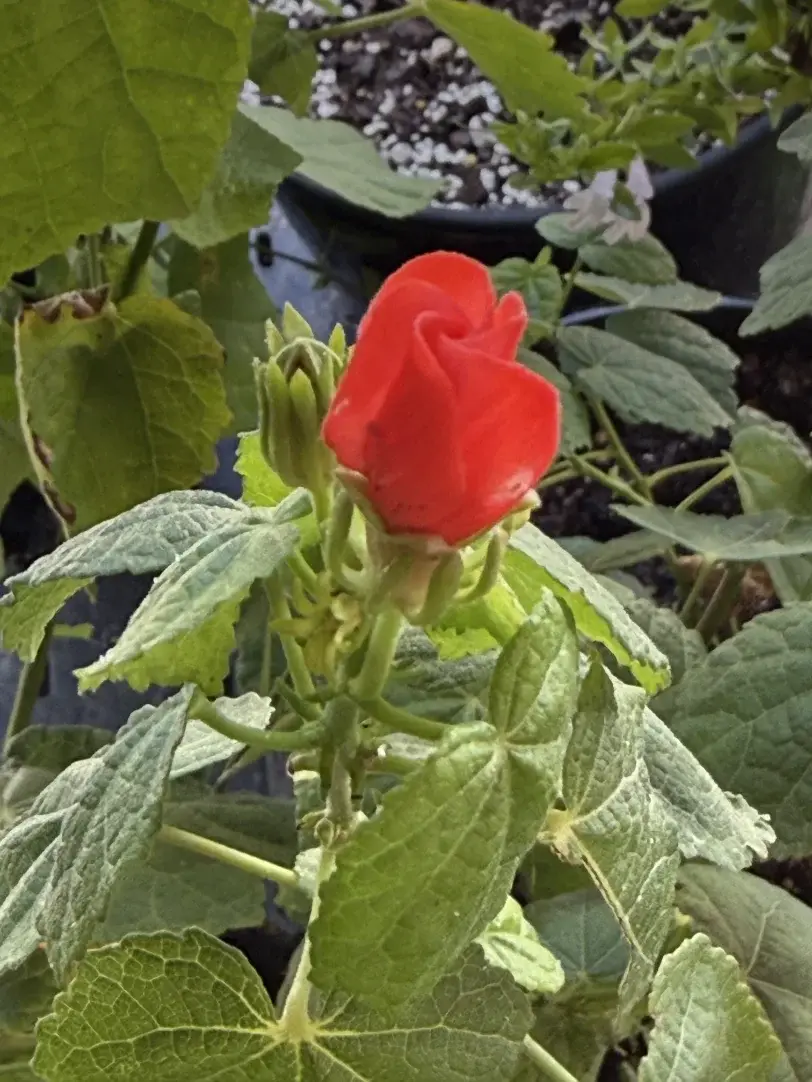
Turk’s Cap
A shade-loving native perennial with distinctive spiraled red blooms that flower nonstop from late spring through fall.