Texas Kidneywood
Eysenhardtia texana
- Sun
- Full Sun, Part Shade
- Water
- Drought tolerant once established, Low
- Mature size
- 5-8 ft tall x 4-6 ft wide
- Best for
- Pollinator Plant, Drought-tolerant Landscaping, Native ecosystem plant, Low maintenance
Gallon — $15 — only 2 left
About this size
- Gallon
- Our standard size: a 1-gallon nursery pot, about 6–7 inches across.
Pay at the nursery, plus 6.75% sales tax. Send your request and we'll confirm availability and your pickup time within 24 hours, then hold your plants. How it works
Planting & care
- Growth habit
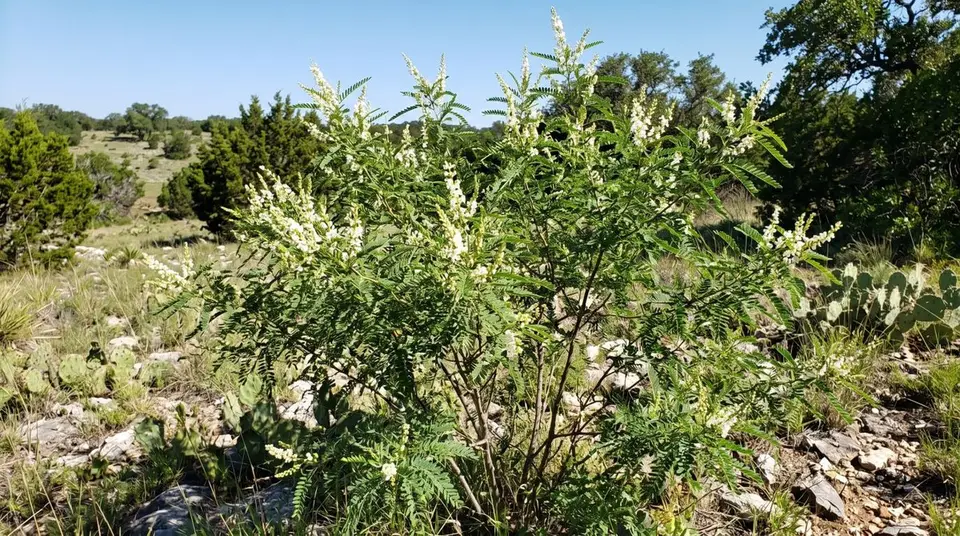
- Open, airy, multi-stemmed shrub with fine, fern-like foliage
- Typical bloom
- May–Oct
- Cold hardy to
- Zones 8–10
- Soil
- Well-drained; thrives in limestone, caliche, sandy, and rocky soils; intolerant of poorly drained clay
Where to plant
Full sun and well-drained soil. It thrives on rocky, sandy, limestone, or caliche soils and is happiest with excellent drainage. In heavy clay, plant on a raised mound or in a raised bed so water drains away from the roots.
Watering
Water deeply and regularly the first summer to establish the deep taproot. After that it is very drought tolerant and does best with little added water. Overwatering is the most common cause of decline.
Cutting back
Prune lightly in late winter to keep the shrub full and upright and to remove winter-damaged stems. Avoid heavy shearing, which can leave it leggy.
Establishing
It develops a long taproot, so it is best planted while young and left undisturbed. Move it only when small.
About Texas Kidneywood
Texas kidneywood is the shrub that makes a butterfly garden work. From late spring into fall, and especially after a good rain, it lifts slender white spikes of flowers above a cloud of fine, fern-like leaves, and the air around it fills with a sweet, vanilla-like scent. Bees, butterflies, and other pollinators arrive by the dozens.
The leaves are as interesting as the flowers. Each one is divided into many tiny leaflets that give the whole shrub a soft, airy texture, and crushing one releases a bright, citrusy fragrance. The stems are slender and arching, and the plant grows into an open, loose shape that suits a naturalized planting better than a clipped hedge.
It is native to the rocky hills and brush country of Texas and northern Mexico, and it shows the toughness of that country. A deep taproot lets it shrug off heat and drought, and it prefers poor, rocky, or sandy soil to rich garden ground. The name comes from its long history of use in traditional remedies.
Five to eight feet tall and about as wide, it is a good size for the back of a border, a fence line, or a wildlife planting. Set it in full sun with sharp drainage and it will reward you with a season of fragrance and pollinators for very little work.
Where it's native
Texas Kidneywood occurs naturally in 4 Texas ecoregions — Edwards Plateau, South Texas Plains, Trans-Pecos, Rolling Plains. Plants grown from local ecotypes are best adapted to our soils and climate here in the blackland prairie and post oak savannah.
- 1Trans-Pecos
- 2High Plains
- 3Rolling Plains
- 4Edwards Plateau
- 5Cross Timbers and Prairies
- 6South Texas Plains
- 7Blackland Prairies
- 8Post Oak Savannah
- 9Gulf Prairies and Marshes
- 10Pineywoods
Plants it grows well with
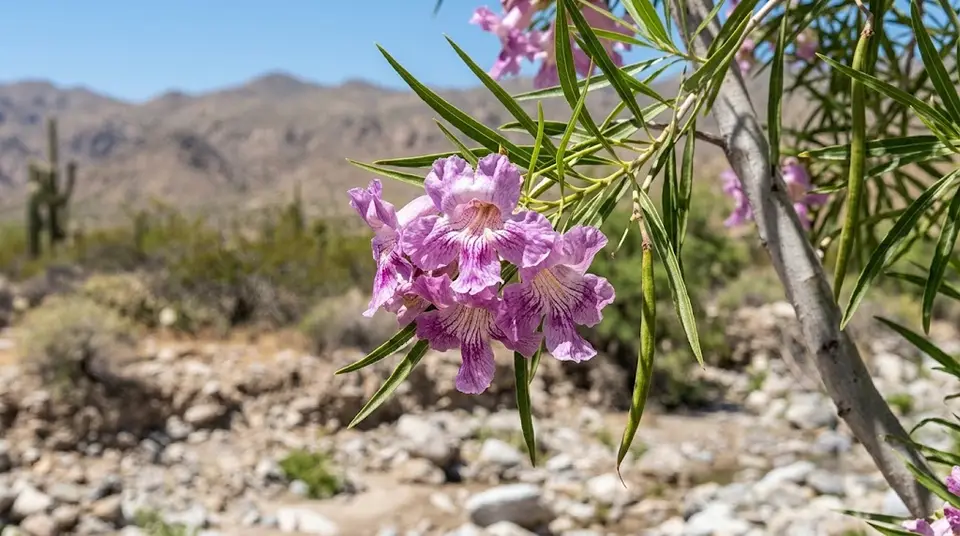
Desert Willow
A fast-growing native flowering tree with orchid-like summer blooms and exceptional drought tolerance.
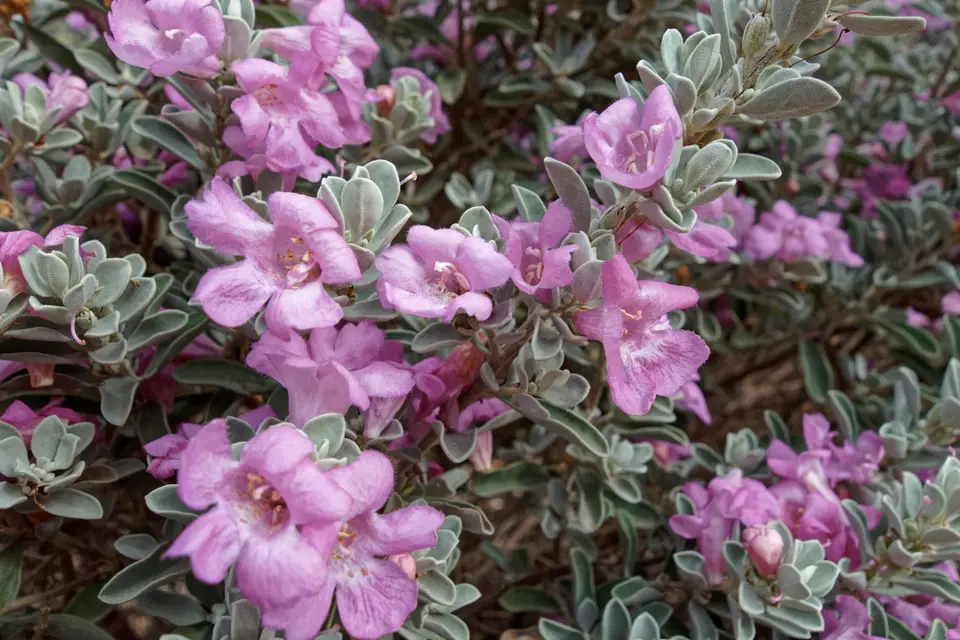
Texas Sage
A silver-leaved native shrub that erupts in surprise blooms after every rain — the legendary "barometer bush."
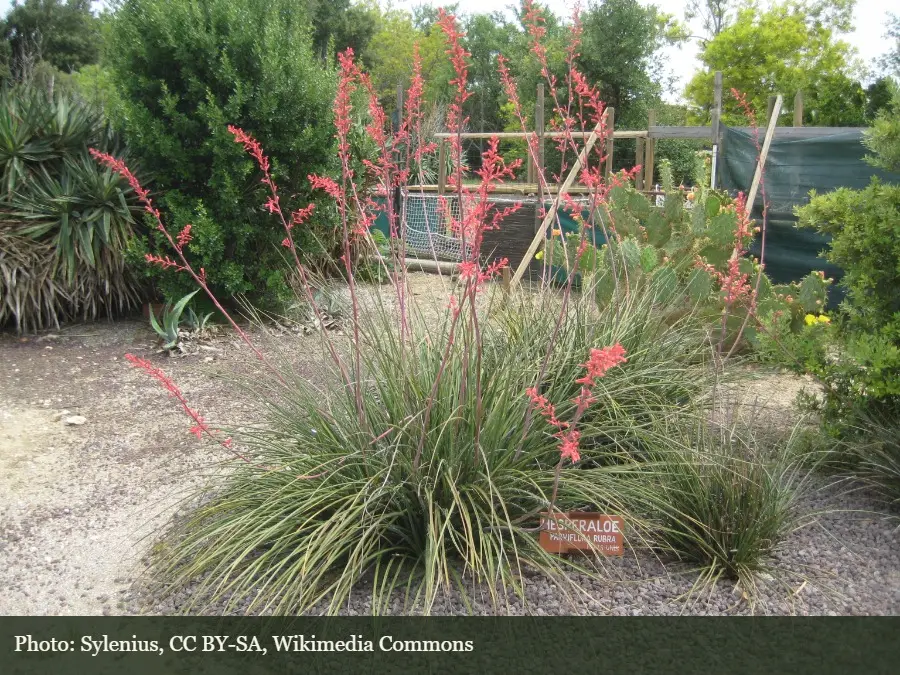
Red Yucca
A soft-leaved, drought-proof native accent plant with towering coral-red blooms that hummingbirds visit all season.