
Silver Ponyfoot
Dichondra argentea
- Sun
- Full Sun, Part Shade
- Water
- Drought tolerant once established, Moderate
- Mature size
- 2-4 in. tall x 2-3 ft wide (stems trail to 3+ ft)
- Best for
- Groundcover, Drought-tolerant Landscaping, Low maintenance
Gallon — $10
About this size
- Gallon
- Our standard size: a 1-gallon nursery pot, about 6–7 inches across.
Pay at the nursery, plus 6.75% sales tax. Send your request and we'll confirm availability and your pickup time within 24 hours, then hold your plants. How it works
Planting & care
- Growth habit
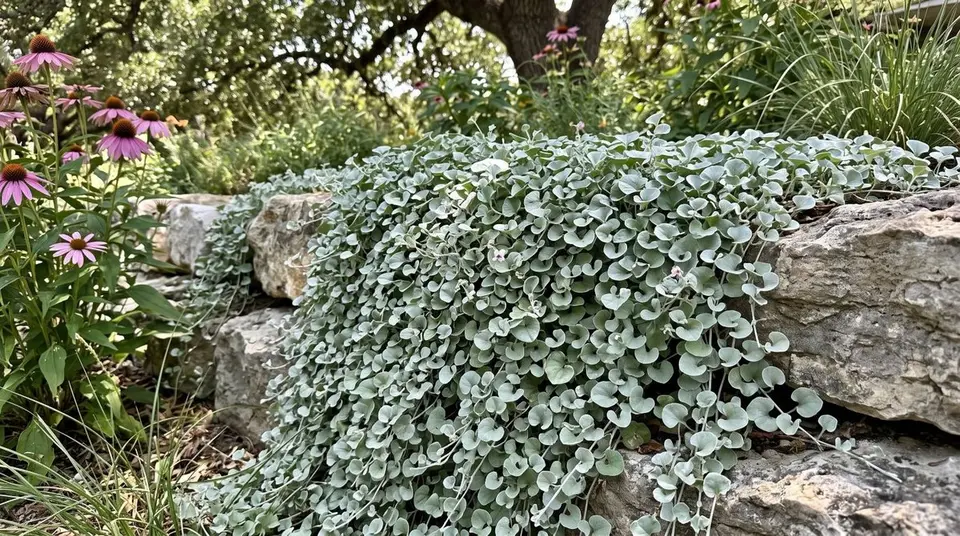
- Low, mat-forming, trailing groundcover with silky, silver, round-to-kidney-shaped leaves
- Typical bloom
- Apr–Sep
- Cold hardy to
- Zones 9–10
- Soil
- Well-drained; tolerates rocky, sandy, and lean soils; avoid soggy conditions
Where to plant
Full sun to part shade, in well-drained soil. It works well in rock gardens, along walkways, spilling over walls, and in containers. In the hottest, driest spots, a little afternoon shade keeps the leaves from scorching.
Watering
Water regularly the first summer to establish. After that it is drought tolerant, but the leaves look best with an occasional deep watering during long dry spells. Let the soil dry between waterings, since soggy soil causes rot.
Cutting back
Trim back winter-damaged growth in spring, and shear lightly through the season to keep the mat dense and contained. It can be cut hard to refresh a tired planting.
Winter care
In North Texas it is tender in hard freezes. Mulch the planting well or grow it in a container that can be moved under cover during cold snaps.
About Silver Ponyfoot
Silver ponyfoot earns its place with one thing: color. The small, round, silky leaves are a soft silver that catches the light, and a single plant spreads into a shimmering mat only a few inches tall. Among the greens of a typical native planting, nothing else looks like it.
The name comes from the leaf shape, a rounded little hoof. In the wild it grows across rocky slopes and desert scrub in West and South Texas, tucked under shrubs and threading through gravel where other groundcovers give up. That toughness carries over to the garden, where it handles heat, poor soil, and dry spells with very little fuss.
It is a natural partner for plants with bolder color. Set it beneath red yucca, along the edge of a blackfoot daisy planting, or let it spill over the lip of a rock wall or a container. The silver foliage makes the surrounding plants look richer without competing for attention, and the tiny flowers stay out of the way.
In North Texas it is tender in a hard freeze, so it behaves as a seasonal groundcover unless it is well mulched or grown in a pot. For a low, silver, heat-proof spiller that asks for almost nothing in summer, it is hard to beat.
Where it's native
Silver Ponyfoot occurs naturally in 3 Texas ecoregions — Trans-Pecos, Edwards Plateau, South Texas Plains. Plants grown from local ecotypes are best adapted to our soils and climate here in the blackland prairie and post oak savannah.
- 1Trans-Pecos
- 2High Plains
- 3Rolling Plains
- 4Edwards Plateau
- 5Cross Timbers and Prairies
- 6South Texas Plains
- 7Blackland Prairies
- 8Post Oak Savannah
- 9Gulf Prairies and Marshes
- 10Pineywoods
Plants it grows well with
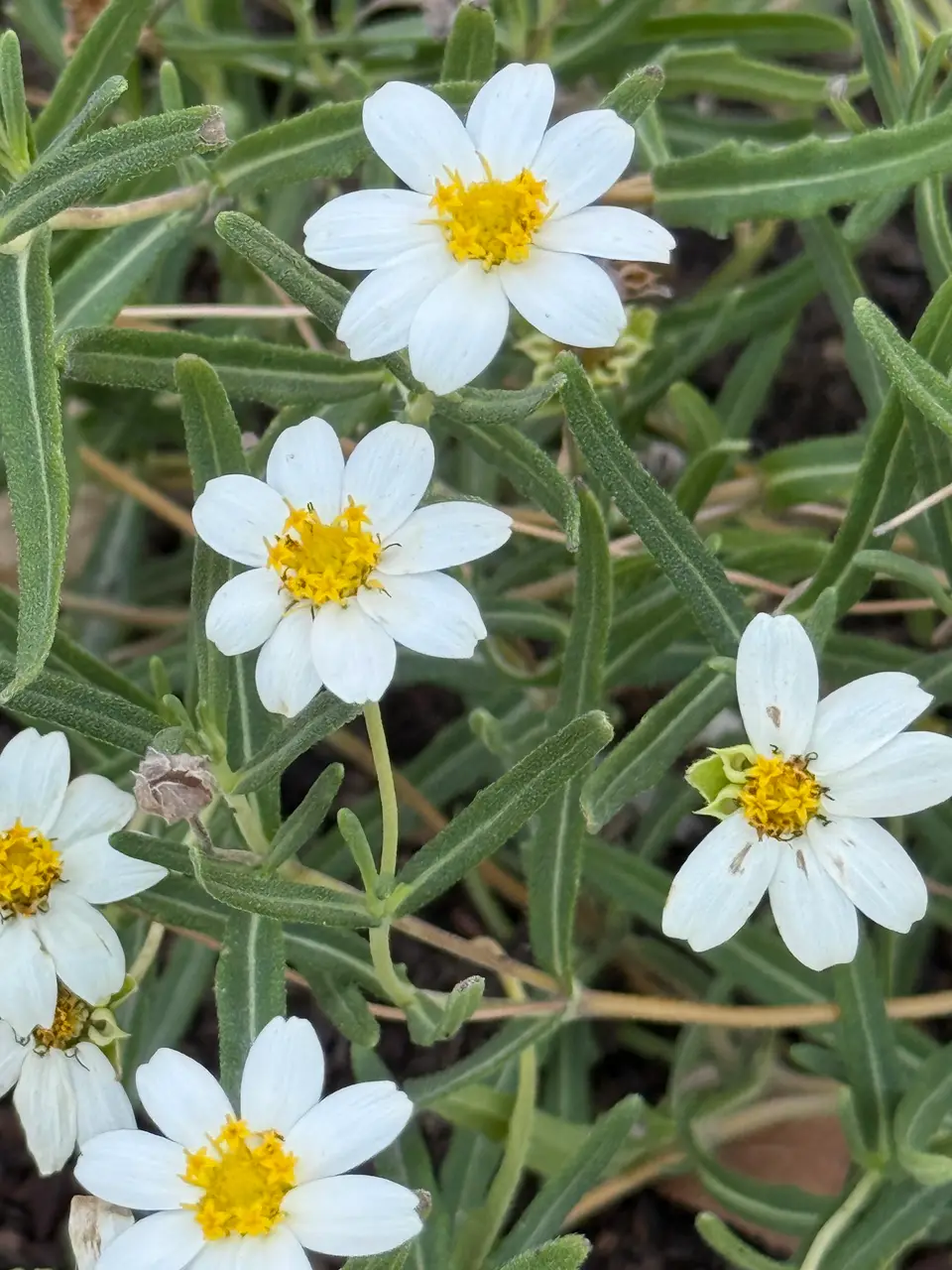
Blackfoot Daisy
A drought-proof native perennial with cheerful white, daisy-like blooms from spring through frost.
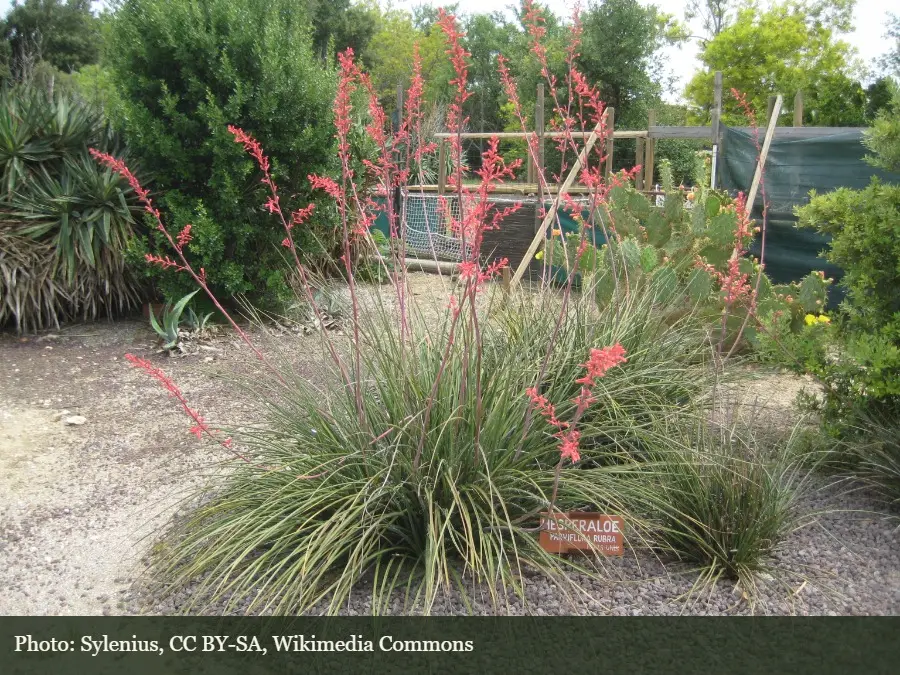
Red Yucca
A soft-leaved, drought-proof native accent plant with towering coral-red blooms that hummingbirds visit all season.
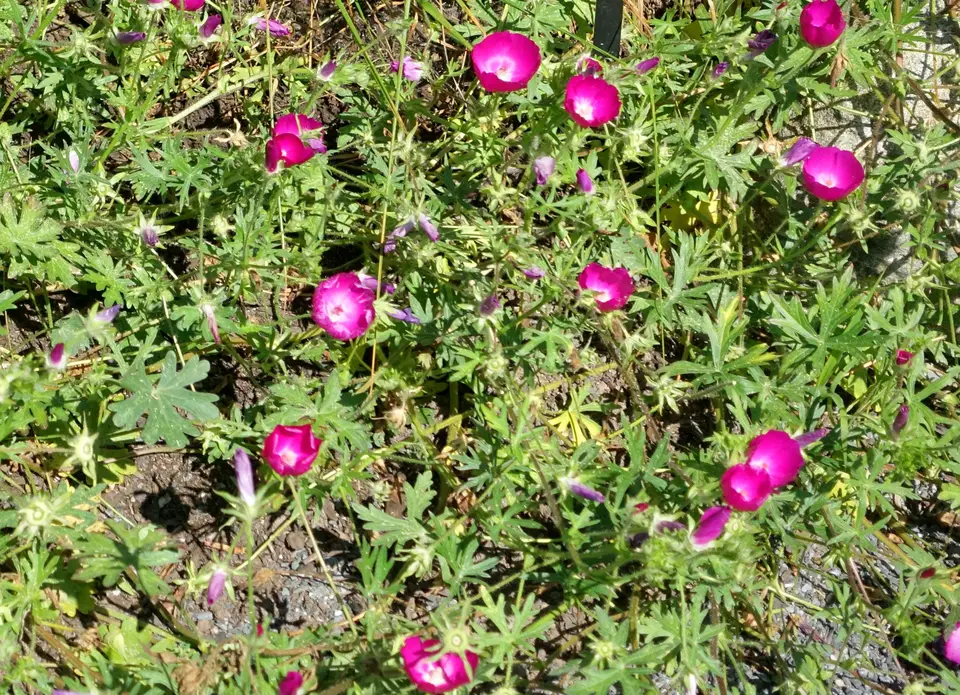
Winecup (Perennial)
A fast-spreading native groundcover with vivid magenta cup-shaped blooms every spring.