
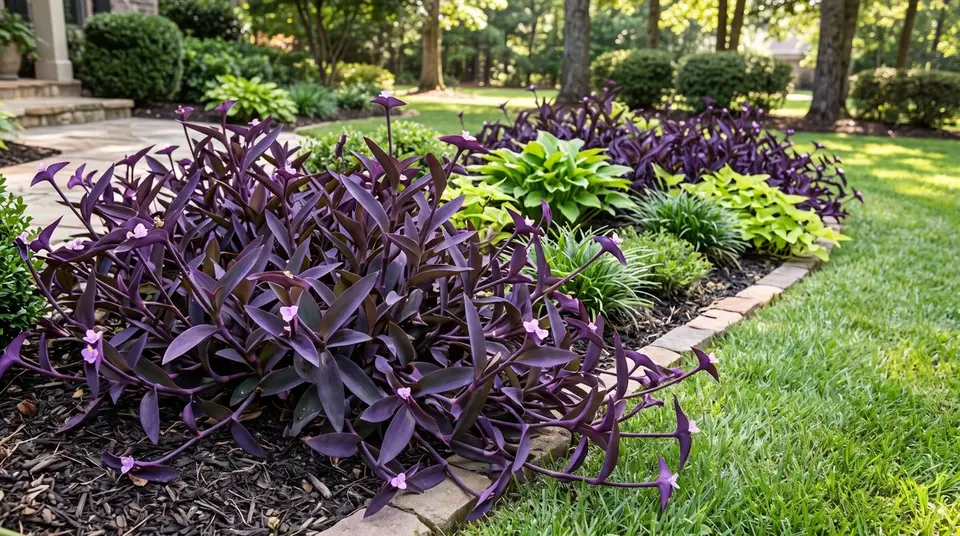
Purple Heart
Tradescantia pallida (syn. Setcreasea pallida)
- Sun
- Full Sun, Part Shade
- Water
- Moderate, Drought tolerant once established
- Mature size
- 6–12 in tall, spreading 2–3 ft as groundcover; trails 12–18 in in containers and baskets
- Best for
- Groundcover, Drought-tolerant Landscaping, Low maintenance
Gallon — $12
About this size
- Gallon
- Our standard size: a 1-gallon nursery pot, about 6–7 inches across.
Pay at the nursery, plus 6.75% sales tax. Send your request and we'll confirm availability and your pickup time within 24 hours, then hold your plants. How it works
Planting & care
- Growth habit
- Sprawling, succulent-textured stems that root readily wherever a node touches soil; forms a dense low mat or cascades over container edges
- Typical bloom
- May–Oct
- Cold hardy to
- Zones 7–10
- Soil
- Adaptable — thrives in average to poor soil; well-drained preferred but forgiving of a range of conditions; excellent in standard container mix
Where to plant
Full sun for the deepest purple color; tolerates part shade but will green out somewhat. Adaptable to average to poor soil; well-drained is best.
Watering
Moderate. Drought tolerant once established, but regular water keeps it lush and full, especially in containers and baskets.
Pruning
Pinch stem tips periodically through the growing season to encourage fuller, bushier growth. Cut back hard if it gets leggy — it rebounds fast.
About Purple Heart
If you want color that basically takes care of itself, Purple Heart is it. The foliage is a deep, vivid violet-purple all season long, no flowers required to make a statement, though it does throw the occasional small pink bloom as a bonus. It cascades beautifully out of a hanging basket or spreads into a dense groundcover, whichever job is needed.
This one asks for almost nothing: full sun, average water, and it's happy. It shrugs off Texas summer heat without missing a beat, and the color actually gets richer with more sun. Come first frost it will die back, but in most winters it returns from the roots the following spring.
It's the plant for anyone who wants guaranteed color with zero drama, perfect for a porch basket, a border edge, or anywhere that needs a reliable pop of purple all summer.
Plants it grows well with
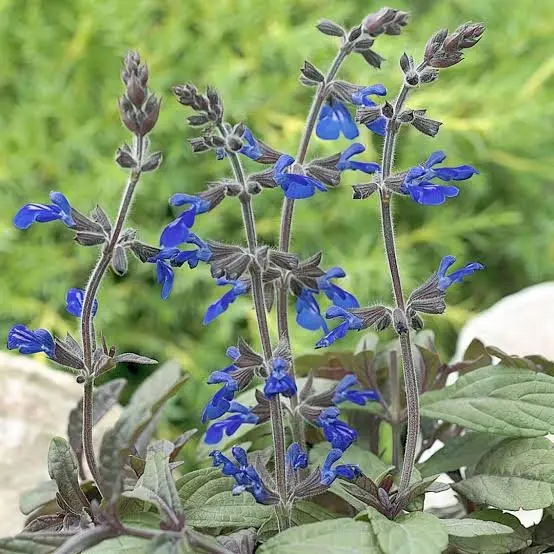
Bicolor Salvia
Bicolor salvia is a low, spreading sage with dark green leaves and deep blue-violet flowers from spring through fall. Bees and hummingbirds visit the blooms, and deer generally leave it alone.
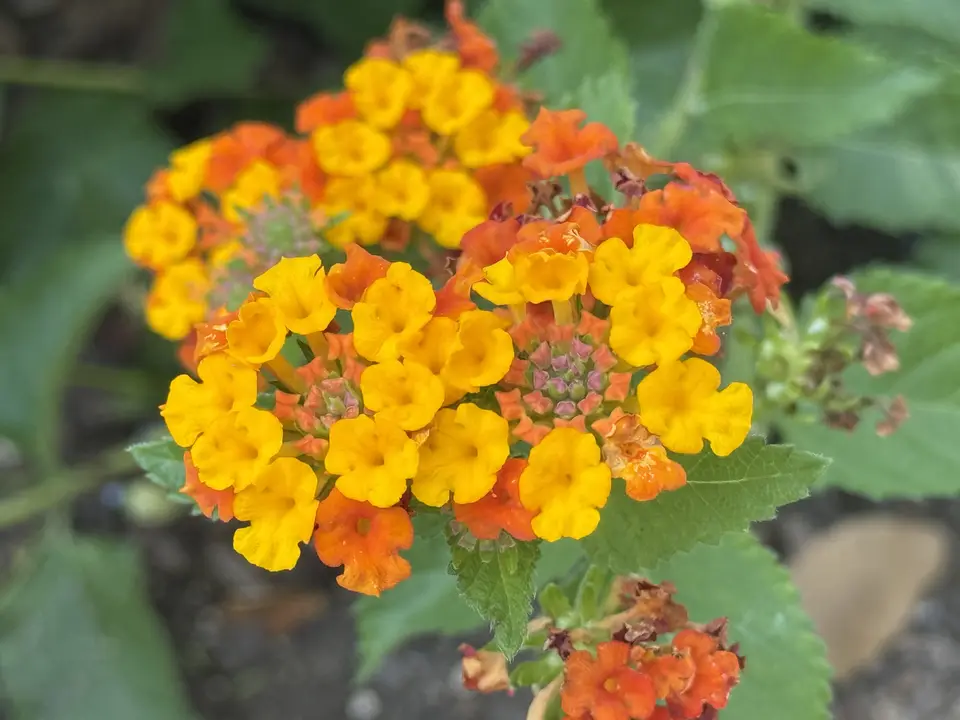
Texas Lantana
A tough, long-blooming native shrub with multi-colored flower clusters that draw butterflies from May through frost.
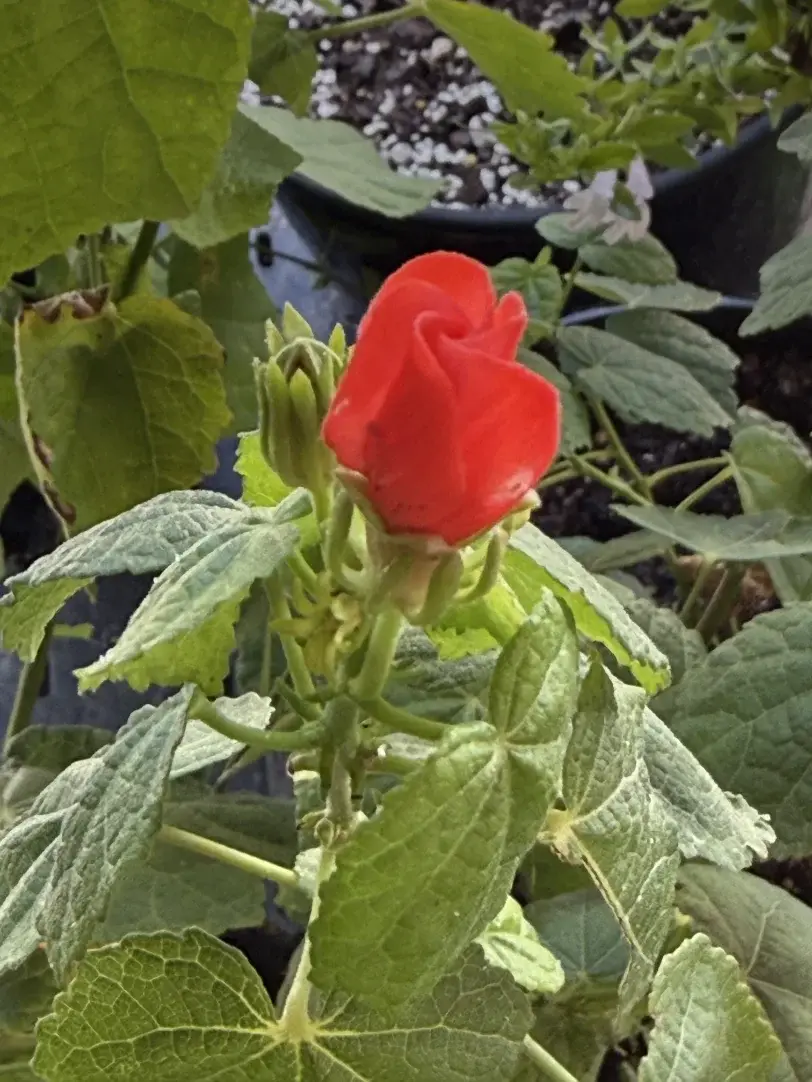
Turk’s Cap
A shade-loving native perennial with distinctive spiraled red blooms that flower nonstop from late spring through fall.