
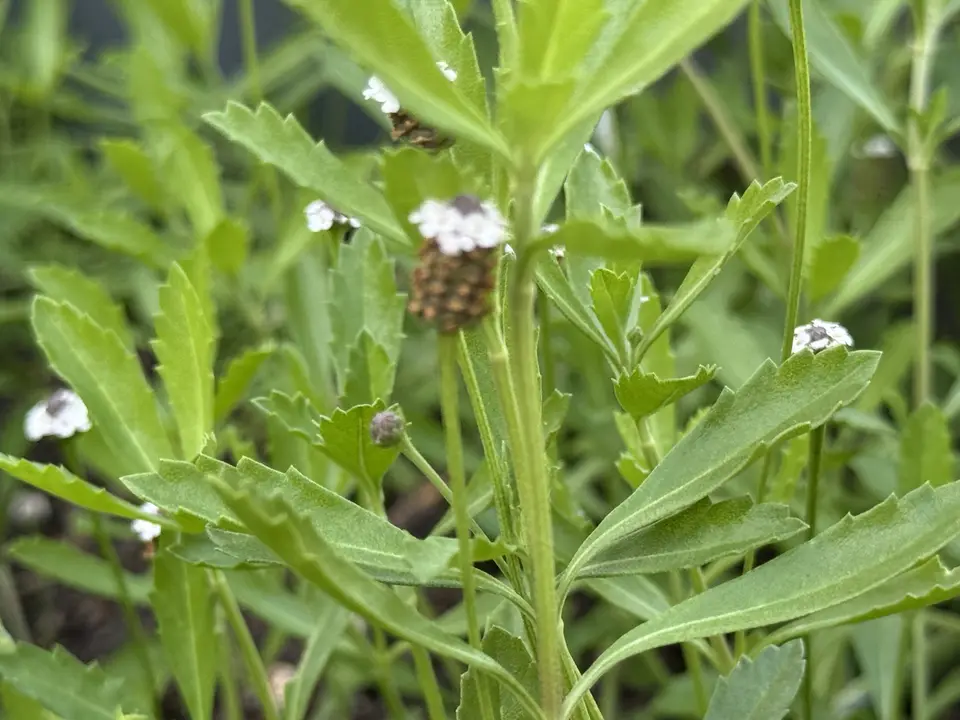
Frogfruit
Phyla nodiflora (L.) Greene

4 Inch Pot and Deep Plug currently sold out.
- Sun
- Full Sun, Part Shade
- Water
- Low, Moderate, Drought tolerant once established
- Mature size
- About 1–6 inches tall, with wide lateral spread.
- Best for
- Groundcover, Pollinator Plant, Native Lawn Alternative
About these sizes
- Gallon
- Our standard size: a 1-gallon nursery pot, about 6–7 inches across.
- 4 Inch Pot
- A small starter plant in a 4-inch pot.
- Deep Plug
- A young plant in a deep, narrow cell — the most economical way to cover ground. Give it extra water its first season.
Pay at the nursery, plus 6.75% sales tax. Send your request and we'll confirm availability and your pickup time within 24 hours, then hold your plants. How it works
Planting & care
- Growth habit
- Low, creeping, mat-forming, rooting at nodes and spreading by runners.
- Typical bloom
- Apr–Oct
- Cold hardy to
- Zones 7–9
- Soil
- Very adaptable; prefers well-drained soils but tolerates poor drainage and a wide range of soil conditions.
Where to plant
Full sun to part shade, with the best bloom density and mat formation in full sun. It's very adaptable to clay, sandy, loam, or rocky soil, and tolerates both drought and brief flooding better than almost anything else.
Watering
Water regularly the first 3–4 weeks after planting to help it establish. After that, natural rainfall handles most of the work during a normal North Texas growing season.
Maintenance
No mowing required unless you want a tidy look — a light mow with the mower set high can refresh the mat. Remove dead material in late winter before spring growth starts. It spreads naturally by rooting runners; a simple edging barrier keeps it contained if needed.
About Frogfruit
Some of the best plants are the ones hiding in plain sight. Frogfruit grows in roadside ditches, along creek banks, and across disturbed ground all across North Texas — most people walk right past it without a second look. But get close enough to watch it on a warm September afternoon and a Phaon Crescent butterfly might be laying eggs on the leaves, followed by a Common Buckeye working the tiny flowers for nectar. These butterflies depend on Frogfruit as their host plant; without it, they can't complete their life cycle.
It grows low and tight to the ground, spreading steadily by runners that root wherever they touch soil, and blooms continuously from April through October with tiny matchstick-like flower heads in white to pale lavender. In a yard, it fills the space that thin, struggling grass can't hold — the sunny slope that bakes dry every summer, the edge between sidewalk and bed, the low spot that gets wet after rain and then dries out.
It handles those conditions better than most conventional groundcovers, and does it while hosting butterfly larvae and feeding native bees throughout its long bloom window. Once it has filled in a space, it's essentially self-sustaining — no mowing required, though it tolerates a light mow if a tidier look is wanted.
For anyone who wants something lower-maintenance than turf, more ecologically valuable than a typical groundcover, and genuinely alive with butterflies come September, Frogfruit delivers all three at once.
Where it's native
Frogfruit occurs naturally in 7 Texas ecoregions — Pineywoods, Post Oak Savannah, Blackland Prairies, Cross Timbers and Prairies, Gulf Prairies and Marshes, Edwards Plateau, South Texas Plains. Plants grown from local ecotypes are best adapted to our soils and climate here in the Blackland Prairies.
- 1Trans-Pecos
- 2High Plains
- 3Rolling Plains
- 4Edwards Plateau
- 5Cross Timbers and Prairies
- 6South Texas Plains
- 7Blackland Prairies
- 8Post Oak Savannah
- 9Gulf Prairies and Marshes
- 10Pineywoods
Plants it grows well with
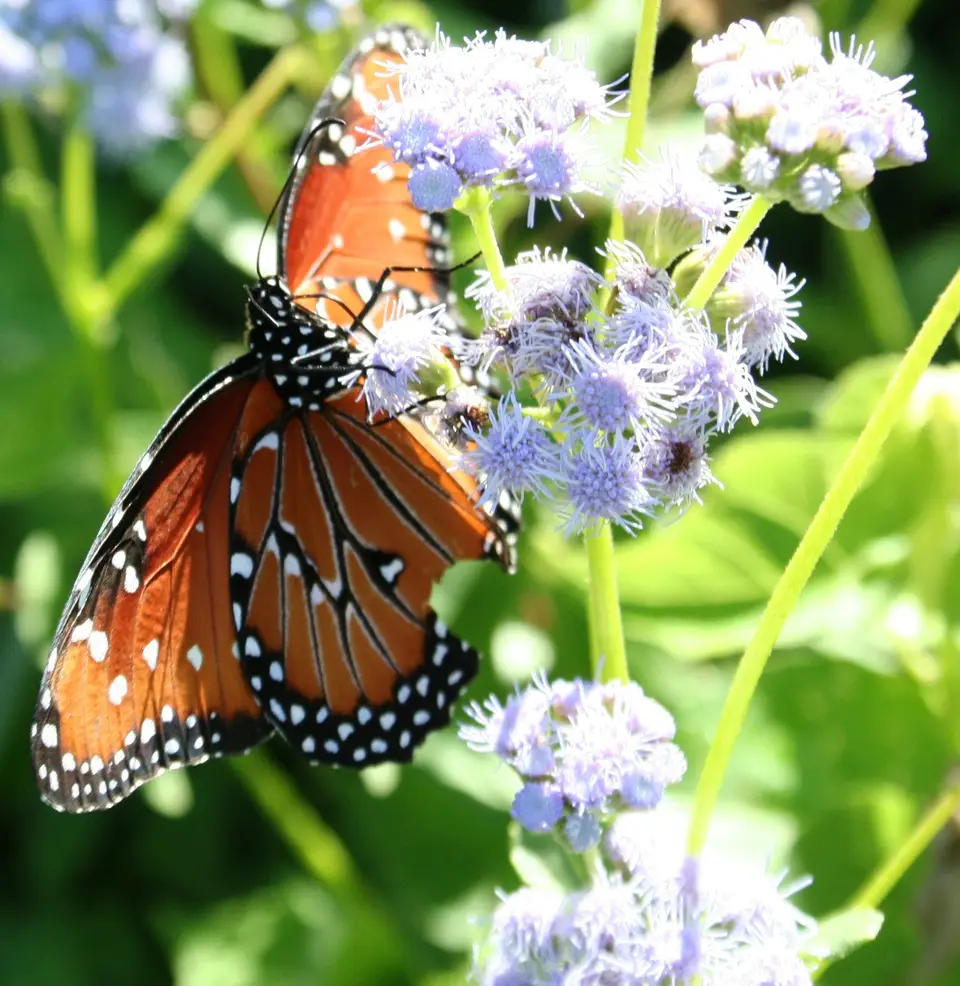
Blue Mistflower
A native perennial that erupts into clouds of soft blue-purple blooms just as fall pollinator activity peaks.
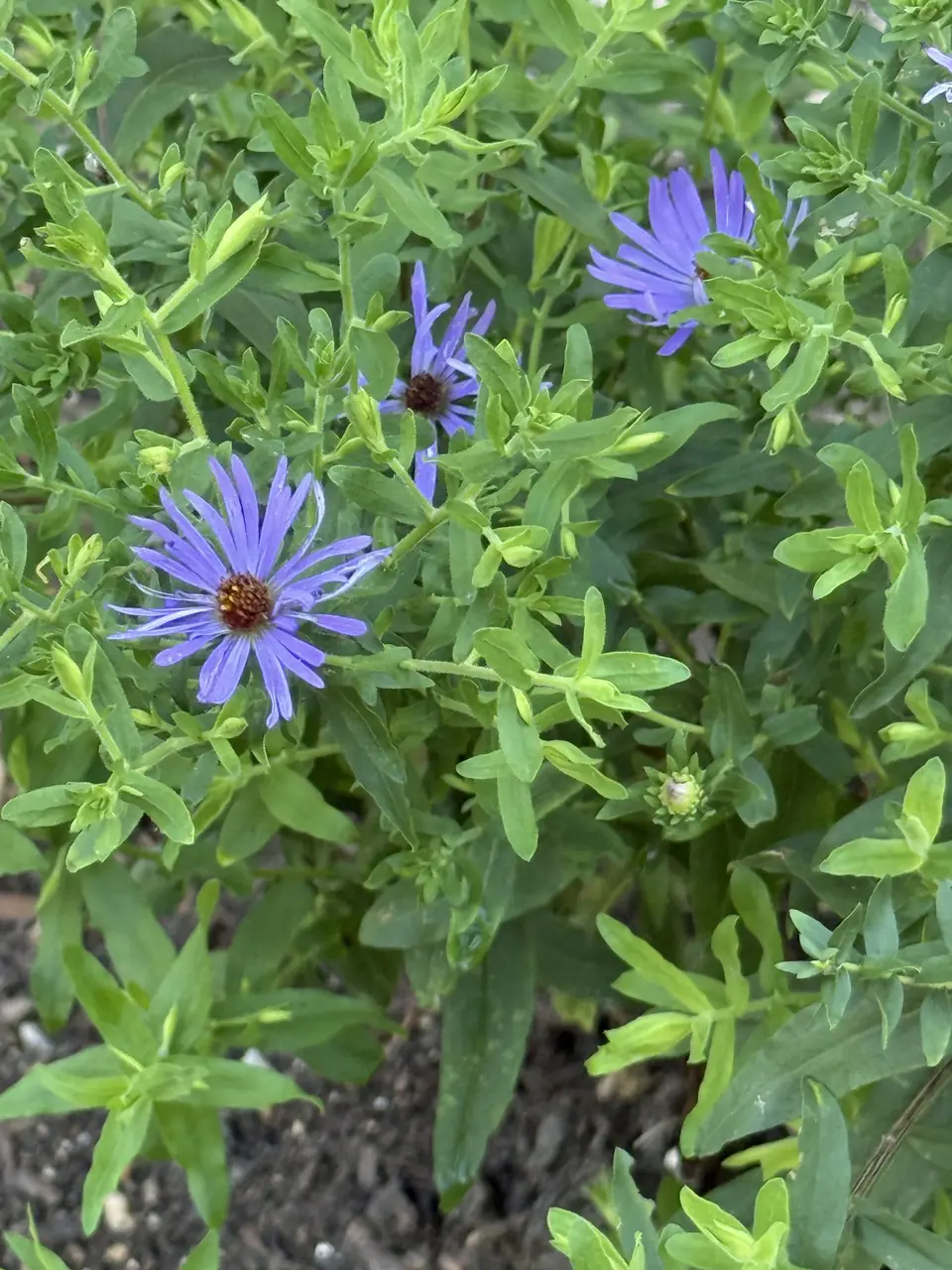
Fall Aster
A native fall-blooming perennial that covers itself in lavender-purple flowers just as everything else fades.
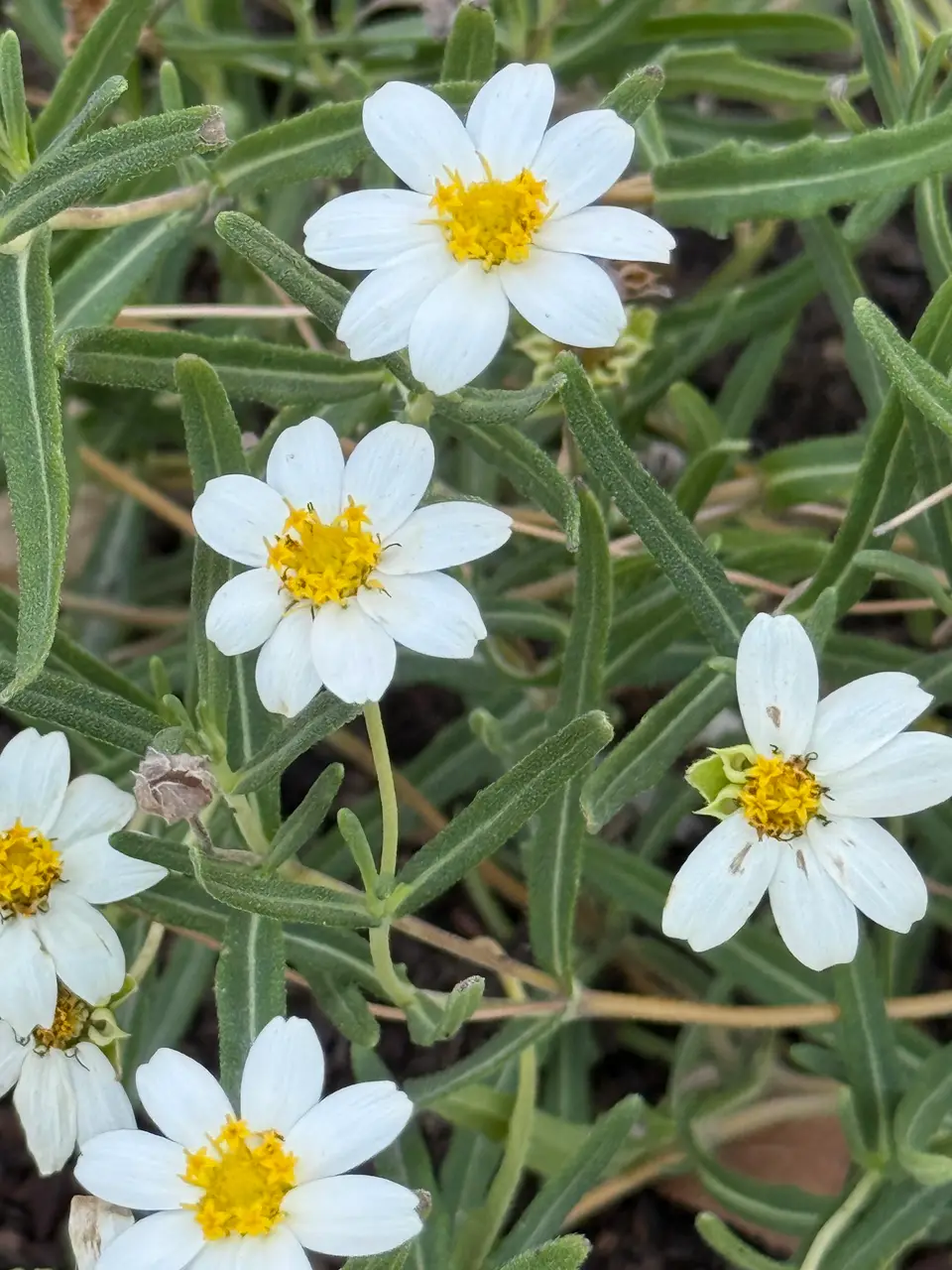
Blackfoot Daisy
A drought-proof native perennial with cheerful white, daisy-like blooms from spring through frost.