
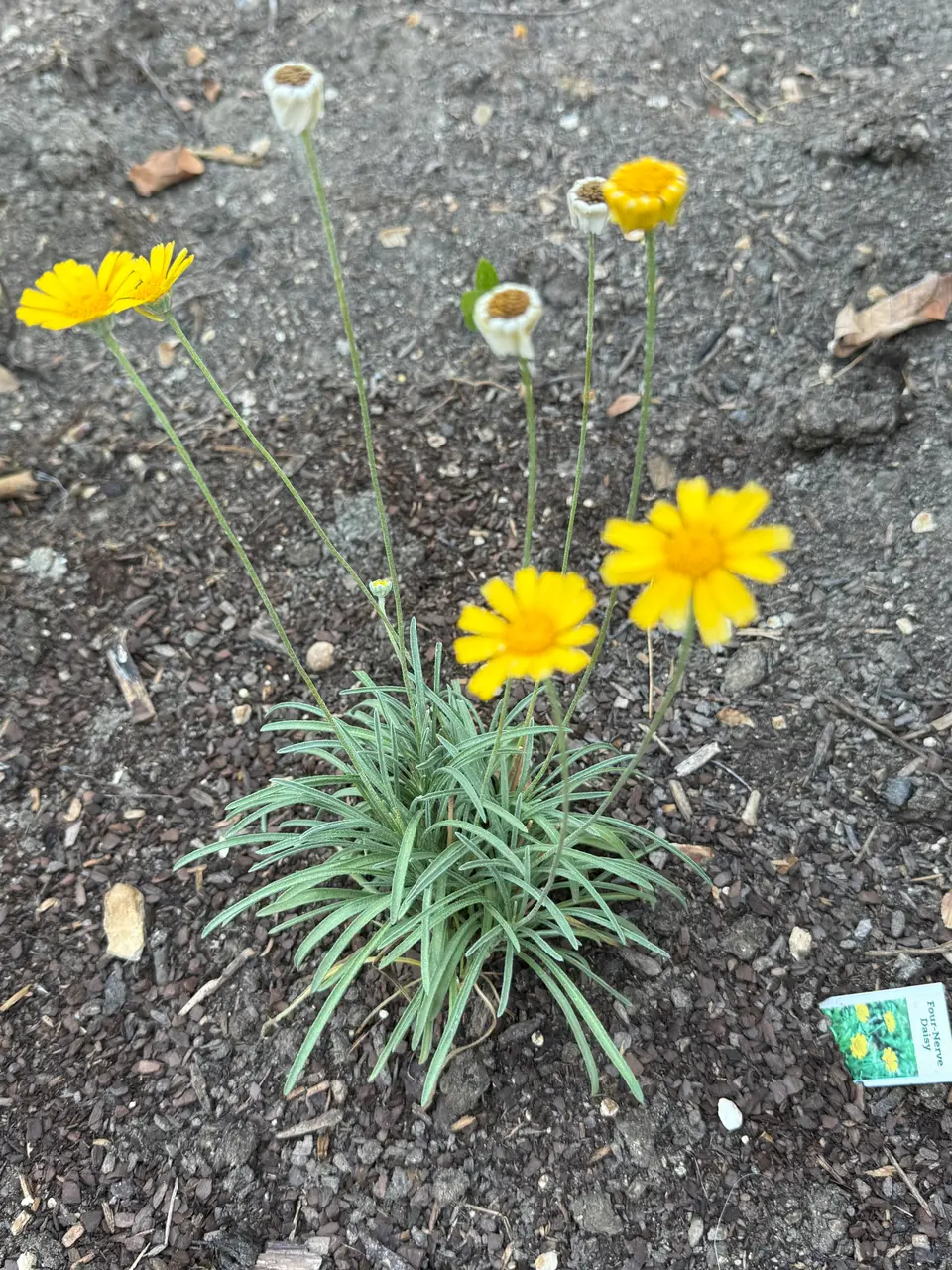
Four Nerve Daisy
Tetraneuris scaposa (syn. Hymenoxys scaposa)

- Sun
- Full Sun
- Water
- Low, Drought tolerant once established
- Mature size
- 8–12 in tall, 10–14 in wide
- Best for
- Pollinator Plant, Drought-tolerant Landscaping, Low maintenance, Native ecosystem plant
Gallon — $10 — only 2 left
About this size
- Gallon
- Our standard size: a 1-gallon nursery pot, about 6–7 inches across.
Pay at the nursery, plus 6.75% sales tax. Send your request and we'll confirm availability and your pickup time within 24 hours, then hold your plants. How it works
Planting & care
- Growth habit
- Low, tidy mound of narrow, gray-green basal foliage with wiry flower stems rising just above the leaves; compact clump that doesn't spread aggressively
- Typical bloom
- Mar–Nov
- Cold hardy to
- Zones 5–9
- Soil
- Demands excellent drainage — thrives in rocky, caliche, or limestone-based soils; struggles in heavy, poorly drained clay unless amended with gravel or raised
Where to plant
Full sun for the best, most compact form and heaviest bloom. Excellent drainage is a must — rocky, caliche, or limestone-based soil is ideal; amend heavy clay with gravel or plant on a slight mound if drainage is a concern.
Watering
Low once established. This plant has excellent drought tolerance — avoid overwatering, especially in heavier soils.
Cutting back
Deadhead spent blooms to tidy the plant and encourage continued flowering. A light shearing after a bloom flush helps maintain a compact shape.
About Four Nerve Daisy
If you want a plant that blooms almost year-round and never gets out of hand, Four Nerve Daisy is a great pick. It forms a tidy, low mound of narrow gray-green foliage topped with cheerful bright yellow daisies, and unlike a lot of Texas natives that take a summer break, this one keeps blooming through spring, into summer, and again in fall, often with a few flowers even in winter.
Native to the rocky prairies and limestone outcrops of Central and West Texas, it's built for exactly the tough, well-drained, sun-baked spots that give other plants trouble. It stays compact, under a foot tall and wide, making it an easy fit for borders, rock gardens, or containers without ever becoming a maintenance chore.
The fine, gray-green foliage stays neat through the seasons, and the wiry flower stems hold the blooms just above the leaves for a clean, tidy look even in full bloom.
For anyone who wants low-water, low-fuss color that just keeps going, Four Nerve Daisy is a dependable, easy-to-love choice.
Where it's native
Four Nerve Daisy occurs naturally in 5 Texas ecoregions — Edwards Plateau, Cross Timbers and Prairies, Rolling Plains, Trans-Pecos, South Texas Plains. Plants grown from local ecotypes are best adapted to our soils and climate here in the blackland prairie and post oak savannah.
- 1Trans-Pecos
- 2High Plains
- 3Rolling Plains
- 4Edwards Plateau
- 5Cross Timbers and Prairies
- 6South Texas Plains
- 7Blackland Prairies
- 8Post Oak Savannah
- 9Gulf Prairies and Marshes
- 10Pineywoods
Plants it grows well with
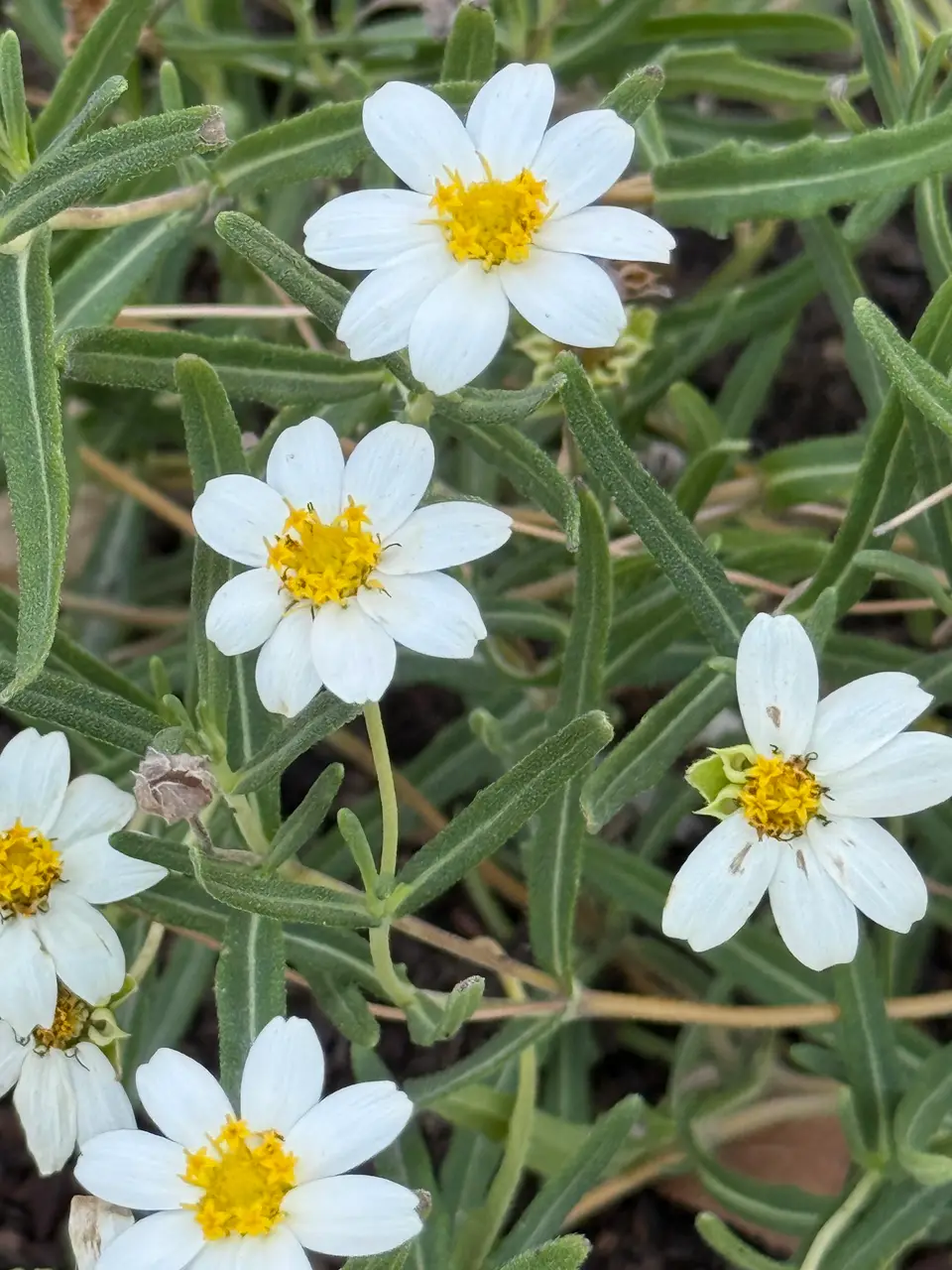
Blackfoot Daisy
A drought-proof native perennial with cheerful white, daisy-like blooms from spring through frost.
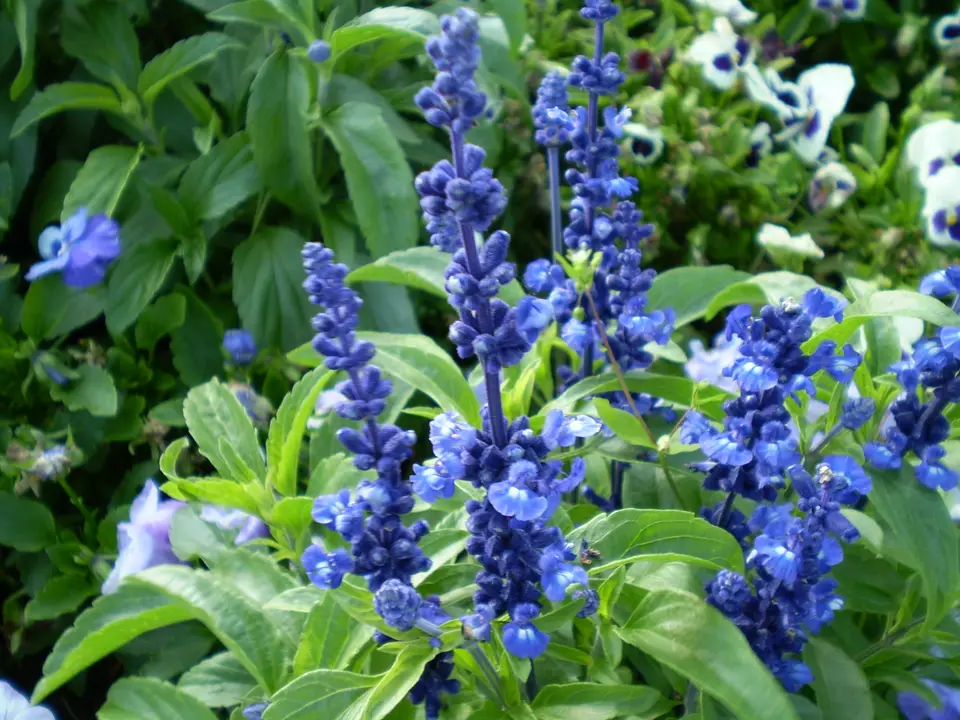
Mealy Blue Sage
A native blue-violet sage with a long bloom season and one of the best pollinator draws in North Texas.
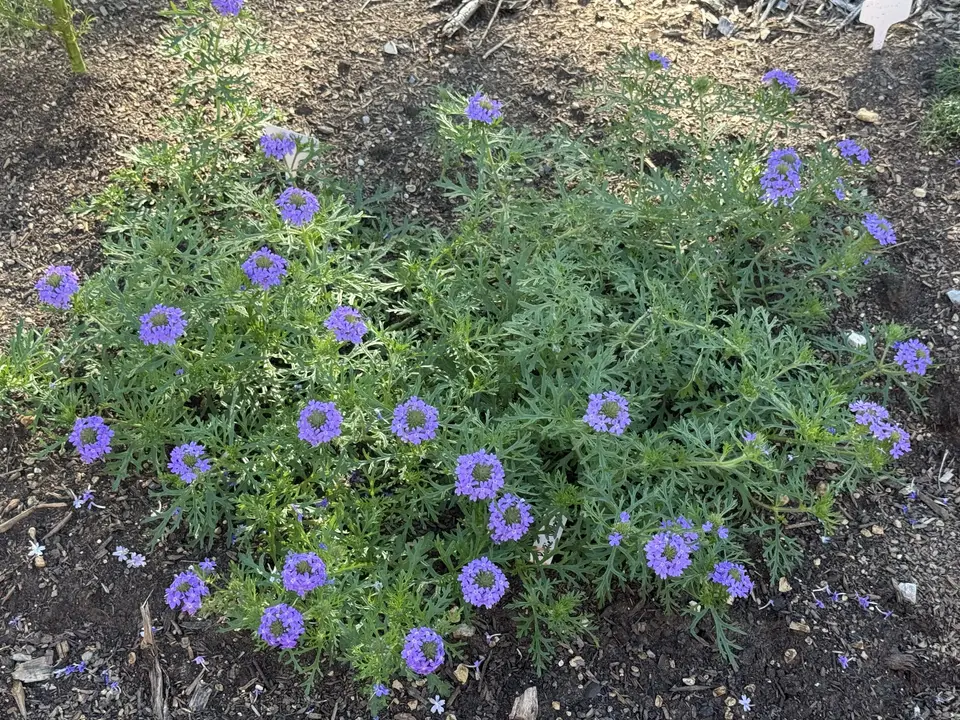
Prairie Verbena
A fast-spreading native groundcover with bright purple blooms that opens the pollinator season each spring.