
Esperanza
Tecoma stans
Sangria — Gallon — $14 (7 available) · Yellow Bells — Gallon — $14 (8 available)
- Sun
- Full Sun
- Water
- Low, Moderate, Drought tolerant once established
- Mature size
- 6–10 ft tall × 4–6 ft wide
- Best for
- Hummingbird attractor, Pollinator Plant
About this size
- Gallon
- Our standard size: a 1-gallon nursery pot, about 6–7 inches across.
Pay at the nursery, plus 6.75% sales tax. Send your request and we'll confirm availability and your pickup time within 24 hours, then hold your plants. How it works
Planting & care
- Growth habit
- Upright, bushy shrub
- Typical bloom
- May–Nov
- Cold hardy to
- Zones 8–10
- Soil
- Well-drained soil; tolerates poor soils, sandy or rocky preferred over heavy clay
Where to plant
Full sun — gives the best bloom and most compact habit; shade significantly reduces flowering. Well-drained soil is essential; it thrives in poor, sandy, or rocky soil and struggles in heavy clay unless amended or raised.
Watering
Low to moderate once established. Water regularly the first season to encourage deep roots. After that, it handles dry conditions well across most of Texas.
Cutting back
Cut back hard in late February or early March, just before new growth starts — it blooms on new wood and responds well to aggressive pruning. Remove dead or crossing branches to keep a full, bushy shape.
About Esperanza
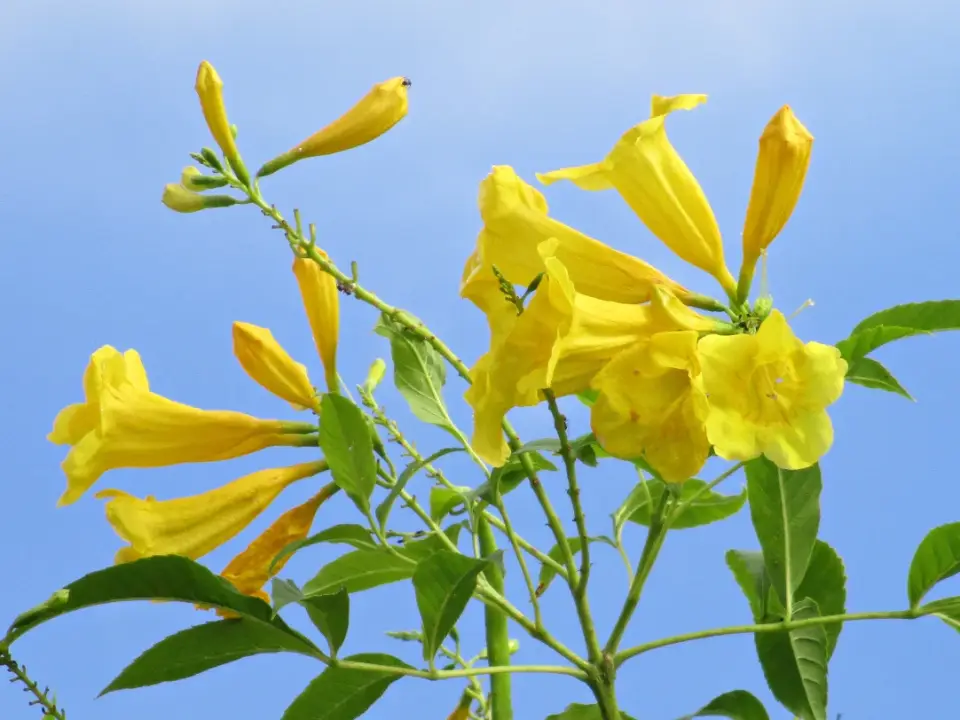
If you want a Texas landscape shrub that puts on a show from late spring straight through the first hard frost — and brings hummingbirds with it — Esperanza is hard to beat. This fast-growing shrub produces bold clusters of bright yellow trumpet flowers for months on end, covering itself in bloom while most other shrubs slow down in the summer heat. In North Texas, it runs from May all the way into October or November without missing a beat.
Large, pinnately compound leaves with serrated leaflets give the shrub a lush, tropical texture, and the trumpet-shaped flowers cluster at every branch tip in a warm, rich yellow that's genuinely hard to miss from across a yard. It grows into a full, rounded to vase-shaped form, branching freely into a substantial specimen within a single season.
Esperanza is built for the Texas summer. Full sun, heat, and dry conditions don't slow it down — they're exactly what it needs. Once established, it's remarkably self-sufficient: low water, no fertilizer required, and one hard cutback in late winter keeps it producing fresh, vigorous growth season after season.
For anyone who's struggled to keep a blooming shrub going in a hot, dry spot, Esperanza is the answer — long bloom season, constant hummingbird activity, and genuine toughness in one fast-growing package.
Where it's native
Esperanza occurs naturally in 2 Texas ecoregions — South Texas Plains, Trans-Pecos. Plants grown from local ecotypes are best adapted to our soils and climate here in the blackland prairie and post oak savannah.
- 1Trans-Pecos
- 2High Plains
- 3Rolling Plains
- 4Edwards Plateau
- 5Cross Timbers and Prairies
- 6South Texas Plains
- 7Blackland Prairies
- 8Post Oak Savannah
- 9Gulf Prairies and Marshes
- 10Pineywoods
Plants it grows well with
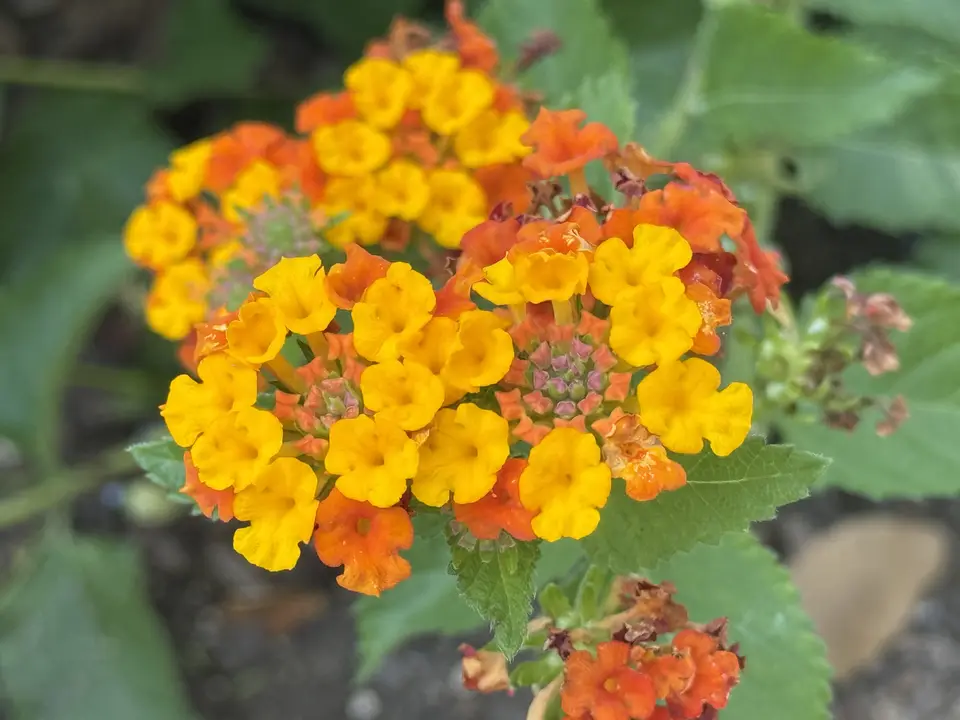
Texas Lantana
A tough, long-blooming native shrub with multi-colored flower clusters that draw butterflies from May through frost.
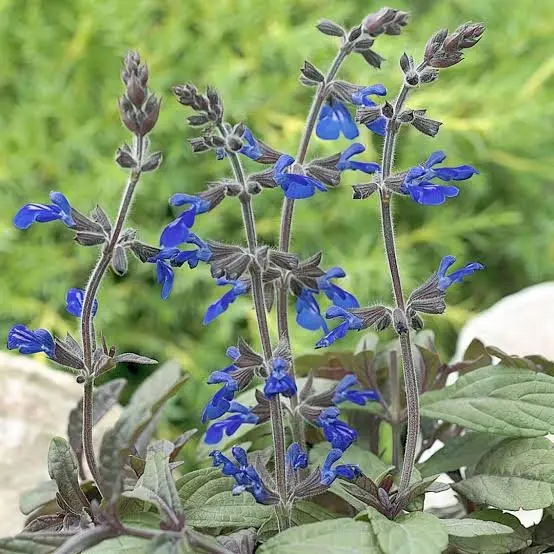
Bicolor Salvia
Bicolor salvia is a low, spreading sage with dark green leaves and deep blue-violet flowers from spring through fall. Bees and hummingbirds visit the blooms, and deer generally leave it alone.
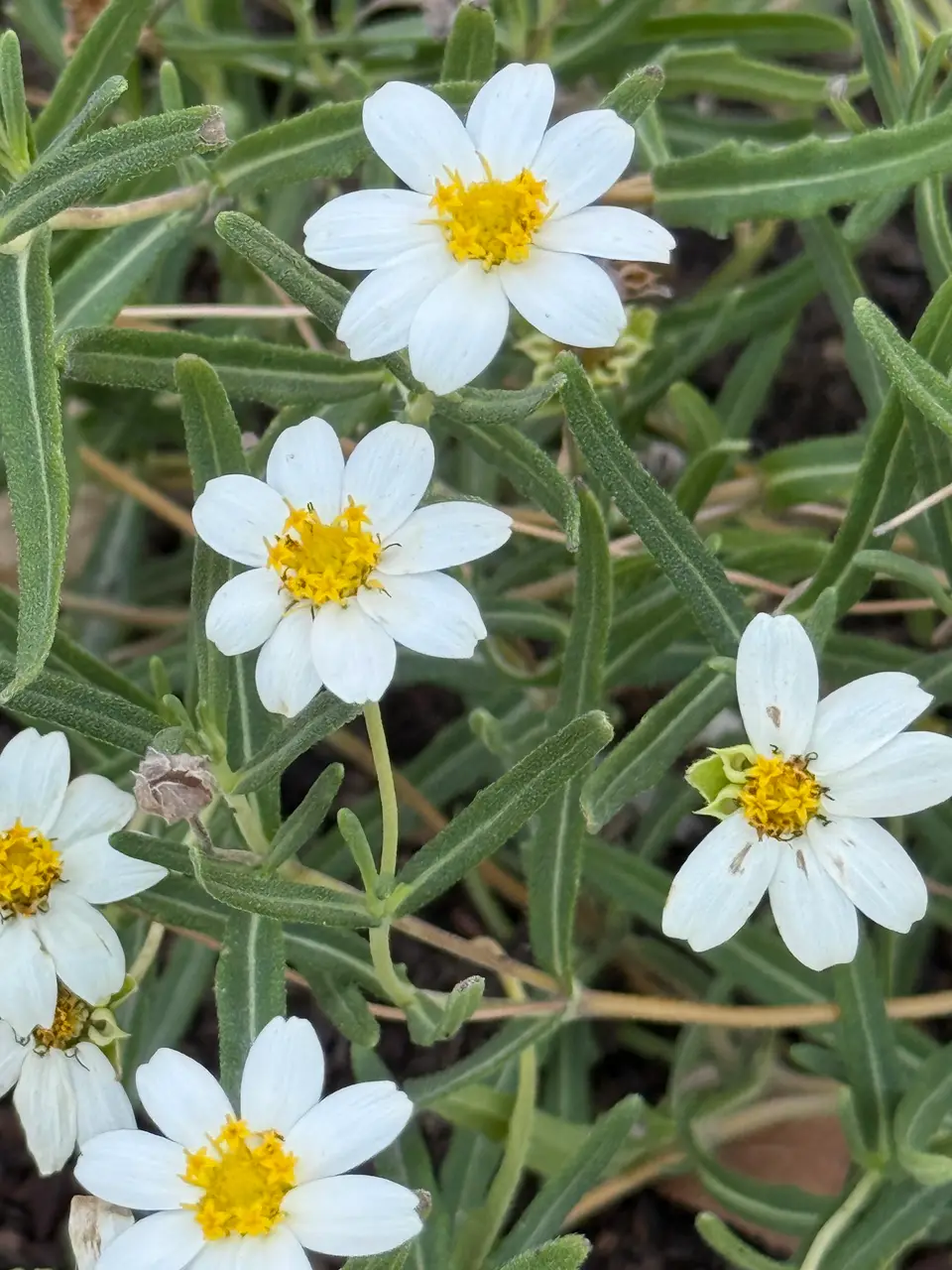
Blackfoot Daisy
A drought-proof native perennial with cheerful white, daisy-like blooms from spring through frost.