
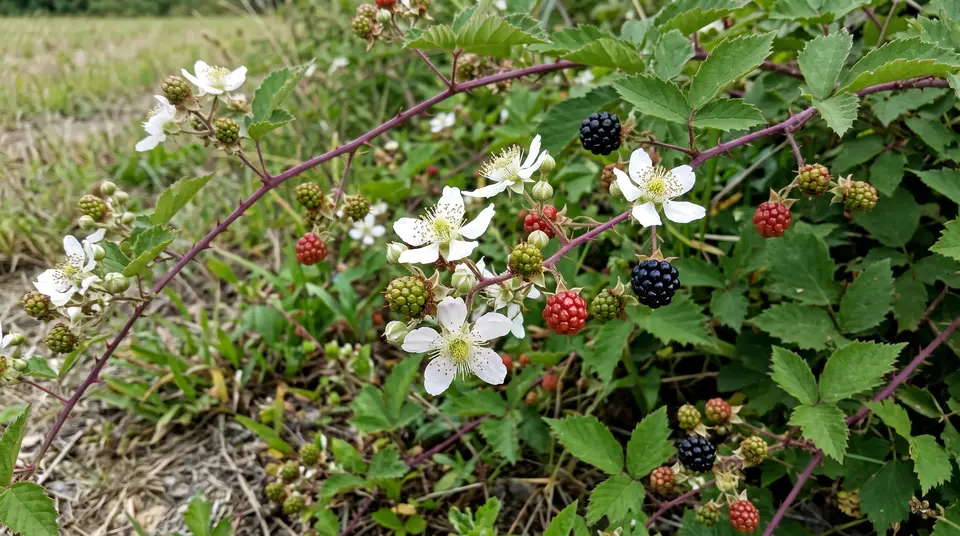
Dewberry (Wild Blackberry)
Rubus trivialis

2 Gallon — $23 (8 available) · Gallon — $14 (2 available)
- Sun
- Full Sun, Part Shade
- Water
- Low, Moderate, Drought tolerant once established
- Mature size
- 1-3 ft tall x 3-10 ft spread
- Best for
- Edible Fruit, Wildlife cover / habitat, Erosion Control, Natural hedge
About these sizes
- 2 Gallon
- A larger, more established plant — more size and root system from day one.
- Gallon
- Our standard size: a 1-gallon nursery pot, about 6–7 inches across.
Pay at the nursery, plus 6.75% sales tax. Send your request and we'll confirm availability and your pickup time within 24 hours, then hold your plants. How it works
Planting & care
- Growth habit
- Trailing (dewberry) or arching/upright (blackberry) thorny canes forming dense thickets
- Typical bloom
- Mar–Apr
- Cold hardy to
- Zones 7–9
- Soil
- Adaptable; prefers well-drained soils but tolerates clay and poor soils
Where to plant
Full sun for the best fruit production, though it tolerates part shade. It's highly adaptable to soil — clay, sandy, or poor soil are all fine.
Watering
Low to moderate. Water during the first season and while fruit is developing; it's drought tolerant once established.
Cutting back
Remove spent canes after fruiting in late summer, and cut back to the ground in fall or late winter. Manage runners to keep the patch within bounds if space is limited — otherwise, let a few root naturally to expand it over time.
About Dewberry (Wild Blackberry)
Dewberry is the blackberry that already lives in North Texas. It grows wild on roadsides, meadow edges, and creek banks throughout the region, and once it's established in a landscape, it asks for almost nothing in return. White, five-petaled flowers open in early spring, drawing bees before much else is blooming, and by late April the trailing canes are heavy with sweet, deep purple-black berries.
The berries are genuinely good eating — fresh off the cane, baked into a cobbler, or cooked down into jam — and nearly every creature on the property seems to know it. Mockingbirds, box turtles, deer, raccoons, and foxes all treat the fruit as a critical seasonal food source, making a dewberry patch one of the more quietly active parts of a wildlife garden through late spring.
The trailing canes root naturally wherever their tips touch soil, letting the plant expand a planting on its own over time without any extra effort. Small curved prickles line the stems — worth knowing about, though they're manageable with a bit of care — and the plant handles Texas clay, heat, and drought without complaint once it's rooted in.
Whether used as a groundcover, a natural hedge, or a genuine homegrown fruit crop, Dewberry offers real native credentials alongside something a customer can actually eat — a combination few plants in a native landscape can claim.
Where it's native
Dewberry (Wild Blackberry) occurs naturally in 7 Texas ecoregions — Pineywoods, Post Oak Savannah, Blackland Prairies, Cross Timbers and Prairies, Gulf Prairies and Marshes, Edwards Plateau, South Texas Plains. Plants grown from local ecotypes are best adapted to our soils and climate here in the Blackland Prairies.
- 1Trans-Pecos
- 2High Plains
- 3Rolling Plains
- 4Edwards Plateau
- 5Cross Timbers and Prairies
- 6South Texas Plains
- 7Blackland Prairies
- 8Post Oak Savannah
- 9Gulf Prairies and Marshes
- 10Pineywoods
Plants it grows well with
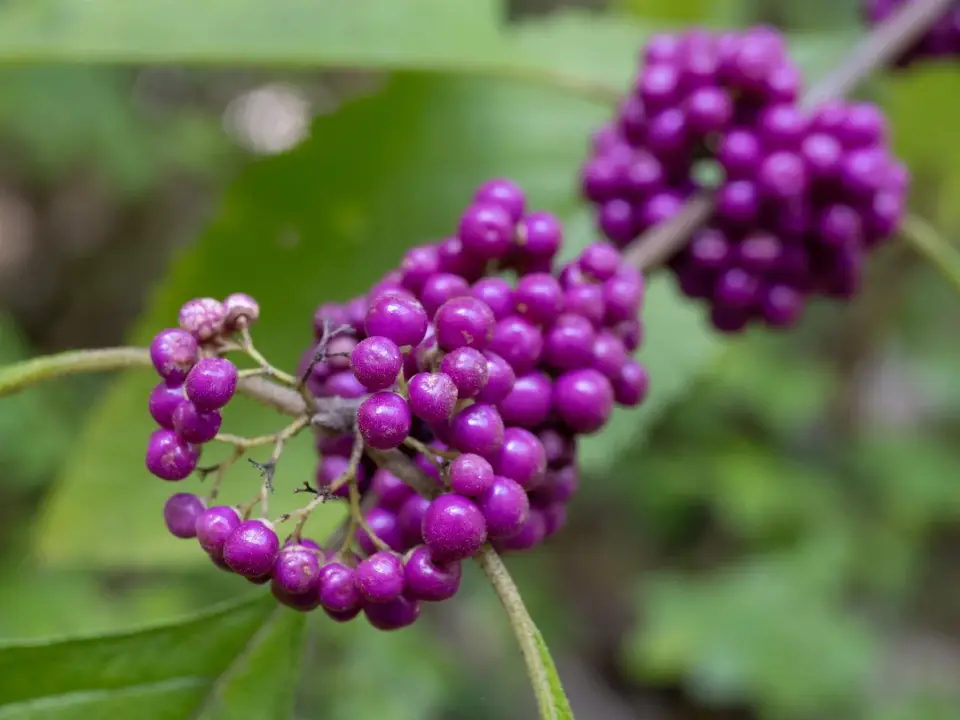
American Beautyberry
A native shrub famous for the clusters of electric-purple berries that wrap around its stems every fall.
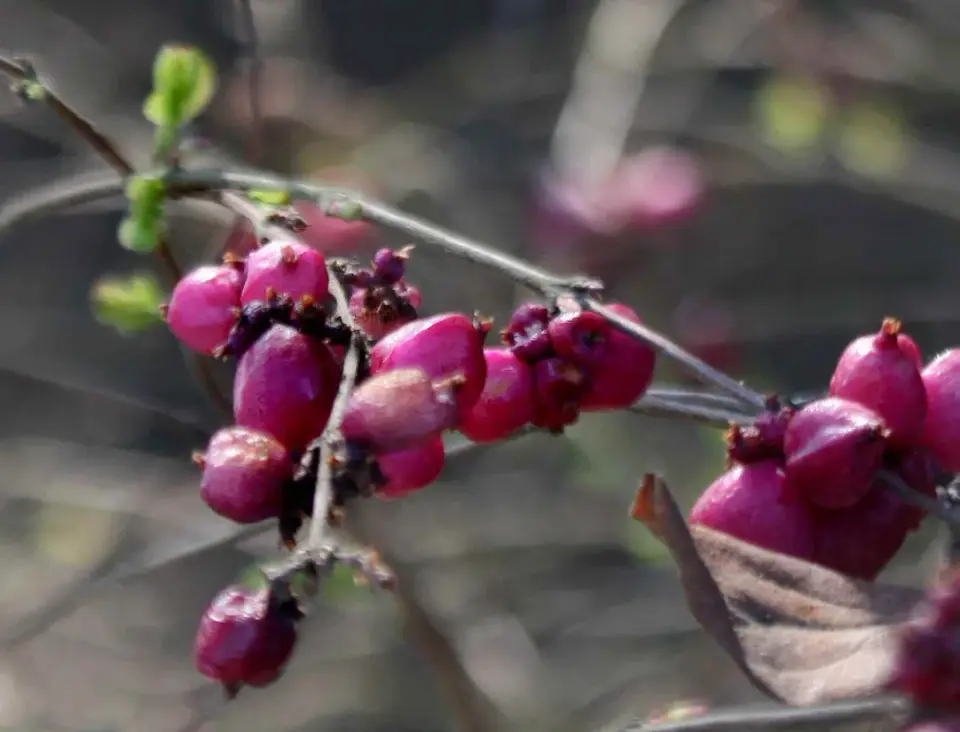
Coralberry
A tough, shade-tolerant native shrub that transforms every fall into a striking display of coral-pink to magenta berries.
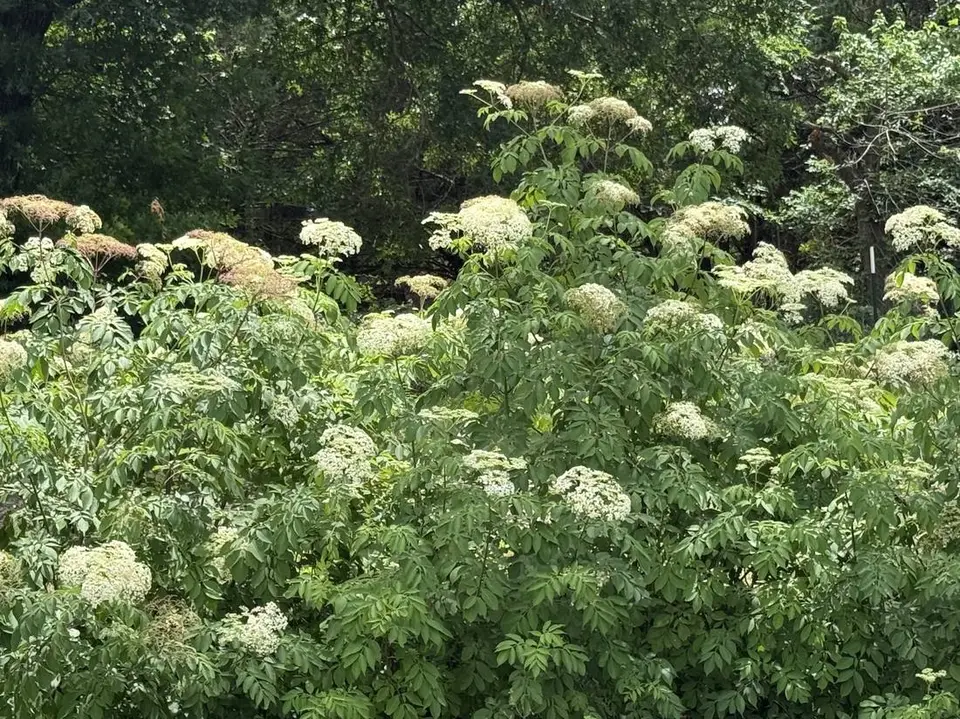
Elderberry
A fast-growing native shrub with broad white flower clusters in early summer followed by dark, bird-favorite berries in fall.