Current stock
Chinkapin Oak
Quercus muehlenbergii
- Sun
- Full Sun
- Water
- Drought tolerant once established
- Mature size
- 40–60 ft tall x 40–60 ft wide
- Best for
- Native ecosystem plant, Wildlife cover / habitat, Low maintenance, Fall Color
Planting & care
- Growth habit
- Medium to large tree with a rounded, spreading crown
- Typical bloom
- Apr
- Cold hardy to
- Zones 5–7
- Soil
- Thrives on well-drained limestone and alkaline soils; also adapts to clay and loam
Where to plant
Full sun with room for a wide crown. It does best in well-drained soil and tolerates alkaline clay.
Watering
Water deeply every week or two through the first two summers. After that it needs little beyond rainfall.
Pruning
Prune only in winter. Avoid cutting or wounding oaks from February through June.
About Chinkapin Oak
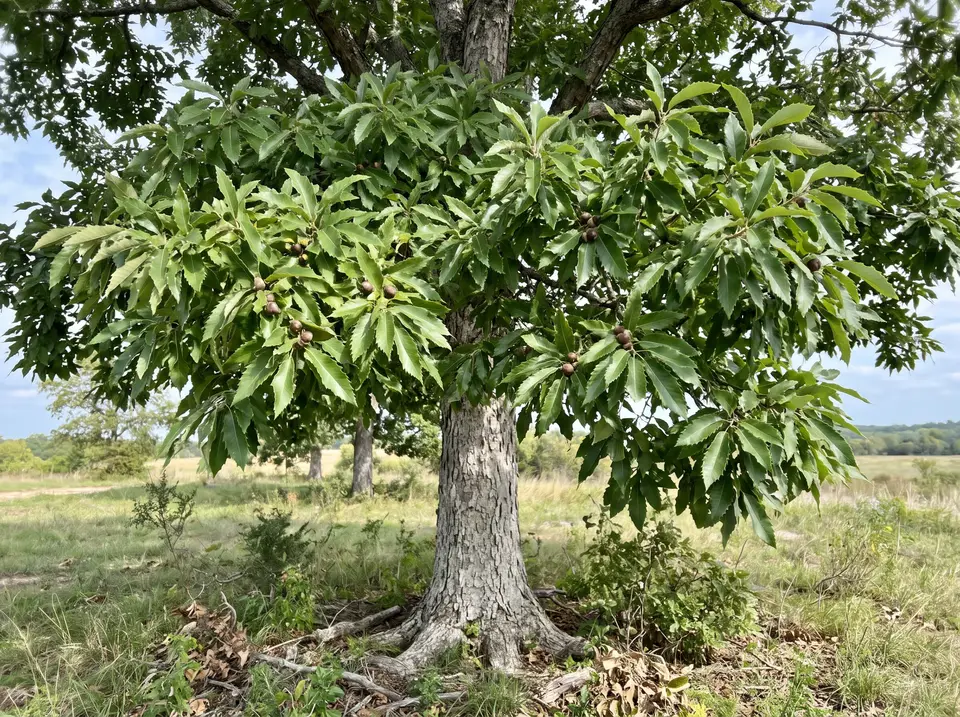
Chinkapin oak is the oak for people who think they cannot grow an oak. It thrives on limestone and alkaline ground where other oaks turn yellow and sulk, and its toothed, chestnut-like leaves make a clean, handsome canopy.
The tree is also generous with wildlife. Its acorns are sweet and small enough that deer, squirrels, turkey and songbirds go after them each fall, and in autumn the leaves turn shades of yellow, orange and brown.
It stays more manageable than a bur oak, topping out around 40 to 60 feet, which makes it a good fit for a yard that needs real shade without a giant. It is a native, long-lived and low-maintenance choice for North Texas.
Where it's native
Chinkapin Oak occurs naturally in 4 Texas ecoregions — Blackland Prairies, Cross Timbers and Prairies, Edwards Plateau, Post Oak Savannah. Plants grown from local ecotypes are best adapted to our soils and climate here in the Blackland Prairies.
- 1Trans-Pecos
- 2High Plains
- 3Rolling Plains
- 4Edwards Plateau
- 5Cross Timbers and Prairies
- 6South Texas Plains
- 7Blackland Prairies
- 8Post Oak Savannah
- 9Gulf Prairies and Marshes
- 10Pineywoods
Plants it grows well with
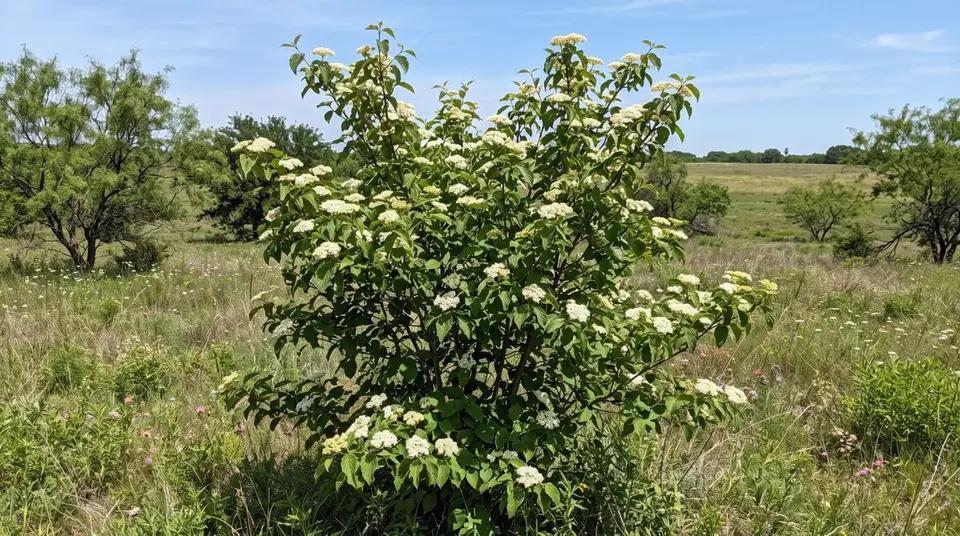
Roughleaf Dogwood
A fast-growing native shrub that forms a dense, bird-filled privacy screen with spring blooms and summer berries.
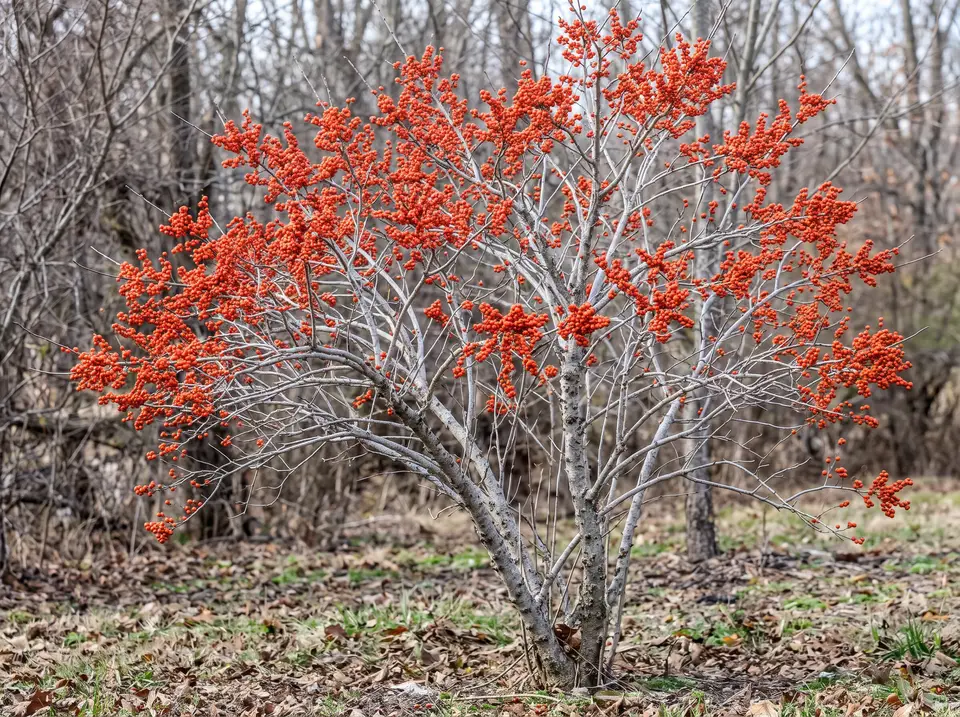
Possumhaw Holly
A native deciduous holly whose bare winter branches load up with bright red berries from fall through February.
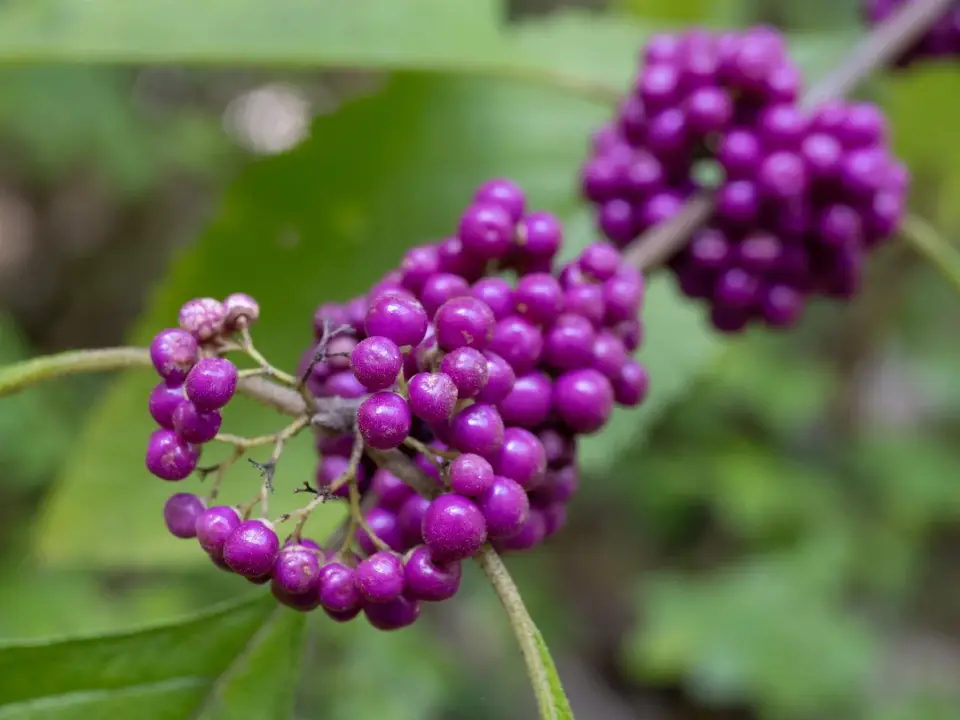
American Beautyberry
A native shrub famous for the clusters of electric-purple berries that wrap around its stems every fall.