
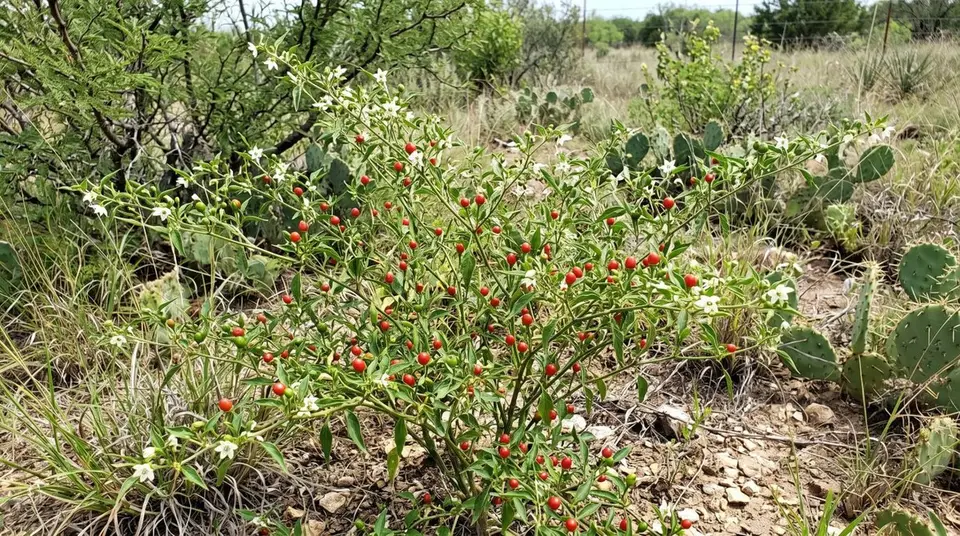
Chile Pequin
Capsicum annuum var. glabriusculum

- Sun
- Full Sun, Part Shade
- Water
- Drought tolerant once established, Moderate
- Mature size
- 2-4 ft tall x 2-4 ft wide
- Best for
- Birds eat berries, Edible Fruit, Native ecosystem plant, Low maintenance
Gallon — $10
About this size
- Gallon
- Our standard size: a 1-gallon nursery pot, about 6–7 inches across.
Pay at the nursery, plus 6.75% sales tax. Send your request and we'll confirm availability and your pickup time within 24 hours, then hold your plants. How it works
Planting & care
- Growth habit
- Multi-stemmed, bushy, woody-based small shrub; dies back to the ground in hard North Texas freezes
- Typical bloom
- Apr–Oct
- Cold hardy to
- Zones 8–10
- Soil
- Well-drained soil; adapts to clay, caliche, and sandy loam
Where to plant
Part shade to full sun. It does best beneath a tree or shrub canopy, much like its natural habitat, with some afternoon shade in the hottest weeks. Well-drained soil is essential, though it adapts to clay and caliche as long as water does not stand.
Watering
Water regularly the first summer to establish the root system. After that it is drought tolerant, but fruit set improves with an occasional deep watering during long dry spells.
Cutting back
In North Texas it freezes to the ground. Leave the stems through winter to protect the crown, then cut back to about 6 to 8 inches in late winter before new growth starts. A layer of mulch over the crown helps in colder years.
Harvesting
Pick the peppers when fully red. The fruit is extremely hot, so wear gloves, wash your hands afterward, and keep them away from your eyes.
About Chile Pequin
Chile pequin looks modest until the fruit turns. Through summer it is a soft, rounded shrub of bright green leaves and small, star-shaped white flowers that are easy to overlook. Then the peppers ripen. Each one is a bead of glossy red, no bigger than a pea, held upright above the foliage like a scattering of tiny lanterns.
Those peppers are the reason this plant has been part of Texas cooking for generations. They carry serious heat, far beyond a jalapeño, and a bright, smoky flavor that cooks in South Texas and Mexico prize for salsas, vinegars, and everything in between. A few peppers go a long way, and a single shrub can supply a household from midsummer until frost.
Birds get there first, given the chance. Mockingbirds, thrashers, cardinals, and dozens of other songbirds strip the fruit and carry the seed with them, which is how chile pequin ends up tucked under live oaks and along fence rows across the southern half of the state. Birds do not feel the capsaicin that makes the fruit so fierce to people, which makes this shrub one of the most reliable bird-feeding natives you can add to a yard.
In North Texas it freezes back to the ground in a hard winter and returns from the roots in spring, so it behaves more like a perennial than a shrub here. It never demands attention, looks right beside prickly pear or Turk's Cap, and turns a plain corner into a working garden.
Where it's native
Chile Pequin occurs naturally in 3 Texas ecoregions — South Texas Plains, Edwards Plateau, Gulf Prairies and Marshes. Plants grown from local ecotypes are best adapted to our soils and climate here in the blackland prairie and post oak savannah.
- 1Trans-Pecos
- 2High Plains
- 3Rolling Plains
- 4Edwards Plateau
- 5Cross Timbers and Prairies
- 6South Texas Plains
- 7Blackland Prairies
- 8Post Oak Savannah
- 9Gulf Prairies and Marshes
- 10Pineywoods
Plants it grows well with
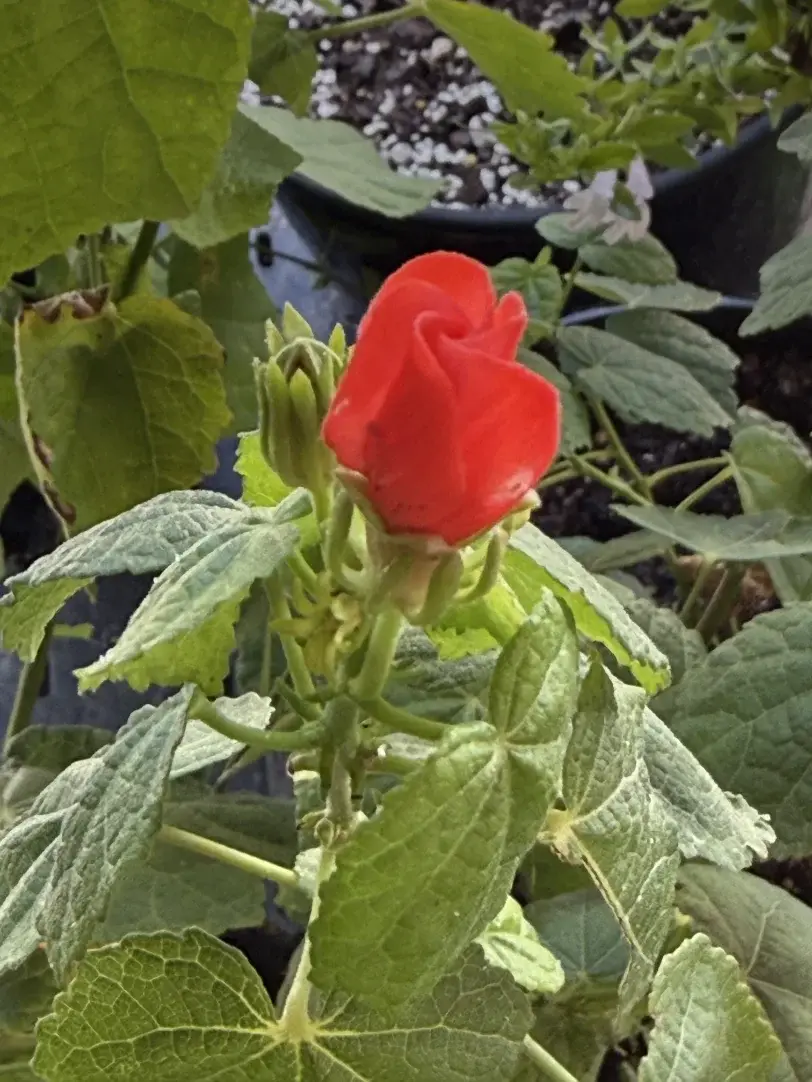
Turk’s Cap
A shade-loving native perennial with distinctive spiraled red blooms that flower nonstop from late spring through fall.
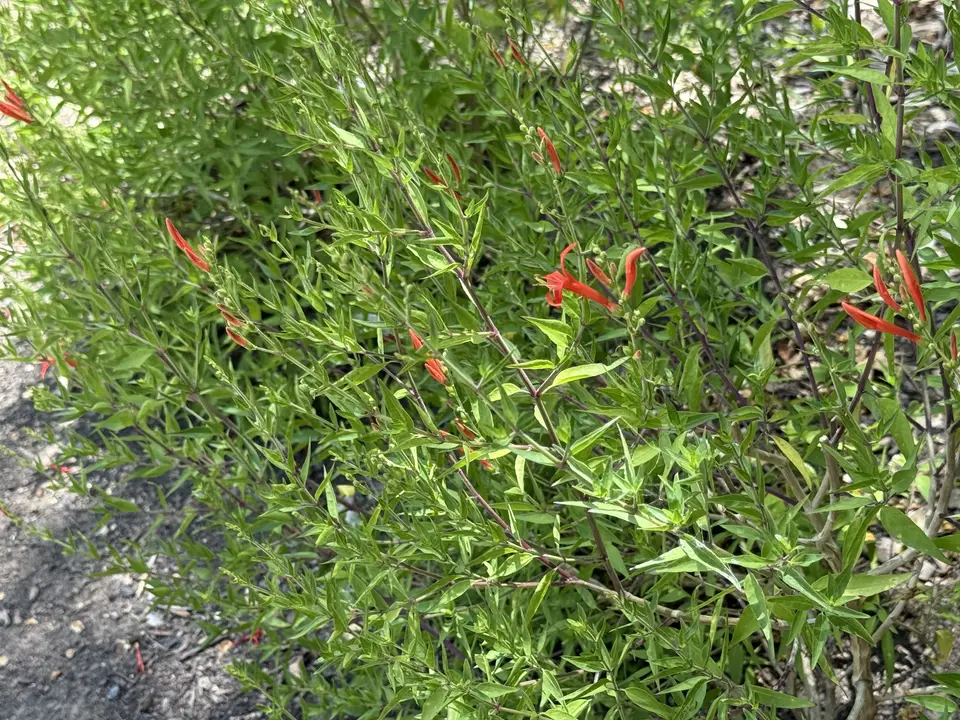
Flame Acanthus
A Texas native hummingbird magnet with brilliant orange-red tubular blooms from late spring through fall.
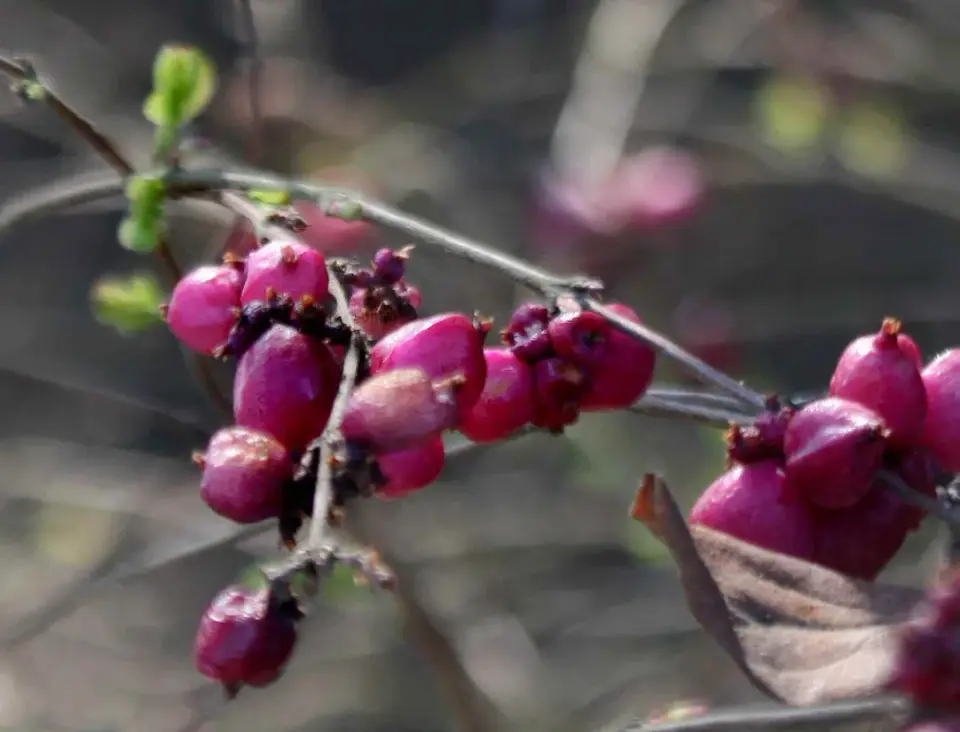
Coralberry
A tough, shade-tolerant native shrub that transforms every fall into a striking display of coral-pink to magenta berries.