Current stock
Butterfly Weed
Asclepias tuberosa
- Sun
- Full Sun
- Water
- Low
- Mature size
- 1-2 ft tall x 1-1.5 ft wide
- Best for
- Pollinator Plant, Native ecosystem plant, Monarch host plant
Planting & care
- Growth habit
- Upright, clumping
- Typical bloom
- May–Sep
- Cold hardy to
- Zones 3–9
- Soil
- Well-drained, sandy or rocky preferred (hates heavy clay unless amended)
Where to plant
Full sun is required. Well-drained, sandy, or rocky soil is best — this plant does not tolerate heavy clay unless it's amended for drainage.
Watering
Water lightly the first season to get it established, then back off. Overwatering and wet roots are the most common cause of loss.
Cutting back
Minimal pruning needed — just remove dead stems in late winter. Avoid cutting established plants back hard, since energy is stored in the taproot.
About Butterfly Weed
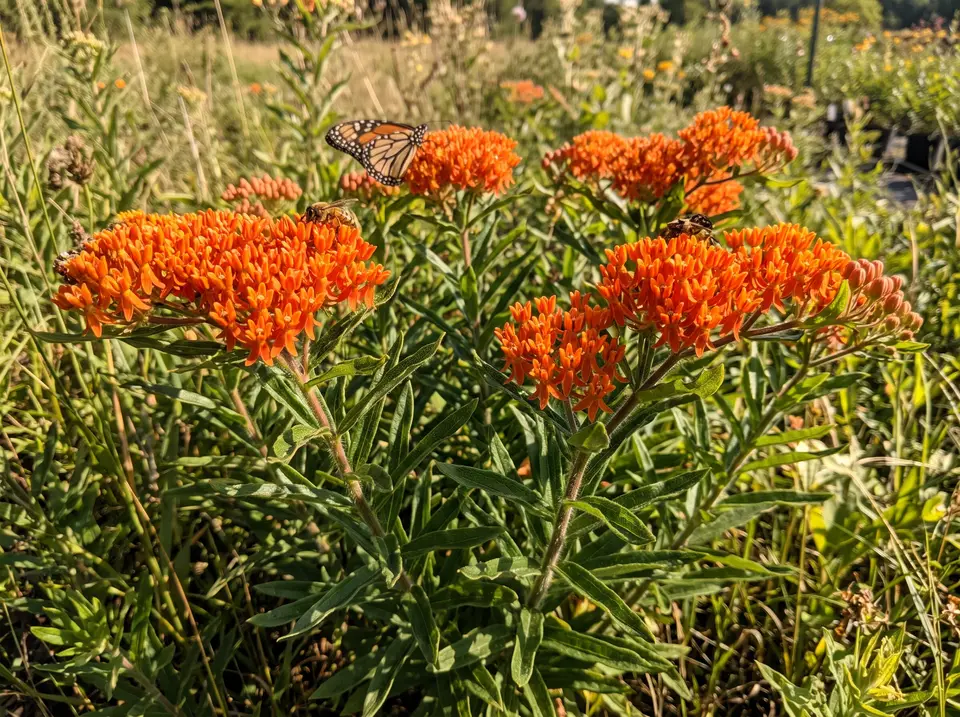
If you've ever watched a monarch butterfly lay eggs and wondered what plant to buy, this is the one. Butterfly Weed is the native milkweed of the Texas prairie — brilliant orange, flat-topped flower clusters from late spring through summer, monarch caterpillars feeding on the narrow, hairy leaves, and dozens of butterfly species stopping in for nectar. It's the cornerstone plant for anyone serious about supporting monarchs in their garden.
Unlike most milkweeds, its leaves and stems don't carry the telltale milky sap — a small but interesting botanical quirk that sets it apart within its own family. The compact, upright clumps stay tidy at just one to two feet tall, making it as much at home tucked into a small border as it is massed in a larger pollinator planting.
Unlike tropical milkweed, this true native has a deep tuberous taproot that makes it extremely long-lived and resilient once established. Give it full sun and well-drained soil — it does not want to sit in wet clay — and it comes back stronger every spring, often expanding into an impressively full clump within a few seasons.
By the second or third year, a well-established plant is a genuine showstopper — brilliant orange blooms, constant butterfly activity, and the quiet satisfaction of knowing it's doing real work for monarch conservation.
Where it's native
Butterfly Weed occurs naturally in 7 Texas ecoregions — Pineywoods, Post Oak Savannah, Blackland Prairies, Cross Timbers and Prairies, Edwards Plateau, Rolling Plains, Gulf Prairies and Marshes. Plants grown from local ecotypes are best adapted to our soils and climate here in the Blackland Prairies.
- 1Trans-Pecos
- 2High Plains
- 3Rolling Plains
- 4Edwards Plateau
- 5Cross Timbers and Prairies
- 6South Texas Plains
- 7Blackland Prairies
- 8Post Oak Savannah
- 9Gulf Prairies and Marshes
- 10Pineywoods
Plants it grows well with
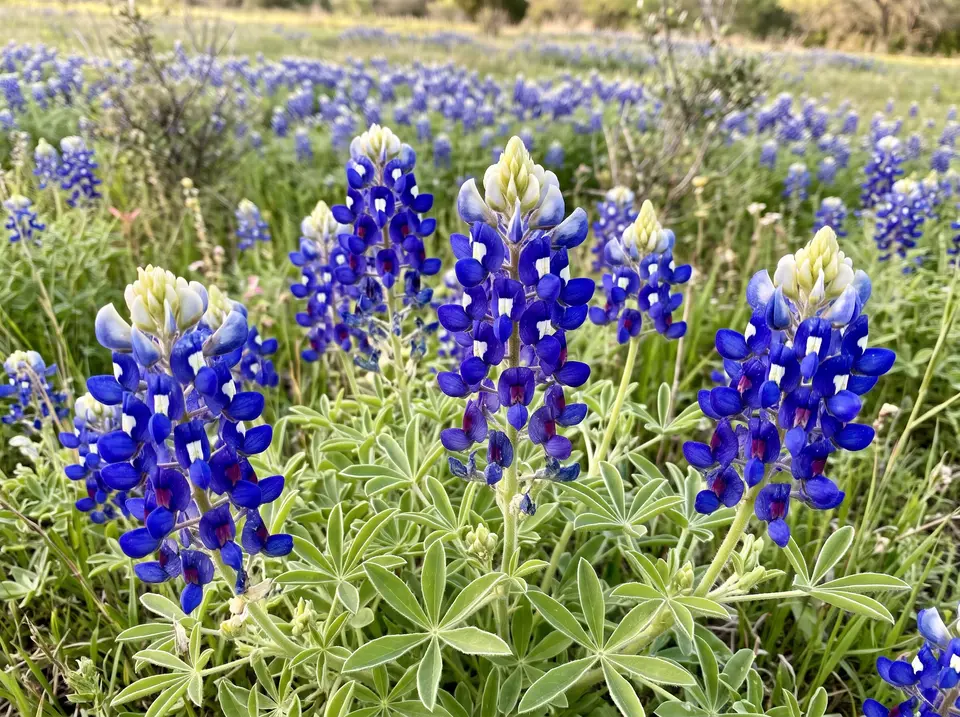
Bluebonnet
The Texas state flower — a fall-planted native annual with iconic blue spring blooms.
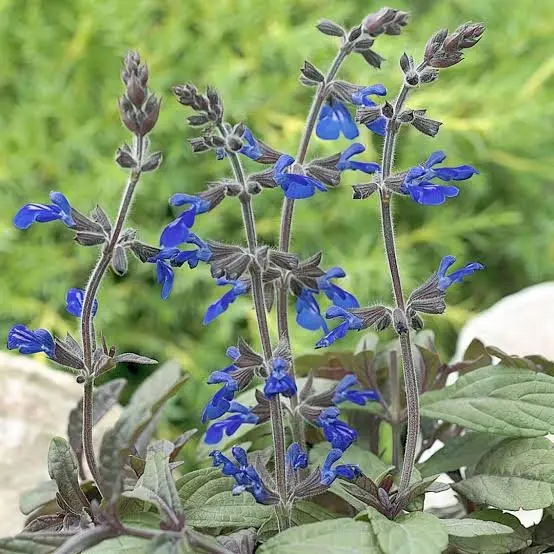
Bicolor Salvia
Bicolor salvia is a low, spreading sage with dark green leaves and deep blue-violet flowers from spring through fall. Bees and hummingbirds visit the blooms, and deer generally leave it alone.
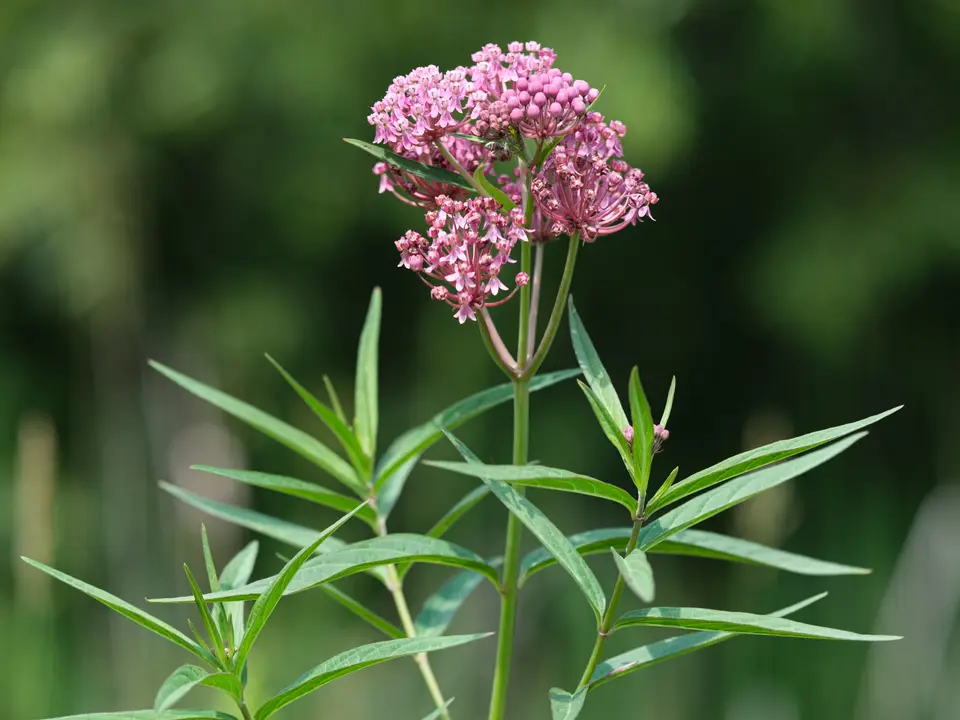
Swamp Milkweed
Swamp Milkweed is a moisture-loving native perennial with fragrant pink blooms and essential value as a monarch butterfly host plant.