Buffalo Grass
Bouteloua dactyloides (syn. Buchloe dactyloides)
- Sun
- Full Sun
- Water
- Low, Drought tolerant once established
- Mature size
- 4–8 in tall unmowed; 2–4 in as maintained turf
- Best for
- Native Lawn Alternative, Erosion Control, Wildlife cover / habitat, Native ecosystem plant
Planting & care
- Growth habit
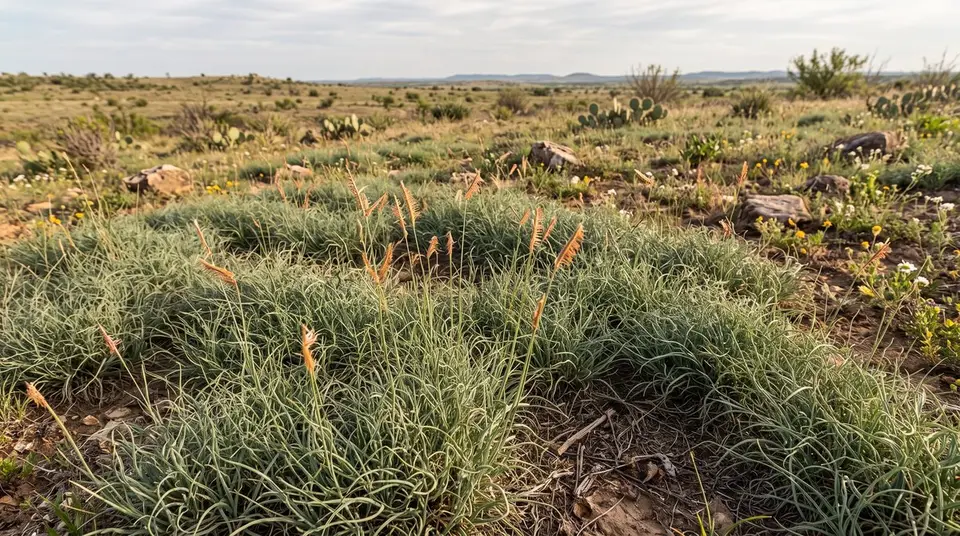
- Low, dense, sod-forming turf grass; spreads by stolons and rhizomes; fine-textured, curly leaf blades
- Typical bloom
- May–Aug
- Cold hardy to
- Zones 3–9
- Soil
- Adaptable — clay, loam, or rocky soils; limestone-tolerant; good drainage preferred
Where to plant
Full sun — it does not tolerate shade, even partial shade thins the stand significantly. Adaptable to clay, loam, or rocky soil; good drainage matters more than soil type.
Watering
Very low once established. Water weekly the first season while roots develop, then let rainfall take over — overwatering is the most common cause of stand decline.
Dormancy
Turns tan during summer heat and again in winter — this is completely normal, not a sign of a dying lawn. It greens back up when conditions improve. Mowing to 2–3 inches in late February is optional, not required.
About Buffalo Grass
If you've ever looked at your lawn and thought there has to be a better way, Buffalo Grass is the answer. This tough native grass forms a dense, fine-textured mat that covers the ground like a lawn, but asks for almost nothing in return — no fertilizer, minimal water, and a single low mow in late winter if you feel like it. It's been covering the Texas plains for thousands of years, and it does the same job in a yard today.
Bouteloua dactyloides is native to the Great Plains and right at home in North Texas soils, whether clay, rocky, or anything in between. Once established, it runs on rainfall alone in most years, spreading steadily by surface stolons into a soft blue-green mat.
The one thing every Buffalo Grass owner should know going in: it goes dormant. In the heat of summer and again in winter, it turns a soft straw-tan color, and that's completely normal. This is a native grass built for Texas conditions, not a hybrid engineered to stay green through a drought. When rain returns and temperatures shift, it greens right back up.
For anyone ready to trade a high-maintenance lawn for the lowest-input ground cover available, Buffalo Grass delivers exactly that — plant it, let it establish, and step back.
Where it's native
Buffalo Grass occurs naturally in 6 Texas ecoregions — Blackland Prairies, Cross Timbers and Prairies, Rolling Plains, High Plains, South Texas Plains, Edwards Plateau. Plants grown from local ecotypes are best adapted to our soils and climate here in the Blackland Prairies.
- 1Trans-Pecos
- 2High Plains
- 3Rolling Plains
- 4Edwards Plateau
- 5Cross Timbers and Prairies
- 6South Texas Plains
- 7Blackland Prairies
- 8Post Oak Savannah
- 9Gulf Prairies and Marshes
- 10Pineywoods
Plants it grows well with
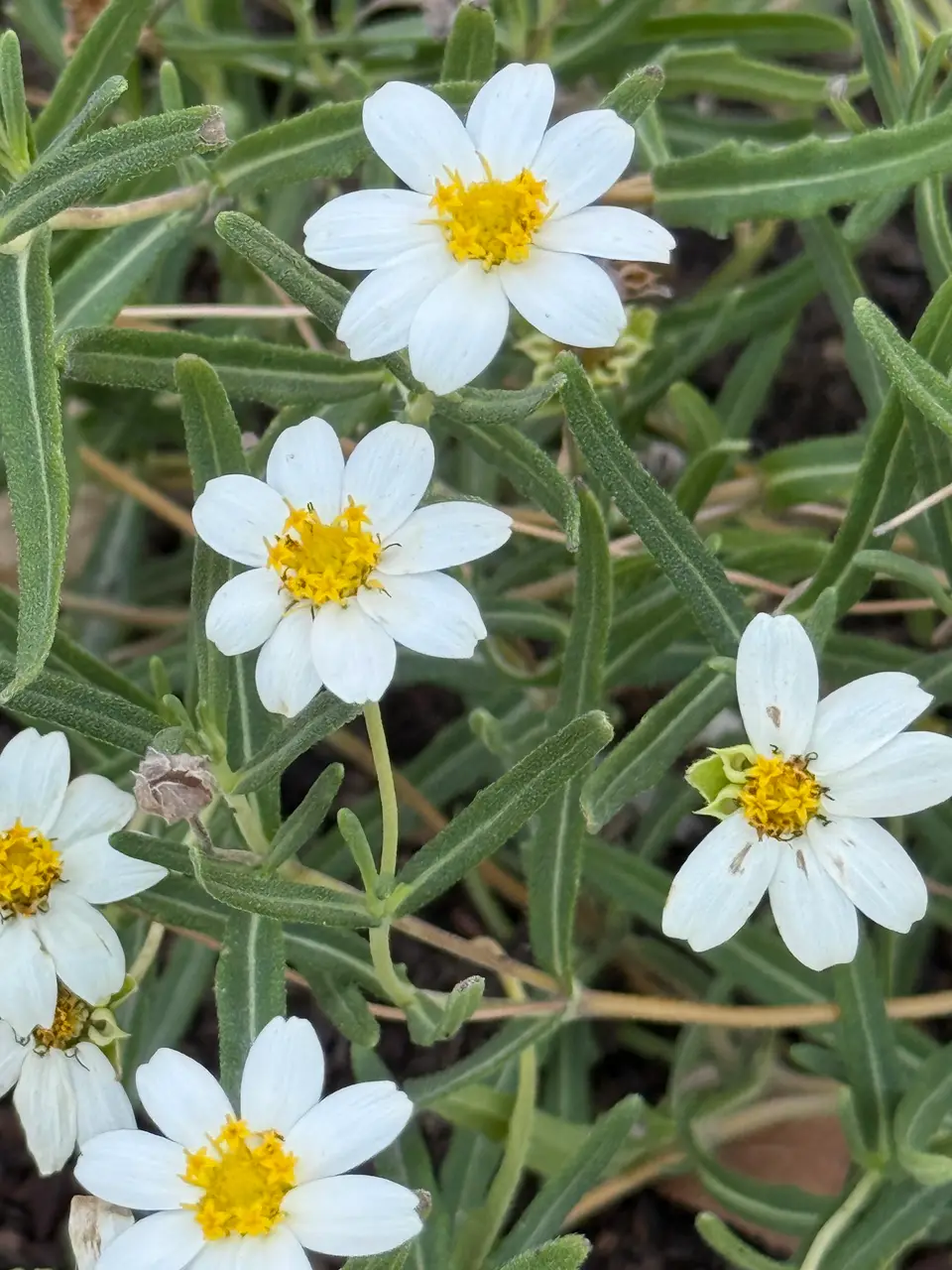
Blackfoot Daisy
A drought-proof native perennial with cheerful white, daisy-like blooms from spring through frost.
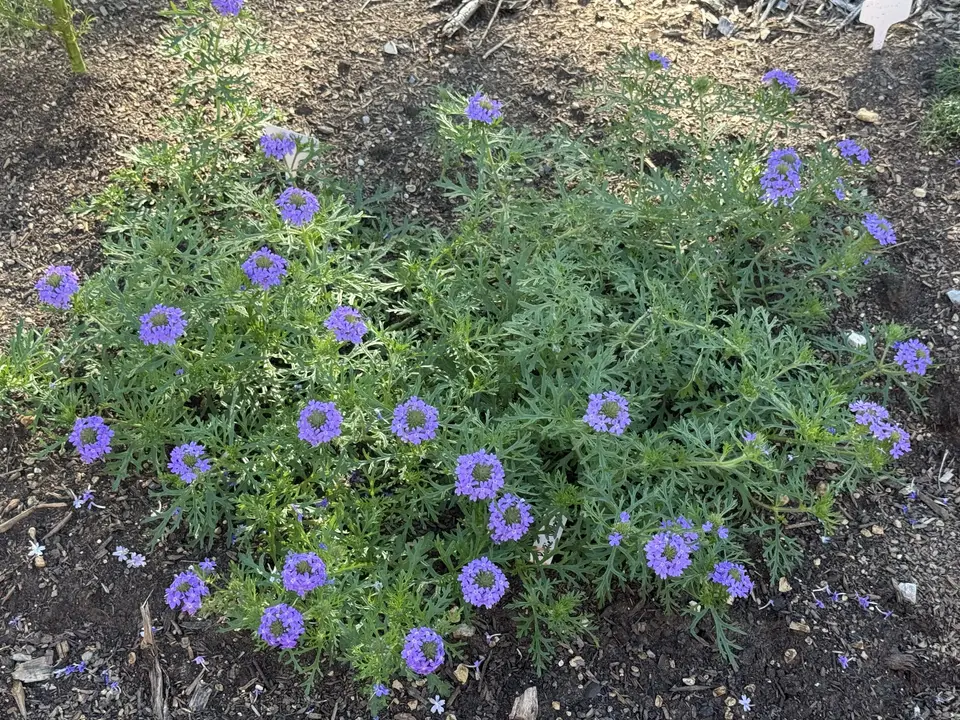
Prairie Verbena
A fast-spreading native groundcover with bright purple blooms that opens the pollinator season each spring.
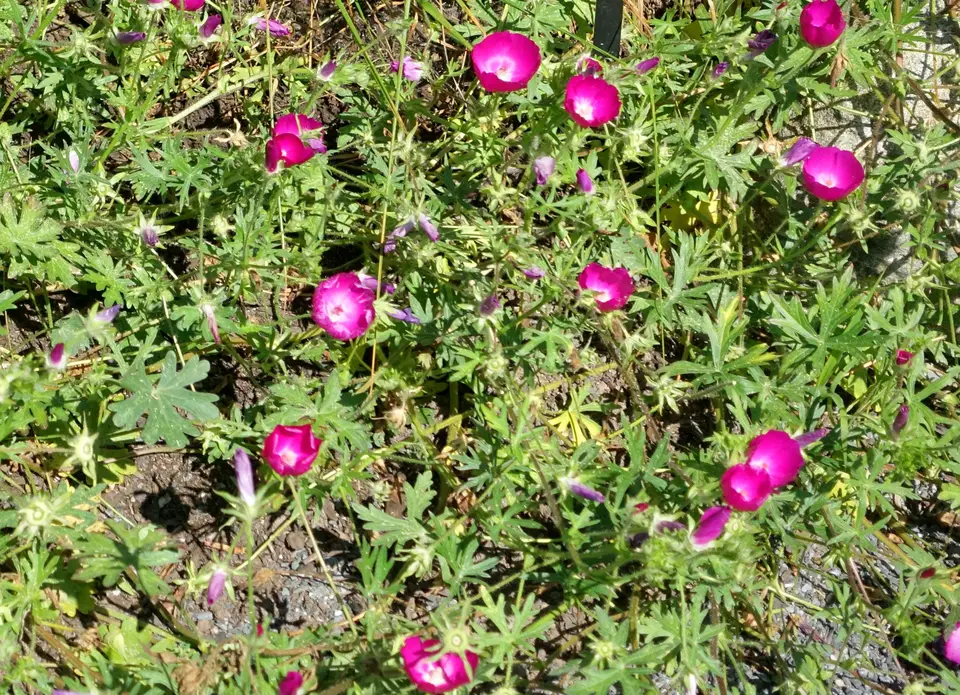
Winecup (Perennial)
A fast-spreading native groundcover with vivid magenta cup-shaped blooms every spring.