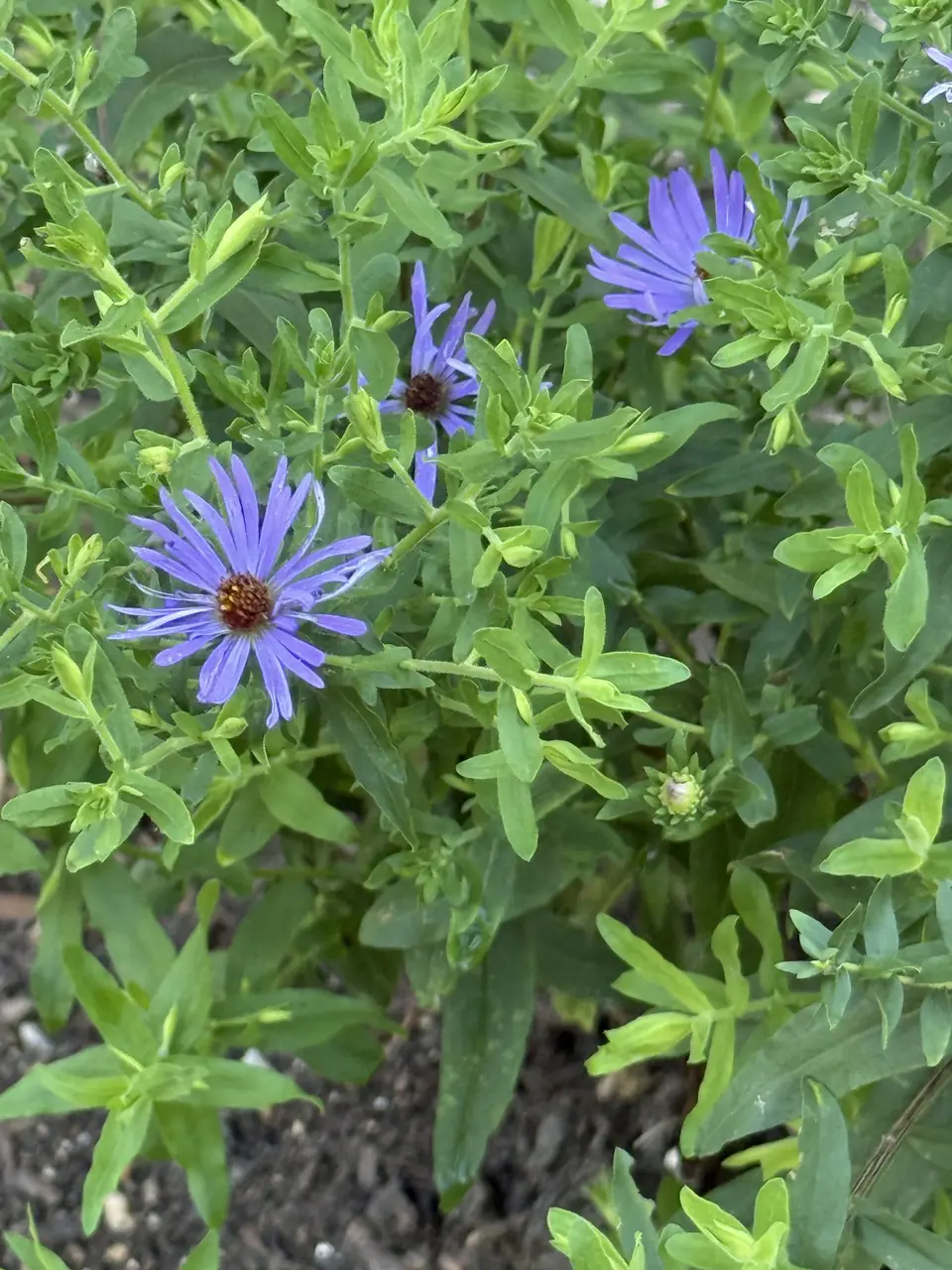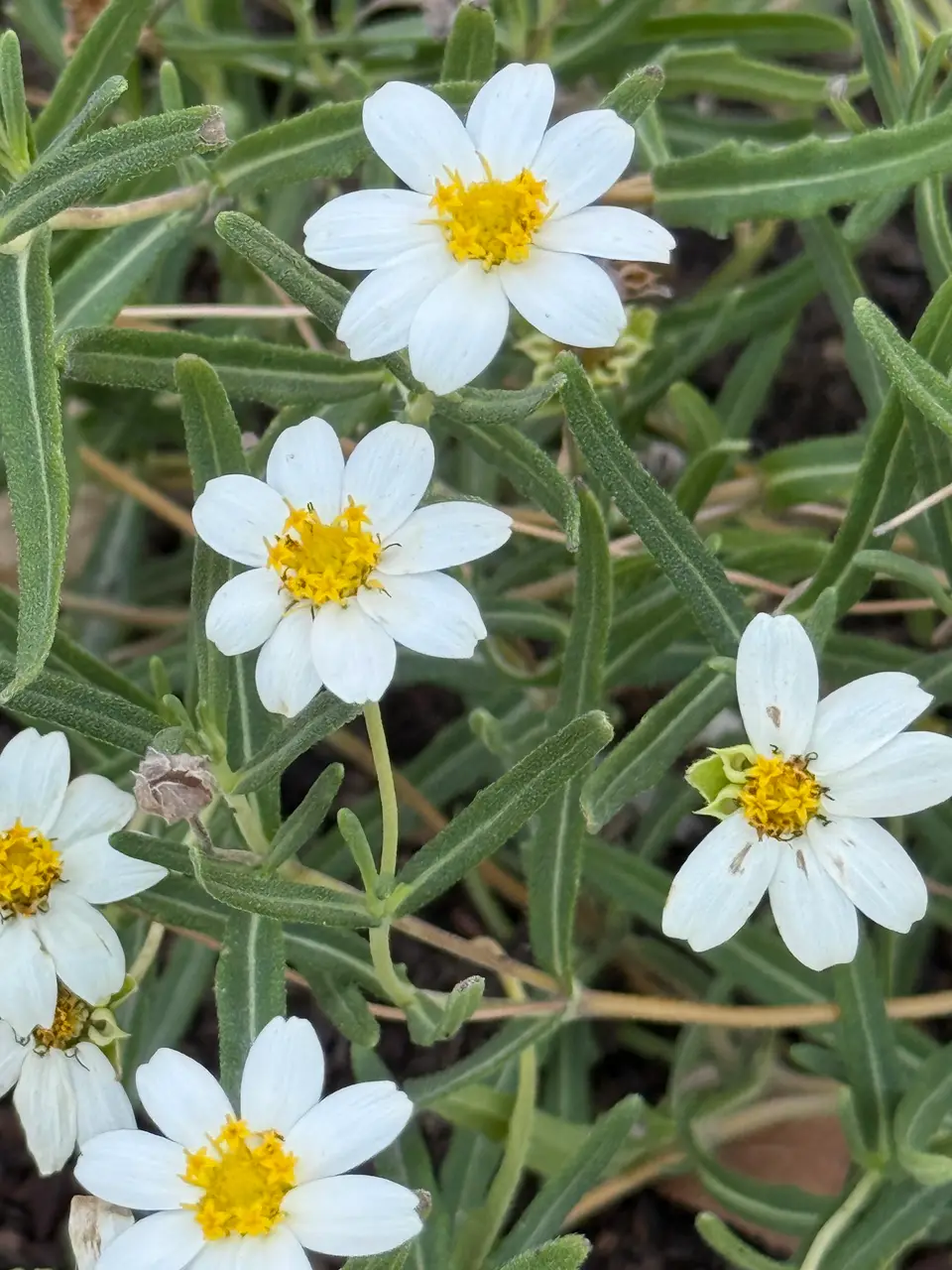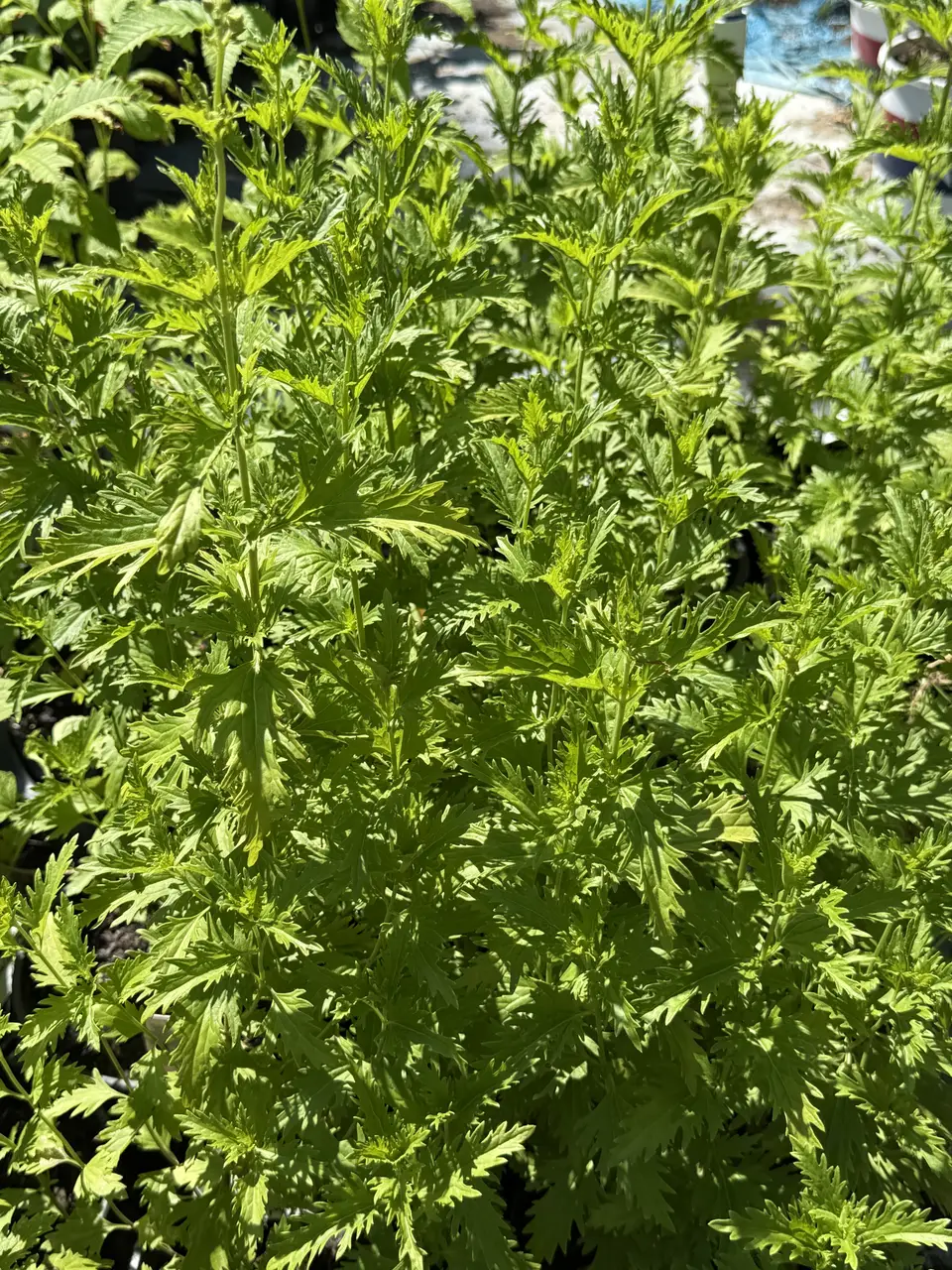
Gregg’s Mistflower
Conoclinium dissectum

- Sun
- Full Sun, Part Shade
- Water
- Low, Moderate, Drought tolerant once established
- Mature size
- 1-3 ft tall x 3-6 ft + spread
- Best for
- Pollinator Plant, Groundcover, Erosion Control
Gallon — $14
About this size
- Gallon
- Our standard size: a 1-gallon nursery pot, about 6–7 inches across.
Pay at the nursery, plus 6.75% sales tax. Send your request and we'll confirm availability and your pickup time within 24 hours, then hold your plants. How it works
Planting & care
- Growth habit
- Spreading, colony-forming perennial via rhizomes
- Typical bloom
- Jul–Nov
- Cold hardy to
- Zones 7–10
- Soil
- Well-drained soils; thrives in poor, rocky, or sandy soils; tolerates clay if drainage is adequate
Where to plant
Full sun to part shade, with the best bloom coverage and most compact form in full sun. It's adaptable to rocky, sandy, or poor soil, and tolerates clay as long as drainage is decent.
Watering
Low to moderate once established. Water regularly the first season to build deep roots; after that, rainfall is usually enough across most of Texas.
Cutting back
Cut back to 4–6 inches in late February or early March before new growth starts. An optional cutback in July or August keeps it more compact and encourages a fresh flush of fall blooms.
About Gregg’s Mistflower
If you're looking for a native perennial that takes care of itself, fills in bare spots on its own, and turns into a cloud of soft blue flowers right when the monarchs come through, Gregg's Mistflower is that plant. This spreading perennial blooms from late summer into November, covering itself in clusters of fluffy lavender-blue flowers that look like wild ageratum. Butterflies, bees, and hummingbirds work it constantly through October.
Native to the rocky slopes and dry creek drainages of Central and West Texas, it's built for exactly the conditions most ornamentals struggle with: poor soil, summer heat, and dry spells. The finely textured, fluffy flower clusters sit atop opposite, triangular leaves, and the whole plant is often so covered in bloom during peak season that the foliage nearly disappears.
Once established, it needs almost nothing. It spreads by underground rhizomes and gradually colonizes an area, making it a natural fit for slopes, rain garden edges, or anywhere a living groundcover with serious fall butterfly value is wanted.
What makes it especially rewarding is the timing. By September, most perennials are past their peak. Gregg's Mistflower is just getting started, opening right as monarchs push through Texas on their fall migration — a plant that gives a garden its best moment exactly when most others are winding down.
Where it's native
Gregg’s Mistflower occurs naturally in 4 Texas ecoregions — South Texas Plains, Edwards Plateau, Trans-Pecos, Cross Timbers and Prairies. Plants grown from local ecotypes are best adapted to our soils and climate here in the blackland prairie and post oak savannah.
- 1Trans-Pecos
- 2High Plains
- 3Rolling Plains
- 4Edwards Plateau
- 5Cross Timbers and Prairies
- 6South Texas Plains
- 7Blackland Prairies
- 8Post Oak Savannah
- 9Gulf Prairies and Marshes
- 10Pineywoods