Current stock
Engelmann Daisy
Engelmannia peristenia
- Sun
- Full Sun
- Water
- Low, Moderate
- Mature size
- 1-3 ft tall x 1-2 ft wide
- Best for
- Pollinator Plant, Low maintenance, Erosion Control
Planting & care
- Growth habit
- Upright, branching, clump-forming; spreads by seed
- Typical bloom
- Apr–Aug
- Cold hardy to
- Zones 5–10
- Soil
- Well-drained soils; tolerates clay and poor soils
Where to plant
Full sun — gives the best bloom density and the most upright, compact form. It's adaptable to clay, rocky, or sandy soil; good drainage is the main requirement.
Watering
Low once established. Water regularly the first season to build deep roots. After that, supplemental watering is rarely needed across most of Texas.
Cutting back
Deadhead through the bloom season to encourage more flowers and keep self-seeding in check. Cut back to the basal rosette in late fall or early winter after frost.
About Engelmann Daisy
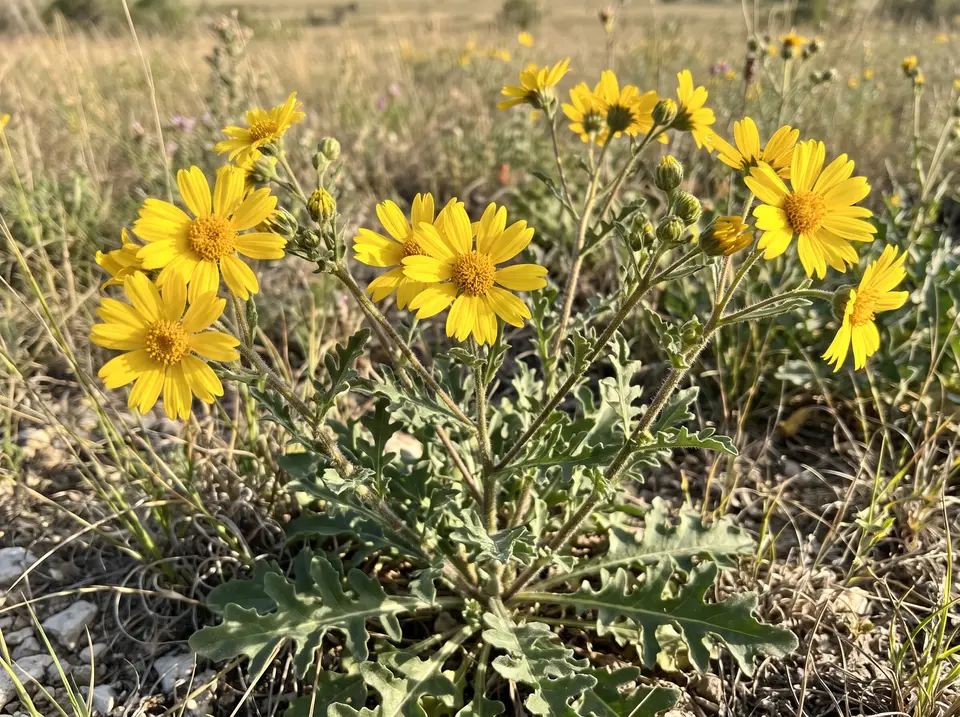
If you want a native wildflower that goes from seed to full bloom in under three months and comes back reliably for years, Engelmann Daisy is the plant. This cheerful, bright yellow bloomer covers itself in flowers from April through summer, filling beds, slopes, and pollinator gardens with easy color that practically takes care of itself.
Its deeply cut, almost fern-like leaves form a rough-textured basal rosette that gives the plant good structure even before it sends up its branching flower stems. Each classic yellow composite bloom stays fresh and upright through the morning, nodding slightly in the heat of a summer afternoon.
Engelmann Daisy is native to the Central Plains, built for exactly the kind of alkaline, rocky, or clay-heavy soil most Texas gardeners are working with. Bees, butterflies, and beneficial insects visit steadily through its long spring bloom window, and once established, it asks for almost nothing — it seeds itself modestly and fills in naturally over time.
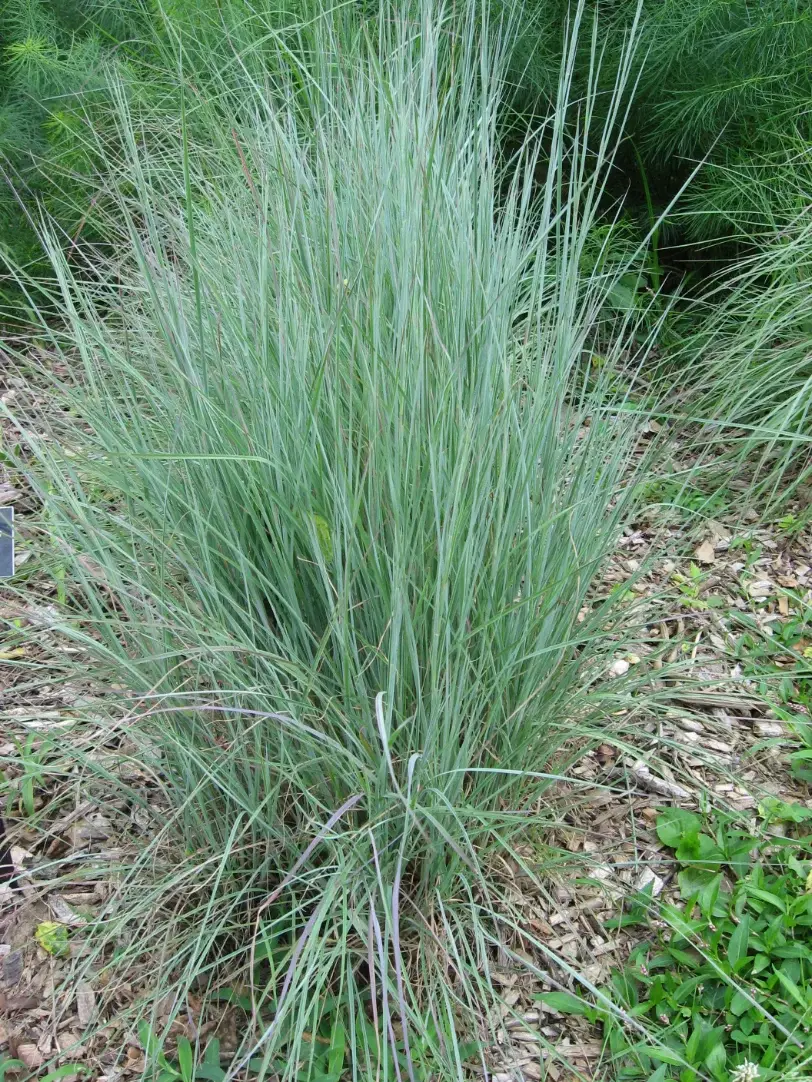
Paired with Blackfoot Daisy, Little Bluestem, or Coreopsis, it becomes part of a full-season wildflower combination that delivers color and pollinator activity almost immediately after planting.
Where it's native
Engelmann Daisy occurs naturally in 5 Texas ecoregions — Blackland Prairies, Cross Timbers and Prairies, Edwards Plateau, South Texas Plains, Rolling Plains. Plants grown from local ecotypes are best adapted to our soils and climate here in the Blackland Prairies.
- 1Trans-Pecos
- 2High Plains
- 3Rolling Plains
- 4Edwards Plateau
- 5Cross Timbers and Prairies
- 6South Texas Plains
- 7Blackland Prairies
- 8Post Oak Savannah
- 9Gulf Prairies and Marshes
- 10Pineywoods